

Delhi's Plan to Electrify Its Vehicle Fleet
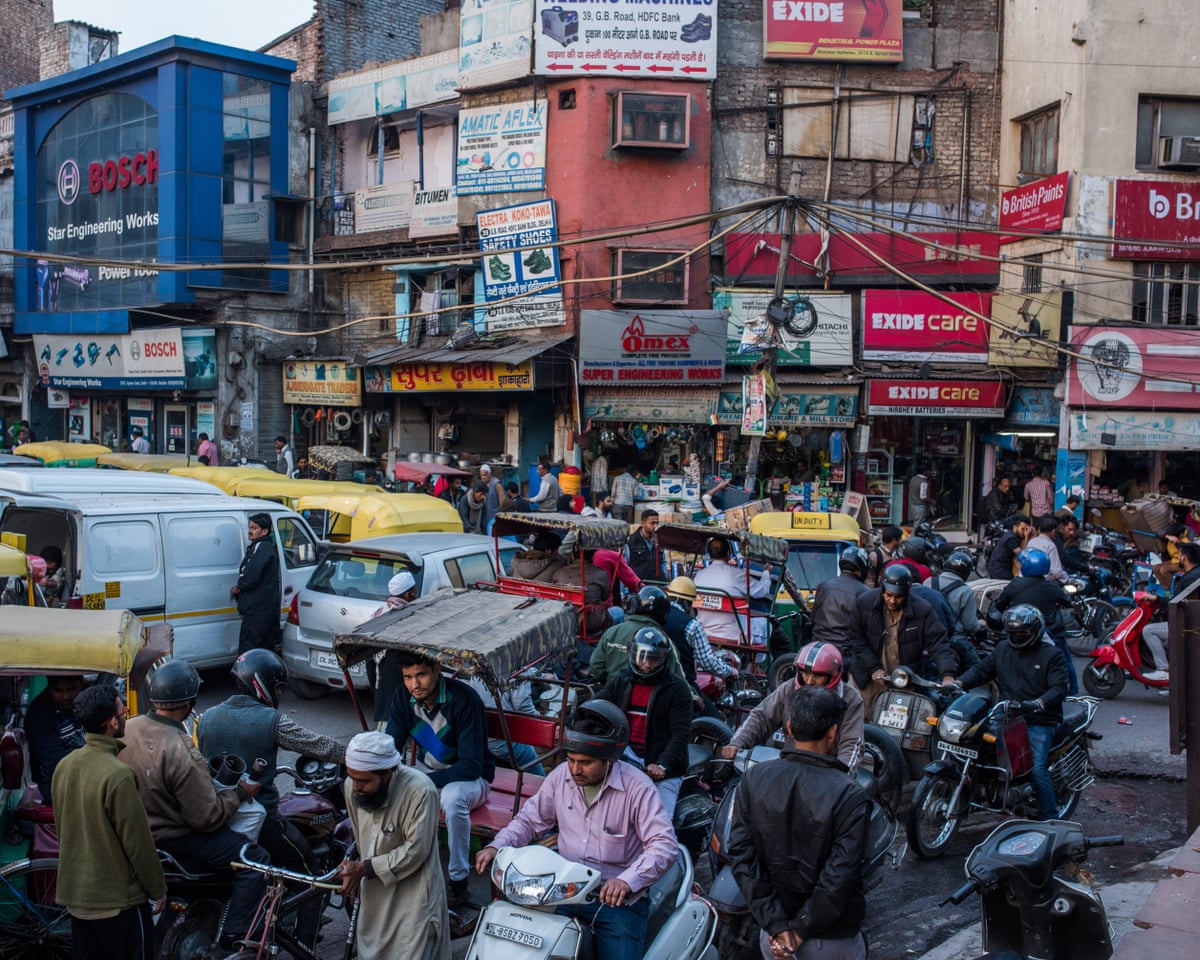
The chaotic streets of Delhi, known for the millions of rickshaws and scooters that navigate its roads, are set for a significant environmental transformation. These vehicles, which currently run predominantly on petrol and compressed fossil gas, contribute heavily to the city's toxic air pollution.
On Monday, the Delhi government announced an ambitious plan to phase out petrol scooters, motorbikes, and autorickshaws, replacing them with electric alternatives. This move aims to reduce the dangerously high pollution levels in the city by the end of the decade.
The policy will phase out the registration of new petrol and gas scooters, trucks, and buses over the next two years. Environmentalists have praised the initiative as a "gamechanger" in the battle against toxic emissions.
Transport has been identified as one of the largest contributors to Delhi's air pollution, which consistently reaches levels harmful to human health and has been declared an emergency in the capital.
Scooters and rickshaws constitute more than two-thirds of the tens of millions of vehicles on Delhi’s roads. Under the new regulations, starting in 2027, the capital will issue new license plates only to electric small trucks and three-wheelers, known as e-rickshaws, and from 2028, to e-scooters and electric motorbikes.
The Delhi government has set a target for at least 30% of the city’s vehicle fleet to be electric by 2030.
“The policy focuses on pure EVs, which offer superior environmental benefits as zero-emission vehicles,”the government stated on Monday.
Expert Opinions and Environmental Impact
Amit Bhatt, managing director of the International Council on Clean Transportation, described the phaseout of two- and three-wheelers as a potential
“gamechanger in Delhi’s fight against air pollution.”
He highlighted that scooters, rickshaws, and trucks make up the majority of vehicles on Delhi’s roads and emphasized that
“accelerating their transition to zero-emission vehicles can significantly reduce vehicular emissions, improve public health, and pave the way for a broader transition to zero-emission transport across all vehicle segments.”
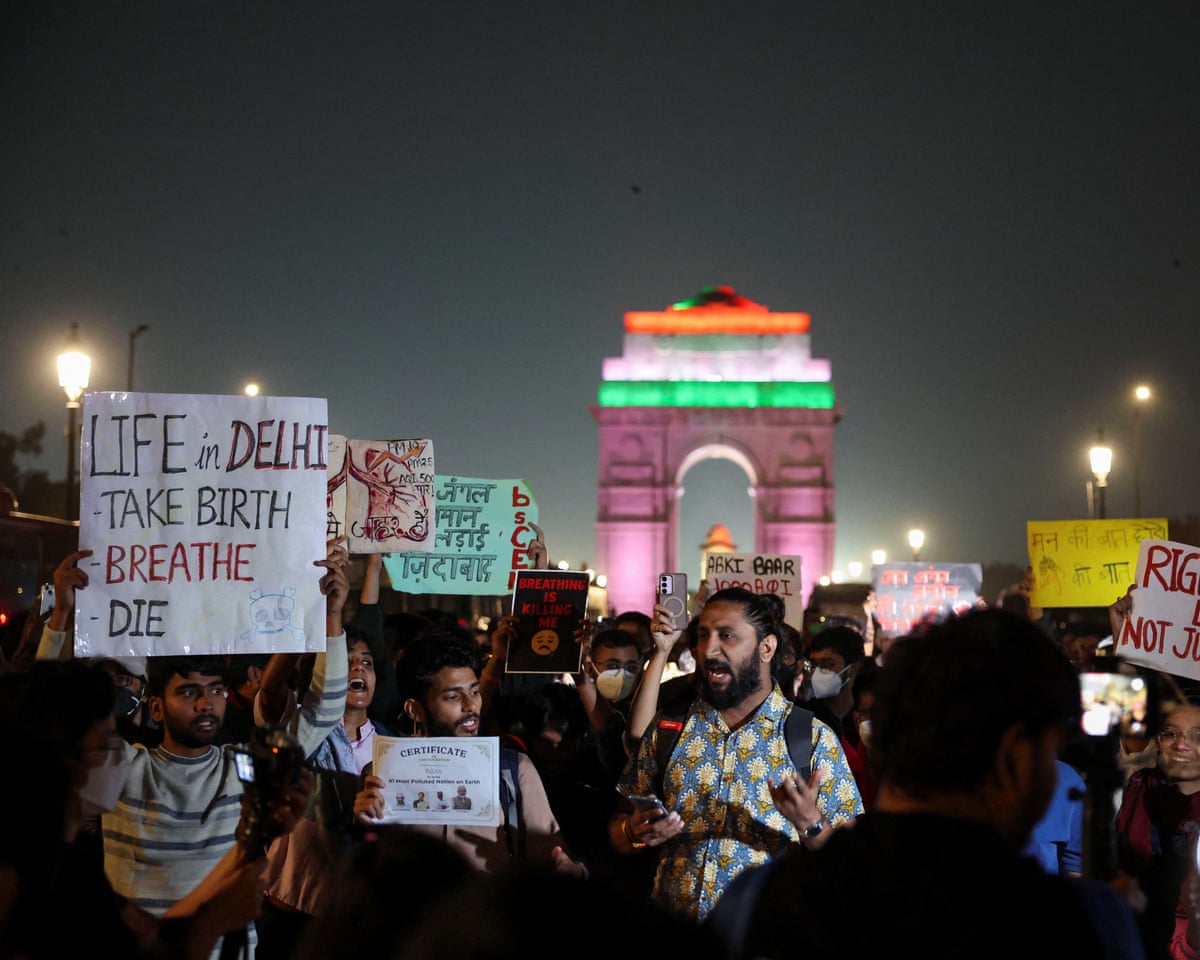
The Delhi state government, led by the Bharatiya Janata Party which also governs nationally, faced criticism and protests during the winter months for its perceived inaction on the severe pollution crisis.

According to official data, vehicle emissions account for an average of 23% of pollutants in Delhi’s air, making it the largest single source of pollution, especially during the winter when the city is frequently enveloped in thick smog.
Challenges and Infrastructure Development
E-rickshaws have become increasingly common on Delhi’s roads over the past two years, but the limited availability of charging points has deterred many drivers from switching to electric vehicles. To address this, the government has committed to installing over 30,000 public charging stations across the city.
Vikas Nimesh, assistant professor at the School of Public Policy at IIT Delhi, also called the policy a
“gamechanger.”He noted the rapid expansion of affordable Indian electric vehicles, with Delhi already being the largest market in India. Nimesh expressed optimism that the policy would encourage manufacturers to invest in green technologies and develop more EV models, increasing consumer choice and competition.
Reactions from Drivers and the Public
Many of the city’s millions of auto-rickshaw drivers had not yet been informed about the new policy. Rajesh Gopi, a 37-year-old driver resting in the shade of his rickshaw in Delhi’s busy Connaught Place, expressed skepticism about the feasibility of the transition within two years and concerns about the economic impact.
“I have heard that the e-rickshaws need charging a lot and can’t travel as far as we can on gas,”he said.
“If I have to wait one or two hours every day for charging, that’s lost income for me that I can’t afford. I also don’t know how to maintain an e-rickshaw or stop the batteries getting stolen.”
Despite his concerns, Gopi acknowledged the severity of the pollution problem for drivers who inhale harmful fumes daily.
“I am not against change and making the air clean, but I hope we are not the ones to pay the price,”he added.
Incentives and Criticisms of the Policy
The policy also offers significant road and vehicle tax exemptions for buyers of new electric cars to encourage voluntary adoption. However, some critics argue that the two-year timeline to phase out new petrol scooters and rickshaws is too short and may not allow sufficient consumer choice.
Others have called for a broader approach that extends beyond private vehicles. Bhavreen Kandhari, a prominent environmentalist, urged the government to expand green public transport options in the city.
Although Delhi has a substantial metro system, it is often criticized for inadequate connectivity across the sprawling city, which forces many residents to rely on rickshaws and scooters for travel between their homes and metro or bus stops.
“More cars on the road is not a solution,”Kandhari said.
“To reduce traffic jams and dust in the city, the government should work on improving public transport and last-mile connectivity with green solutions. This EV policy falls short on that aspect.”


