

Hidden Plumbing Errors Pollute Urban Rivers
Undetected plumbing misconnections are causing untreated household sewage to enter rivers, contaminating waterways without residents' awareness. One such river in south-west London has experienced significant pollution due to these misconnections.
A misconnection occurs when wastewater is improperly diverted into surface drains, resulting in pollution of adjacent waterways.
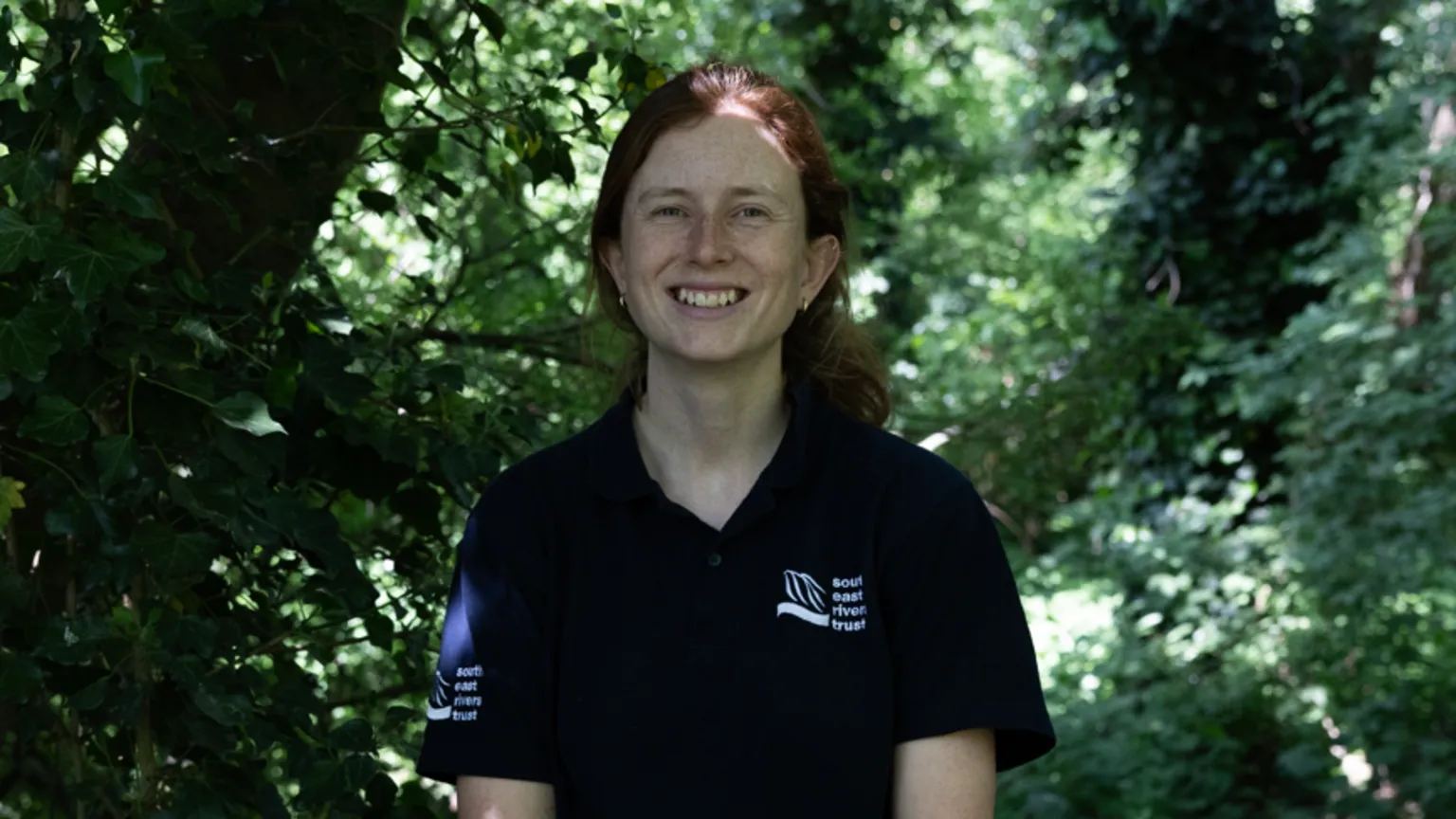
According to Dr Isobel Ollard from the South East Rivers Trust (SERT), pollutants may include raw sewage, chemicals, and physical debris, all of which harm wildlife and contribute to the degradation of river ecosystems.
The Wandle, a 12-mile (19km) chalk stream flowing from Carshalton to the Thames at Wandsworth, is one location where such contaminants have been detected.
Ollard explained that these misconnections bypass the usual treatment processes carried out at sewage treatment facilities.
Recently, an example of this pollution was observed at Watermeads Nature Reserve, which connects to the Wandle. A cloudy, milky-colored water was seen flowing from a concrete outlet into the river.
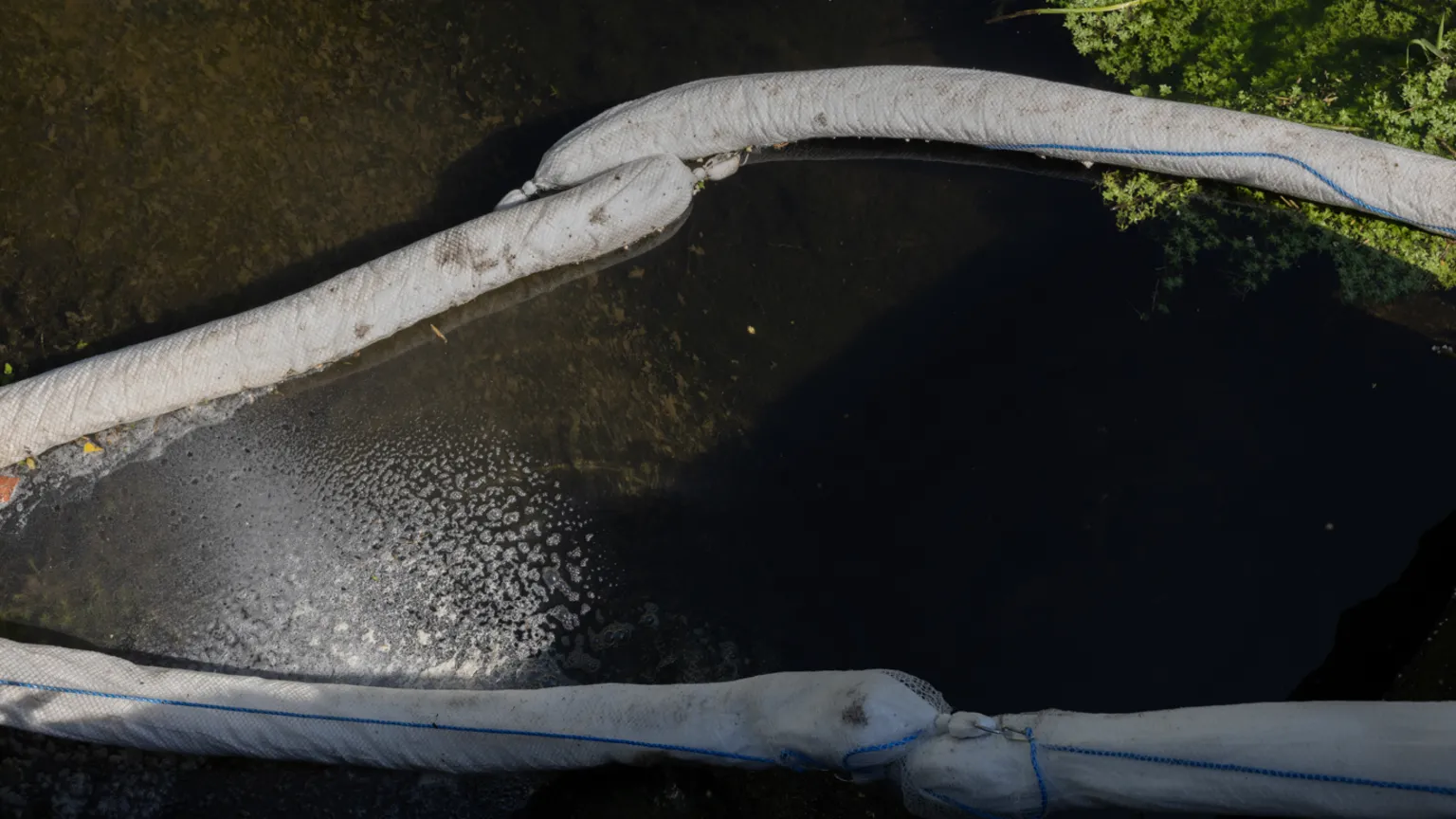
Containment booms installed by Thames Water captured some of the discharge, limiting the spread of the substance downstream; however, the water remains polluted.
Ollard noted that the pale color of the discharge suggested it likely originated from a washing machine in a nearby property that had been incorrectly connected to the water network, allowing wastewater and detergents to enter the river.
Chalk rivers such as the Wandle are rare and delicate ecosystems that support diverse wildlife. With only about 200 chalk rivers worldwide, they are especially vulnerable to pollution.
An Unknown Issue
Ollard stated that misconnections are particularly challenging to address because identifying the source and determining responsibility is often complex.
"It's hard to track," she told the Local Democracy Reporting Service. "You can only find out once you see the discharge."
Thames Water is responsible for investigating leaks and tracing them through drainage systems.
Once a misconnection is identified and traced to a property, homeowners are legally required to correct the issue.
The company reported investigating over 20 suspected misconnections in the past three years.
Ollard added that many homeowners are unaware that their properties are misconnected, and older homes may have historic plumbing errors that only become apparent when pollution is detected in a river.
These problems are rarely identified during property surveys, meaning buyers may unknowingly purchase homes with such issues.
"Then they will get a letter saying it has been identified and they will then be required to do the work, which costs thousands of pounds."
Leonie Cooper, Labour London Assembly member for Merton and Wandsworth and deputy chair of the environment committee, urged residents to ensure drainage systems are properly installed when undertaking work or purchasing property.
Last year, Thames Water stated it had identified 2,294 plumbing misconnections across London over the previous five years.
Ollard encouraged residents to reconnect with their local rivers, emphasizing that increased awareness would help address the issue.
"In turn, the more we notice and care about our rivers, the better we are able to care for and protect them."
A Thames Water spokesperson said:
"We actively investigate suspected misconnections and support local projects to raise awareness and involve communities in protecting their environment.
All pollution reports are investigated within two hours. Where third-party issues are identified, we work with property owners or local authorities to resolve them, with more complex cases addressed through our Surface Water Outfall Programme."
Listen to the best of BBC Radio London on Sounds and follow BBC London on Facebook, X and Instagram. Send your story ideas to hello.bbclondon@bbc.co.uk


