

Butterflies as Indicators of Peat Bog Health
A conservationist is exploring the potential of butterflies to serve as new indicators of climate change impacts through a two-year study in the wetlands of Wales.
Georgina Paul, representing Butterfly Conservation, is currently midway through a project examining whether the endangered large heath butterfly can be utilized as a marker for peatland health.
Peat bogs are vital carbon stores when they remain saturated; however, increasing temperatures threaten to dry these habitats, releasing greenhouse gases into the atmosphere.
Based near Blaenau Ffestiniog in Gwynedd, Georgina has been conducting population counts of large heath butterflies across hundreds of square kilometres of peatland habitat since the study commenced last year.
The investigation, scheduled to continue until May 2027, encompasses all protected regions where the butterfly is present.
These habitats include Cors Caron near Tregaron in Ceredigion; Afon Eden in Gwynedd; the Berwyn Range in northeast Wales; and the Fenn's, Whixall and Bettisfield Mosses National Nature Reserve located near the Wrexham-Shropshire border.
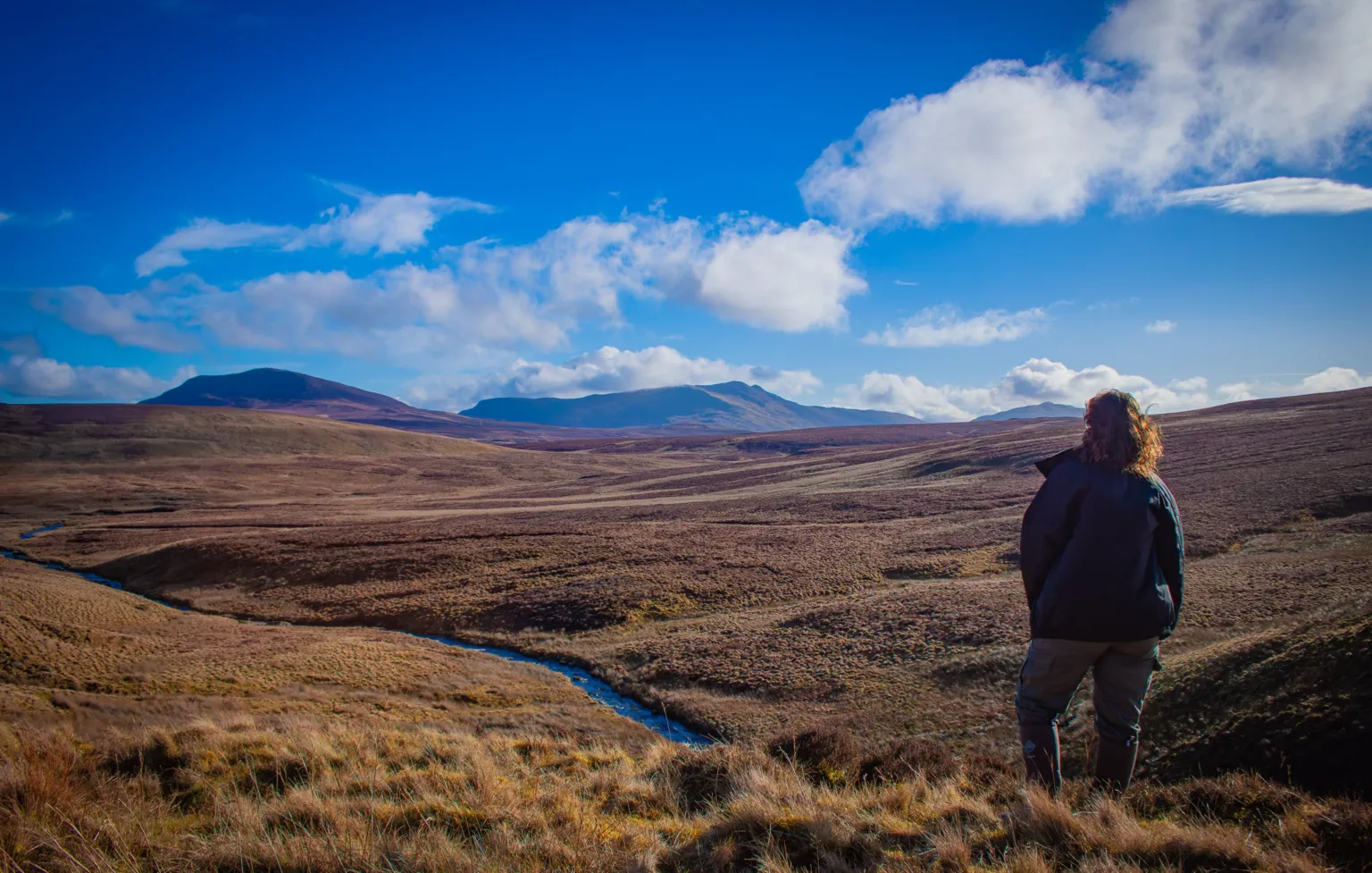
"Peat bogs are weird and wonderful places, with fantastic wildlife like carnivorous plants, large heath butterflies and emperor moths, but looking after them well will also help us tackle the global challenge of climate change by keeping carbon in the ground.
"If we can show that large heath is a reliable indicator of peat bog health then we can be confident that our volunteers don't need to be technical experts to make a big impact.
"Going out to count the butterfly each summer could provide us with invaluable data to monitor the condition of this environment and plan how to protect it."
How to Identify the Large Heath Butterfly
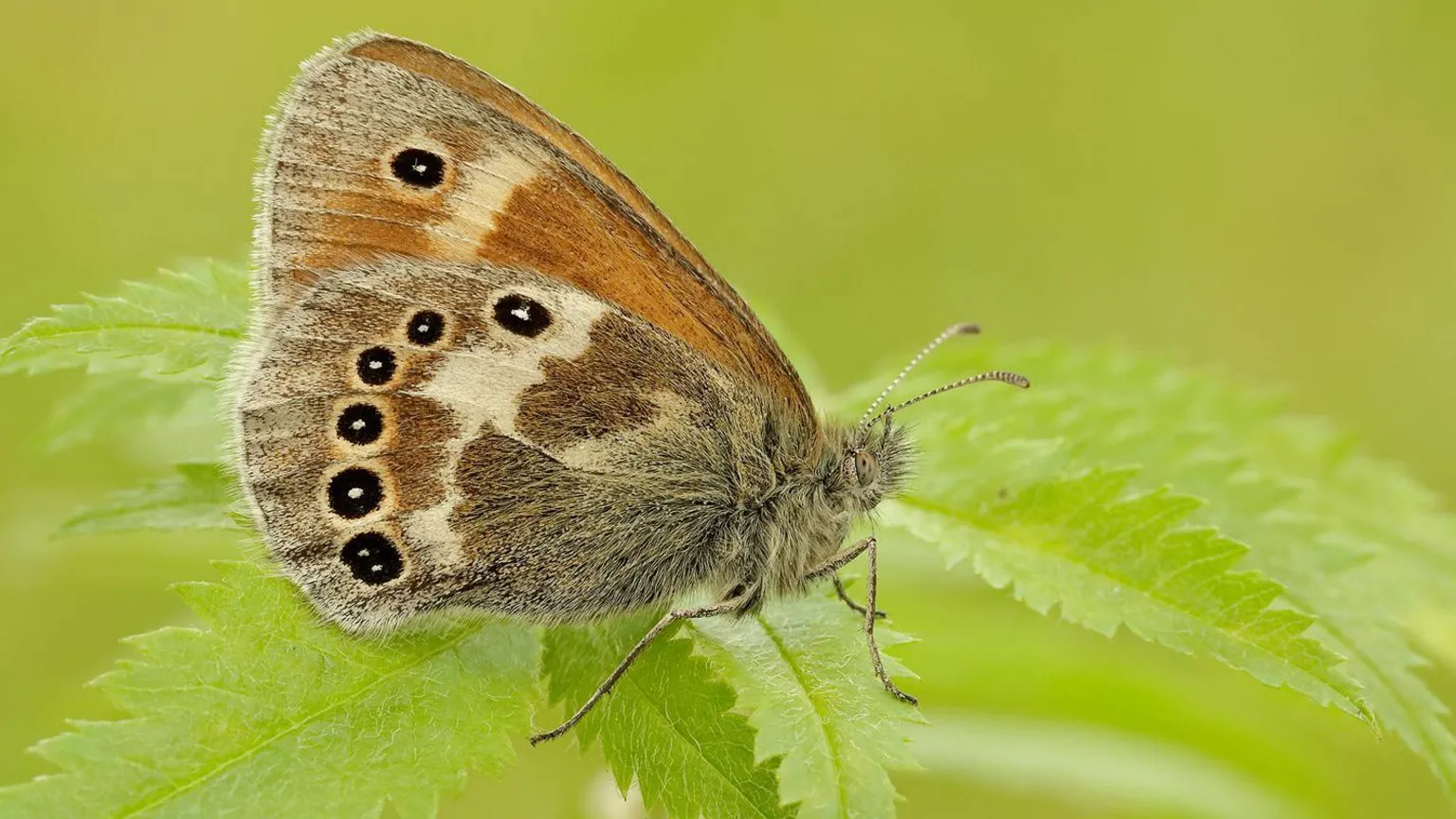
The large heath butterfly features a chestnut coloration with distinctive black spots on its wings. It inhabits wet environments in northern Britain, Ireland, and select isolated locations in Wales and central England. Its larvae feed exclusively on hare's-tail cottongrass, a plant native to peat bogs.
During the 20th century, the species experienced significant population declines in England and Wales due to habitat degradation, leading to its classification as endangered.
Volunteers receive training to conduct monitoring activities, which involve weekly walks along predetermined routes to count butterfly numbers.

Georgina aims to identify indicators where peatland restoration efforts have enhanced habitat conditions for the large heath and anticipates that the project will provide evidence to assist landowners in managing peat bogs effectively.
The study primarily focuses on sites where restoration initiatives have already been implemented. Additionally, it is experimenting with drone technology to map peat bog habitats and expedite the identification of key plant species.
The Welsh government has allocated £249,000 to support the project, supplemented by lottery funding.
The initiative also involves collaboration with the RSPB, the National Trust, and Natural Resources Wales, although much of the land remains under private ownership, presenting additional challenges.
"We've got huge blanks on the map - for some of these sites we haven't had records for 25 years. If we get glorious summer weather and I can go out and visit sites five days a week then I will."
Understanding Peatland Restoration
Peatland restoration entails repairing damaged peat bogs and reinstating their healthy, waterlogged condition.
Peatlands cover approximately 4% of Wales' land area, roughly 90,000 hectares. Over time, many have been drained or degraded, resulting in drying and diminished carbon storage capacity. Restoration efforts focus on rewetting these areas to enable peat to function naturally once more.
Natural Resources Wales (NRW) implemented a National Peatland Action Programme, which successfully met its objectives by 2025.
Restored peatlands can sequester carbon and support rare flora and fauna. Often situated at the headwaters of river catchments, they play a crucial role in river health, influencing water quality, drinking water supplies, and flood mitigation.
Healthy peat bogs contribute to reducing flood risks and addressing climate change, making restoration a cost-effective and straightforward approach to safeguarding both biodiversity and the broader environment.


