
Beavers Aid Flood Prevention at Greenford Station
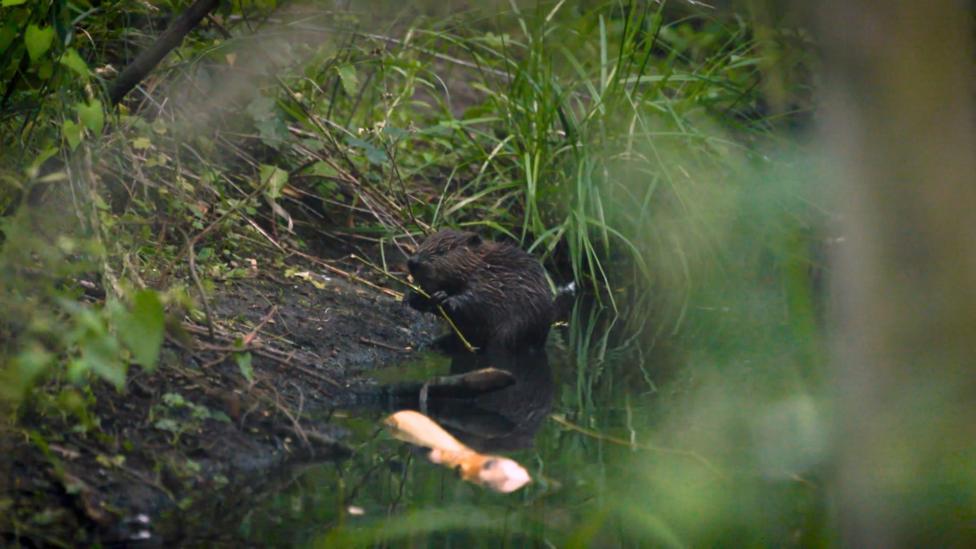
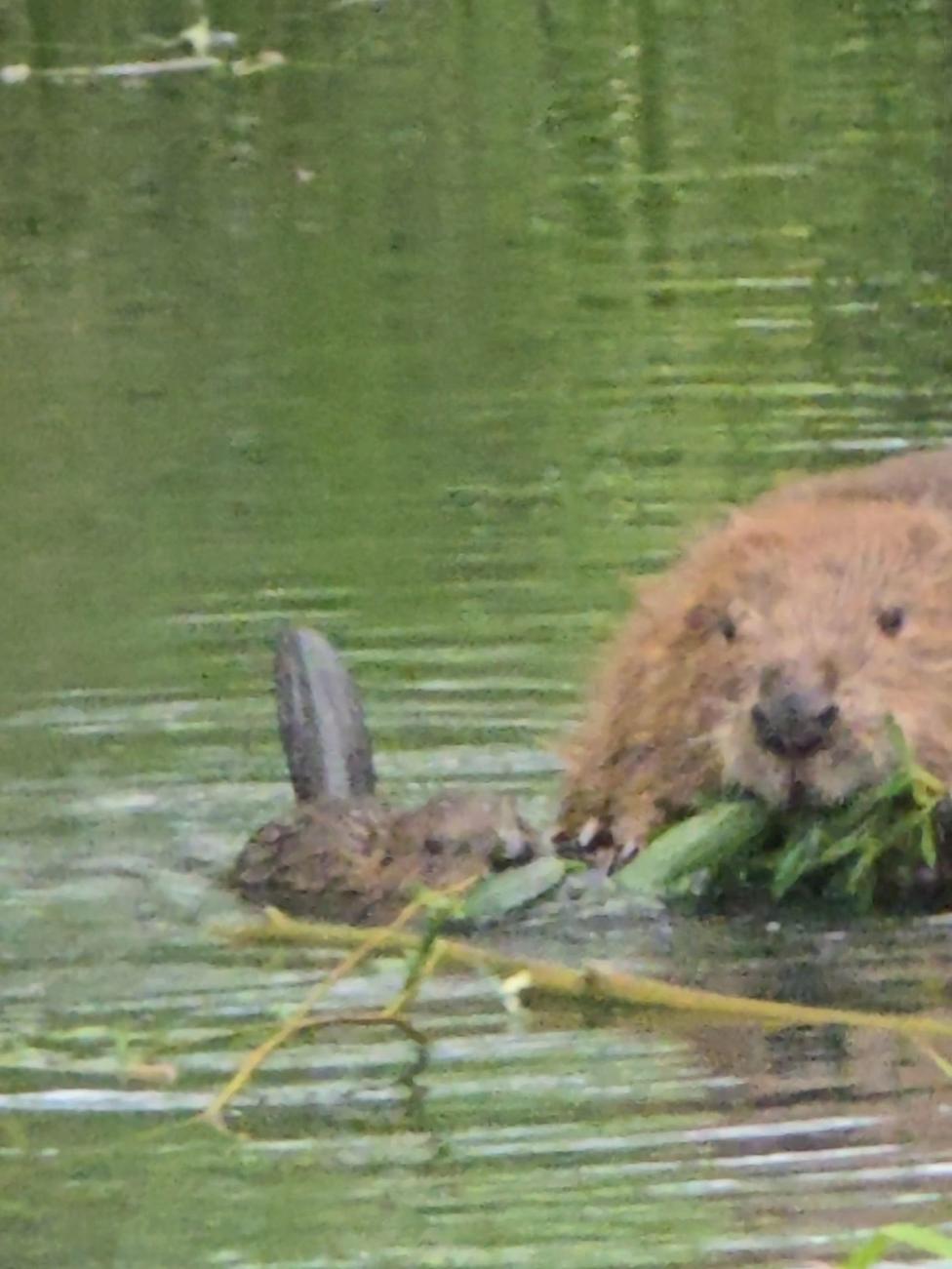
A young kit settles beside an adult at the Ealing site.
A colony of beavers reintroduced to west London has contributed to preventing flooding at Greenford railway station, according to the Ealing Beaver Project responsible for their return.
The project reports that since the beavers established their wetland habitat at Paradise Fields, located upstream, Greenford station has not experienced flooding following heavy rainfall.
The beavers reduce water flow during storms and create wetlands that retain water, thereby alleviating stress on the downstream drainage infrastructure.
The semi-aquatic rodents are thriving, with at least two new kits born this year, the project added.
The Ealing beaver family has welcomed new kits.
Impact on Water Flow and Flooding
Sean McCormack, a veterinarian and conservationist involved with the project, explained that previously river water would rush through the system into Greenford within minutes, but now it permeates slowly through a series of dams and complex wetlands.
"They're slowing the flow when we have heavy rainfall events.
"They're sinking the flow as well into the ground because the ground here is wetter, even surrounding the river itself, and they're creating these complex wetlands that basically draw down that water and hold it for longer," he said.
He further stated:
"Now it takes hours for it to percolate through each dam and it's worked. The second winter that they were here, there was no flooding downstream.
"Third winter which has just passed, no flooding has occurred in that targeted zone downstream."
Beavers' Return and Ecological Benefits
Beavers, known as nature's engineers, were hunted to extinction in Britain centuries ago due to demand for their fur, meat, and scent glands. They were reintroduced to Ealing in 2023 and have since been modifying the landscape.
Since their reintroduction to London three years ago, the beaver colony has been prospering.
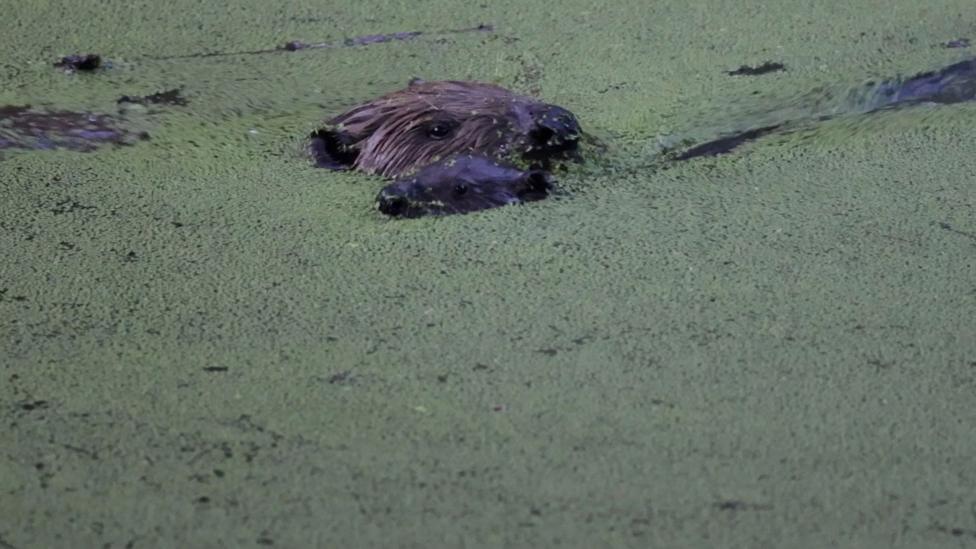
The kits born last week typically appear in the evening, attracting local residents at Paradise Fields who gather with cameras to observe the mother and her babies after dark.
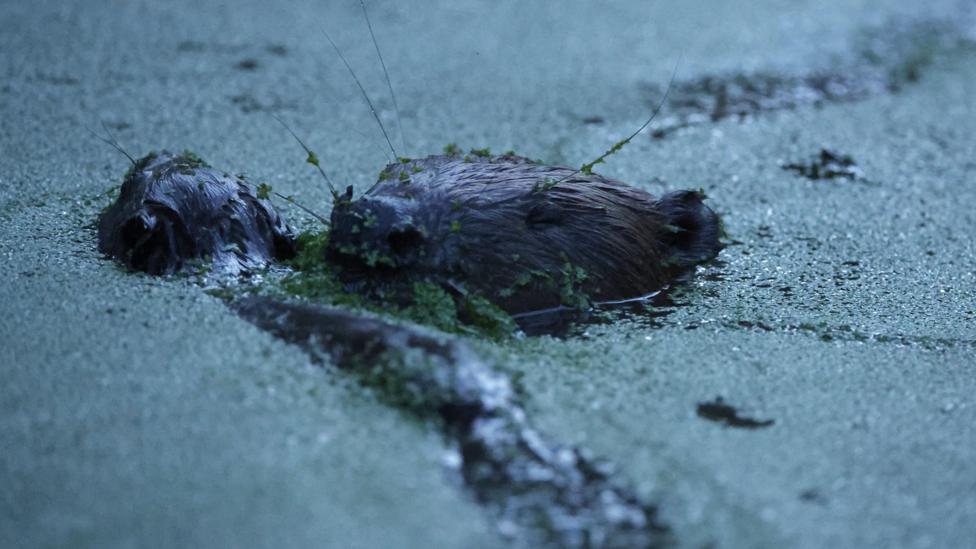
"I'm a hardened scientist, but it's even warmed the cockles of my heart," McCormack said.
"They are super, super cute. The first one came out last week and it was being rolled around by mum, and she was almost dunking it in the water to get it waterlogged, because they're really fluffy and buoyant when they first come out.
"It was just amazing to see that interaction."
Nadya Mirochnitchenko, an ecologist with the project, noted significant ecological improvements around the brook.
"We have seen an explosion in terms of the invertebrates that are coming here," she said.
"We're seeing more birds coming to the site, and we have recorded at least two new bat species.
"It's been really great to watch this neglected site, that was being overshaded and choked out, starting to open up and get more biodiversity."
Listen to the best of BBC Radio London on Sounds and follow BBC London on Facebook, X, and Instagram. Send your story ideas to hello.bbclondon@bbc.co.uk.
- First baby beavers born in urban London for 400 years
- Beavers have helped reduce flood risk, experts say
- Five beavers transform their new Sussex 'paradise'


