

Challenges in Tree Planting and Woodland Creation in Wales
Trees play a crucial role in combating climate change by absorbing carbon dioxide and serving as natural flood defence systems. However, a charity has warned that bureaucratic obstacles in Wales make it significantly easier to fell woodlands than to establish new ones.
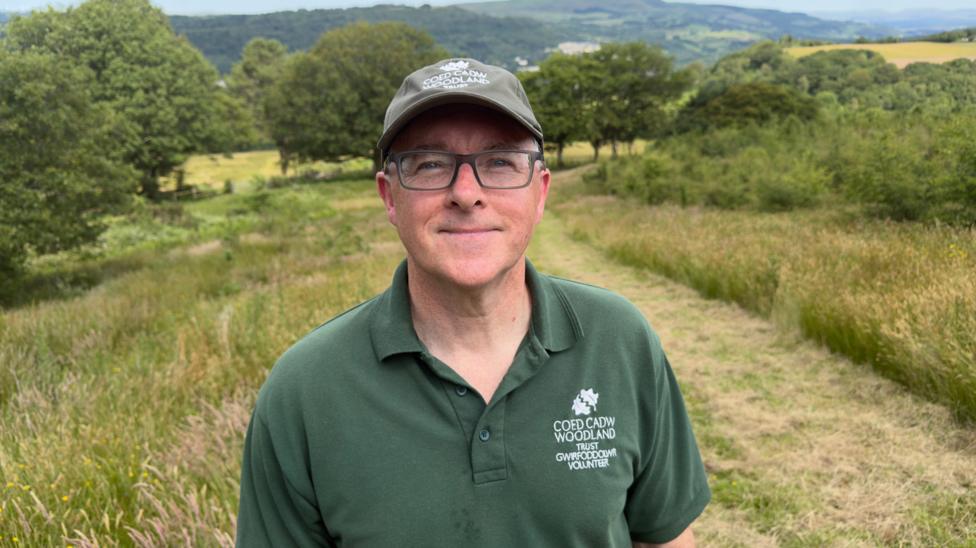
Chris Matts, representing the Woodland Trust, emphasized the importance of "nature-based systems" as vital tools in addressing climate change, while highlighting bureaucracy as a significant barrier.
Government data indicates an increase in tree planting, yet conservationists argue that these efforts fall short of meeting established targets. The Energy and Climate Intelligence Unit (ECIU) forecasts that, at current planting rates, Wales will achieve only 10% of its tree planting target by 2030, trailing behind other devolved UK nations.
The Welsh government responded by stating that the statistics do not encompass all tree planting activities occurring on Welsh land.
Local Perspectives on Tree Planting and Flood Defence
Keith Roberts, a Woodland Trust volunteer involved in maintaining a woodland area in Neath, expressed a strong personal connection to the site.
"One of the main reasons for planting the trees is part of the local flood defence system, so that's why we wanted to get involved in making the whole area safer for the Neath residents."
"The whole point is creating something for future generations," he added.
Trees contribute to climate change mitigation by absorbing carbon dioxide, providing shaded areas during hot weather, and functioning as integral components of flood defence systems.
Woodland Cover in Climate Change Strategies
The Climate Change Committee (CCC), an independent advisory body for UK nations, includes woodland cover in its recommendations for achieving emissions targets and adapting to climate change impacts. Devolved governments utilize these recommendations to formulate their own targets and plans.
Keith Roberts highlighted the protective benefits of trees against flooding for local communities.
Woodland Trust's View on Bureaucracy and Climate Resilience
Chris Matts, site manager for south and west Wales at the Woodland Trust, noted that during recent extreme temperatures and weather warnings, woodlands provide a "nice, stable, climatically cool environment."

"We know that nature-based systems are really some of our most important tools in the box for dealing with climate change," Matts said, acknowledging bureaucracy as a challenge.
"As a land manager it's far easier for me to cut a woodland down than it is to create one."
"That's not to say we should just plant trees anywhere and we should forgo all of the other things that we need in our landscape, like farming for example, but these things should work alongside and support those systems," he added.
Controversy Over Tree Cover Targets for Farmers
In 2024, planned targets requiring farmers in Wales to achieve 10% tree cover on their land to qualify for the government's Sustainable Farming Scheme were abandoned following widespread protests.
Matts remarked that this situation underscores the need for inclusive approaches where all stakeholders contribute, advocating for long-term funding and "a slightly less rigid approach to how we create woodland."
Analysis of Tree Planting Progress and Future Implications
The Energy and Climate Intelligence Unit, a climate-focused non-profit think tank, concurs with calls for increased tree planting. Their analysis reveals that, compared to CCC recommendations, the UK faces a tree planting shortfall exceeding 4,000 hectares by 2030—an area comparable to the city of Portsmouth.
Tom Cantillon, a senior analyst at ECIU, stated that based on current planting rates, Wales is projected to meet approximately 10% of its government Carbon Budget 2 target and 27% of CCC advised levels by 2030.
In contrast, Scotland is on track to achieve 74% of its government target and 98% of CCC advice, while Northern Ireland is expected to fulfill 48% of both its government target and CCC guidance within the same timeframe.
"Underplanting now will have significant knock-on impacts on the UK's net zero ambitions – due to the time lag between when a tree is planted, and when it can effectively remove carbon from the atmosphere," Cantillon explained.
"It does raise questions for the Welsh government in how that shortfall in tree planting will be made up for in the future, either with more planting or with other actions across the wider economy."

Industry and Government Responses
The Confederation of Forest Industries (Confor), a trade body representing the private forestry and wood sector, criticized the current progress, stating that the data reflects a failure to secure the future.
Elaine Heckley, Confor's Wales manager, remarked:
"This is a dismal failure, when all the evidence shows that we need to plant many more trees to create green jobs, build sustainable homes and support our climate change ambitions."
In response, the Welsh government emphasized that the statistics cited only cover areas meeting specific criteria and do not account for every tree planted on Welsh soil.
A government spokesperson stated:
"Increasing tree cover benefits our environment and the health of people in Wales, and will be felt for generations to come."
"We are committed to increasing tree planting rates and will be working collaboratively with public sector bodies to better understand the contribution they can make to increasing canopy cover in Wales."


