

Discovering Scottish Cheese
When Tanny Gill arrived in the UK on a working holiday in 2003, he had very little knowledge about cheese. Originally from Pune, India, his journey led him to Tobermory, where he secured a job producing Isle of Mull cheddar. This experience opened his eyes to the world of cheese production.
Since then, Tanny has built a career in the cheese industry, fueled by his growing passion for the product. Recently, he established the Scottish Cheese Academy in West Linton, located in the Borders region of Scotland.
The academy aims to offer education, hospitality training, and cultural tourism experiences that promote Scottish cheeses both domestically and internationally.
Career Path and Expertise
After spending about five years working on the Isle of Mull, Tanny moved to London to expand his knowledge of European cheeses. He later returned to Scotland, working in wholesale and distribution, eventually settling in the Borders where he now calls home.
Throughout his career, he has also participated as a judge at prestigious events such as the World and British Cheese Awards.
Filling a Gap in Cheese Education
Tanny’s new venture was inspired by a gap he identified in Scotland’s cheese training offerings.
If you want to train on cheese, you have to go to England and do a course,
he explained.But they predominantly would teach you more about English cheeses than Scottish cheeses.I realised that actually there's a huge opportunity for us - I'm going to set up a Scottish Cheese Academy where I will champion Scottish cheeses.
The academy’s mission is to raise awareness about the heritage and culture of Scottish cheeses, targeting not only industry professionals but also consumers and food enthusiasts through masterclasses.
Tanny emphasized the need to challenge the common perception that Scotland offers less variety than other cheese-producing countries.
Historical Context and Modern Renaissance
He attributes this perception partly to historical events.
During the world war, there was a rule passed by the government as part of rationing that anybody who had milk, their extra milk was used to make Cheddar cheese because Cheddar was given away as part of rationing,
he said.
This policy led to the disappearance of dozens of regional cheeses, many of which have never been revived.

Hence, it is now perceived as - oh, you're Scottish, you just have a wee bit of cheddar, that's it,
he added.
However, the reality is quite different following a "modern renaissance" that began in the 1980s.
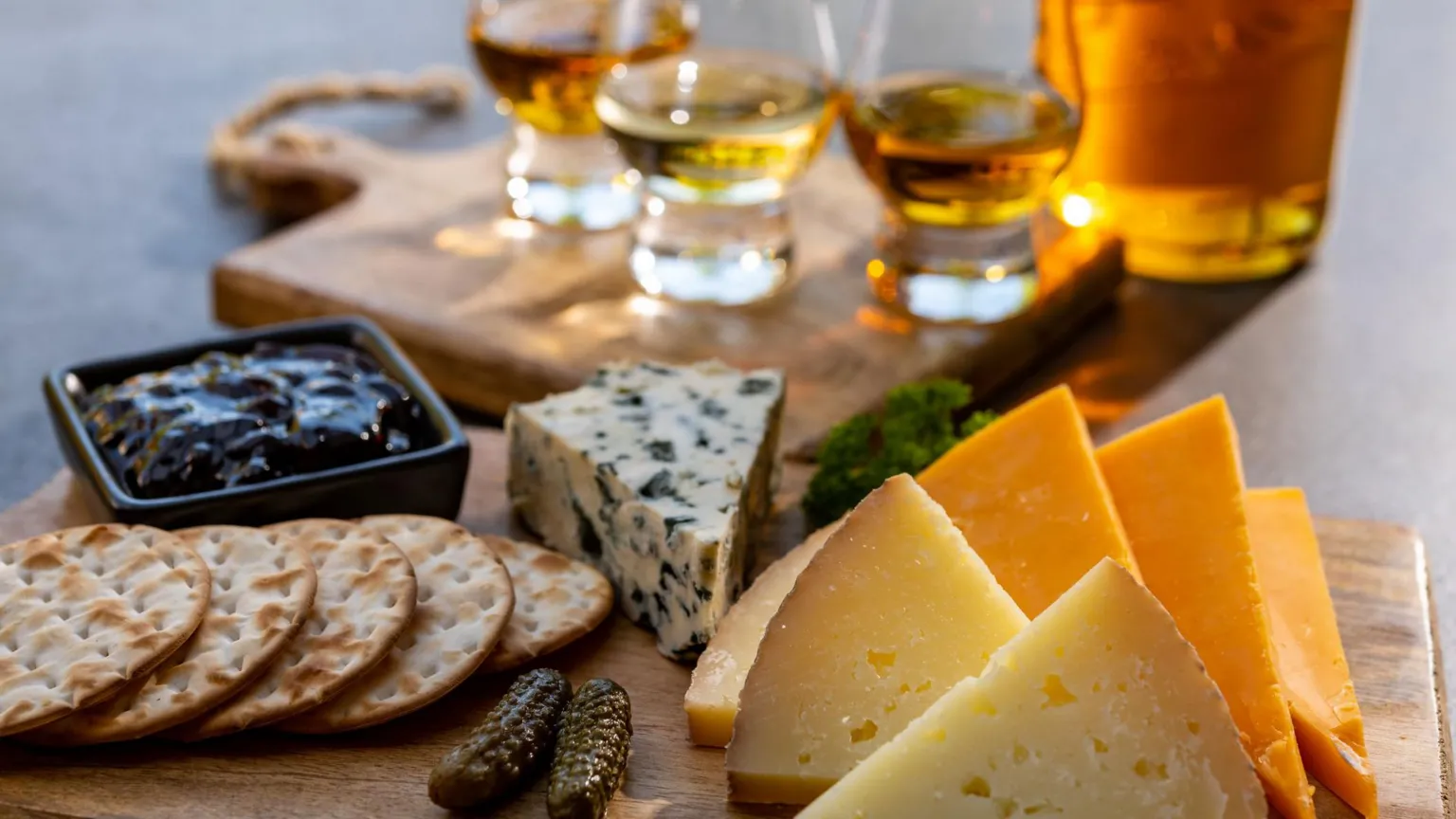
Today we have a lot of new cheese producers producing different styles of cheeses in the market,
he said.
So this is what I teach at the academy about the history and the heritage of Scottish cheeses.
Cheese as a Reflection of Terroir
Tanny compares the diversity in cheese flavors to that found in wine or whisky, noting that these products reflect their environments.
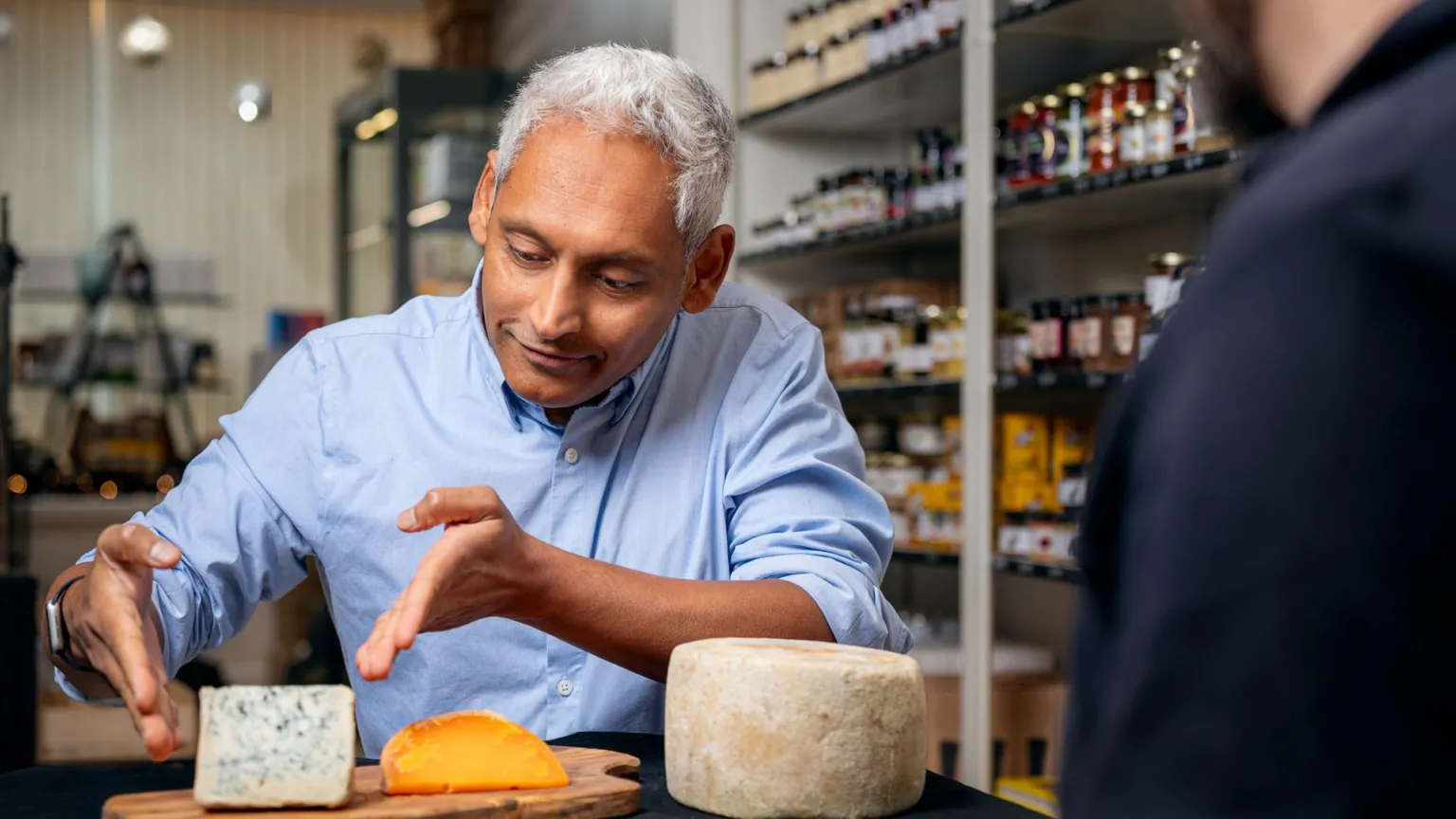
That variety, he admits, is a lot different to his home land where he said that there was only really one cheese to speak of - paneer.
You can cook with it and you can have it as a snack, fry it - it is very versatile, quite subtle.
That was my only experience with cheese before coming to Scotland.
I had no experience or understanding of cheese as such.
Support and Future Plans
The Scottish Cheese Academy recently became the 1,000th client supported by Business Gateway Scottish Borders since its partnership with South of Scotland Enterprise began.
Tanny expressed gratitude for their assistance, describing their support as "extremely helpful" in establishing his new business, which is only a few weeks old.
Currently, the academy operates as a one-man business, but Tanny hopes to expand in the future.
I will bring in more people, depending on how things progress,
he said.
This growth could lead to more graduates emerging from the Scottish Cheese Academy in the coming years.


