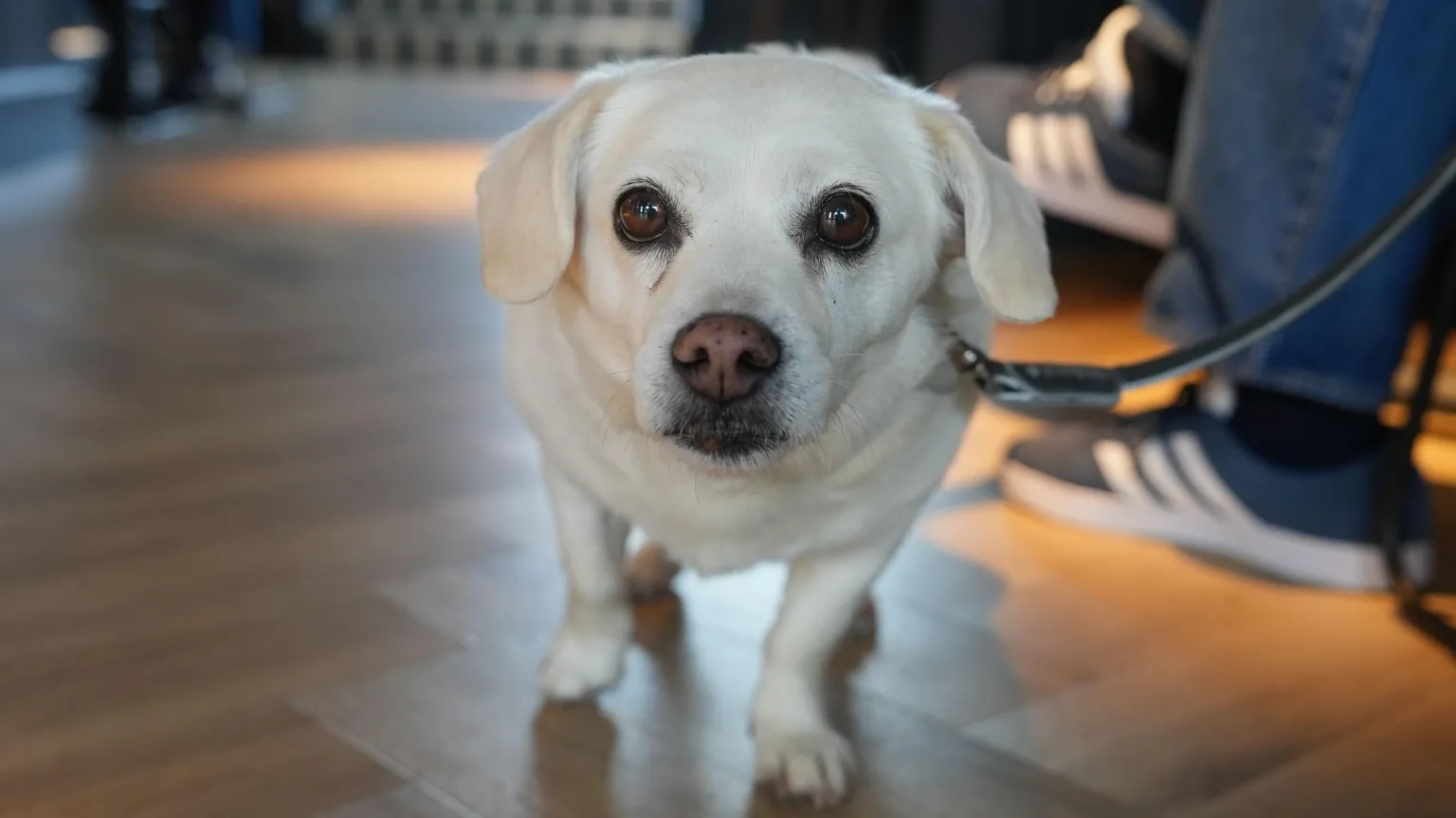
Growing Popularity of Dog-Friendly Venues
As pets increasingly become companions, the sound of paws is now a familiar backdrop when meeting friends for coffee. From independent cafes to major retailers and shopping centres, more businesses are welcoming dogs, including prominent brands such as Ikea, John Lewis, Zara, H&M, and Lush.
However, this rise in dog-friendly environments raises concerns for individuals allergic to dogs or those with cynophobia, an intense fear of dogs. Abi Wilson, 20, who suffers from cynophobia, expressed feeling "trapped" and now only ventures out on "special occasions" due to the scarcity of dog-free areas.
With offerings like puppacinos becoming as common as cappuccinos, questions arise about whether the UK is moving towards a fully dog-friendly society and what implications this has for those who do not share the same affection for dogs.
There are approximately 13.5 million pet dogs in the UK, with 36% of households owning at least one, according to the World Animal Foundation.
The Kennel Club reports that 72% of dog owners are more likely to visit restaurants, pubs, or cafes if their dog is welcome.
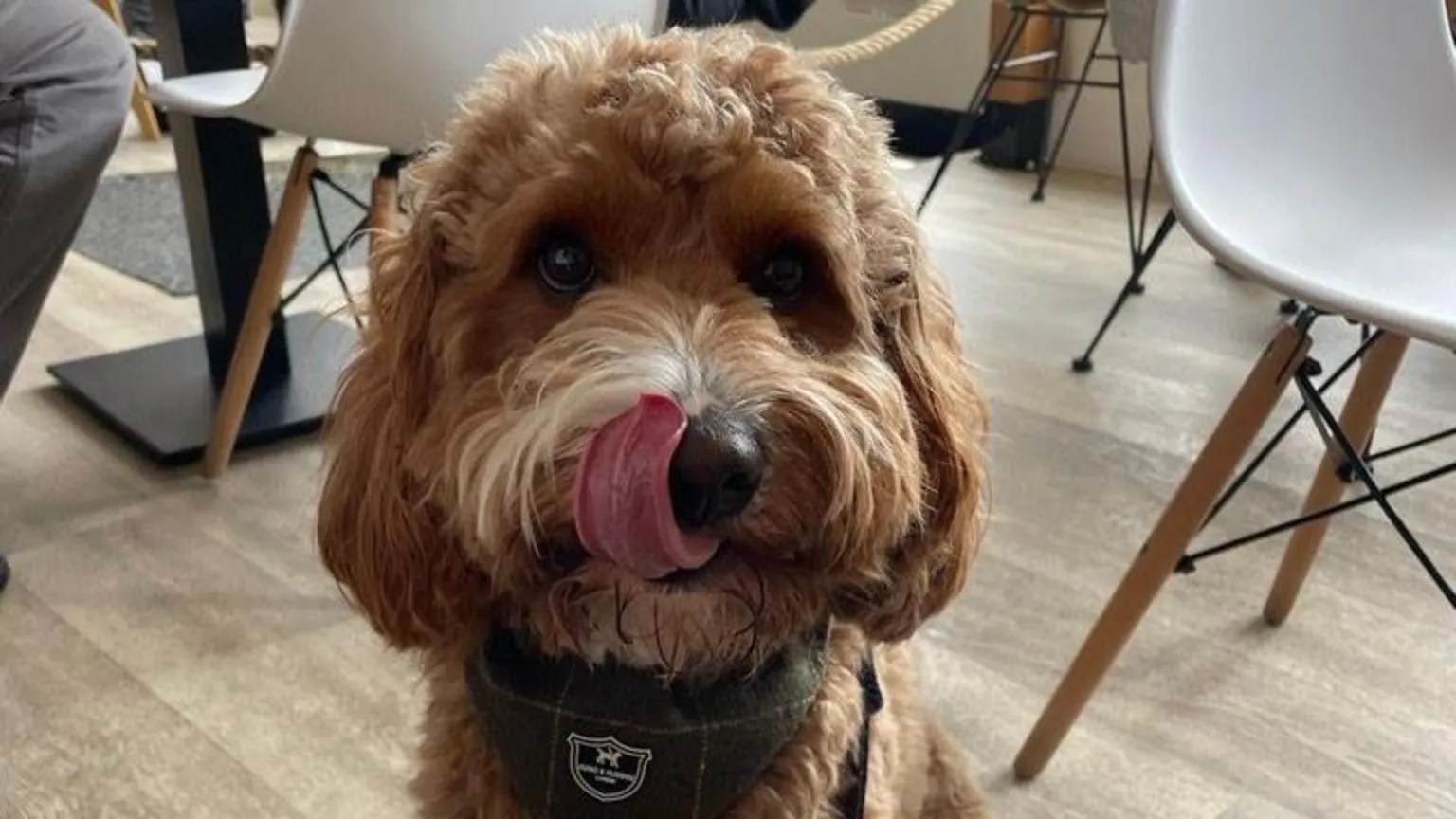
Big Dog Coffee: A Business Built Around Dogs
Huw Williams founded Big Dog Coffee in 2020 with the intention of creating a pet-friendly environment without hesitation. Starting in his hometown of Blackwood, South Wales, he has since expanded to Merthyr Tydfil and supplies coffee to various stores across Wales.
Huw got his first dog, a black Labrador named Clyde, during lockdown. He describes Clyde as a "symbol of home" and the inspiration behind his business.
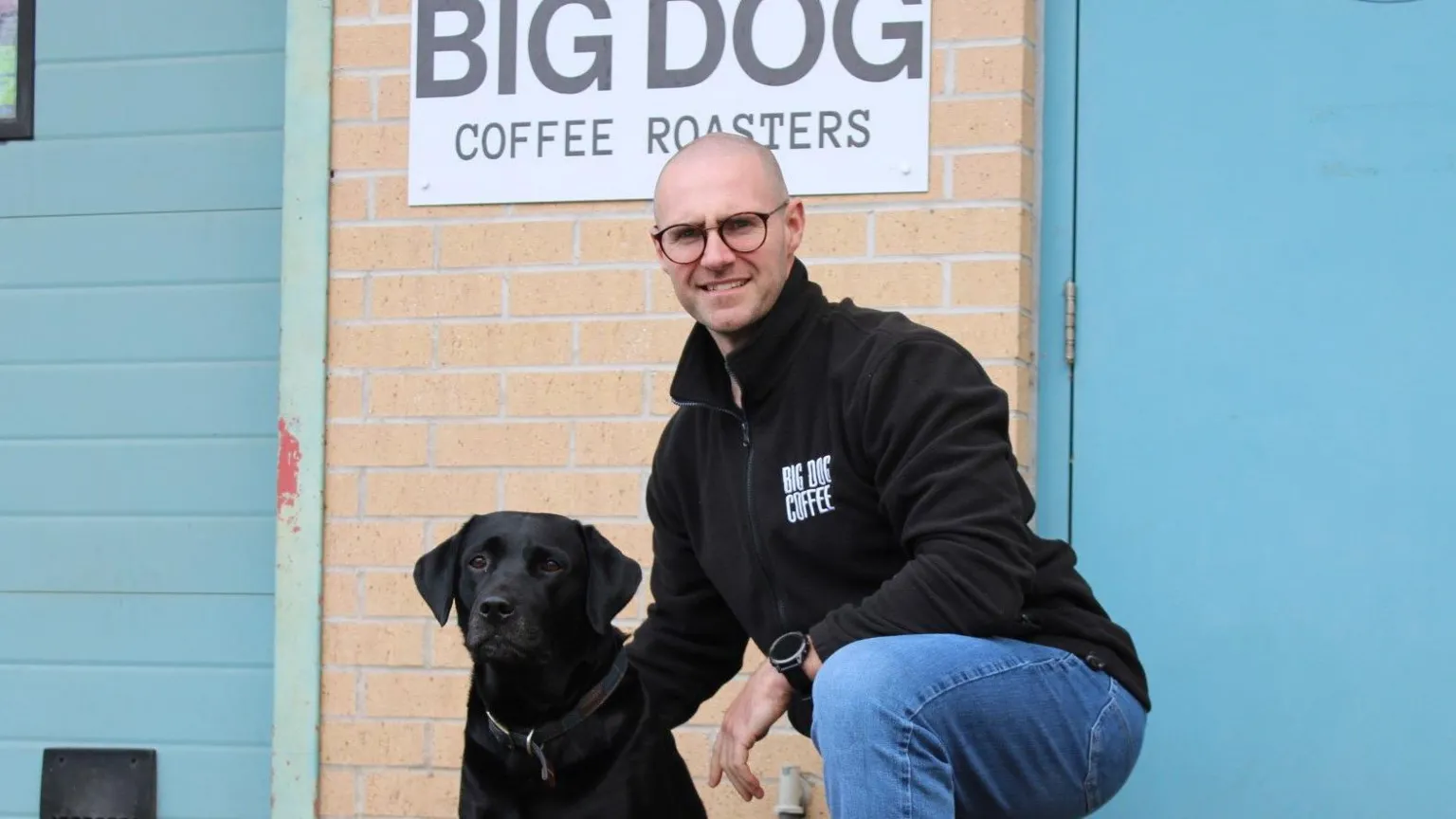
"It has never been a marketing ploy for me... but I never had any idea how much it would facilitate our business," Huw said.
"People want to take them everywhere, I'm looking to take Clyde on holidays with me soon. A dog is part of the family.
"People come for coffee, but end up socialising in the shop. Strangers talk to strangers, it is underpinned by the dogs."
Huw also emphasized inclusivity for those who are allergic or fearful of dogs, stating that dog owners are always reminded to keep their dogs on leads and off furniture, respecting others' comfort.
Living with Cynophobia in a Dog-Friendly World
Abi Wilson, from Evesham, Worcestershire, has lived with cynophobia her entire life and currently feels more "trapped and hopeless" than ever.
"I never go out unless I am 100% sure that a place does not allow dogs.
"With most shops and businesses now being dog friendly, I pretty much have nowhere to go."
Abi experiences overwhelming fear at the sight of a dog, even outdoors, which impairs her ability to think and causes her to avoid dogs at all costs, sometimes putting herself in harm's way to escape proximity.
Her symptoms begin as soon as she contemplates leaving the house, including constant vigilance, stress, nausea, and feeling on edge.

"I can never go into cafes, pubs, bars, small businesses, shops, some shopping centres.
"I can't even step out the front door to go to the car without feeling sick and sweating."
She only ventures out on special occasions and always verifies in advance if dogs are permitted. Abi also noted that many traditional "safe places" are becoming dog friendly without updating their online policies, and some venues allow dogs in specific areas.

Expectations for Dog Behaviour in Public Spaces
Vanessa Ward, a pet behaviourist from Tredegar, Blaenau Gwent, explained that dog training has evolved beyond basic commands to meet the high expectations for dogs to behave quietly in cafes and other public venues.
"There is a lot of pressure on the dogs to behave in those environments," Vanessa said, referring to distractions such as food, children, conversations, and other animals.
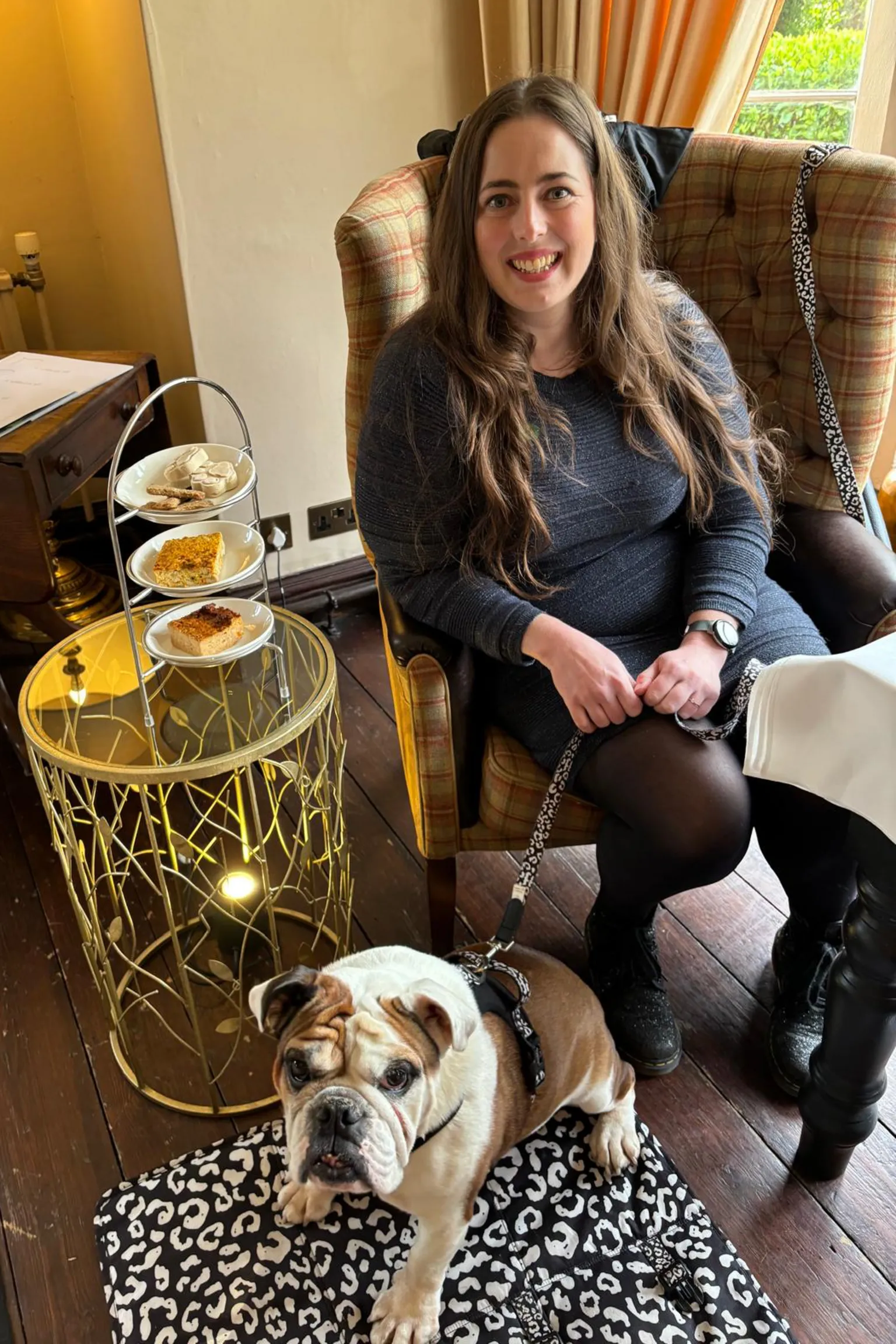
Vanessa takes her 10-year-old bulldog, Bear, to many places, including a fancy high tea where Bear had his own special meal.
"I've taken Bear for a fancy high tea - he had his own one," she laughed.
"But I am surprised some of the places which allow dogs in."
She acknowledged that while she enjoys bringing her dog everywhere, she understands that those who dislike or fear dogs may find such environments challenging.
Demand for Dog-Free Spaces and Support
As dog-friendly businesses increase, so does the demand for dog-free spaces. Several support groups provide guidance for individuals seeking to avoid dogs.
Abi began therapy for cynophobia at age eight, including cognitive behavioural therapy and hypnotherapy over five years, but was eventually told further treatment was not possible.
"Each time we applied for more therapy they immediately sent us away," she said.
Recently, Abi found a new doctor who has been supportive, prescribing medication and referring her for therapy, though she has been on a waiting list for over a year.
Abi advocates for businesses to clearly state their dog policies and for at least half of all establishments to provide dog-free environments. She also supports the introduction of dog licenses to ensure proper training for owners.
"I want to make it very clear that I do not dislike dogs. I do not have anything against dogs, I am just terrified of them. I cannot help that, yet I suffer because of it everyday now.
"And it just keeps getting worse and worse."