

New Call of Duty Game Revealed with Korean Peninsula Conflict
The upcoming Call of Duty installment, Modern Warfare 4, set for release on 23 October, centers its campaign around a fictional renewed conflict on the Korean Peninsula. The storyline follows South Korean soldiers as they confront a full-scale invasion by North Korean forces.
Dr Sarah Son, Senior Lecturer in Korean Studies at the University of Sheffield, noted the potential for controversy, stating that the game "could be controversial" as it "turns still-unresolved war into entertainment." However, some Korean players responded positively, with one describing Korea's inclusion in a major gaming franchise as a "symbolic moment."
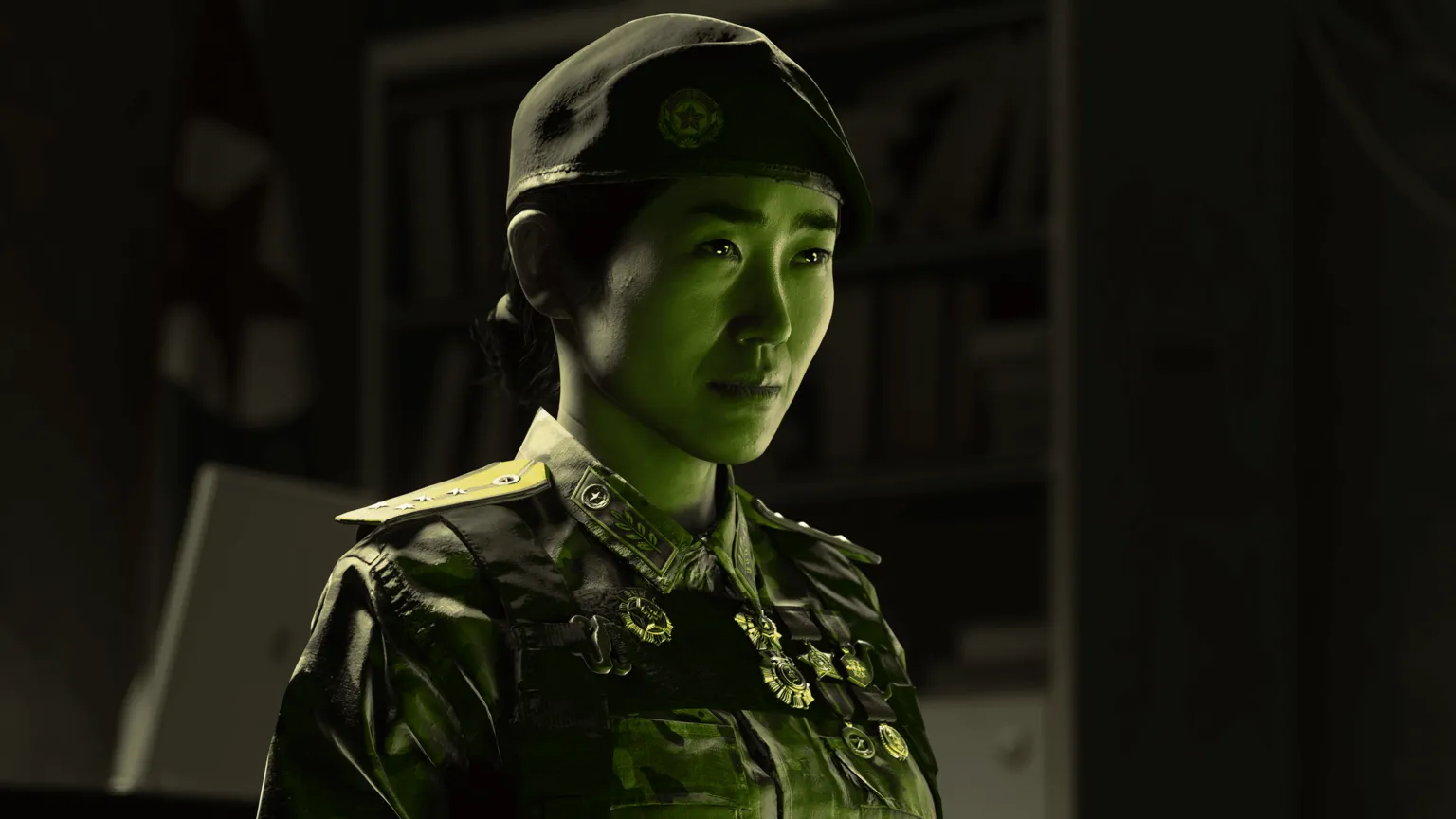
Developer Infinity Ward emphasized that the game will maintain the "military authenticity Modern Warfare is known for." Modern Warfare 4 will launch on current-generation consoles, PC, and the Nintendo Switch 2, marking the first mainline Call of Duty title to omit PlayStation 4 and Xbox One platforms.
The game’s trailer, which amassed nearly 22 million views within 24 hours of release, depicts a group of young South Korean conscripts on a routine patrol disrupted by a missile attack from North Korea, escalating into full-scale war.
Players will also reprise the role of fan-favorite Captain Price, who appears in missions across various cities alongside the Korean campaign.
The announcement of the new Call of Duty game has generated significant global attention, with posts about the title accumulating over three million interactions within 24 hours across social media platforms including Instagram, TikTok, X, and Facebook.
Among the reactions, some Korean players welcomed Infinity Ward's choice to portray the conflict from the perspective of ordinary South Korean soldiers caught in the war.
"The soldiers' faces and the atmosphere of the locations all have that familiar Korean feel, so I'm genuinely excited," said one.
"When I heard the rumour that the ROK Army would be in it, my immediate reaction was 'obviously just an extra...'," posted another.
"Then I heard they're not just present but one of the playable protagonists? And not even special forces, handled from the perspective of an ordinary conscripted soldier, that's what gets me."
Gameplay Innovations and Mult Overhaul
Beyond the campaign setting, Infinity Ward announced significant gameplay changes, including revamped movement mechanics and more interactive environments. The studio is also overhauling DMZ, its extraction-style mult mode, and introducing a new 'Frontlines' system designed to create more dynamic and reactive battles.
Historical Context and Previous Controversies
Modern Warfare has a history of courting controversy through storylines inspired by real-world events. Missions like "No Russian," which allowed players to shoot civilians in a Moscow airport, and depictions of war crimes and terrorism have sparked debate over the limits of realistic warfare portrayal in games.
Dr Son remarked that while renewed inter-Korean conflict is "not unheard of" in Korean popular culture, such narratives are typically told "from a South Korean perspective." She added, "A global gaming franchise might be judged differently."
The Korean War ended in an armistice rather than a peace treaty in 1953, meaning North and South Korea remain technically at war.
George Osborn, author of Power Play: Video Games, Politics and the Battle for Global Influence, told the BBC that the game's setting is "likely to attract scrutiny" in the region. He referenced previous games such as Homefront, which depicted a unified Korea under northern control and faced bans in South Korea.
"The studio will have to show that it has handled possible conflict in the country with great care, or face significant backlash – and possible challenges selling the game – in South Korea specifically," he added.
for our Tech Decoded newsletter to follow the world's top tech stories and trends. Outside the UK? here.



