

The Challenge Begins
In 1995, Wales launched an ambitious bid to the International Rugby Board, promising a purpose-built stadium with a minimum capacity of 70,000 and a retractable roof, all for £120 million and ready in time for the 1999 Rugby World Cup.
The challenge was significant: at that point, there were neither the financial resources nor the detailed plans to realize such a project.
The plan involved demolishing four buildings, creating new fan access via a river walkway, and navigating ongoing political and financial disputes.
Pat Thompson, the project manager tasked with overseeing this complex endeavor, described the process as "like trying to put on a duvet from inside the cover." Thirty years later, at 83 years old, he has recounted his experience in his upcoming book Make it Happen, set for release this autumn.
As a building and civil engineer for South Glamorgan County Council—which transitioned to Cardiff Council during the project—Pat was seconded to collaborate with the Welsh Rugby Union (WRU) on their joint bid.
"At first it sounded reasonably simple: We just had to build a bigger and more modern ground on the existing footprint of the old national stadium, with 50cm of extra land to play with," he explained.
"Then I spoke to chief planner Gerry Phillips and after one glance he said: 'It won't fit here, we're going to have to rotate it by 90 degrees'... It didn't get any easier from there."
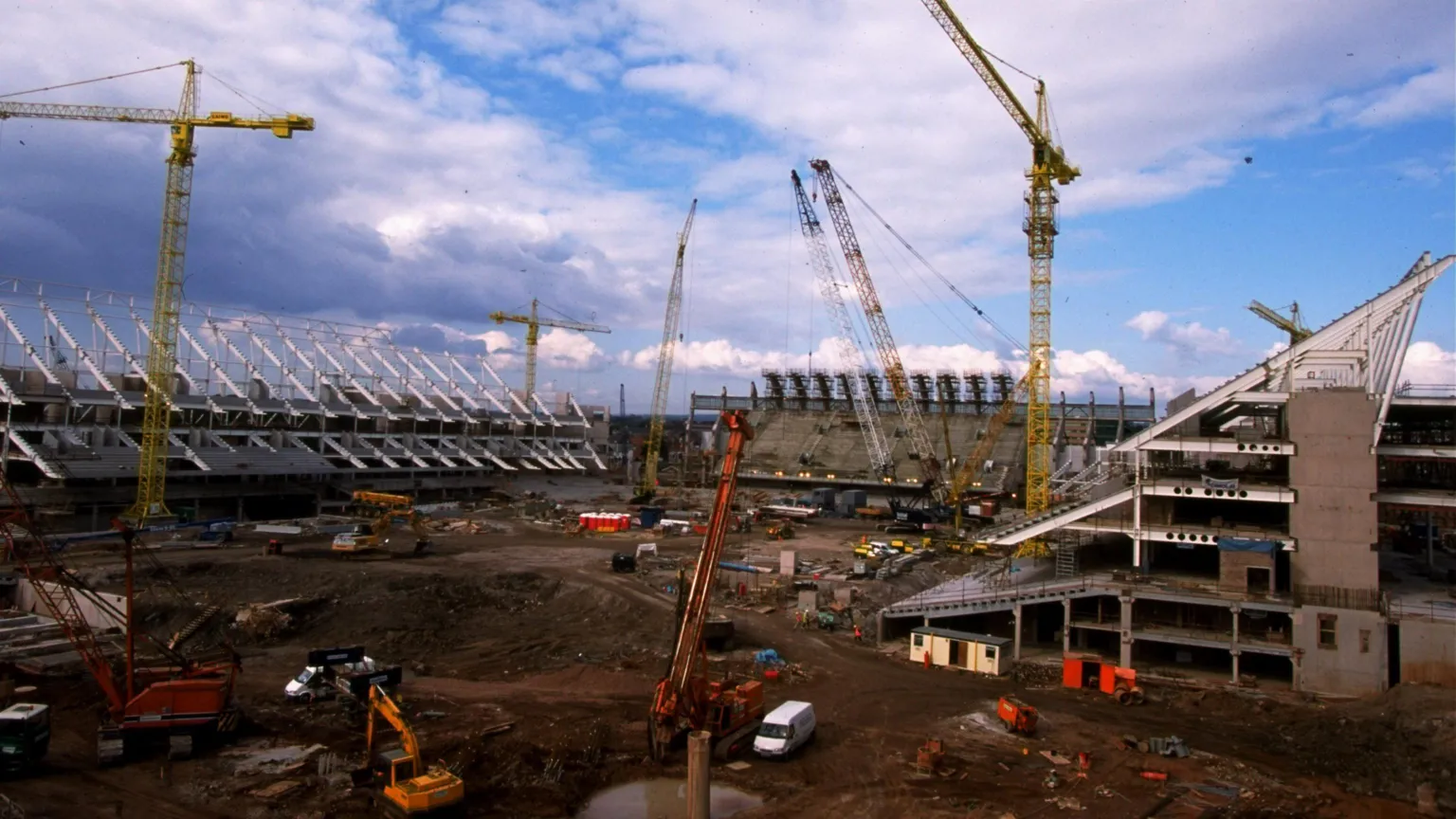
Adding to the complexity, all construction had to take place on a city centre site that could not be closed during building works.
"It was like trying to put on a duvet from inside the cover. All the heavy lifting had to be done from four massive cranes within the existing footprint so we didn't cripple traffic in the city centre," Pat said.
During this period, Glanmor Griffiths, then head of the WRU, and Russell Goodway, the city’s council leader, worked intensely to secure the necessary funds to pay contractors.
Construction and Financial Battles
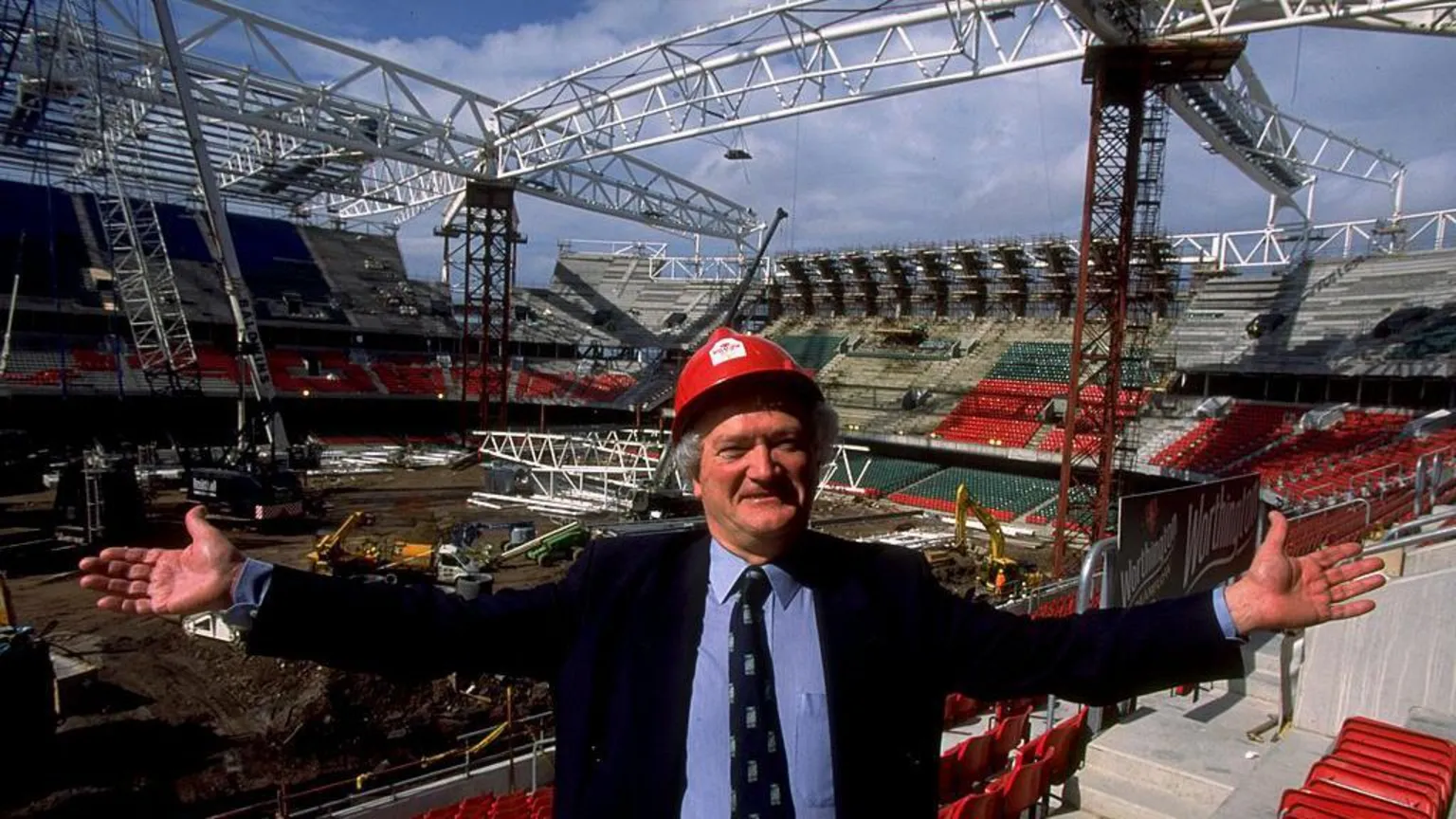
Although construction was initially scheduled to begin earlier, it only commenced in early 1998, two years after the intended start date.
The stadium's roof is supported by four massive pillars, while the stands are self-supporting structures; these elements had to be built to meet precisely in the middle.
At the same time, the WRU was engaged in a funding dispute with the proposed Wales Millennium Centre over Millennium Commission financing.

Both projects were eventually completed, but the order of their completion was uncertain during the late 1990s.
"Even after £54 million was secured from the government, it still needed match-funding from the WRU," Pat noted.
"Glanmor Griffiths horse traded between Midland Bank and Barclays, eventually securing the £70 million or so needed from Barclays," he added.
"The shortfall was met by the sale of £29 million worth of debenture seats in the, as-yet, theoretical stadium."
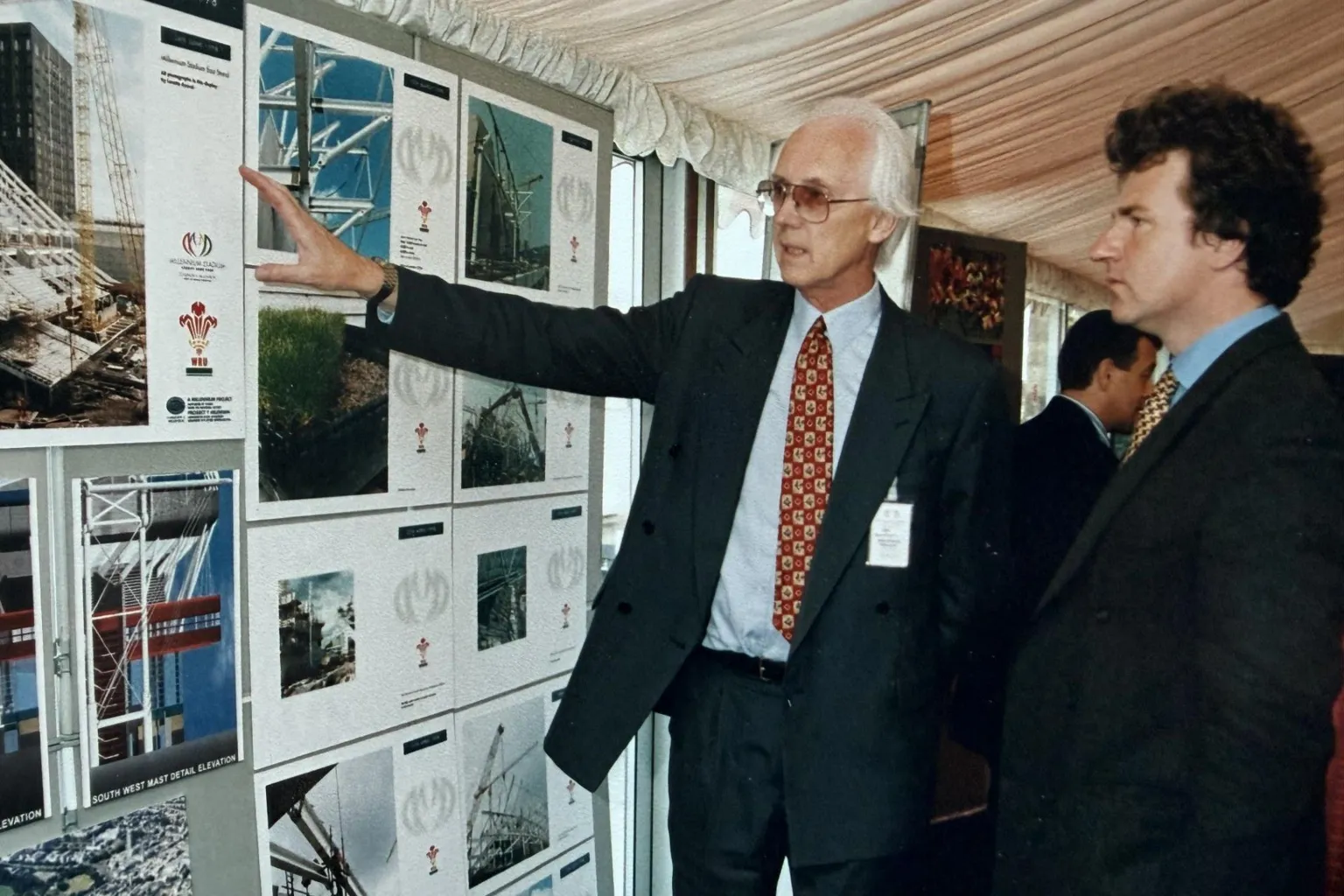
Pat’s primary responsibility at this stage was to ensure the purchase and demolition of the BT Exchange, Army Cadets barracks, and Empire Pool, which occupied the land required for the stadium.
"My name was dirt - we were getting rid of Cardiff icons which many people loved, but that was my job, if I hadn't have cleared the land then the stadium would never have been possible," he said.
Internal Obstacles and Design Compromises
Despite progress, an obstacle arose from within the rugby community itself.
To complete the stadium, a portion of Cardiff RFC's Cardiff Arms Park ground was needed. The WRU offered Cardiff RFC a new stand, a roof, and £1 million in compensation, but the club demanded at least £5 million.
"In the end Glanmor said 'sod them, we'll build the Millennium Stadium around them'," Pat recalled.
This resulted in a gap between the stands, known as "Glanmor's Gap," which remains visible today and protrudes into the footprint of the Principality Stadium like a hernia.
The roof’s supporting masts at that end had to lean at a more exaggerated angle than those at the opposite end because they could not be placed on Cardiff RFC’s land.
"I think that's one of my biggest regrets - if we could have done a deal on that land, we'd never have had Glanmor's Gap and the Millennium Stadium could have been one of the best in the world," Pat reflected.
Opening and Legacy
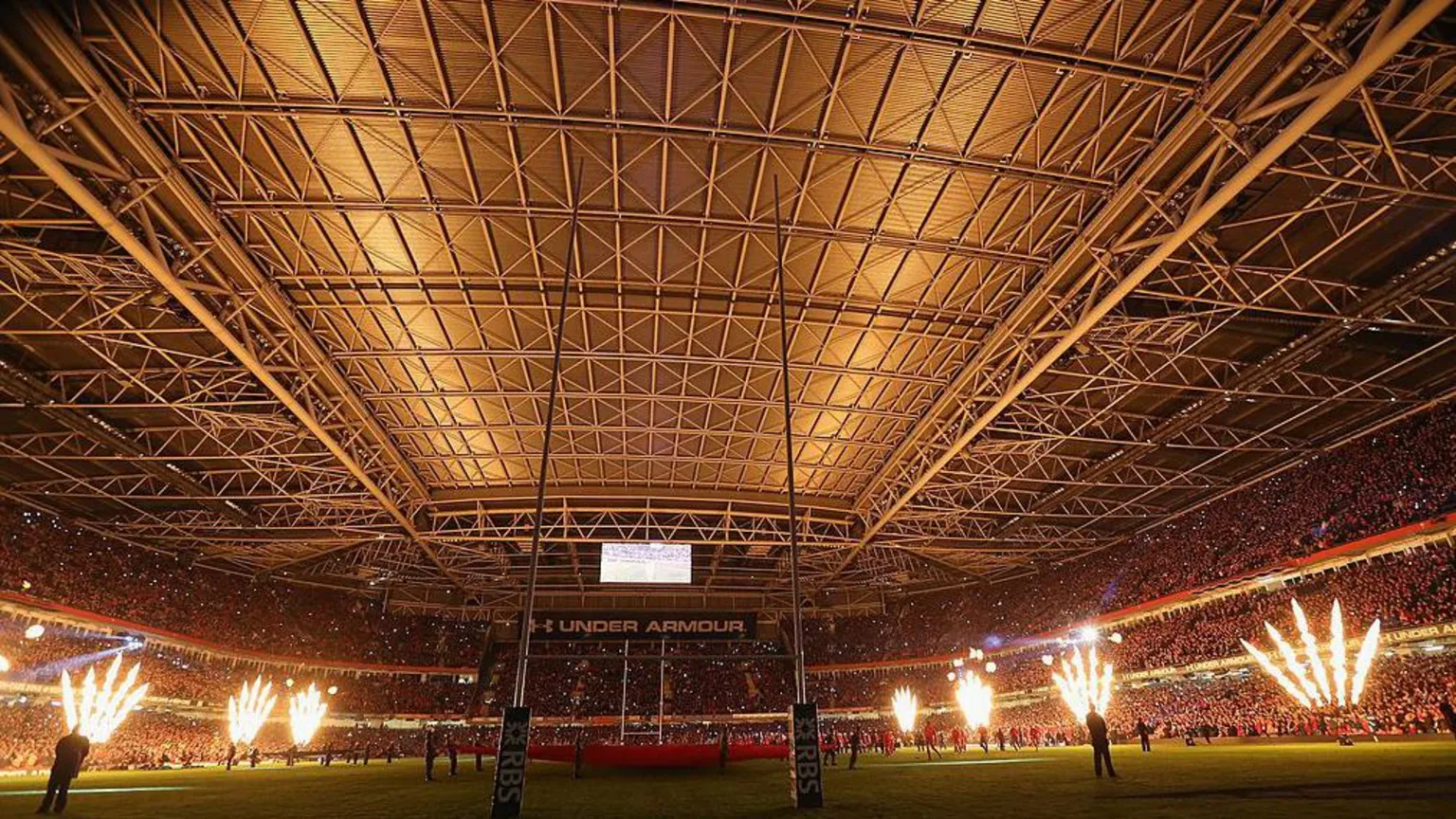
The first test event at the stadium occurred on 26 June 1999, with 29,000 spectators in attendance. Mark Taylor scored a try that helped Wales secure their first-ever victory over South Africa, winning 29-19.
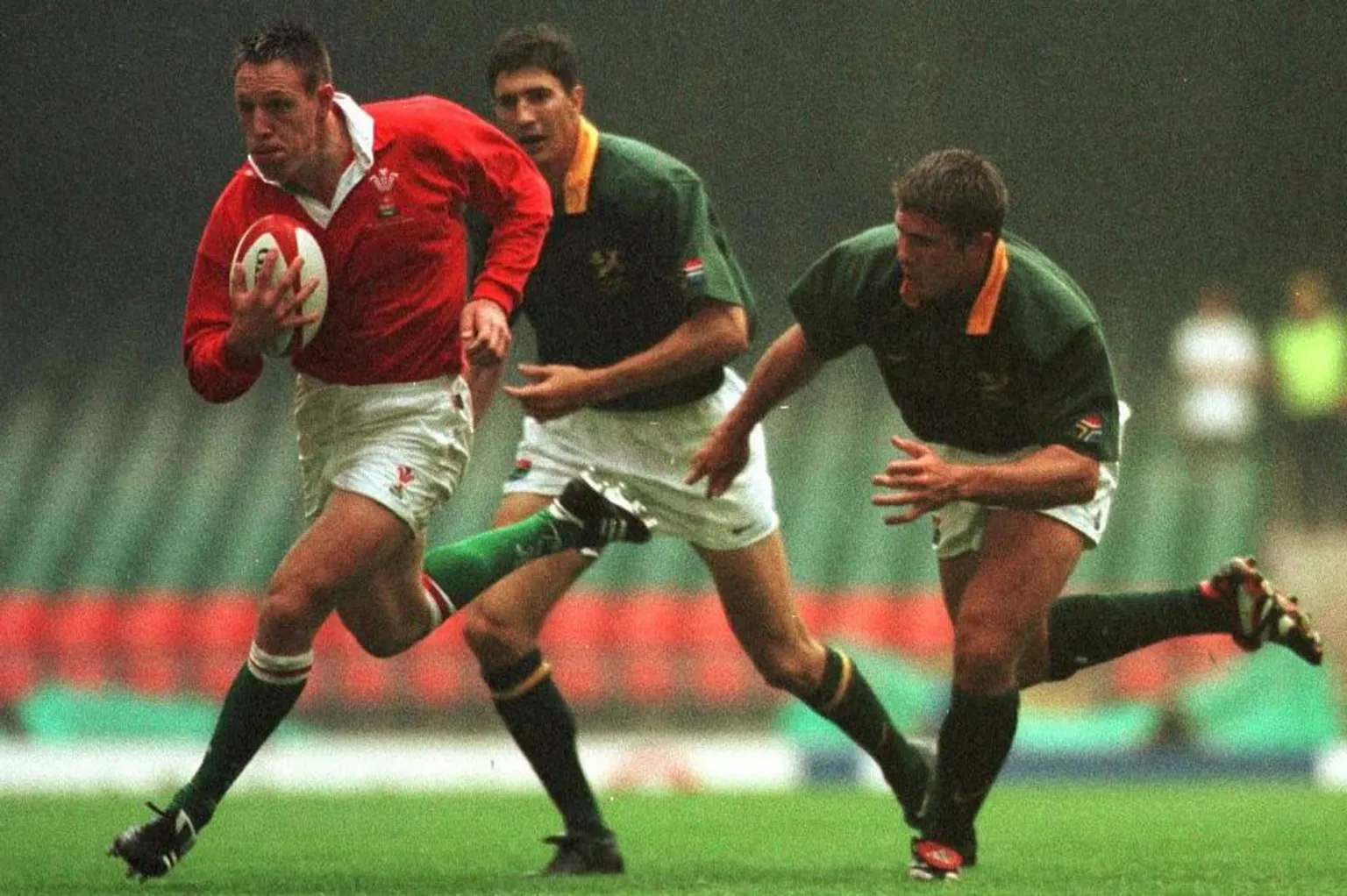
"It was a fortuitous win from my perspective," Pat said.
"The euphoria surrounding that match drew the media's attention away from the fact that we still had around 18 months worth of work to complete on the stadium in less than three months, before the World Cup opening ceremony in September."
The final stages of the project were equally demanding.
"Right until the final moment before the opening ceremony of the Rugby World Cup that autumn, we were waiting for our safety certificate to host 70,000 fans, installing seats and painting," Pat recounted.
Since its opening, the stadium has hosted numerous events beyond rugby, including FA Cup and Champions League finals, concerts by global stars such as Taylor Swift and Beyoncé, speedway and monster truck events, and even the national congress of Jehovah's Witnesses.
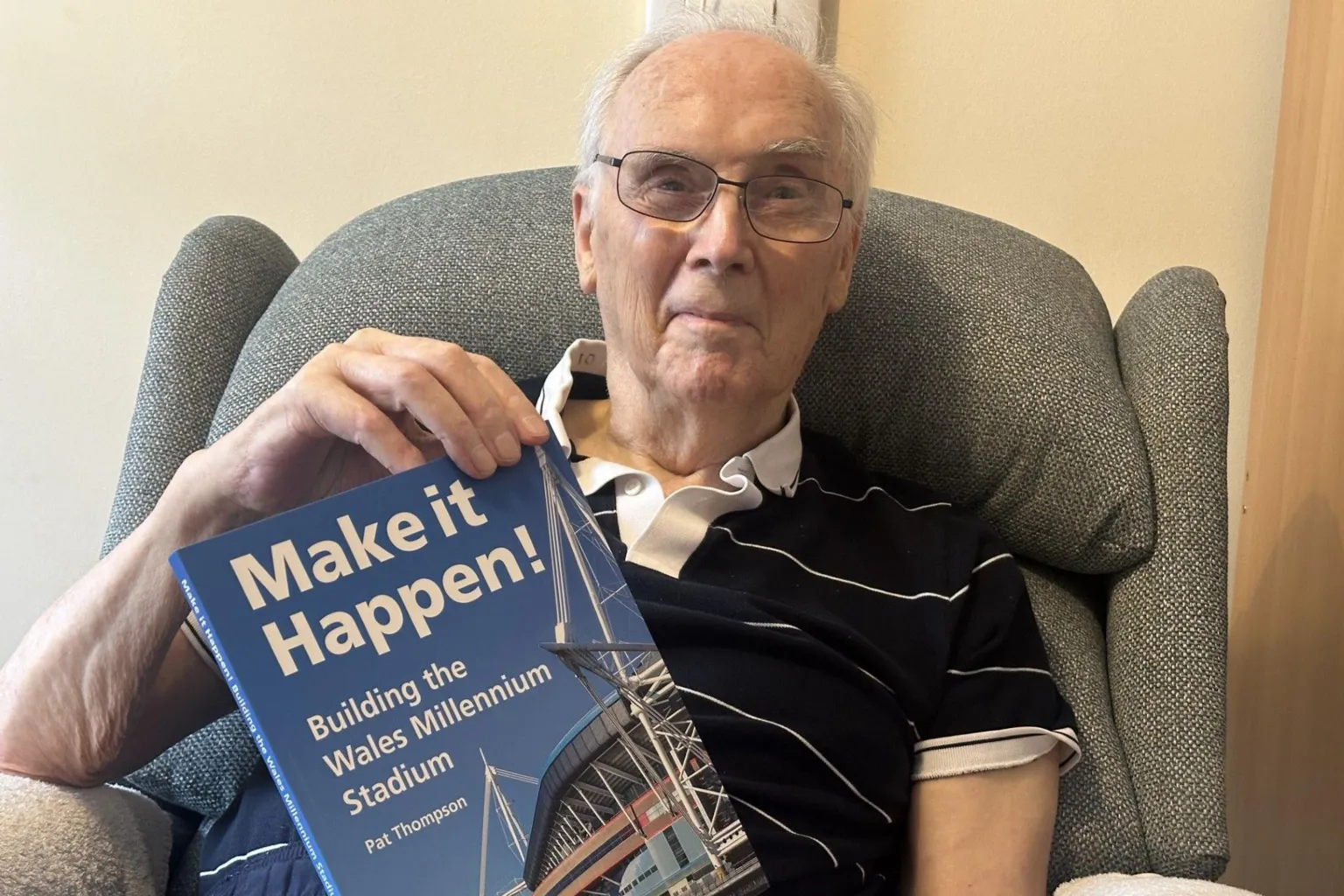
Reflections on a Career
Looking back on his extensive career, which also included engineering projects such as Cardiff's University Hospital of Wales, the Doctor Who Experience, and Roath Lock—the home of BBC Wales drama—Pat admits he regrets working excessively.
Now living in a care home in Penarth, just a few miles from the stadium, and coping with arthritis and Parkinson's disease, he shared personal reflections.
"I have three children, eight grandchildren and a great-granddaughter, and until ill health stopped me from working, I never spent enough time with any of them," he said.
"When I see my two-year-old great-granddaughter Amelia running around my care-home now, I wish I'd listened to my body earlier and called it a day before I turned 80."
"My family joke that both of us are unsteady on our feet and both need the loo at short notice, so that's the full circle of life."


