

Introduction
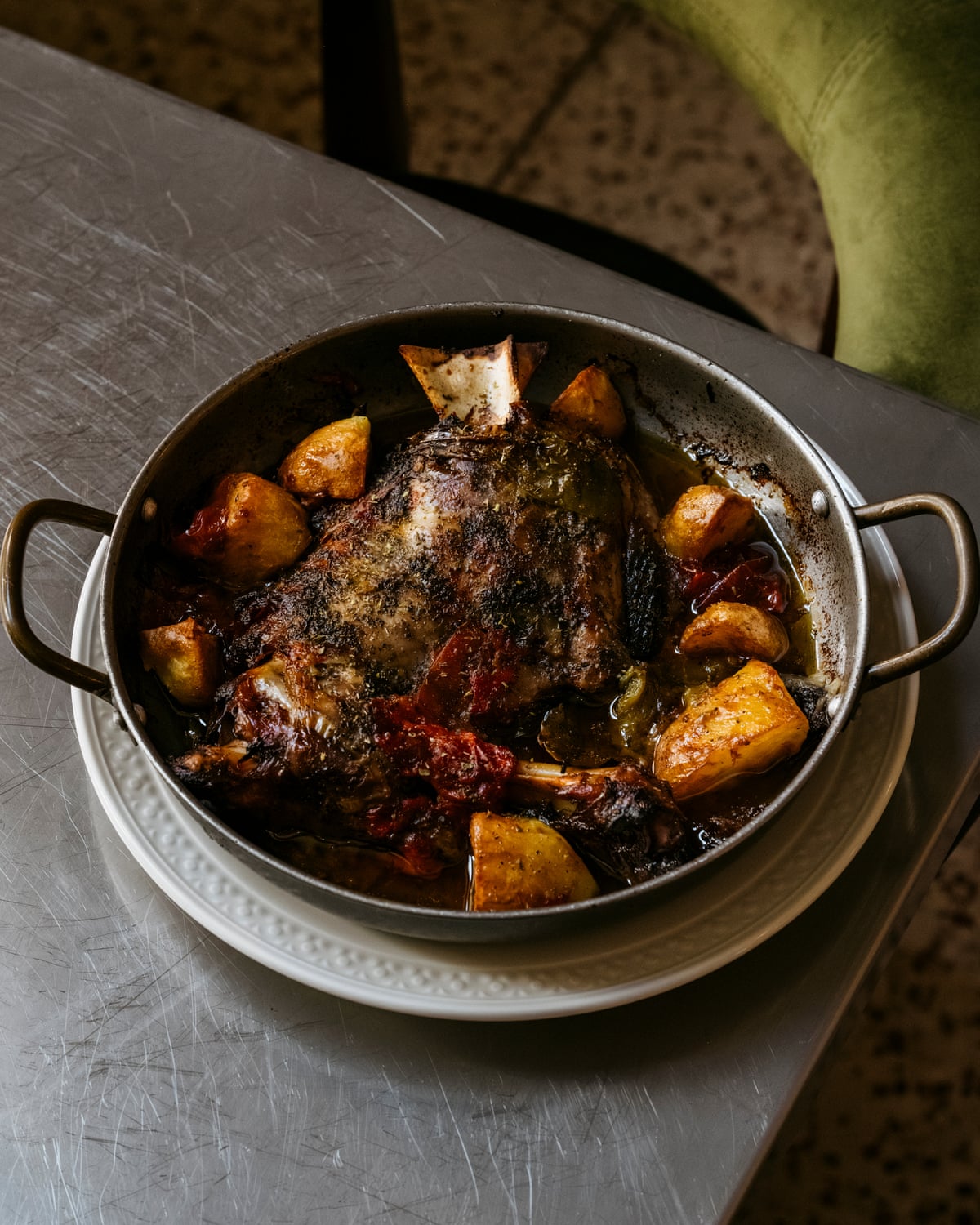
Although recently opened, Zylia in Covent Garden, London, exudes the atmosphere of a family-run taverna that has been part of the neighborhood for decades. This new Greek-Cypriot restaurant offers traditional dishes such as taramasalata, souvlaki, spanakopita, kleftiko, and kaimaki ice-cream, all served in a setting that is pale, modestly furnished, and intentionally homely in design. Despite its newness, Zylia feels like an established local spot, reminiscent of a taverna tucked away on a cobbled back street, where a 98-year-old grandmother might be washing dishes, a one-eared dog waits patiently for lamb scraps, and the restroom doubles as a storage space for cleaning supplies and hundreds of tins of olives.
Of course, Zylia does not actually have these quaint features. Its authentic ambiance results from clever interior design combined with a carefully curated menu. This is unsurprising given the involvement of chef Leon Molyviatis and hospitality veteran George Karacostas. Molyviatis is known for his association with Thai cuisine, having been head chef at Som Saa and involved in the revamped, highly regarded Som Saa Shoreditch. Karacostas has recently collaborated with Arcade, a growing chain of London-based food halls. Zylia’s connection to Arcade is unique: it has its own entrance, brick walls, website, and distinct identity, making it both part of Arcade and separate from it. Exiting Zylia into Arcade’s facilities is akin to stepping from a sun-drenched alley in Kefalonia into a richly appointed hotel lobby with wood finishes and leather banquettes.
The Modern Hospitality Landscape
This Arcade and Zylia collaboration exemplifies the evolving nature of contemporary hospitality. A decade ago, venues like Kerb and numerous street-food concepts suggested that traditional brick-and-mortar dining was outdated. The trend favored open-plan spaces with wooden benches, informal ordering, and minimal service, often resulting in chaotic queues and buzzer systems. However, by 2026, upscale food halls such as Arcade have become more polished and formal than traditional establishments like The Ivy. They are now creating distinct spaces with brick partitions and unique identities, effectively functioning as standalone restaurants.
Regardless of the format, sustaining operations in the current challenging economic climate is crucial. Zylia offers an inviting environment to enjoy Greek-Cypriot cuisine, presenting a menu that draws from both Greek and Cypriot culinary traditions across its mezedakia, salads, grills, specials, and desserts.
Menu Highlights
The mezedakia, or small plates, stand out as particular strengths. Karacostas’ mother’s recipe for taramosalata, a whipped cod’s roe dip served with cracked carob rusk, is exceptionally light and bright with citrus notes. Other dips include melitzanosalata, a coal-roasted aubergine spread topped with sweet peppers, and a yoghurt and feta blend accented with roasted chili. A bottle of Three Bowls assyrtiko pairs well with these dishes.

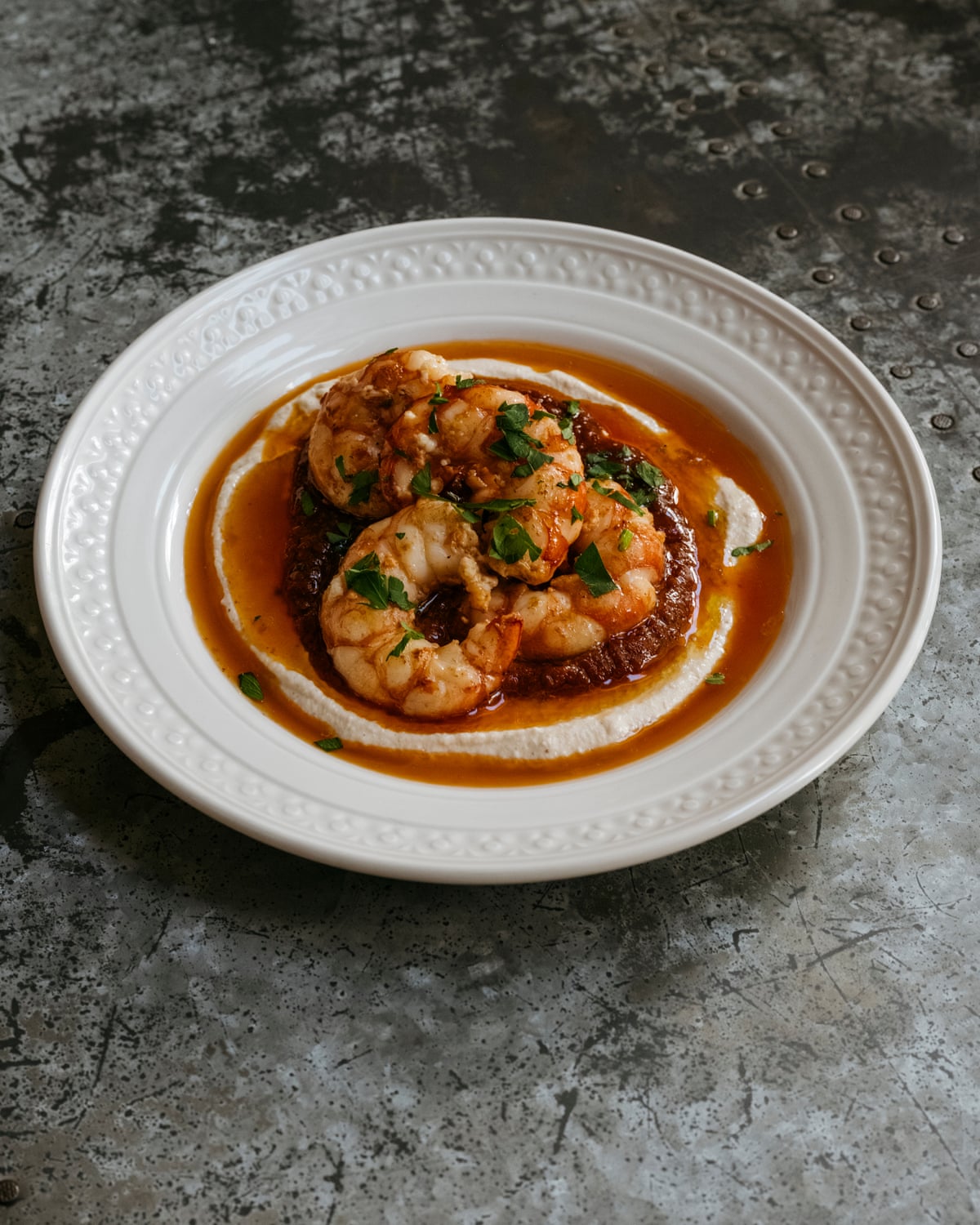
The "spanakopita stack," composed of hand-stretched filo layered with leek, spinach, and soft feta, might benefit from a touch more acidity. However, the wild prawn saganaki, served in a spiced tomato, yoghurt, and tahini sauce, is outstanding and so flavorful that extra bread was requested to savor every bite.
Zylia does not attempt to reinvent Greek-Cypriot cuisine through deconstruction or modernist techniques such as foams and smears. Instead, it offers traditional dishes like plump sheftalia—Cypriot pork sausages wrapped in caul fat and served with raw onion, parsley, and sumac—and sharing plates of high-quality lamb chops seasoned with oregano, salt, and lemon. The chicken souvlakia, while generally well-prepared, could have benefited from additional time on the grill.
Dessert
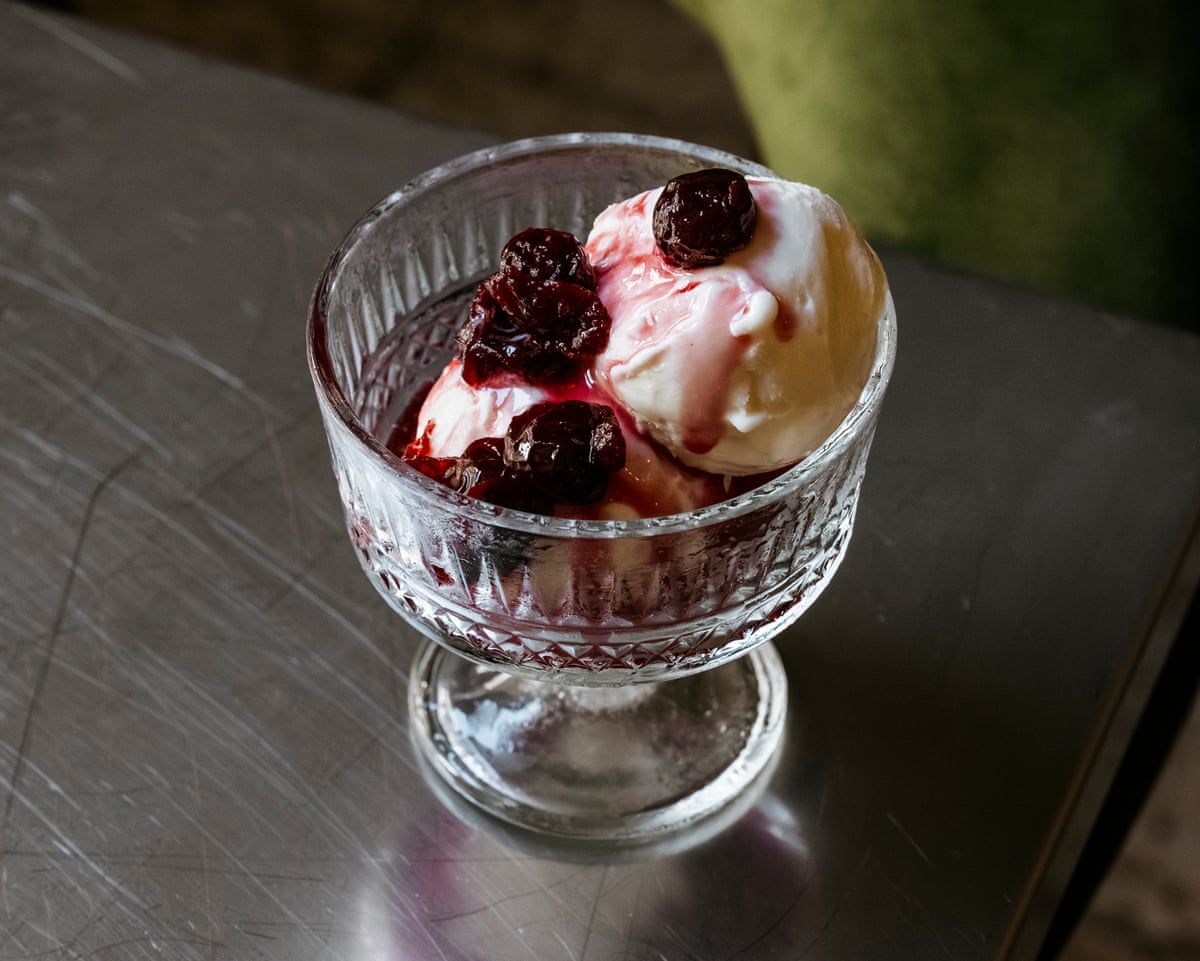
There is only one dessert option, which the reviewer humorously refers to as the "bugger off pudding," implying both the restaurant and the reviewer’s waistline might have preferred it unchosen. This dessert is a softly chewy, slightly bitter, and very good kaimaki ice-cream made with mastic from Chios and wild orchid root salep. It is accompanied by a thick, dark, intensely tart sour cherry preserve.
Conclusion
Zylia is a new, lively, and soulful addition to London’s dining scene. While it is not yet perfect, having opened only a few weeks prior to the review, it has a solid foundation and an accessible menu likely to appeal to tourists and locals alike. Classic dishes such as tzatziki, grilled halloumi, and authentic Greek salad are sure crowd-pleasers. The hospitality is warm, and the ambition behind the venture is clear.
As the chimes of doom for sit-down restaurants clang loudly and daily, here are Molyviatis and Karacostas doing cheerful dining with the occasional frill. If this is the future of food halls, then I’m interested.
Located at 6 Bedford Street, London WC2, Zylia is open all week: Monday to Friday for lunch from noon to 3pm and dinner from 6 to 11pm; Saturday from noon to 11pm; and Sunday from noon to 9pm. Prices start at approximately £45 per person, excluding drinks and service.


