

Reform UK’s Manifesto on Welsh Museums
Reform UK’s manifesto for the upcoming Senedd election outlines the party’s intention to direct how Welsh museums present history if it gains power. The manifesto states that museums will be required to display historical events in chronological order and provide context.
The party emphasizes that publicly funded institutions should "reflect the full breadth of Welsh history and culture rather than narrow or exclusionary narratives."
These proposals have raised concerns among museum representatives across the UK, who stress the importance of maintaining curatorial independence from government influence. Additionally, a union representing museum workers has argued that decisions on how collections are presented should be made by experts and the public, not politicians.
Reform UK criticized what it perceives as some public spaces presenting divisive historical perspectives. The party specifically referenced Museum Wales’ 2021 initiative to "decolonise" its collection.
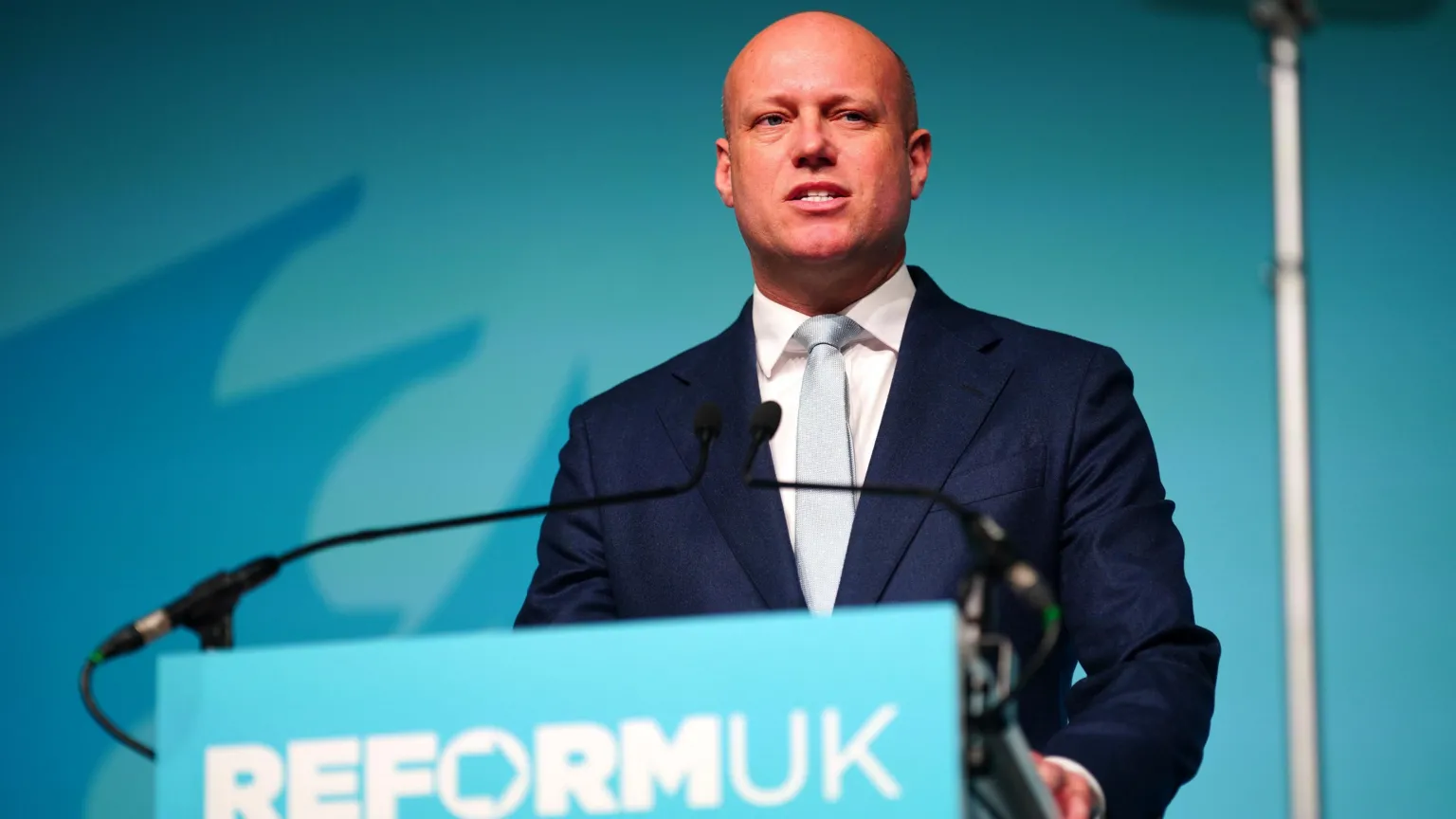
Reform’s Wales leader, Dan Thomas, has denied that museums would face funding cuts as a result of these manifesto pledges.
The Welsh government currently funds a network of museums through Amgueddfa Cymru/Museum Wales, which includes sites such as the Big Pit mining museum in Blaenavon and the National Museum Cardiff located in Cathays Park.
Amgueddfa Cymru has experienced financial challenges in recent years. Notably, St Fagans National Museum of History in Cardiff does not arrange its outdoor exhibits in chronological order.
Reform’s manifesto commits to "restore evidence-led history." It states: "Publicly funded museums, heritage bodies, and interpretation sites will present history chronologically and in context, with clarity about cause and consequence."
While the manifesto does not specify which organisations would be affected, the Welsh government oversees Cadw, the Welsh heritage body responsible for managing historic monuments such as Caerphilly Castle and Caernarfon Castle.
The party also pledges to "support modernisation" and "financial sustainability" for museums, while ensuring that publicly funded institutions represent the full diversity of Welsh history and culture rather than limited or exclusionary narratives.
Independence from Government Influence Considered Vital
The Museum Association, which includes Museum Wales as a member, expressed concern regarding Reform UK’s manifesto proposals. It stated:

"We are concerned that Reform UK's Manifesto for Wales appears to suggest that, if elected, they would seek to control how museums interpret history.
It is vital that curatorial decisions are independent from government influence.
Instead, museums should encourage active public participation in decision-making including through co-producing exhibitions with communities."
Prospect, the union representing several hundred workers across Cadw and Museum Wales, also commented. It said that heritage workers are experts who should determine how cultural institutions present their collections. The union added:
"It is unclear what Reform politicians think this kind of change would achieve, but for a party which claims to favour minimal state interference it is baffling that they think politicians should dictate the content and presentation of an exhibition."
A spokesperson for Reform UK responded:
"Too often some public spaces are presenting divisive views of history that are designed to make people feel guilty.
For example, the former Museums Wales chief's 'decolonisation strategy' was one of the organisation's top priorities.
We think there is much in British and Welsh history to be proud of - those things should be celebrated."
The museum’s 2021 charter for "decolonising" its collection aimed to "confront history" and "challenge present-day injustices." The organisation acknowledged that:
"Museums and their collections are often rooted in colonialism and racism – Amgueddfa Cymru is no different."
The charter explained that "decolonising the collection means giving clear and explicit information to audiences on the history of objects and how they were collected."
At a Senedd committee meeting in 2021, former chief executive David Anderson described the strategy as one of the organisation’s "top priorities."
A spokesperson for Museum Wales stated:
"Amgueddfa Cymru exists to help people understand Wales' history in all its richness and complexity.
Our role is to present a range of perspectives and experiences to allow people to create a better understanding of the past, its impact on the present, and how it can help us shape our futures together.
Across our seven museums, we provide trusted, independent spaces at the heart of communities – places that belong to everyone, where learning, reflection and pride can sit alongside honest exploration of history in all its forms."
Reform Leader Comments on Historical Narratives
Reform Wales leader Dan Thomas told BBC Wales that some museums present a "very niche view" of history, focusing on topics such as slavery without providing the full context that the British Empire was the first to abolish slavery, a fact he said other countries have not matched for millennia.
He stated:
"So if they want to talk about narratives around historical facts, I think they should have the full narrative."
Thomas did not specify which museums he was referring to.
When asked whether he would cut funding to museums over these issues, he replied:
"I don't think we'll get to that stage.
We'll have a chat with them and see."
Political Reactions
Plaid Cymru’s Heledd Fychan criticized Reform UK’s proposals, accusing the party of wanting to "dictate how museums operate in Wales and how they present our nation’s history." She described the prospect as "frightening" and emphasized:
“The autonomy of our national museums is what makes them such trusted institutions and no political party should be able to censor or threaten them in this way."



