

Reform UK Plans to Guide Museums on Historical Displays if Elected
Reform UK claims that "some public venues present divisive views of history." The party pledges to instruct museums on how to display history, emphasizing chronological order and contextual presentation, should they win the Senedd election.
In their manifesto, Reform UK promises to ensure publicly funded institutions "reflect the full breadth of Welsh history and culture rather than a narrow or exclusionary narrative."
These commitments have raised concerns from the UK museums representative body, which stresses the importance of curators remaining free from government interference.
A union representing museum workers stated that the public should decide how collections are presented.
'Essential That Decisions Remain Independent of Government Influence'
Reform UK alleges that "some public venues present divisive historical perspectives," citing National Museum Wales's 2021 attempt to "decolonise" its collections.
A spokesperson for National Museum Wales said their role is "to help people understand Welsh history in all its richness and complexity."
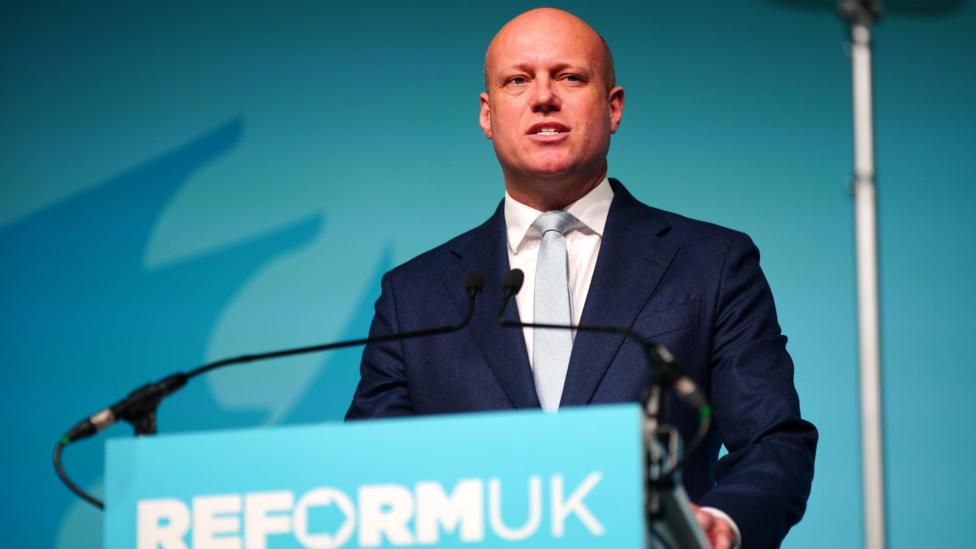
However, Reform UK's Wales leader, Dan Thomas, denied that museums would lose funding as a result of these promises.
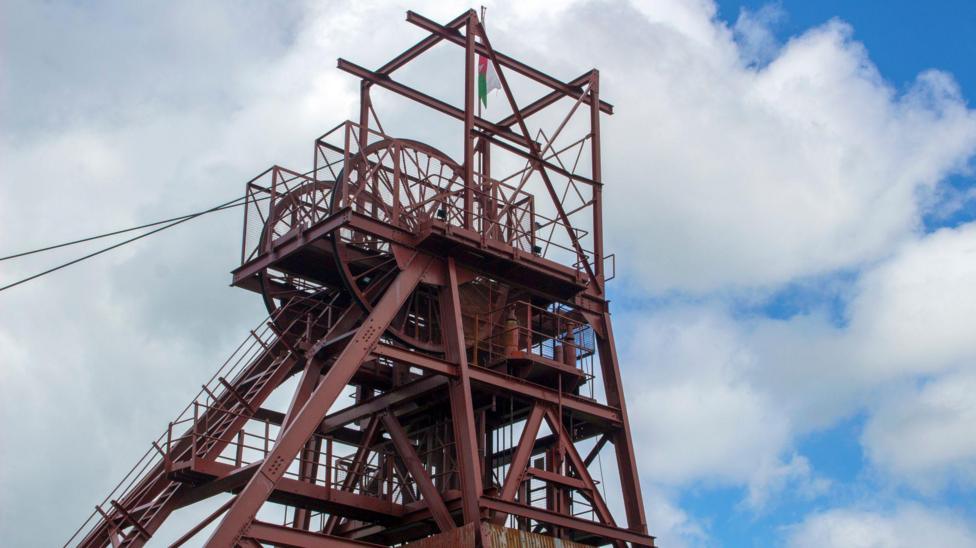
The Welsh Government funds a network of sites through National Museum Wales, including the Big Pit coal museum in Blaenafon, the Slate Museum in Llanberis, and the National Museum Cardiff.
The Welsh Government also funds Cadw, the heritage body responsible for protecting many Welsh castles.
Reform UK's manifesto states the party would "restore history based on evidence."
It adds that "museums, heritage bodies, and interpretation sites receiving public funding will present history chronologically and in context, with clarity regarding causes and consequences."
The party says it would "support modernisation" and "financial sustainability" for museums but insists that "publicly funded institutions reflect the full breadth of Welsh history and culture rather than a narrow or exclusionary narrative."
Dan Thomas, Reform Wales leader, denies museums would lose funding due to these pledges.
The Museums Association said:
"We are concerned that Reform UK's manifesto for Wales suggests that, if elected, they would seek to control how museums interpret history. It is essential that curatorial decisions remain independent of government influence. Instead, museums should encourage active public participation in decision-making, including co-producing exhibitions with communities."
Prospect, representing hundreds of workers across Cadw and National Museum Wales, said their members "are experts in their fields and should decide how cultural institutions present their collections."

"It is unclear what Reform politicians believe such changes would achieve, but for a party claiming to support less state interference, it is confusing that they think politicians should decide exhibition content and presentation."
A Reform spokesperson said:
"Too often some public venues present historical perspectives designed to make people feel guilty. For example, the 'decolonisation strategy' of the former head of National Museums Wales was one of the institution's key priorities. We believe there is much in British and Welsh history to be proud of and that should be celebrated."
The museum's aim in "decolonising" its collections was to "face history" and "challenge present injustices."
"Museum collections are often rooted in colonialism and racism – National Museum Wales is no exception," the institution said at the time. This involved "providing clear information to audiences about the history of objects and how they were collected."
A National Museum Wales spokesperson said:
"National Museum Wales exists to help people understand Welsh history in all its richness and complexity. Our role is to present a range of perspectives and experiences to allow people to develop a better understanding of the past, its impact on the present, and how it can help us shape our future together. Across our seven museums, we provide reliable, independent spaces at the heart of communities – places that belong to everyone, where learning, reflection, and pride sit alongside honest exploration of history in all its forms."
Modern browsers with JavaScript and a stable internet connection are required to view these interactive elements. More information about upcoming elections (opens in a new browser tab).
Where Can I Vote in My Area?
To provide information about elections in your area, the BBC collaborates with the Electoral Commission and sends your personal data to them. Privacy Notice (opens in a new browser tab).
Enter your full residential postcode in Wales to find out.
There is currently a problem with the service. Please try again later.
Reform leader Dan Thomas said some museums "take a very niche view of our past focusing on slavery, without presenting the full picture that the British Empire was the first to abolish slavery, and that other countries had practiced it for thousands of years."
"So if they want to discuss the narrative around historical facts, I believe they should present the full narrative."
When asked if funding would be withdrawn from museums as a result, he said, "I don't think we'll reach that point. We will have a conversation with them and see."
Follow Cymru Fyw on Facebook, X, Instagram, or TikTok.
Send any story ideas to cymrufyw@bbc.co.uk or contact via WhatsApp on 07709850033.
for the latest from Wales on your mobile device.
Relevant Stories
- Fake manifesto amid pre-election misinformation
- What can we learn about social media by creating six fake profiles?
- Election 2026: What is my constituency and who are the candidates?


