

Plans Submitted to Convert Former Armenian Restaurant in Edinburgh
Proposals have been submitted to the City of Edinburgh Council to transform a distinctive and enigmatic former Armenian restaurant into a short-term let business.
The Aghtamar Lake Van Monastery in Exile gained cult status after its opening in 1979, largely due to its unconventional and secretive owner, as well as its bohemian all-night banquets.
The building, which is B-listed and was formerly a police station, is located just a short distance from Holyrood Palace and the Scottish Parliament. It ceased operations in 2011 and remained vacant for over ten years before being purchased last year.
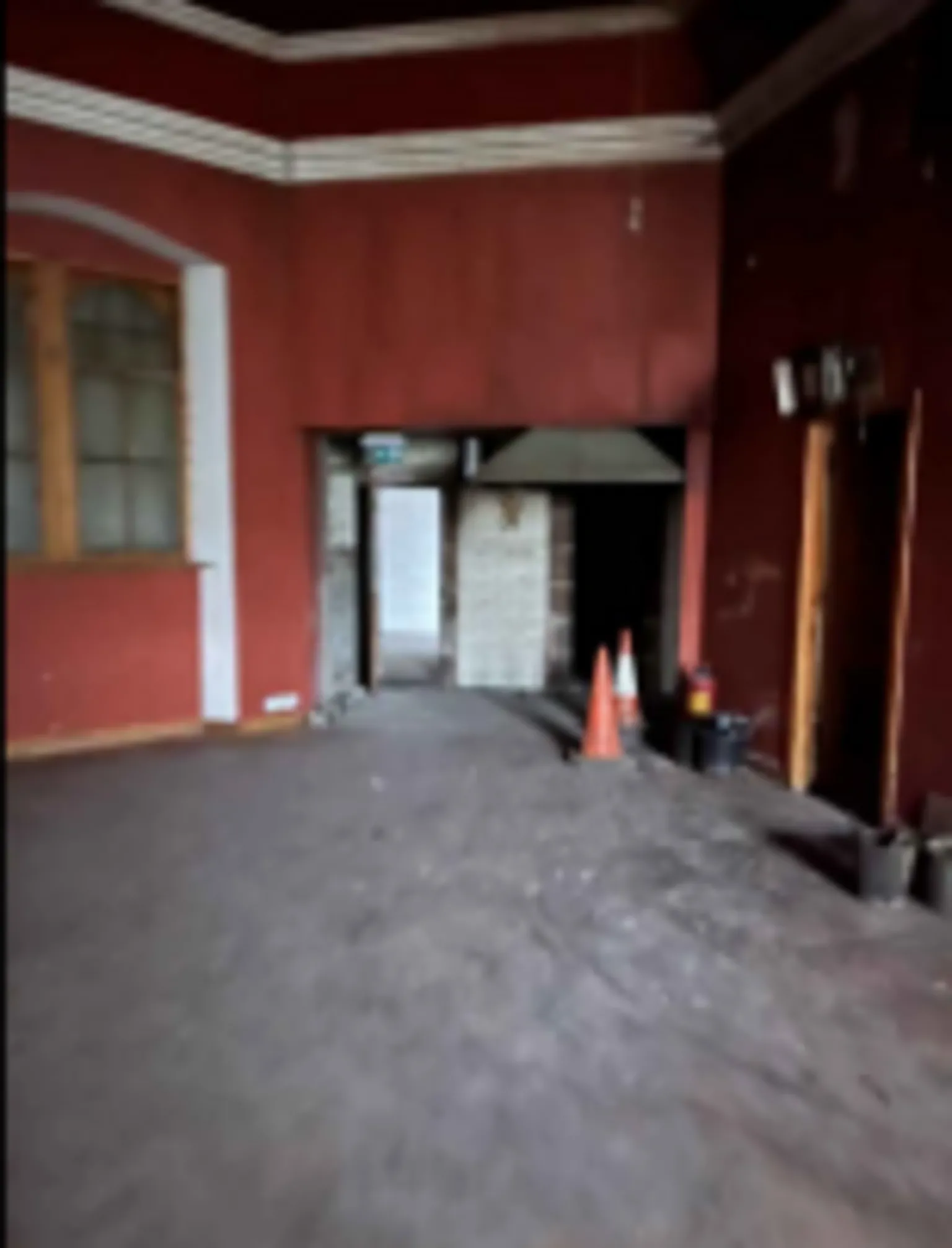
Details of Proposed Conversion
The City of Edinburgh Council is currently reviewing plans that would see the building converted to include six double bedrooms, a hot tub, sauna, and a library.
A planning application submitted by McTaggart Ltd describes the property as a "historic building close to many tourist attractions," and states it would be "an excellent location for short stays."
"The conversion would safeguard its future,"
the application adds.
Architectural and Historical Background
The red sandstone structure was completed in 1896 and designed by city architect Robert Morham, who is also known for designing ornamental ironwork on Edinburgh's North Bridge and several Victorian swimming baths throughout the city.
The building ceased functioning as a police station in the 1930s and was later repurposed as a mission hall before being adopted by the Lake Van Monastery in 1979.
Cultural Significance and Unique Atmosphere
The restaurant became known for candlelit, all-night parties featuring traditional Armenian cuisine, which gained popularity through word of mouth.
Reservations were carefully managed by the elusive owner, known only as Peter, who invited guests in small groups after vetting them.

Inside, the walls were adorned with Armenian artwork and Soviet propaganda posters, while various surfaces displayed trinkets and antiques.
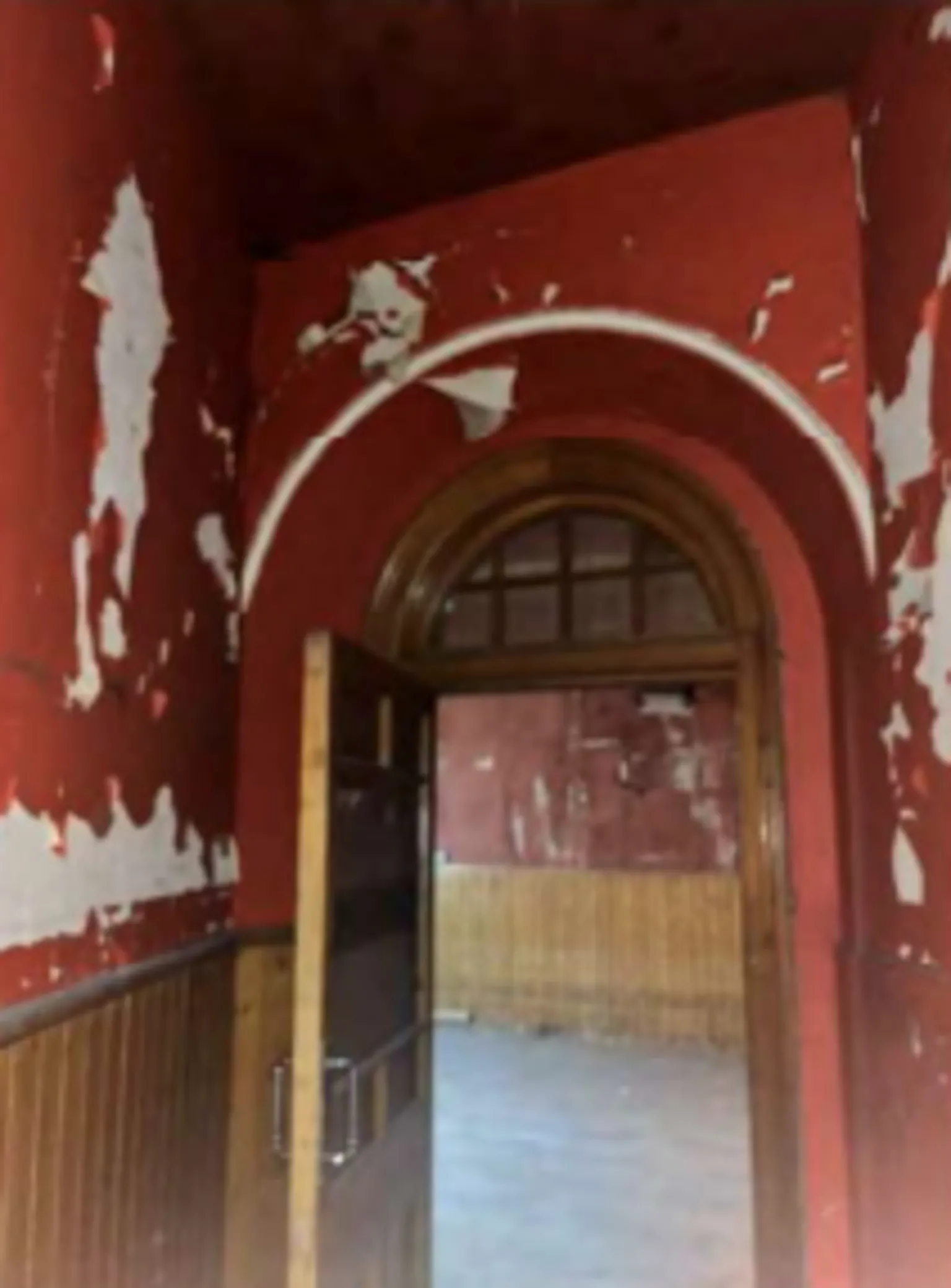
Diners recounted enjoying multiple courses of meat and wine, often accompanied by traditional folk stories and dancing.
Closure and Subsequent Vacancy
The restaurant closed abruptly in 2011 without prior notice.
An arched sign in the Armenian alphabet remained above the heavy wooden door, but no activity was observed entering or leaving the premises.
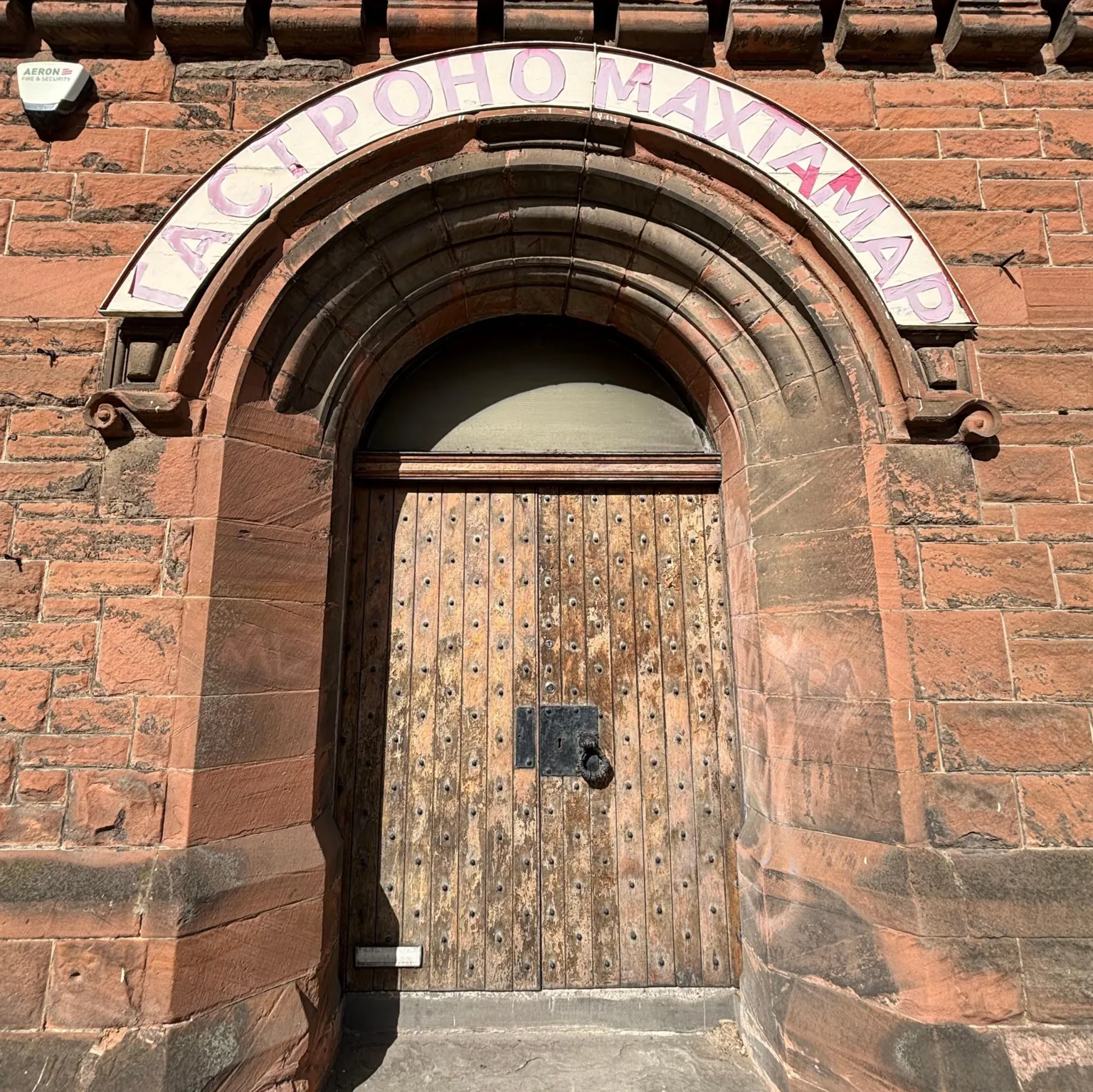
In 2021, BBC Scotland located the former cook and owner, Peter, who explained that the closure followed a robbery during which antiques and decorations were stolen.
"I became disillusioned after the incident and, as I was approaching my 80s, opted to retire,"
he said.
The building remained unused until last year, when it was listed for sale with offers starting at over £500,000.
Current Condition and Future Plans
Photographs from inside the building reveal peeling red paint on the walls and bare floors.
The redevelopment proposal includes constructing a glass tunnel connecting the main building to an outbuilding on the grounds.
The planning application is set to be reviewed at a future date.


