Renewed Efforts to Revitalize Armagh Gaol
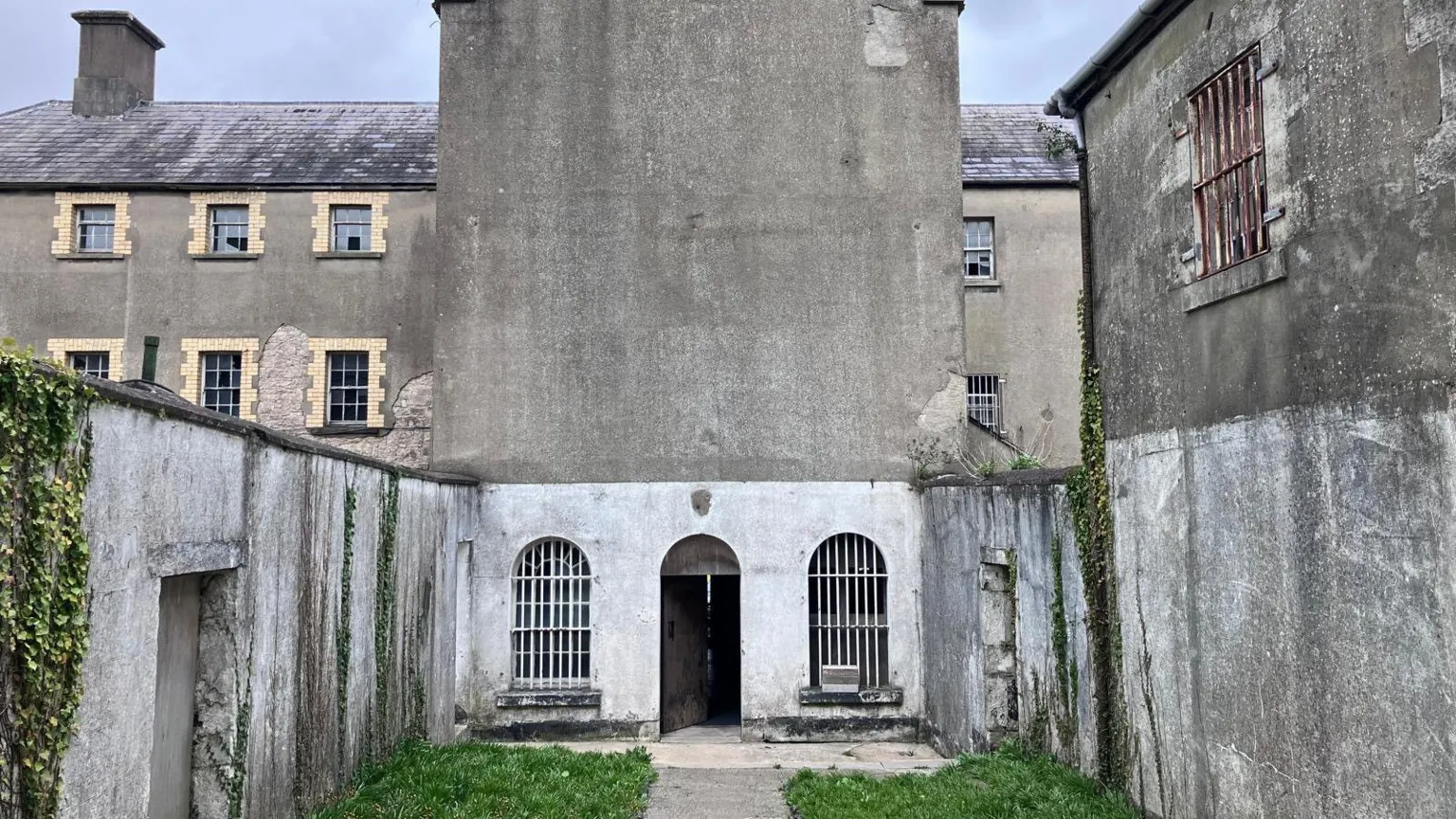
Nearly forty years after its closure, Armagh Gaol, formerly the principal women's prison in Northern Ireland, is once again the focus of redevelopment initiatives. The Georgian edifice, approaching 250 years in age, stands as one of the city's most historically significant landmarks.
The property is under the ownership of Armagh, Banbridge and Craigavon (ABC) Council, which recently opened the prison to the public to solicit ideas for its future use.
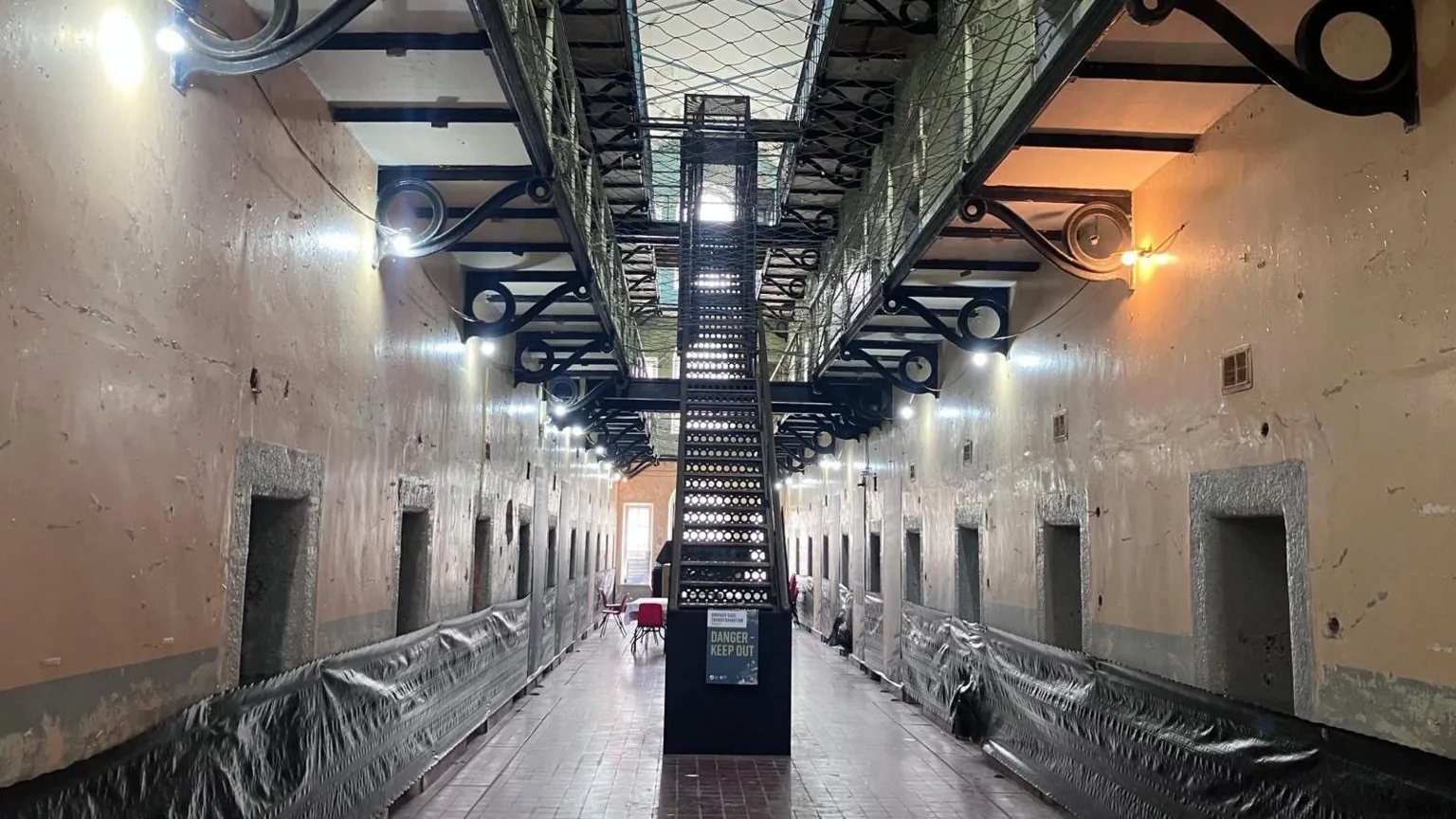
Previous attempts to repurpose the gaol have been made, but the council is optimistic that new government funding opportunities may finally unlock the site's potential.
"People want to see this site developed, it's been sitting vacant for far too long,"
said planning consultant Kieran Carlin.
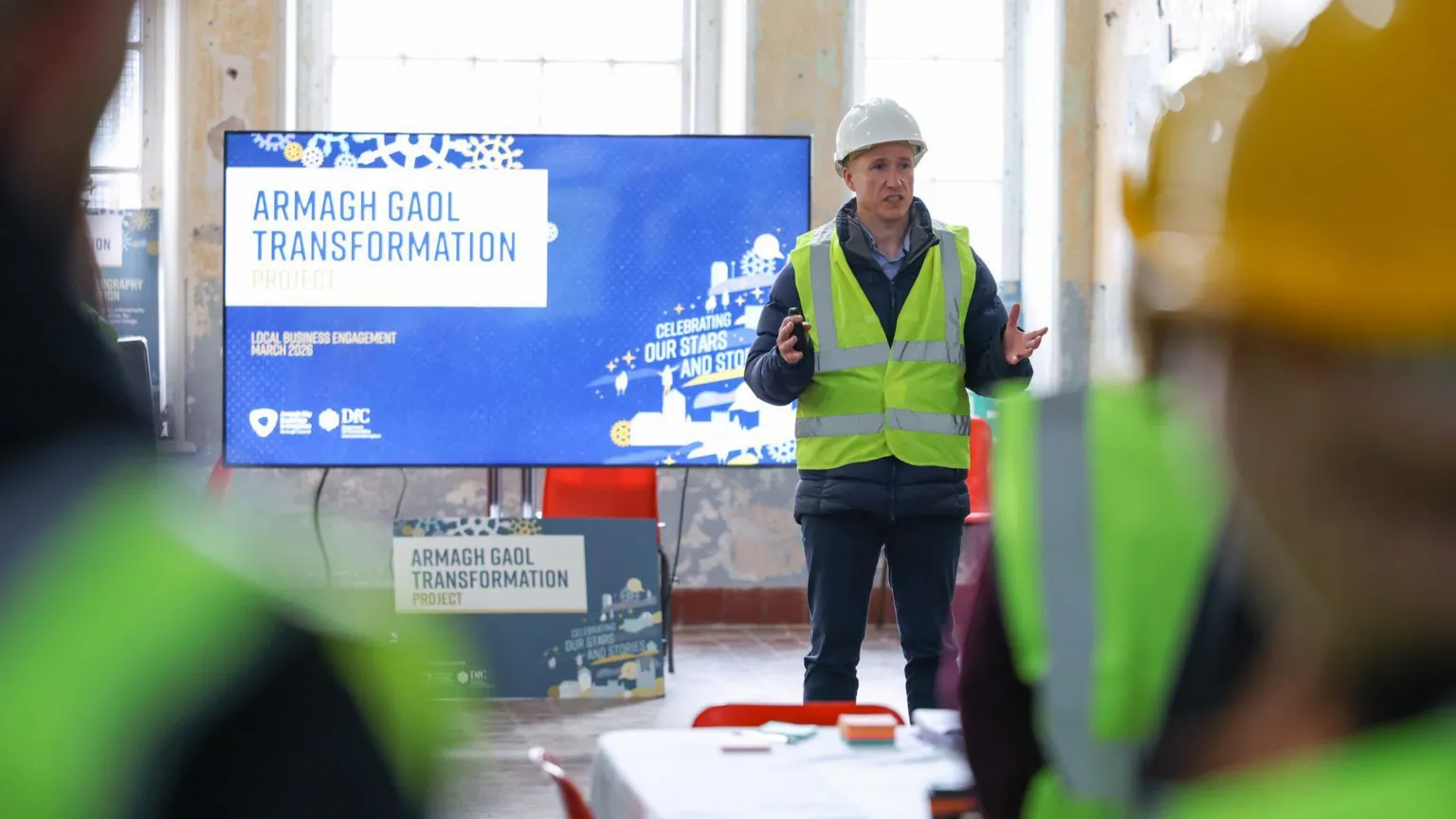
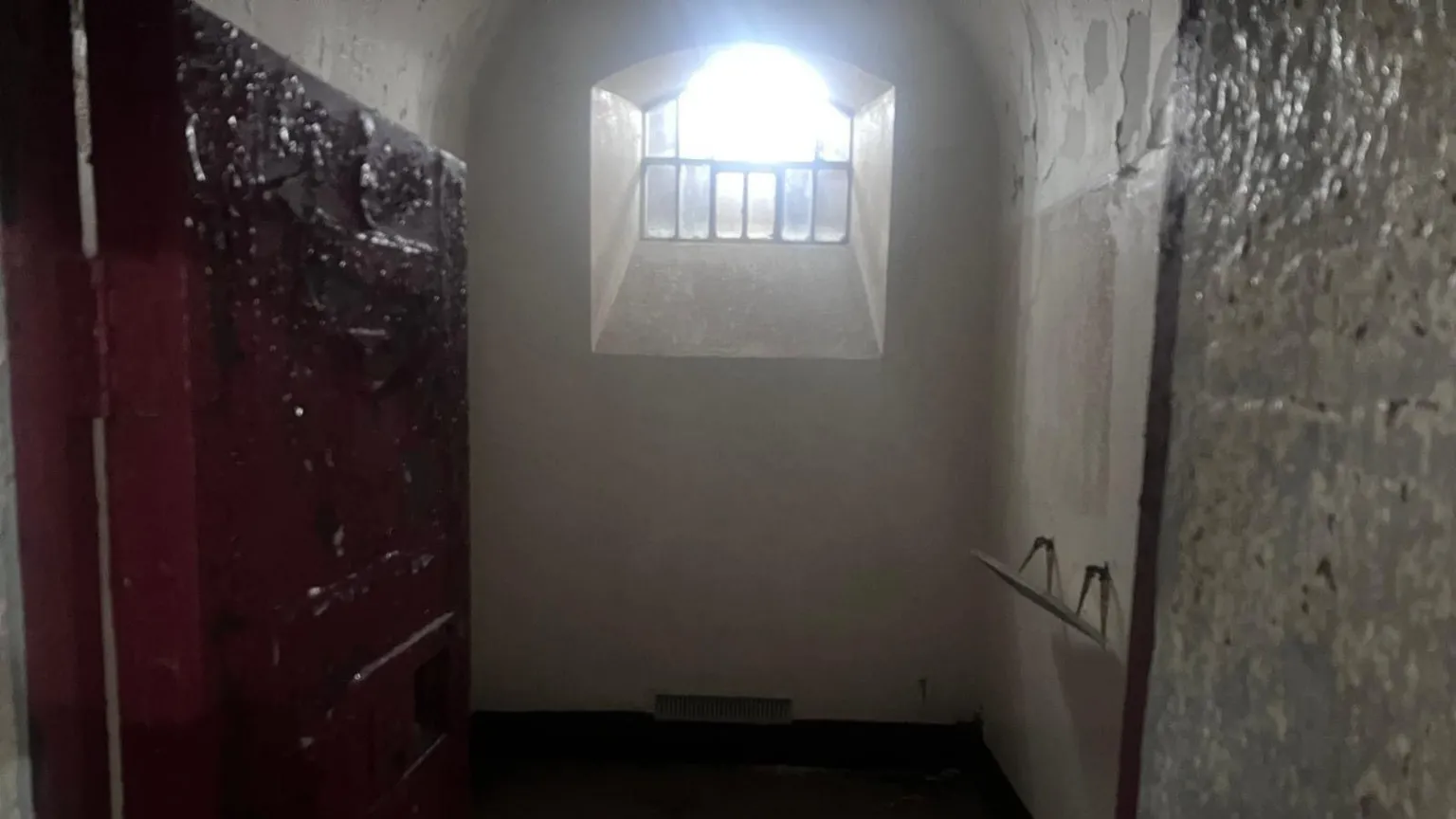
Carlin Planning Ltd, his firm, was engaged to facilitate public engagement sessions within the prison in March. Approximately 700 individuals, including local residents, toured the facility to explore possible future uses.
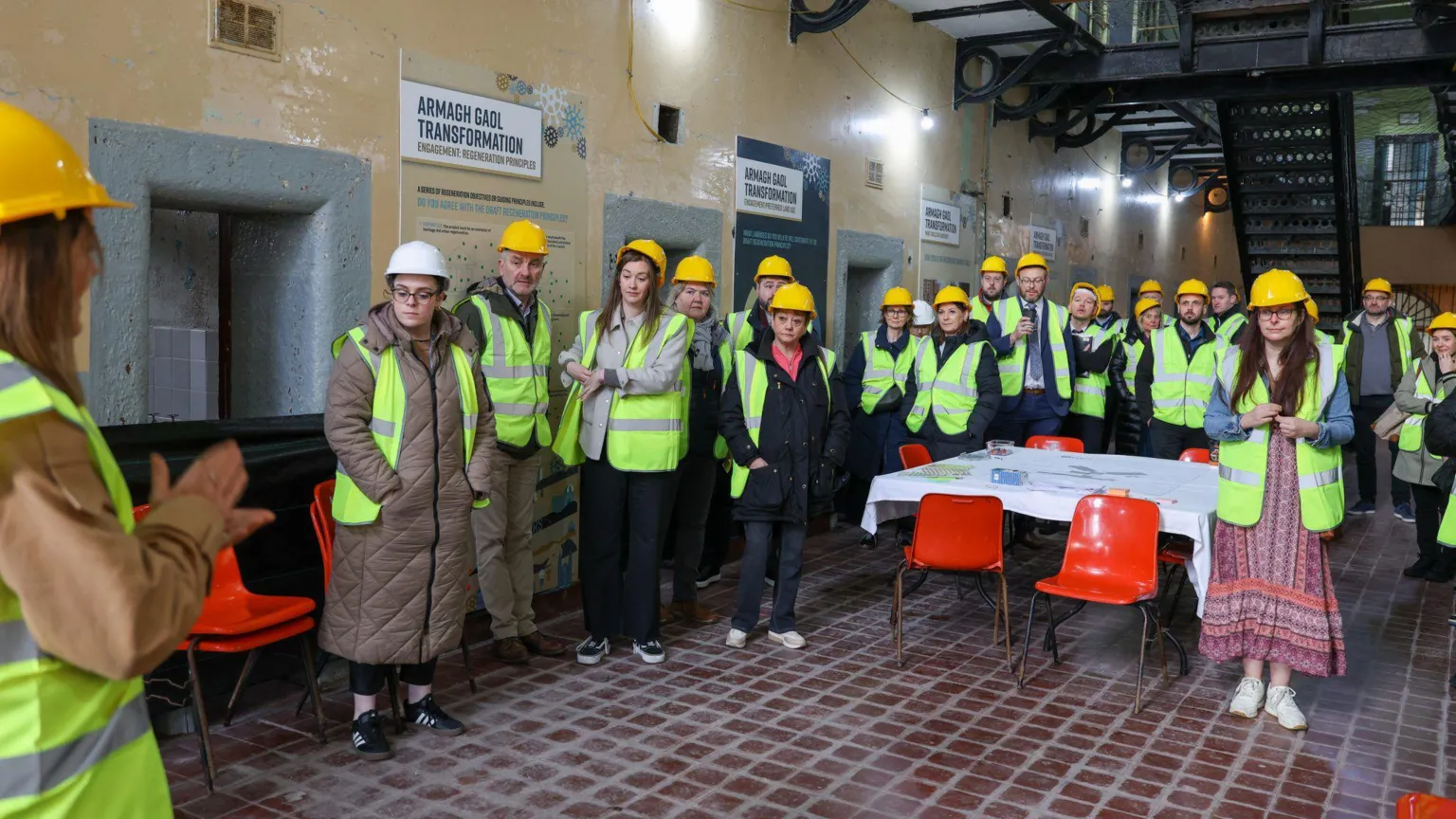
Suggestions from participants varied, including proposals to convert the site into a boutique hotel, reflecting earlier redevelopment plans, as well as creating a visitor attraction that would highlight the gaol's history.
"The feeling is that the heritage of the site needs to be retained and told through the story of the site in whatever happens,"
Carlin emphasized.
Exploring Viable Uses: Beyond History Tours
Heritage tours have gained popularity in other historic prisons such as Crumlin Road Gaol in Belfast, Kilmainham in Dublin, and Spike Island in Cork. However, Carlin cautioned that history tours alone might not suffice to maintain the Armagh site sustainably.
He suggested that securing an "anchor tenant" could be essential for the site's long-term viability.
Other ideas proposed by visitors included establishing an escape room activity centre, a bowling alley, or a creative business hub for young entrepreneurs.
While acknowledging that some suggestions may not be feasible for this particular location, organizers expressed satisfaction with the level of public engagement.
Funding and Development Priorities
Armagh Gaol has been the subject of multiple redevelopment attempts. In 2004, it was featured on the BBC's Restoration series, which highlighted heritage sites across the UK at risk of neglect.
At that time, plans included creating a gaol museum with guided tours and relocating the Armagh Tourist Office to the site.
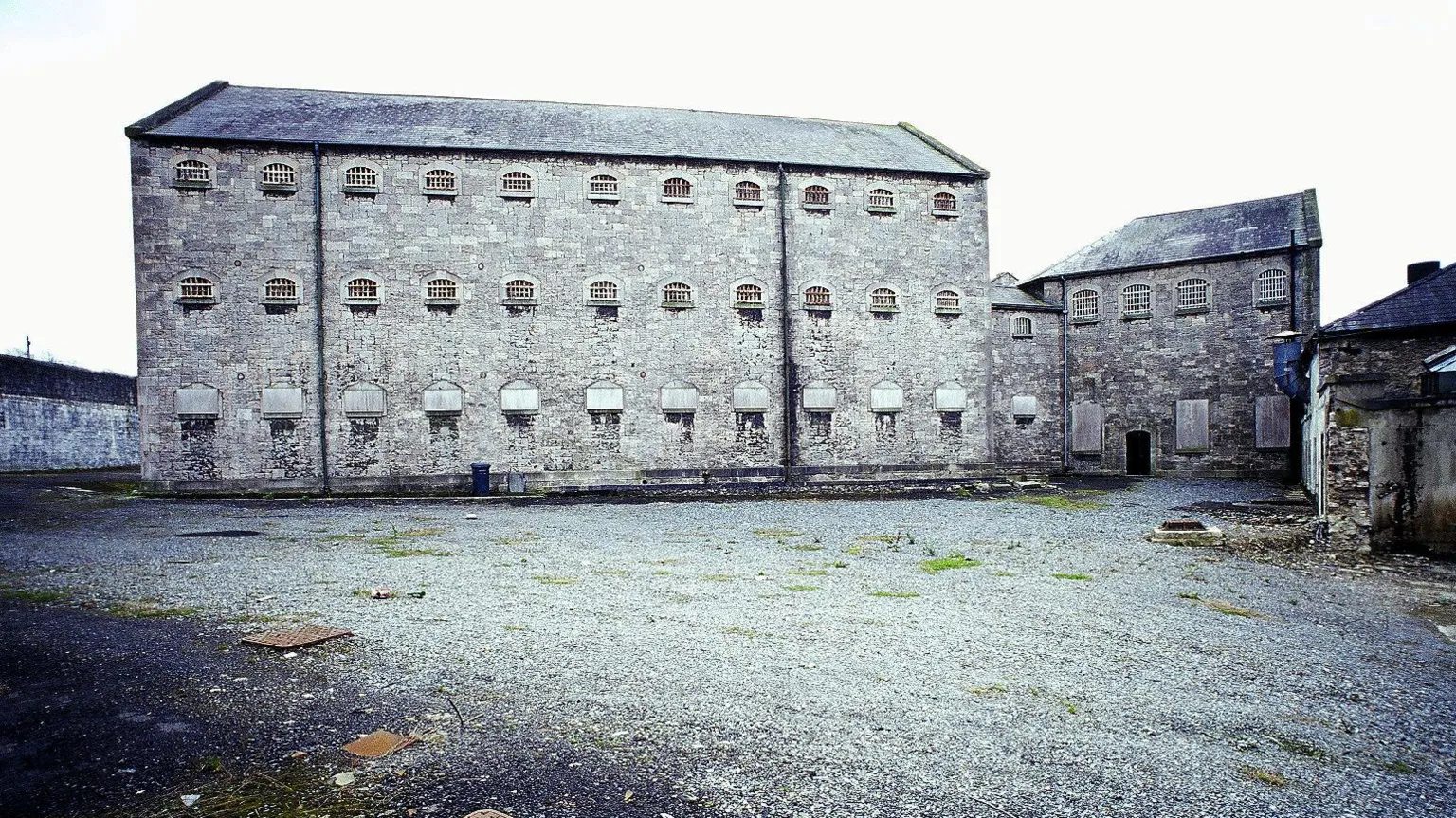
In 2013, planning permission was granted for a four-star hotel and apartments, but the project stalled due to funding difficulties.
ABC Council's deputy chief executive Charlene Stoops explained what distinguishes the current effort:
"We have been keen to do things with the gaol in the past, but the timing hasn't been right and the funding hasn't been there."
She added that a new opportunity exists to "breathe life back into this historic building" through potential funding from the Mid South West Growth Deal.

This deal is among four major government investment schemes in Northern Ireland aimed at fostering economic growth by regenerating local areas.
"We are working in partnership with Fermanagh and Omagh and with Mid Ulster Council, government bodies and other partners to bring forward a number of projects, but the jail is very much seen as one of those priority projects,"
Stoops stated.
Community Interest and Tourism Potential
Local tour guide Donna Fox is among those advocating for progress.
"I would like to see it open, the way that Crumlin Road and Kilmainham are open, that people can go on tours and hear the history of the building,"
she said.
Fox noted that her clients are "always interested" in the gaol and curious about the individuals who were incarcerated there.
She recalled participating in a previous European Heritage Open Day tour of the site.
"It was very poignant because there were photographs of former prisoners outside cells and some of them were old ladies."

Historical Background of Armagh Gaol
Constructed circa 1780 on the grounds of a former Army barracks, Armagh Gaol was among the last buildings designed by Thomas Cooley, a London-born architect who relocated to Ireland in the 1760s.
Cooley was commissioned by Archbishop Richard Robinson of Armagh to design several prominent buildings in the area.
The gaol underwent expansion after Cooley's death, including the addition of a prison hospital in 1817 and two new wings in 1848 and 1855 to accommodate increased incarceration rates during the Irish famine.
Originally housing both male and female prisoners, after the partition of Ireland in 1921 it primarily served as a women's prison.
During the Troubles, it held notable republican prisoners such as Belfast sisters Dolours and Marian Price, who were imprisoned for their involvement in the Old Bailey bombing.
The gaol ceased operation in 1986, with remaining inmates transferred to HMP Maghaberry.
Next Steps and Timeline for Redevelopment
Kieran Carlin's firm was tasked with compiling public input and advising on feasible redevelopment options.
"We will be giving our findings from the engagement process back to the council within the next couple of weeks,"
he explained.
The council aims to complete its business case by summer. Should funding be secured, the process would involve appointing a design team and obtaining planning permission, indicating a lengthy timeline.
Nevertheless, Carlin expressed optimism about the project's prospects.