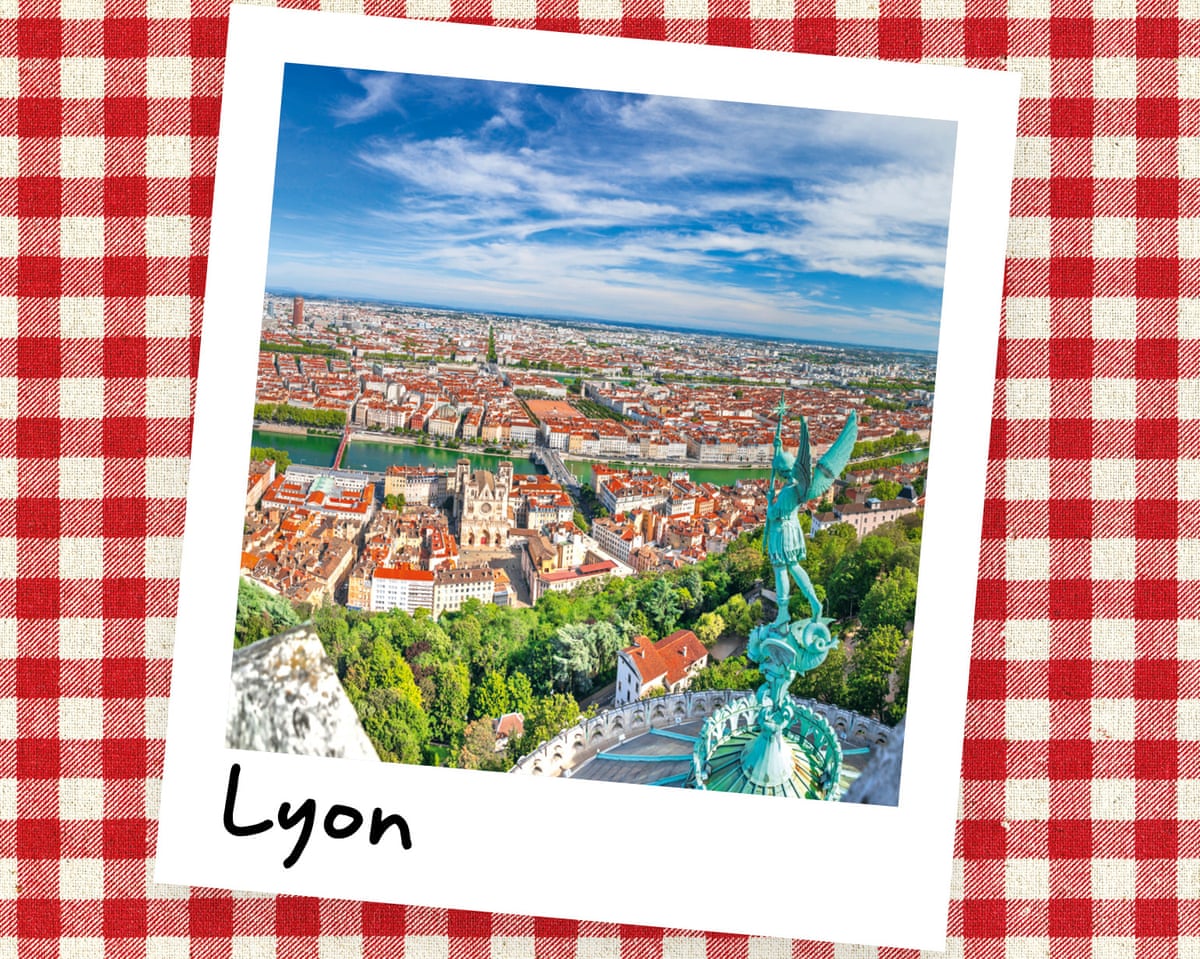
Introduction to Lyon's Bouchons
These traditional restaurants form the culinary foundation of Lyon, a city renowned for its gastronomy. However, discovering an authentic bouchon involves embracing offal and red wine, even at breakfast.
I first experienced a bouchon as a 20-year-old Erasmus student. By chance, I spent a semester in the Auvergne countryside, which meant frequent weekend trips to Lyon, the nearest major city. My knowledge of Lyon was limited to its reputation for food—especially the hearty dishes served in traditional restaurants characterized by red gingham tablecloths and chalkboard menus. My initial meal was disappointing: stringy, overpriced beef muscle costing more than my hostel stay, leaving me questioning the acclaim.
After nearly five years living in Lyon, I have learned to avoid tourist traps, which are mainly located in Vieux Lyon amidst souvenir shops and sweet stores. Yves Rouèche notes in Histoire(s) De La Gastronomie Lyonnaise that historically, most bouchons were not situated in the old town but rather in neighborhoods such as Vaise, Croix-Rousse, and La Guillotière. These areas served as city gateways during the Renaissance, where merchants and travelers lodged.
Elsewhere in France, the word "bouchon" can mean "traffic jam," "wine cork," or, in medieval terms, a "wisp of straw." I initially assumed the name referred to the wine cork, given the generous serving of Beaujolais and Rhône Valley wines in these establishments. However, a bouchon owner explained that the name likely derives from straw: inns often marked open doors with straw bunches. Shared tables, checked tablecloths, and pots de vin are typical bouchon features, but the defining characteristic is the substantial meat portions, especially offal, which may surprise even dedicated meat lovers.
The bouchons gained popularity in the 19th century, predominantly run by women known as mères lyonnaises (Lyonnaise mothers). They served dishes such as andouillette (tripe sausage), rognon de veau (calf’s kidneys), and cervelle de canut (a soft cheese with shallots, garlic, and herbs) to silk merchants and weavers. The Michelin Guide recognized one of these mothers in 1933, awarding Eugénie Brazier six Michelin stars—three for each of her two restaurants. For 65 years, she remained the most decorated chef in history, solidifying Lyon and its bouchons on the culinary map.
I sampled wine at breakfast and consumed a variety of offal to identify the best bouchons.
Le Poêlon d’Or
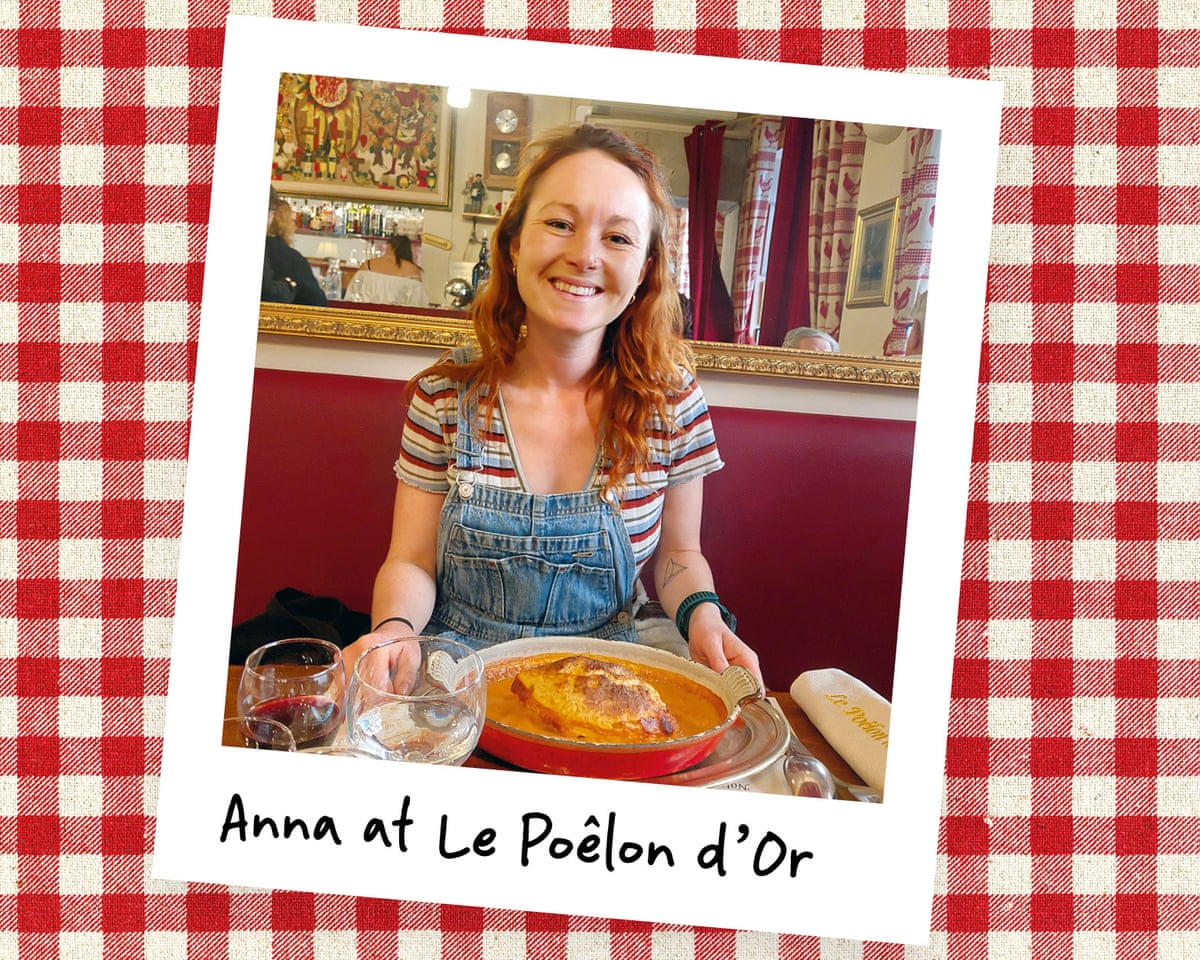
I was eager to visit Le Poêlon d’Or, known for its award-winning quenelles. These sausage-shaped dumplings made from egg, flour, and butter resemble toad-in-the-hole batter. In bouchons, they are typically stuffed with pike and served with sauce aux écrevisses (crayfish sauce).
The restaurant bustled with local diners and featured lively decor. Red and white curtains adorned with chicken patterns complemented the ornate chandeliers and bar lamps. Rosette (salami) and cervelle de canut were already on the table.
My quenelle was nearly as large as a loaf of bread, but I finished it, appreciating the contrast between the crisp, oven-browned top and the softer, sauce-soaked interior. The buttery flavor, reminiscent of marmite, evoked British comfort foods like Yorkshire puddings and dumplings. While very good, my expectations, built up over months, were somewhat too high.
Quenelles with crayfish sauce cost €24. Bouchon rating: 7/10.
La Meunière
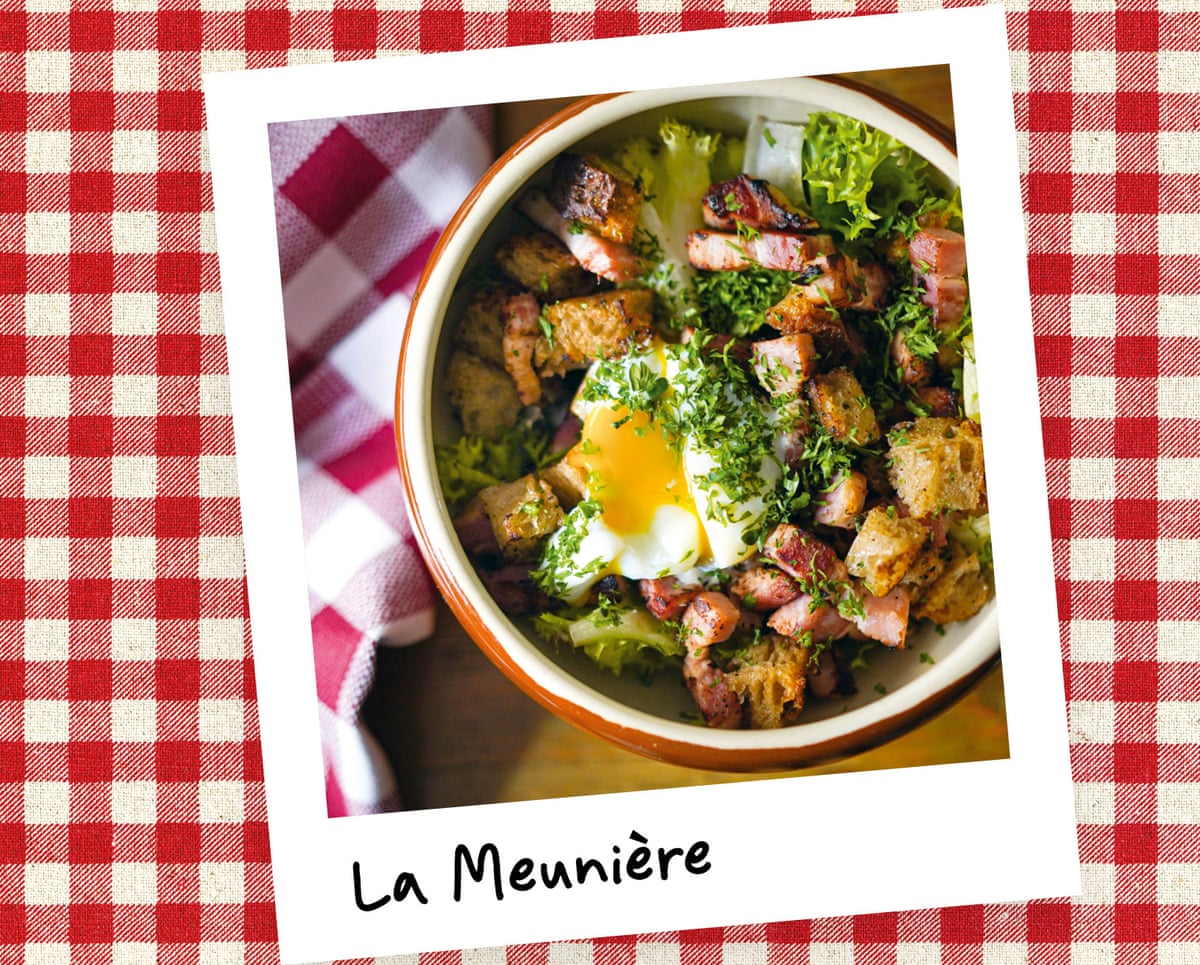
Arriving at 9 a.m., I felt late as all tables were occupied, with carafes of wine half empty. La Meunière maintains the tradition of mâchon, Lyon’s version of a bottomless brunch, featuring generous meat portions paired with red wine. Originally a lunch for silk weavers (canuts), it now attracts office workers and others seeking a midweek breakfast drink.
The menu offers no choices; the "salad" starter contains no vegetables but includes tongue, ivory slices of cold pig’s trotters, lentils, and pâté. The abundance of cold meat early in the morning was challenging, though the pig’s trotters were more a mental hurdle than a taste issue. The main course was easier to enjoy: new potatoes roasted in their skins, tender pork that fell apart with a fork, slices of sausage, and bacon rich in fat, all in a hearty gravy garnished with parsley. I skipped lunch that day.

Mâchon costs €34. Bouchon rating: 8/10.
Café du Jura
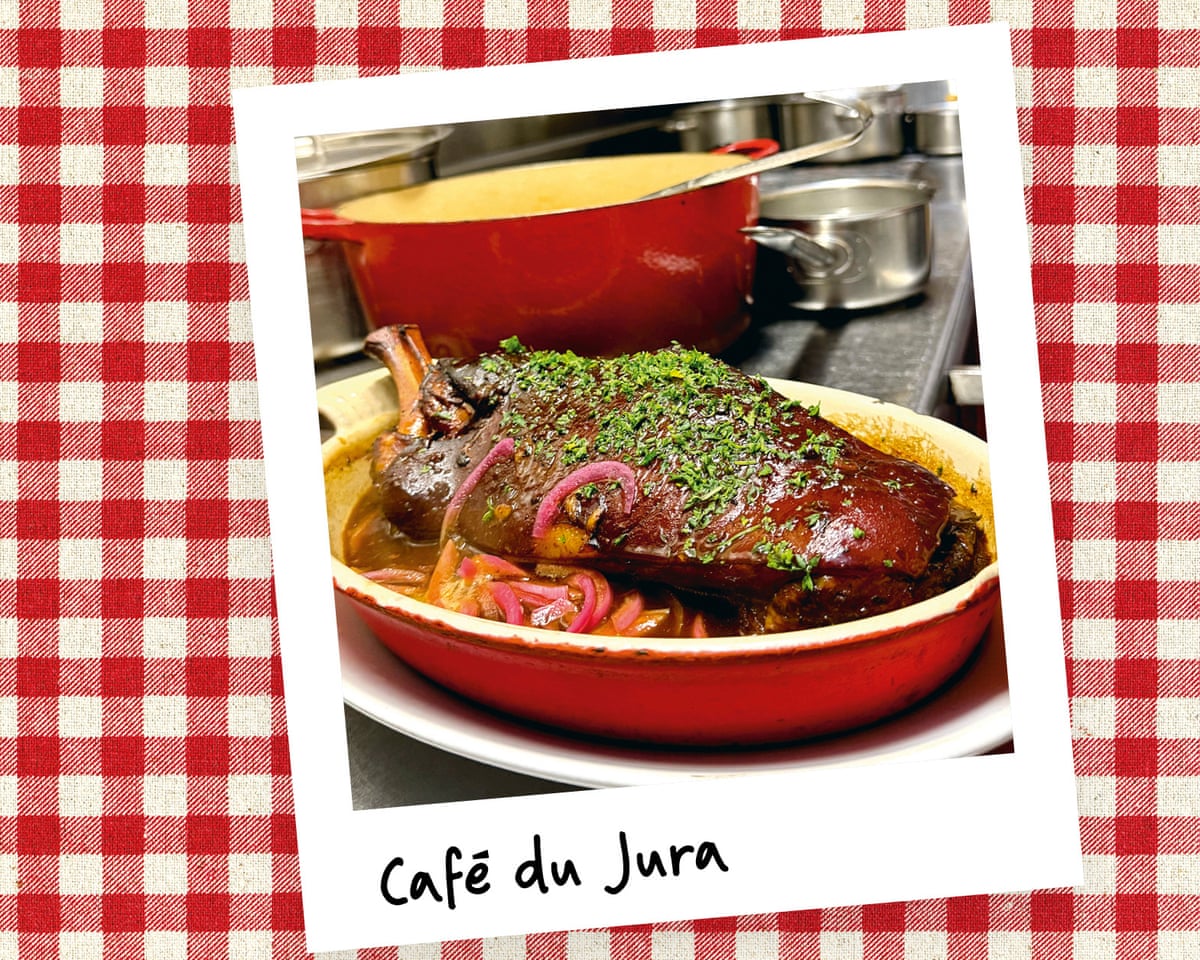
A local assured me the Café du Jura was "excellent," easing my concerns about its name, given that the Jura region lies about 90 miles from Lyon. The owner described the establishment as "historic," showing me a magnificent wine cellar stocked with enormous dusty bottles of Chartreuse, a herbal liqueur, some as long as a torso. He explained that a wine merchant from Jura was the first to open a restaurant here.
In a moment of courage, despite the smell, I tried my friend’s andouillette. It required generous mustard sauce to manage the taste. My pistachio-infused sausage with new potatoes was more palatable, though its presentation reminded me of my grandparents’ traditional "meat and potatoes" meals. The highlight was the pâté en croûte, resembling a giant pork pie with a jelly made from port, cognac, and cherry liqueur.
For dessert, I ordered an iced soufflé infused with Chartreuse. It was richly textured, though I found it difficult to distinguish from a decadent ice cream.
Pâté en croûte costs €17.50. Bouchon rating: 7.5/10.
Les Fines Gueules
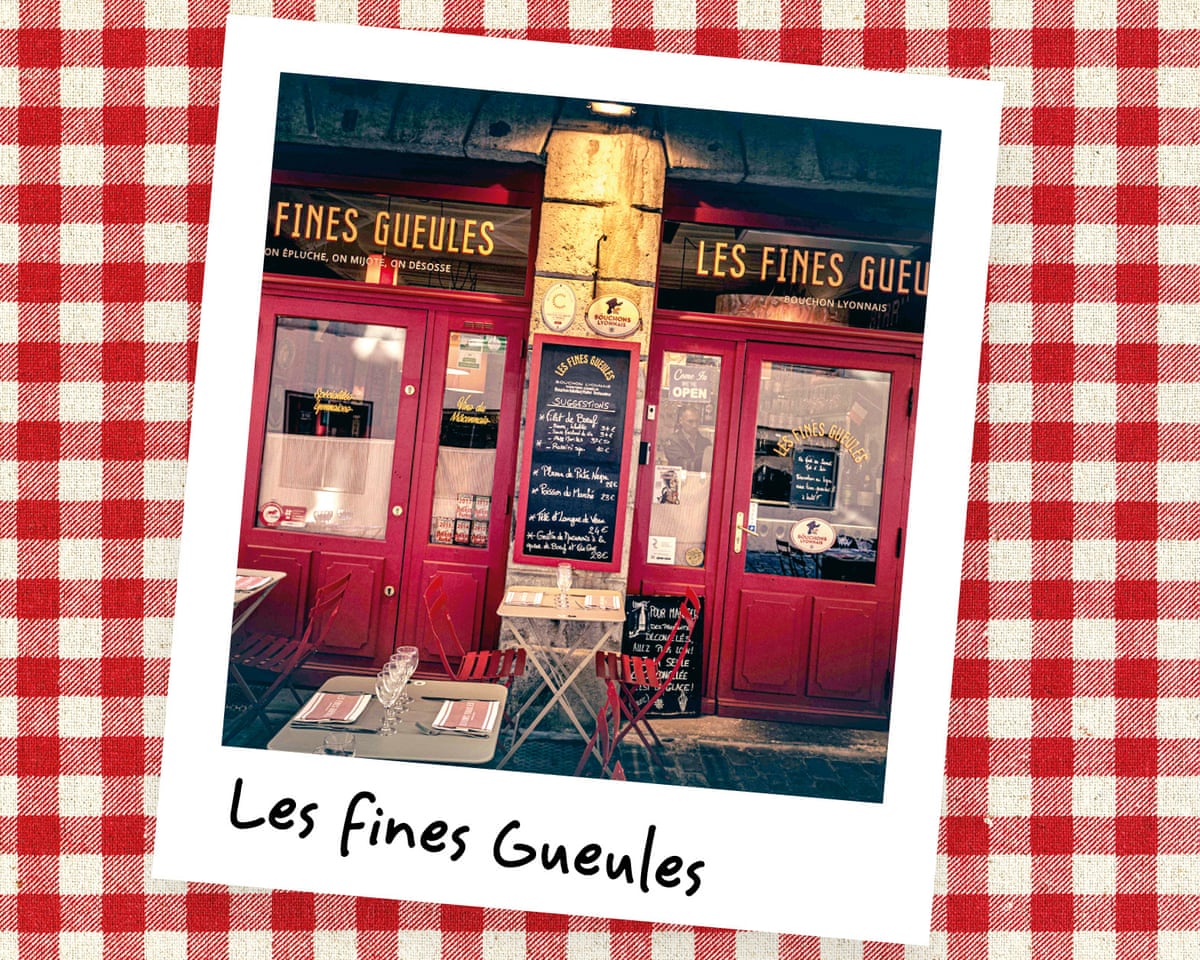
This was the only bouchon I visited in the old town, where tourists were more prevalent than in other locations. Unusually, there was a vegetarian option: ravioles, miniature ravioli baked in a vermouth cream sauce and topped with abundant melted cheese.
Hoping for a pig trotter-free meal, I ordered the ravioles but was promptly reprimanded by the owner. He explained the dish was included only so groups could accommodate vegetarians. I then ordered the house specialty, an oxtail macaroni gratin with foie gras, which was far more flavorful. I finished with a sticky pink praline tart accompanied by praline ice cream, so sweet it nearly hurt my teeth.
Oxtail macaroni gratin costs €30. Bouchon rating: 7/10.
Chez Hugon
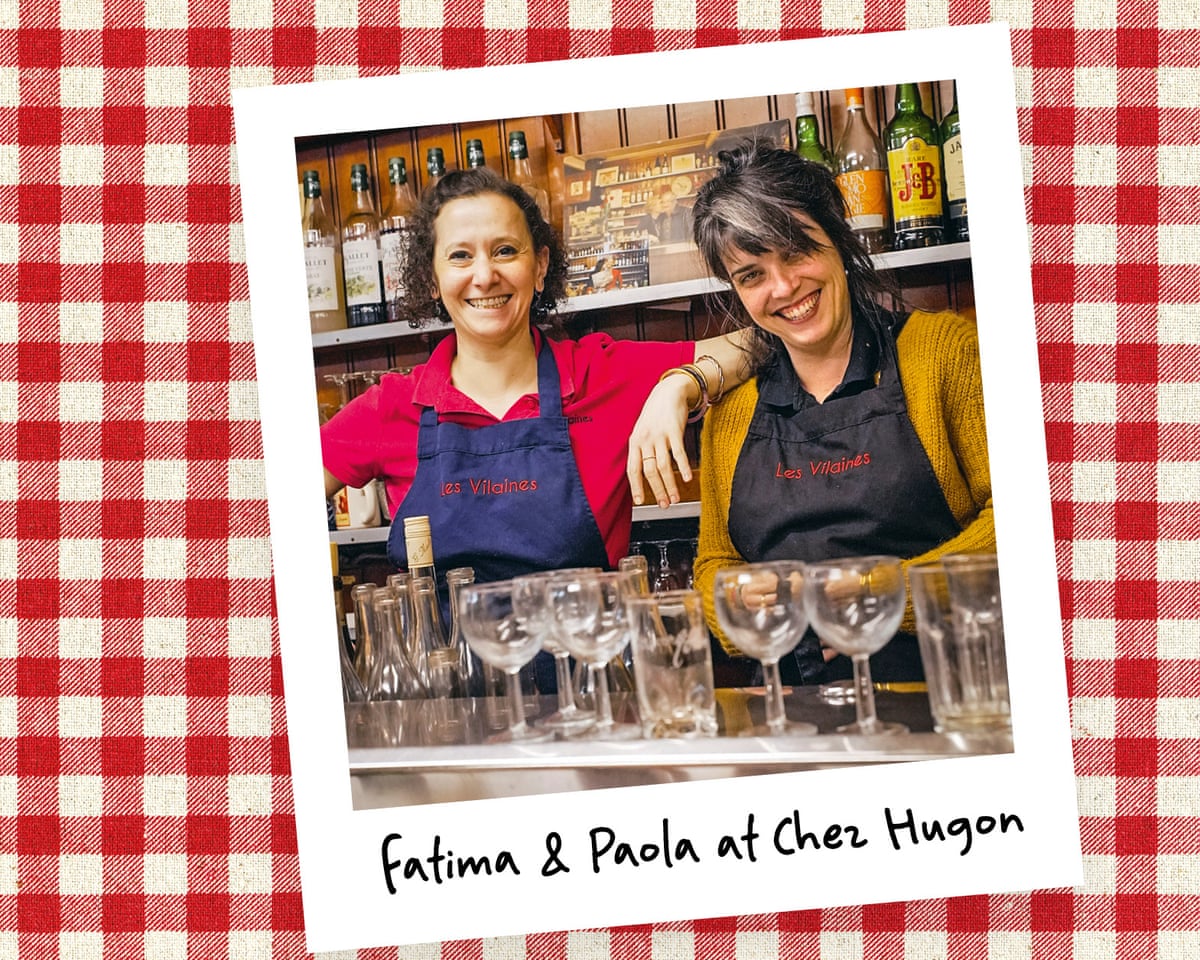
This small bouchon is run by Fatima Zerrouki in the kitchen and Paola de Almeida Rocha front of house, representing the fourth generation of women managing it. The short set menu simplifies decisions. I began with chicken liver pâté, garnished with hazelnuts and gherkins for added texture.
Next was poulet au vinaigre, featuring the largest chicken leg I have ever seen, served in a sauté pan. The sauce was indulgent, made with vinegar, tomato pulp, abundant onions and garlic, white wine, and cream. After tasting it, I understood why Michelin inspectors praised Lyon’s bouchons a century ago. Given the choice, I would prefer this dish over my mother’s Sunday roast. Apologies, mum.
The two-course set menu costs €30. Bouchon rating: 9/10.