
Introduction to Turin’s Piòle
Piòle are traditional working-class neighbourhood taverns in Turin, Italy. While many have evolved into more upscale establishments, some still offer authentic, affordable home-style cooking. Turin is renowned for its serious culinary heritage, shaped by the House of Savoy and reflected in its historic cafes and restaurants, where meals often feel refined. However, the piòla represents a less formal, more genuine aspect of the city’s food culture.
Piòle were never quite restaurants; they were places to enjoy a glass of barbera wine, served at the counter from a cylindrical, quarter-litre carafe called the tubo, in rooms worn smooth by decades of use. Regular patrons would play cards, debate football or politics, and linger without ceremony. The food was simple and straightforward, often including anchovies in green sauce, hard-boiled eggs, cold cuts, or a plate of agnolotti (stuffed pasta).
From the 1960s onwards, many piòle disappeared as Turin’s culinary scene became more refined. Some closed, while others transformed into osterie or restaurant-like venues. Recently, the piòla has resurfaced, sometimes preserved in its original form, often reinterpreted in more stylised ways. This article explores where one can still find piòle in Turin that capture the spirit of the originals.
Caffè Vini Emilio Ranzini
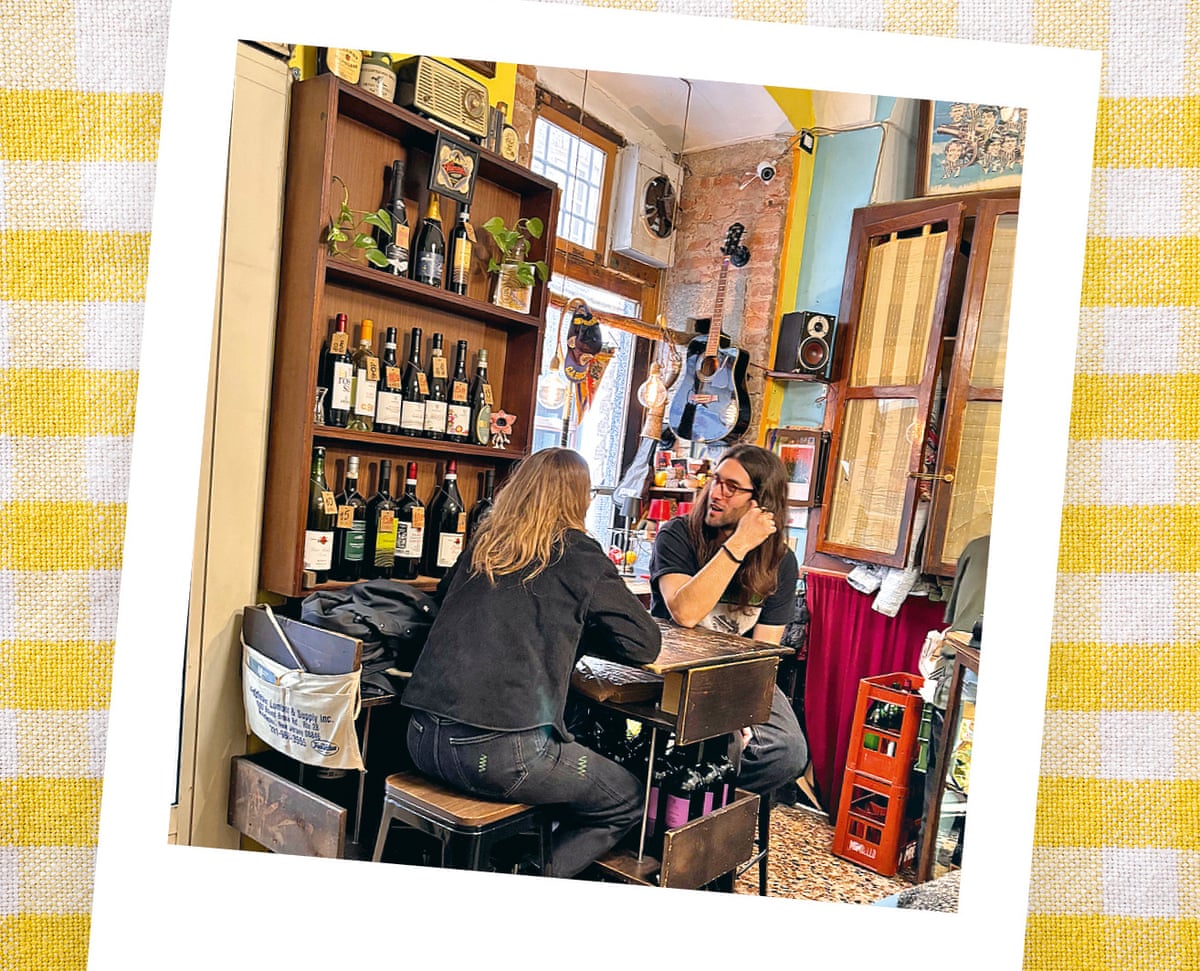
Located in the Quadrilatero Romano district on Via Porta Palatina, near Piazza Palazzo di Città and the cathedral, Caffè Vini Emilio Ranzini is one of Turin’s longest-standing piòle. Visiting in the late afternoon for a merenda sinoira, a light meal that often replaces dinner, the small, timeworn room quickly fills with students, couples, and shopkeepers.
The walls are adorned with old photographs and framed press clippings. Behind the counter, bottles of Punt e Mes, Cynar, and other amari stand alongside vermouth and local wines, priced between €2 and €6 per glass. The display case offers semolino and polenta squares, fried meatballs, friciulin (spinach or potato fritters), and bread topped with insalata russa or vitello tonnato (veal with tuna sauce).
Orders are placed at the bar, with snacks costing €2 or €3 each. Guests can then carry their plates to a courtyard with a few tables. The atmosphere is unpolished but lived-in, and the staff are relaxed. Occasionally, local musicians perform impromptu live sets. The experience rates 7.5 out of 10.
Piola da Celso
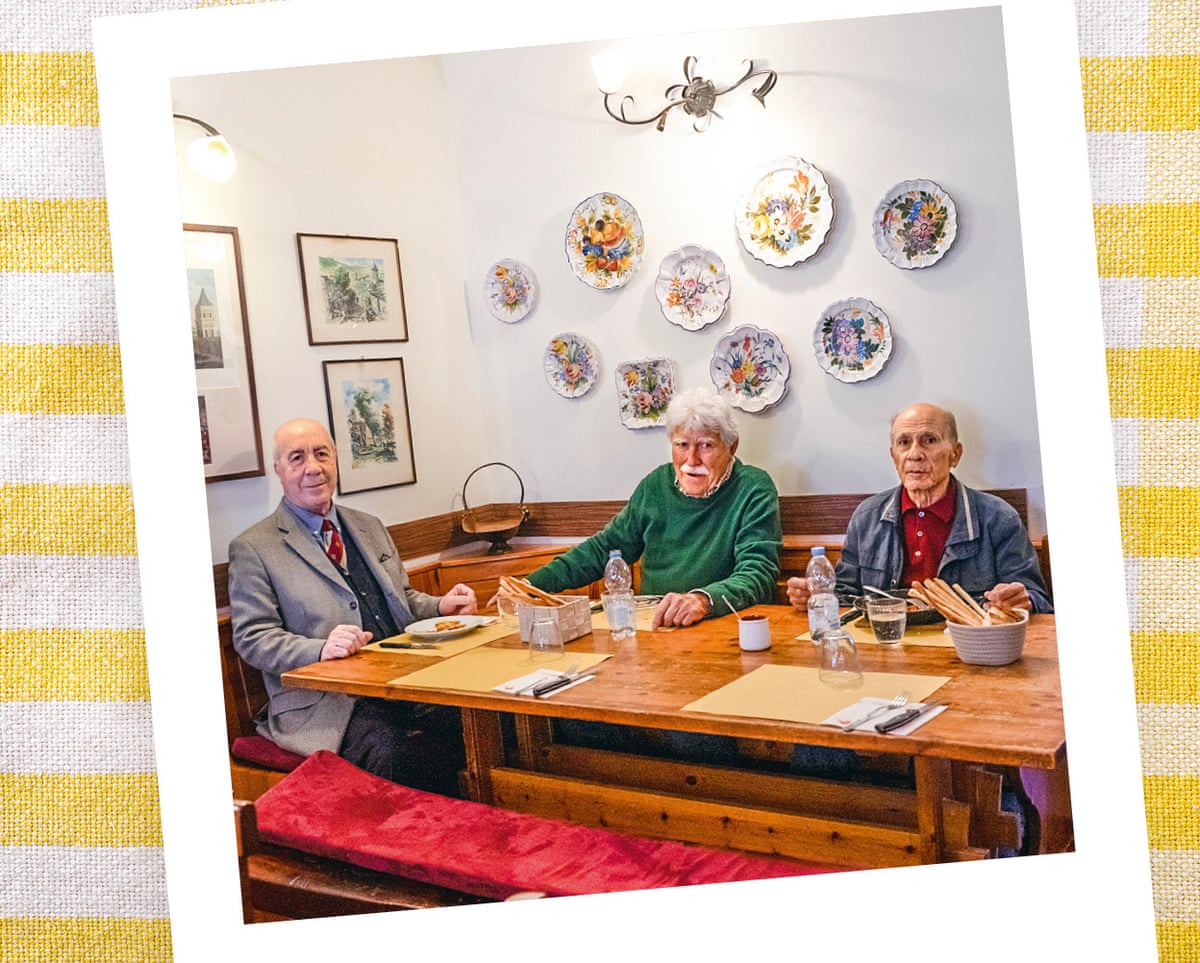
Piola da Celso, originally opened in 1985, has relocated twice but remains in the Cenisia district near the Corso Racconigi market. Following the death of founder Celso Chiantello, the establishment is now managed by his daughters Elisabetta and Marina, along with their children.
The welcoming atmosphere makes visitors feel like longtime acquaintances. At 12:30 pm, only one other table is occupied by three men who have frequented the piòla daily for decades, conversing in the Piedmontese dialect. Soon, the small, warmly lit room becomes lively as friends and families arrive.
There is no formal menu; dishes follow a familiar sequence: a few starters, several pastas, two or three main courses, and a couple of desserts. The meal begins with a selection of antipasti including vitello tonnato, tomino cheese, salame cotto, and insalata russa, accompanied by house white wine. Peppers with bagna càuda, a warm anchovy and garlic sauce, follow.
"You can’t leave something this good!"
Marina notices a slice of salami left on a friend’s plate and insists jokingly that it be eaten. She soon returns with agnolotti del plin and gnocchi in a creamy cheese sauce. Portions are generous, making it difficult to finish, but a slice of freshly baked fruit tart is shared nonetheless. The total bill is €37 for two, leaving a strong impression of how regulars are made. The experience rates 10 out of 10.
La Piola d’le Due Sörele
Situated on the north-eastern outskirts of Turin, just beyond the curva delle 100 lire—a bend once known for its low toll—La Piola d’le Due Sörele attracts locals and passing drivers daily. Visiting for lunch on a Wednesday without a reservation, seating is quickly available as a table becomes free.
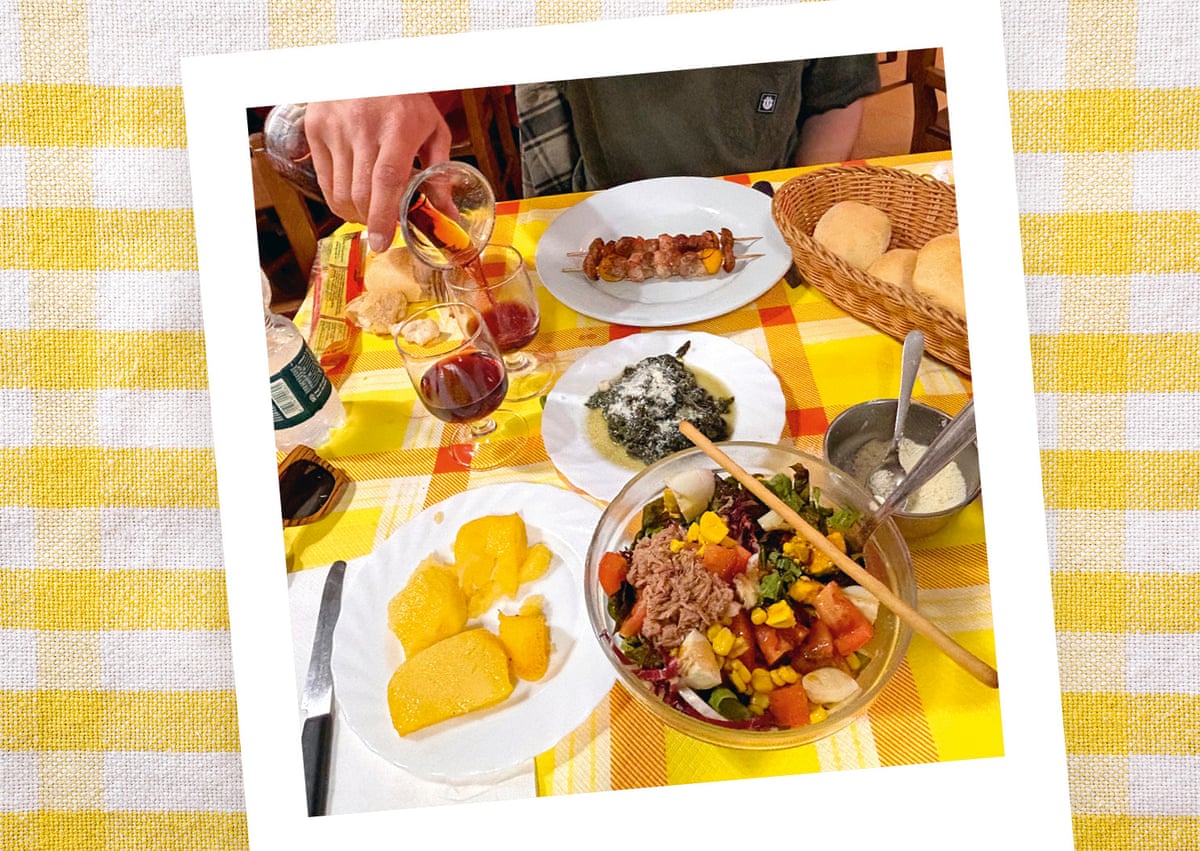
Barbera wine is served in a carafe while the menu is recited: a choice of primi, followed by a secondo with a contorno (side dish), dessert, and coffee, all for €12 each. Workers on lunch break greet the family running the establishment by name. The space is spacious but crowded, lively, and bustling with activity as plates arrive and tables clear. The courtyard at the back maintains a more relaxed pace.
Though not a historic piòla, it has already become a local legend. The standout dish is the simple polenta fritta, crisp on the outside and soft inside. At the counter, Gianni offers a small glass of amaro as a fitting conclusion to a meal that understands its role. The experience rates 8.5 out of 10.
La Piola di Alfredo
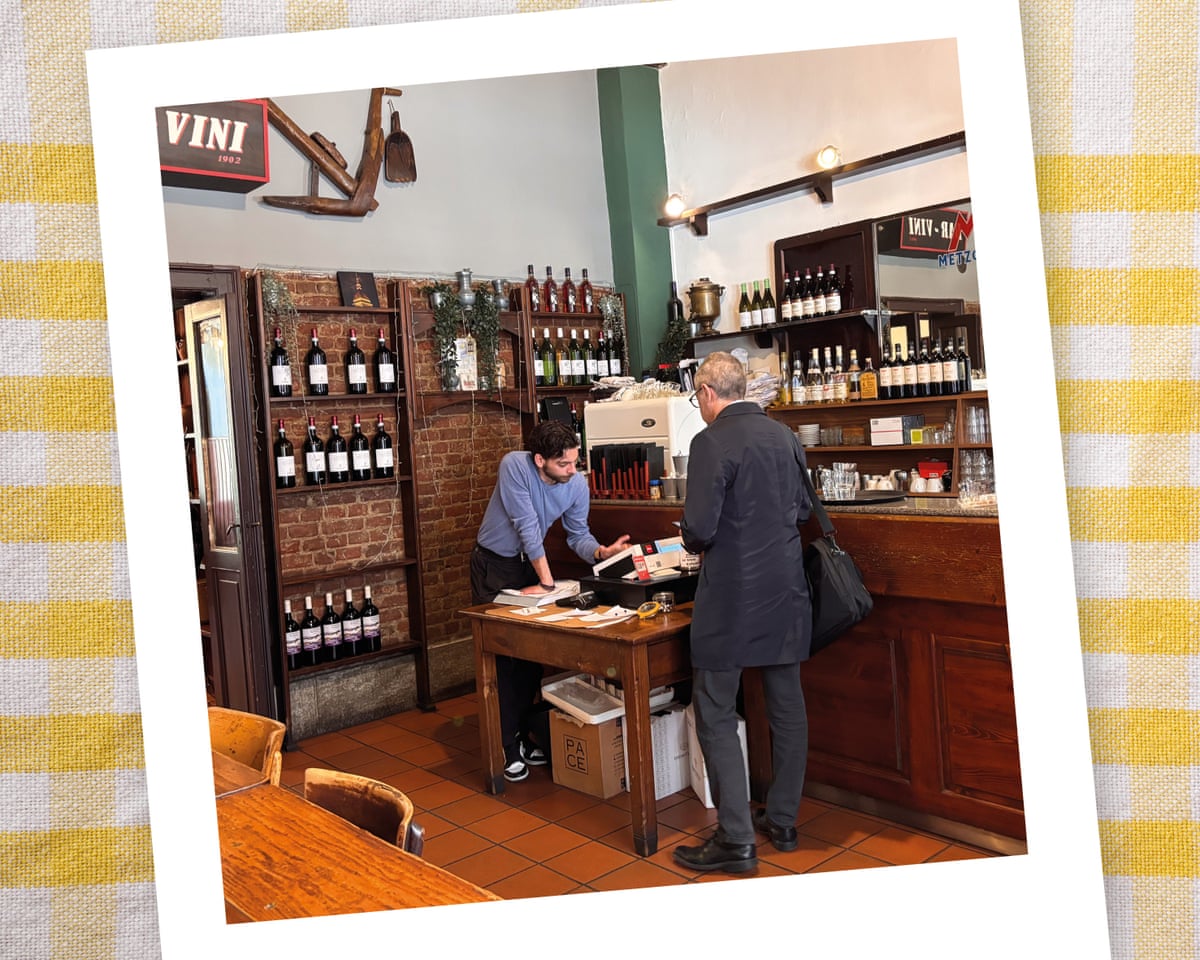
Located a few steps from the University of Turin on Via Sant’Ottavio, La Piola di Alfredo has long served as a meeting place for students, families, and regular patrons. Open in its current form since 1978, it maintains an easy, shared rhythm. Visiting on a weekday lunchtime, one room hosts a graduation celebration while another is quieter; outside, tables sit shaded along the street.
The handwritten menu offers dishes such as carne cruda, brasato (beef stew), and hazelnut cake. A glass of Dolcetto d’Alba arrives with bread and grissini. A man at the next table offers advice, which is followed. The meal includes tomino with honey and walnuts, then tortelloni filled with spinach and ricotta—simple ingredients handled well. The bill totals €17.
Portions are smaller than expected, and the overall experience feels contained. As a first encounter with a piòla, it is adequate but lacks the compelling atmosphere that encourages return visits. The experience rates 6 out of 10.
Osteria Antiche Sere
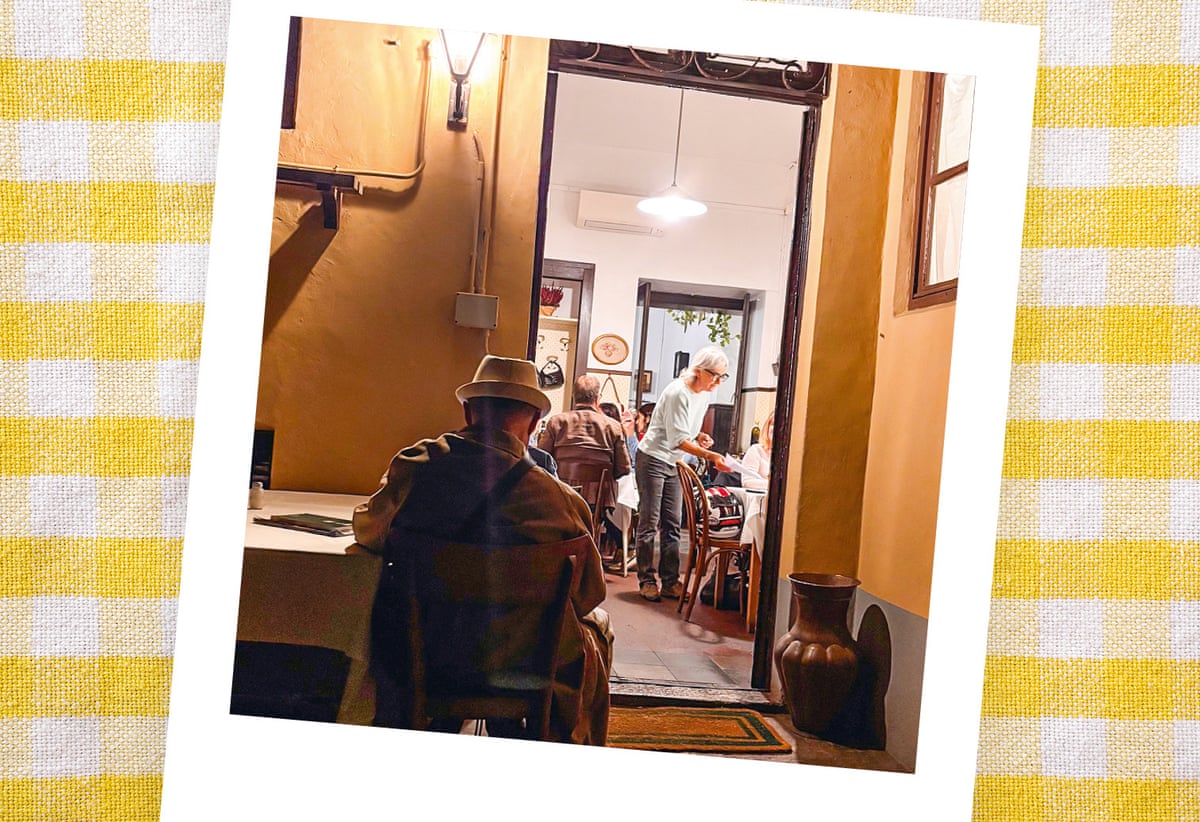
Osteria Antiche Sere is located on the narrow, residential Via Cenischia, marked only by a hand-painted sign. Reservations are recommended; booking three days in advance secured a late slot at 9:45 pm. Upon arrival, the place is lively. Guests receive glasses of white wine and wait briefly in the courtyard under a vine-covered pergola before being seated inside.
Antonella Rota, who has managed the osteria with her family since 1990, moves smoothly between the compact dining rooms, taking orders and engaging with guests. The osteria originated from a half-serious idea in a more spartan space closer to a piòla. Dark wood paneling, copper pans, and antique clocks decorate the rooms, creating an old-world ambiance. The menu changes seasonally but remains consistent daily.
The meal begins with an antipasto misto (€18) and a quarter litre of red wine (€5). One diner orders local cheeses with honey, while the other chooses coniglio al vino bianco (rabbit braised in white wine, €17) with potatoes, the meat glazed with its own juices. Despite feeling full, dessert is recommended by Daniele Rota, Antonella’s brother, and includes panna cotta or torcetti (yeasted biscuits) served with zabaglione, chocolate, and cream (€6). The desserts are well worth the indulgence.
The osteria relies on a low-key approach and word of mouth, yet remains full most evenings. There is a natural familiarity between the staff and regulars, creating a welcoming atmosphere that encourages return visits. The experience rates 9.5 out of 10.
Circolo Paracchi
Circolo Paracchi, near the post-industrial Parco Dora, has maintained the piòla tradition without revival or reinterpretation. Founded in 1927 as a workers’ leisure club connected to the Paracchi carpet factory, it later evolved into a sports club with a simple, home-style kitchen.
It remains a members’ club, a self-contained environment where regulars gather to eat, drink, and play cards. Visitors arriving unannounced may be admitted occasionally. After a brief pause, Rosa, one of the cooks, welcomes guests. A printed menu hangs on the wall, but selections are made from available dishes.
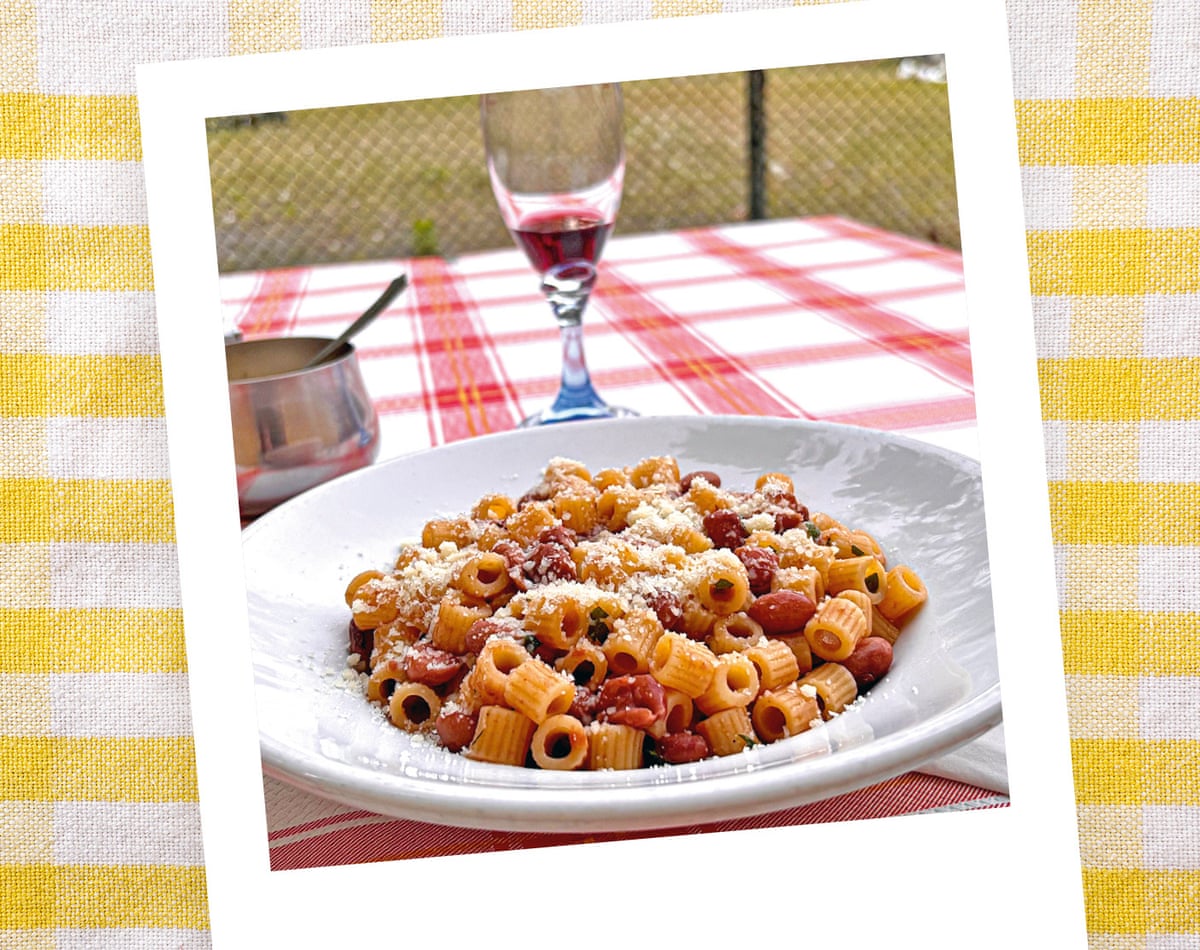
Seated outside beside an unused bocce court, guests share olives, cheese, and house wine, followed by a large plate of pasta e fagioli (pasta with beans). The total cost for food and wine is €10.
After the meal, Rosa provides an impromptu tour of the club’s memorabilia. She notes that outsiders are occasionally welcomed, but the club primarily serves its members. The piòla at Circolo Paracchi is not a destination to seek out but a place to belong. For one evening, guests are granted entry. The experience rates 8 out of 10.