Introduction to the Most Northerly Bothy
The UK's most northerly bothy has undergone restoration after years of neglect, prompting me to spend a night there to fully experience its significance.
For those unfamiliar, bothies are remote shelters mainly located in rural Scotland, as well as parts of Northern England and Wales, offering free refuge for a night or two to those venturing into the wilderness.
The Mountain Bothy Association (MBA) manages 84 bothies in Scotland; however, Burnmouth on the Orkney island of Hoy is not among them.
This bothy is independently owned and maintained by the Hoy Development Trust, which assumed responsibility for the 19th-century crofthouse approximately 50 years ago.
Historical Background of Burnmouth Bothy
Burnmouth was originally constructed in the 1800s when the small settlement of Rackwick likely had around 40 residents. Over time, the population declined, and by the 1950s, the Nicholson family, occupants of Burnmouth, were among the last remaining families.
Photographs from 1966 depict the building without window frames or a door, though it retained its roof, which appeared to be a combination of heather and turf laid over flagstones.
In 1970, the bothy was used in an adaptation of "A Time to Keep" by Orkney poet and author George McKay Brown. Subsequently, the Hoy Trust renovated it to serve as shelter and accommodation for campers and hill walkers.
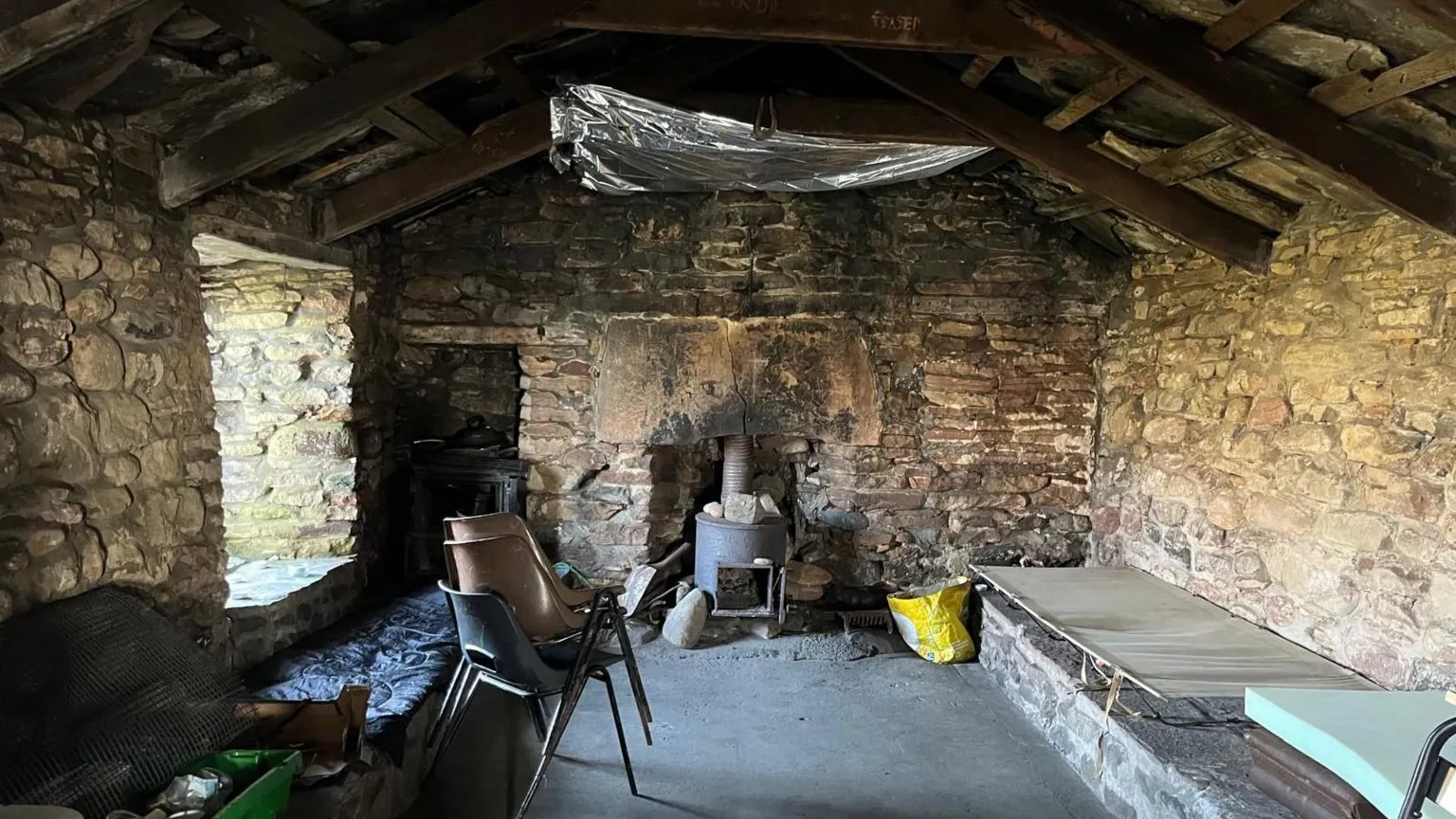
However, exposure to the harsh wind and rain from Rackwick Bay caused deterioration; mortar between the stonework began to crumble, and the heather-thatched roof led to dampness and leaks inside.
Last year, the Hoy Development Trust secured over £142,000 from Orkney Islands Council to renovate this Grade A-listed building.
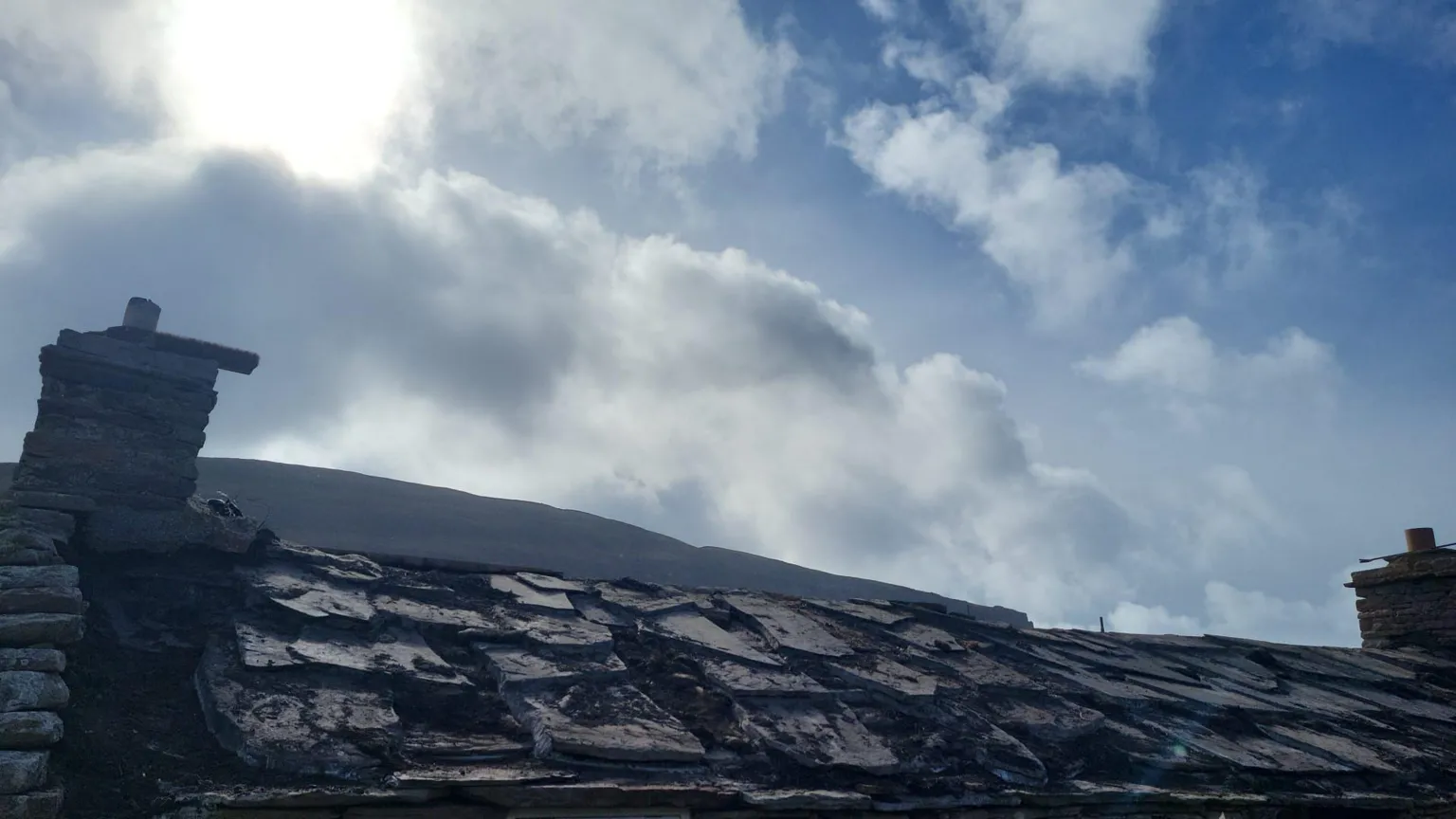
After extensive consultations with the council's planning department, contractors determined that the original roof had to be replaced.
Gavin Barr from Orkney Islands Council described the bothy as "one of the jewels in the crown of Orkney's buildings." He added,
"It's a category A listed building so that means it's of national and international importance, so not just important to Orkney, but to Scotland,"
I reside in Kirkwall, Orkney's largest town, but even for me, reaching the bothy required a bus ride, a turbulent ferry crossing, and a hilly six-mile cycle from Moaness to Rackwick on Hoy's opposite side.
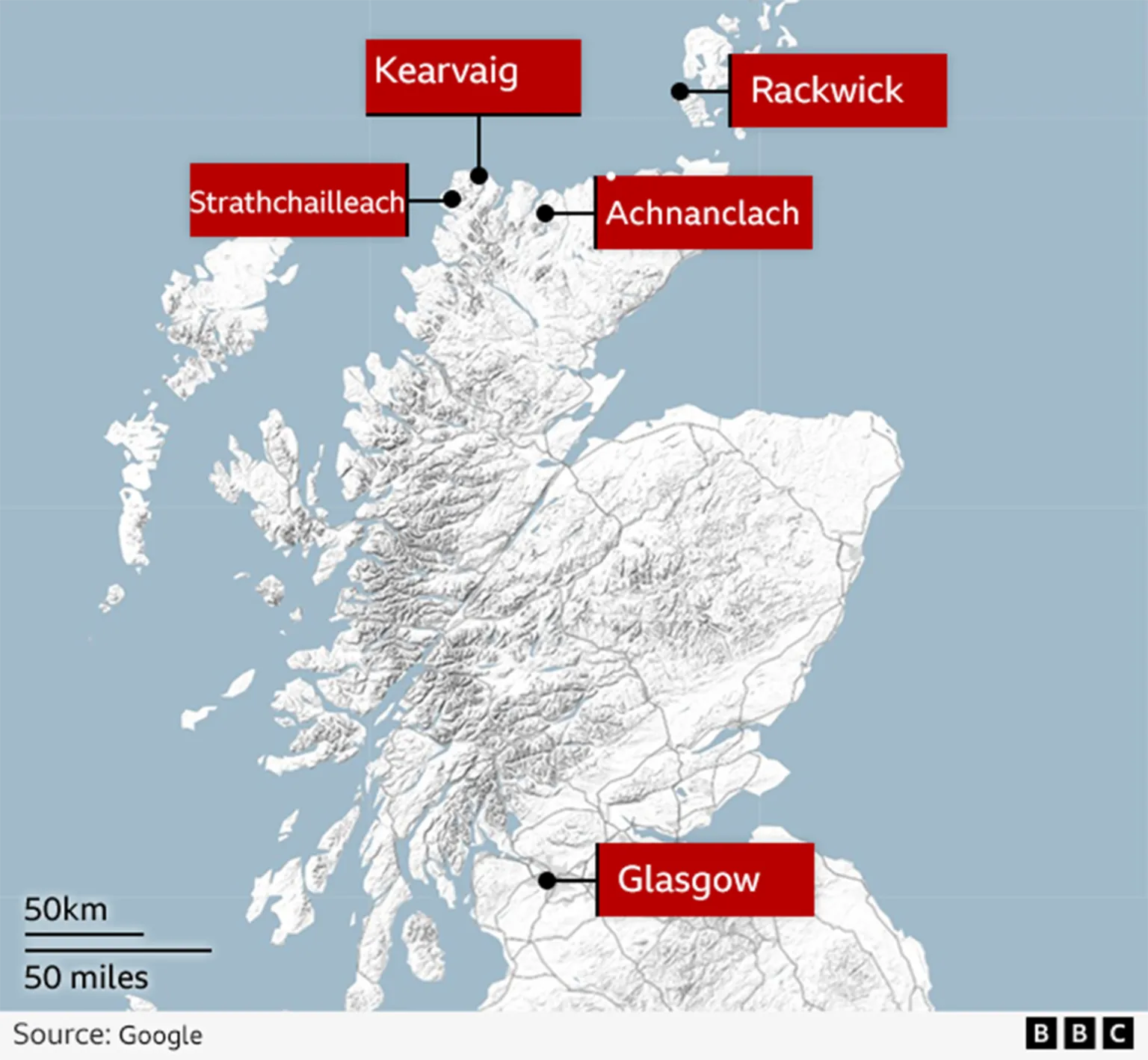
For visitors coming from further away, the journey is considerably longer. It can take up to nine hours to drive 279 miles (449 km) from Scotland's central belt to Scrabster on the mainland's far north coast, followed by a 90-minute ferry to Stromness and another ferry to Hoy.
The three most northerly bothies on mainland Scotland are Kearvaig (280 miles from Glasgow), Strathchailleach (about 269 miles), and Achnanclach (272 miles). Rackwick is located two ferries beyond these.
Restoration Efforts and Challenges
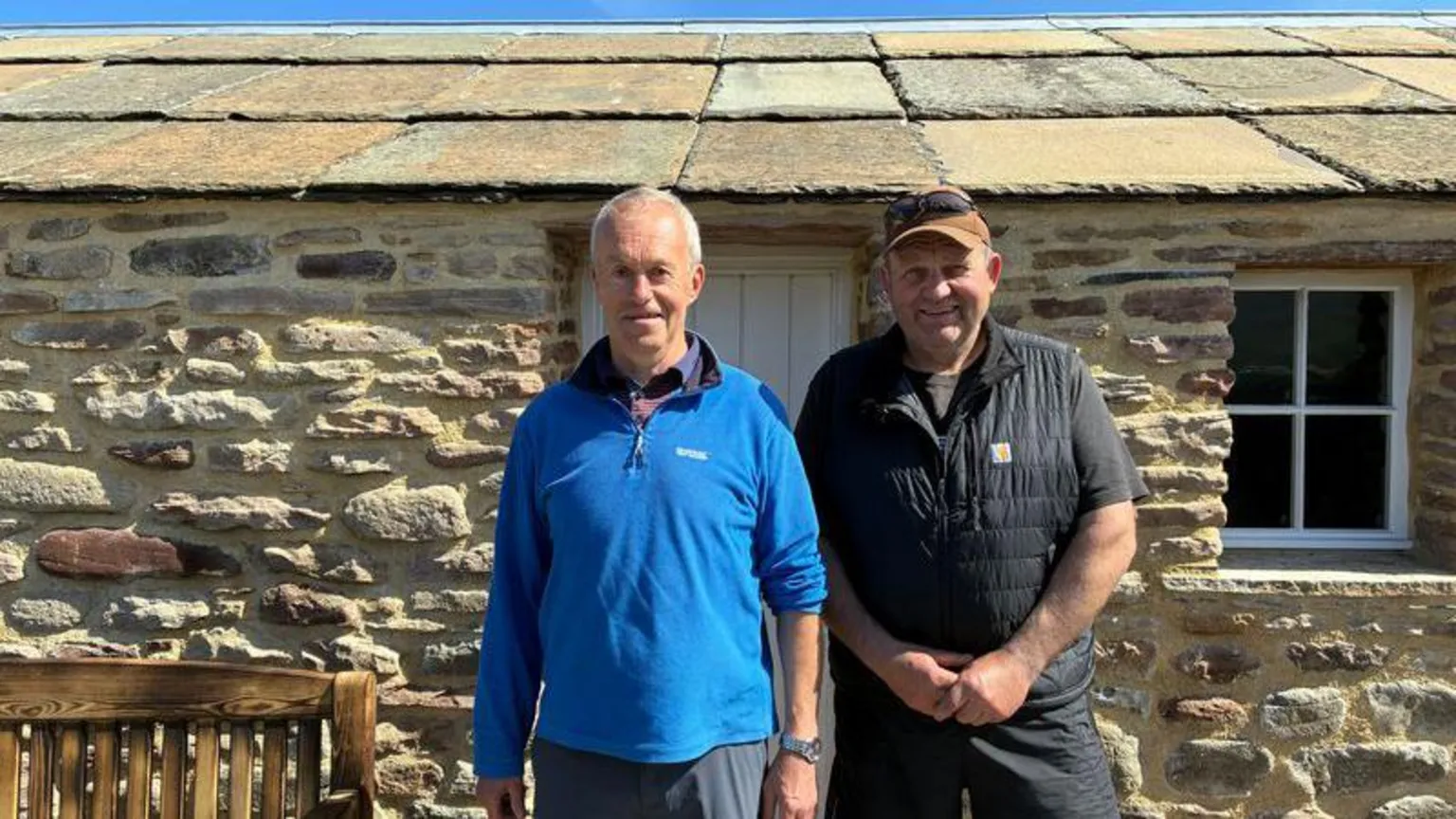
Upon arrival at the bothy, I met Martin Flett, vice-chairman of the Hoy Trust, and Graham Brough, one of the contractors responsible for the renovation.
Brough, along with his brother Ian, his sons Glen and Craig, and local stonemason Ben Glue, worked on the restoration for six months during a long, dark winter.
The decision to remove the heather-thatched roof was difficult but necessary due to the extensive water damage it caused.
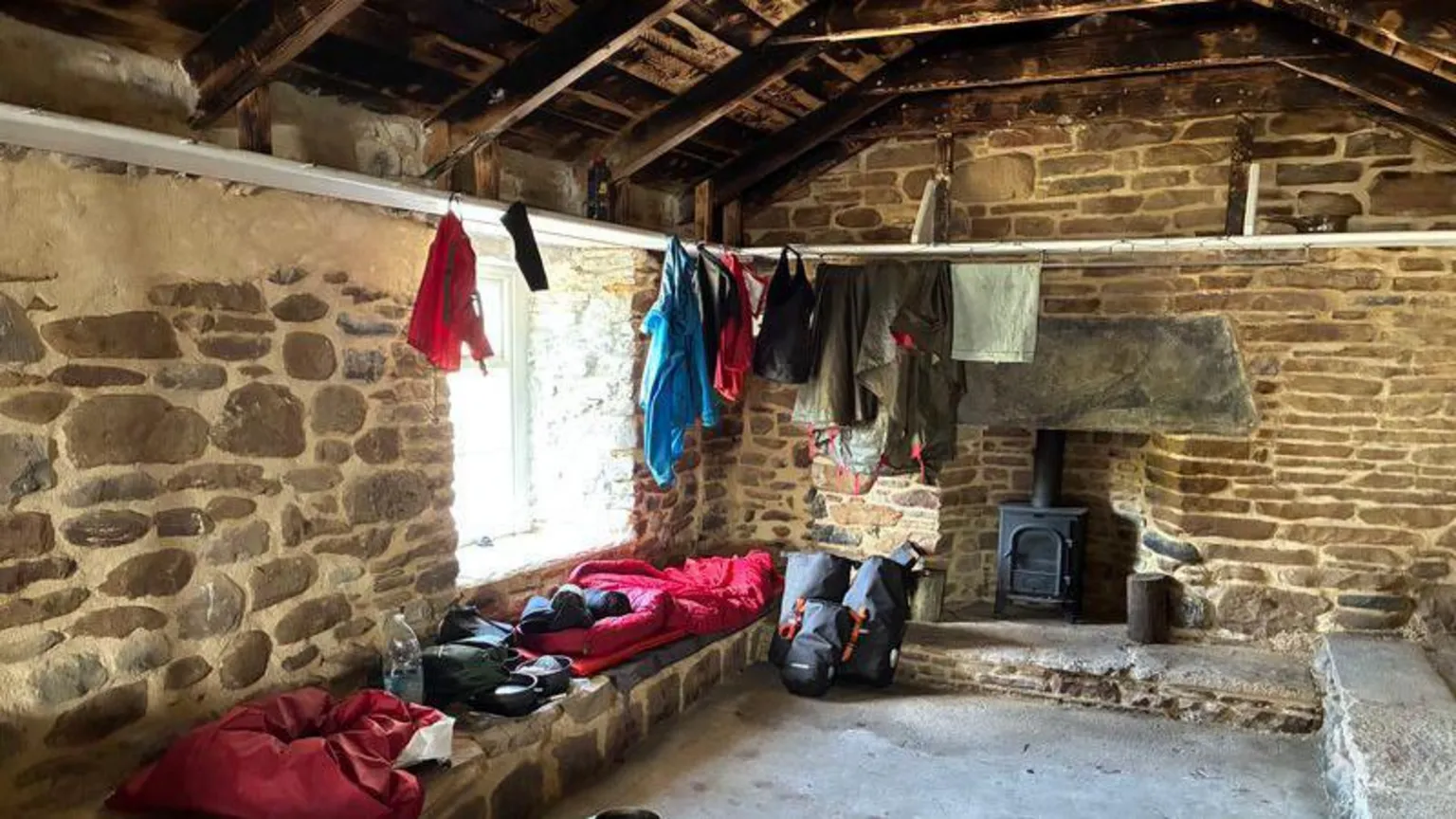
Now, the bothy has been picked, pointed, and reroofed with stone slabs, resulting in a much cosier interior.
Flett commented,
"The roof was leaking awful bad and the windows and doors were knackered, so it's just great to see it up and looking good."
Brough added that although the bothy had been restored previously, this renovation was intended to be long-lasting.

Location and Local Context
Hoy is the second largest of the Orkney Islands but has a population of only about 400, with the Rackwick area being very sparsely populated.
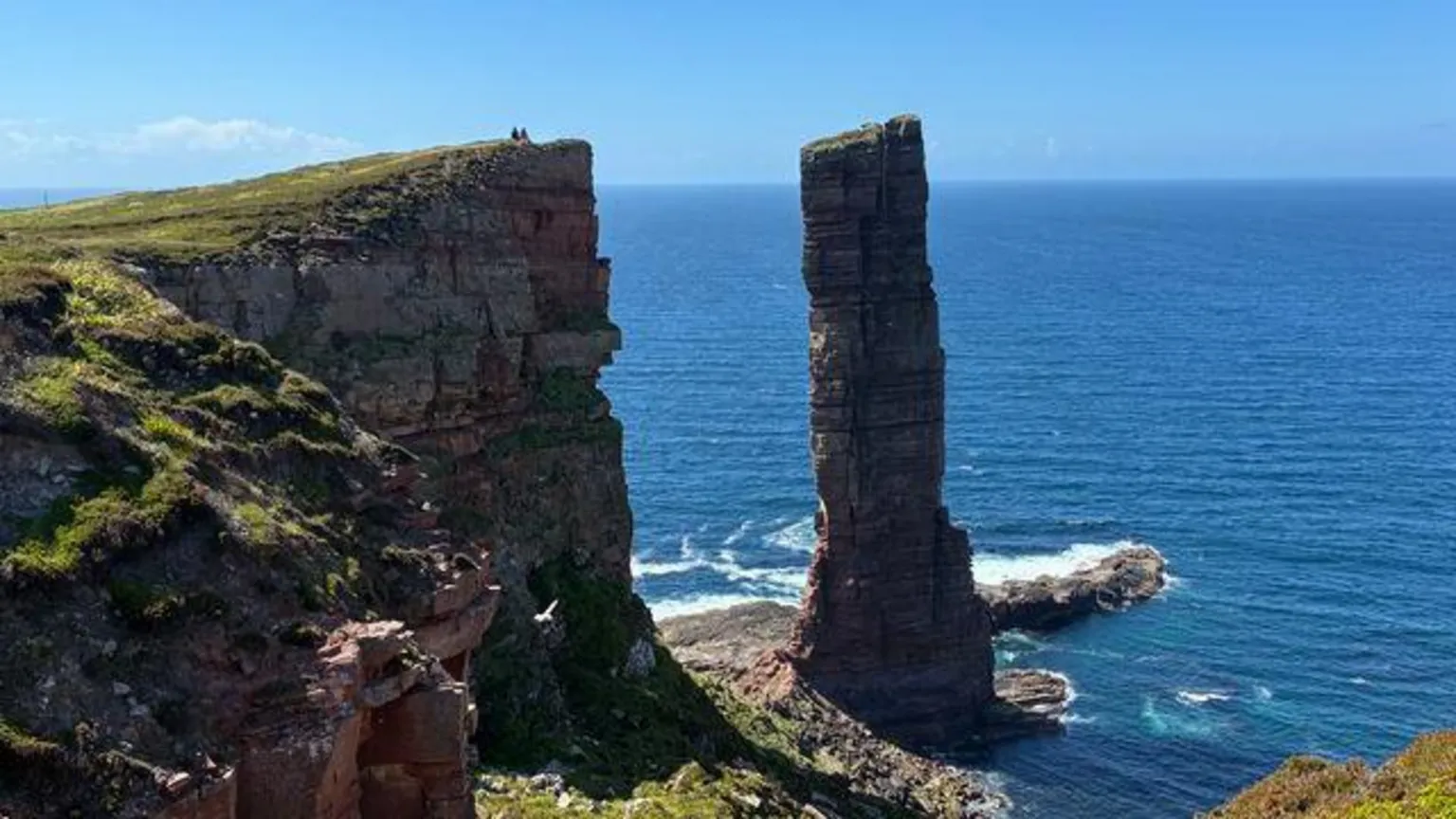
The bothy's main attraction is its proximity to the Old Man of Hoy, an iconic 449ft (137m) sea stack popular among climbers.
Many climbers use the bothy as a base for ascending this famous stack.
Visitor Experiences
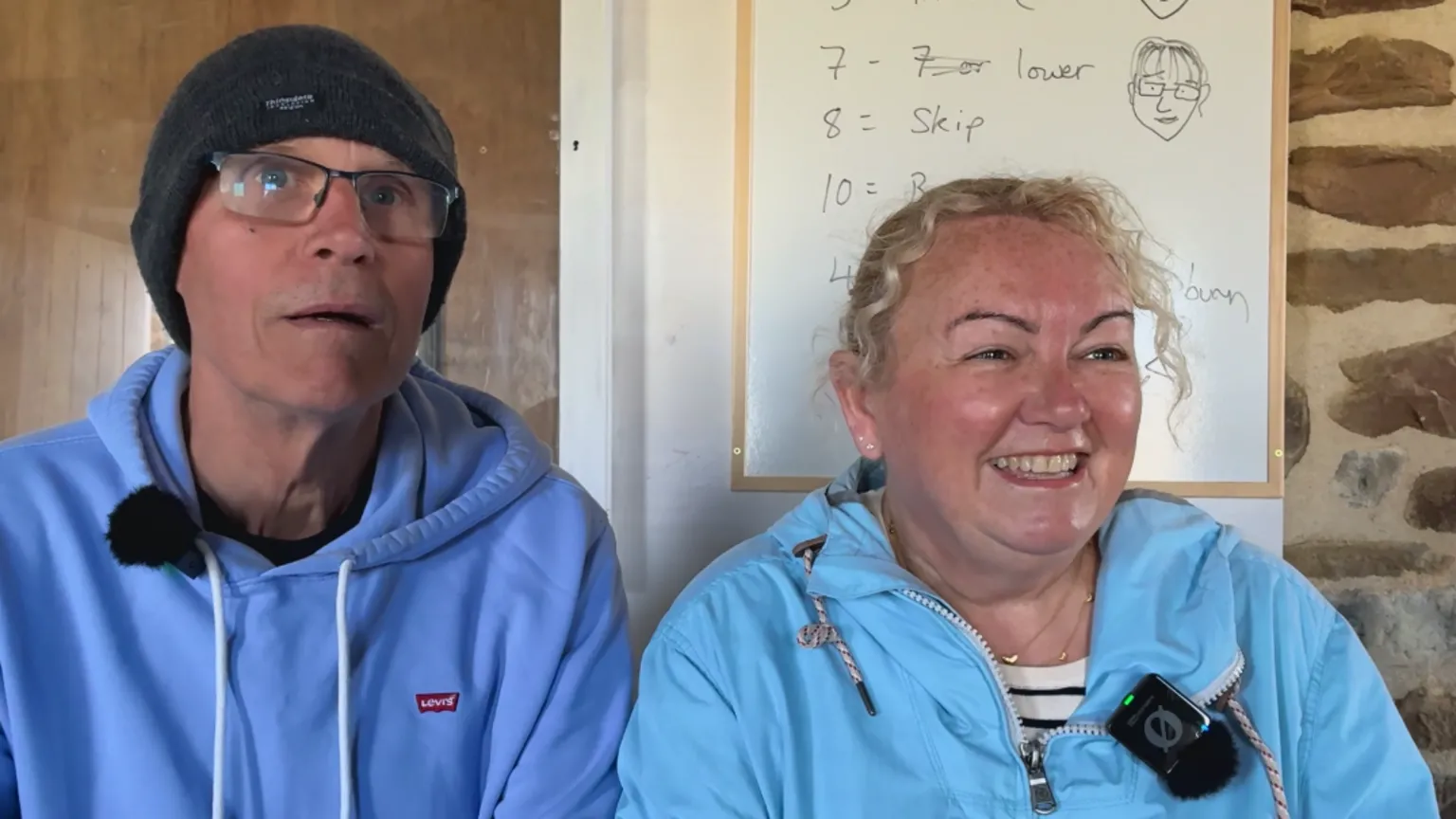
Inside the bothy, I met Andrew and Lorraine Reilly, who had traveled from Lancashire after first visiting 30 years ago.
They were amazed by the transformation since their previous visit.
Andrew said,
"It was very basic, very simple, nothing like this. This is amazing compared to what it was like. It was so draughty, so cold, even in the summer, with the wind blowing through."
Lorraine added,
"It was a bit of a wreck before, but it's really beautiful what they've done."
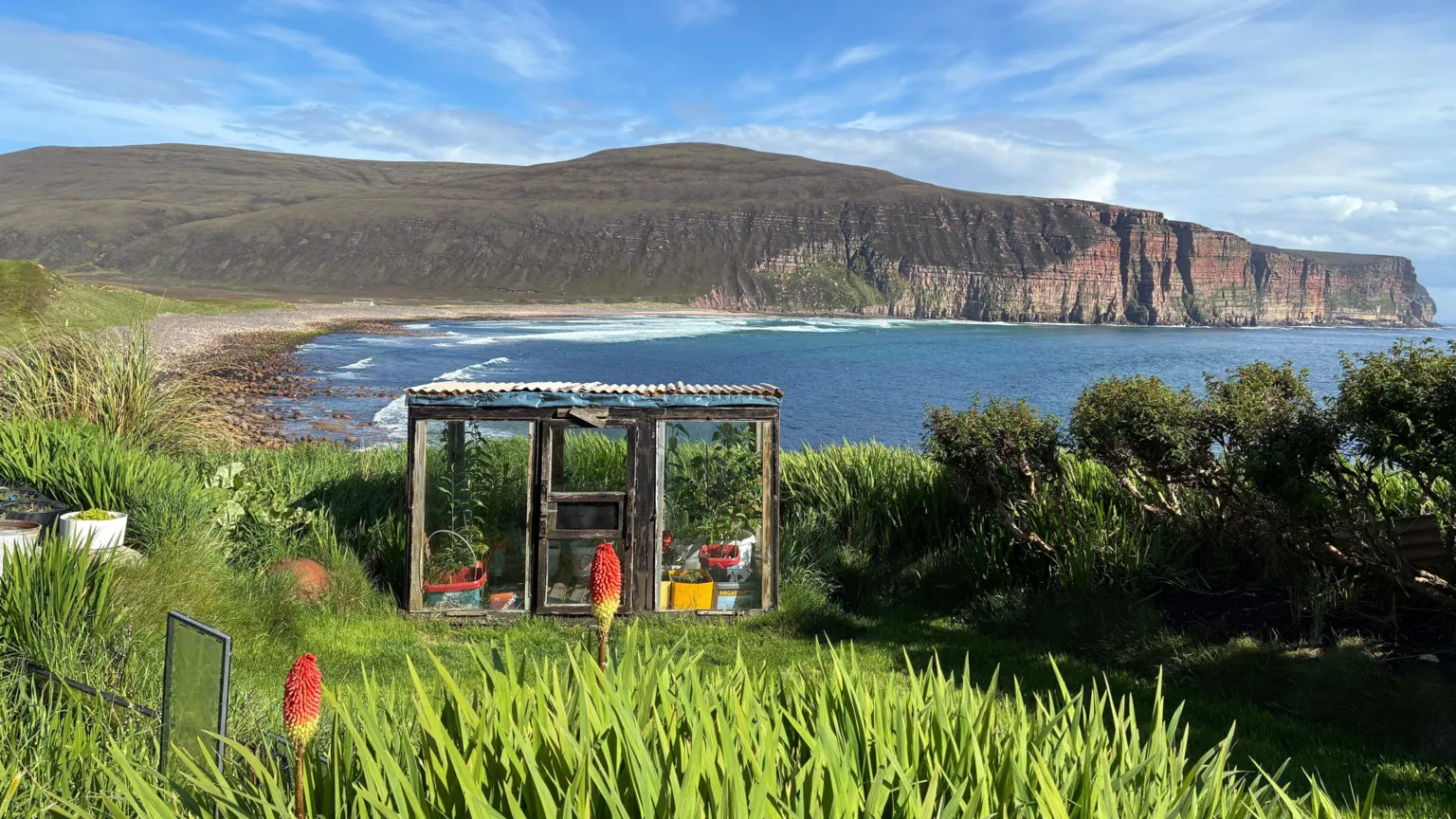
Rackwick's longest-standing resident, Davey Hutcheson, known as "Hutch," has lived in the area for over 40 years in a house powered solely by a small wind turbine and storage batteries.
He remarked that the bothy had been "on its last legs."
He said,
"It was getting to be very dangerous, but now that it's been completely transformed, it will bring new life to the place. I can honestly say the whole restoration has been award-winning. When you look at Burnmouth now, illuminated by the evening sunlight, you can readily see what that house looked like 150 years ago, when the newest house in the valley was completed."
Wildlife and Surroundings
It is not only people who appreciate the bothy and its surroundings. Orkney has a higher population of sheep than humans, a fact keenly felt in Rackwick.
Sheep roam freely around the bothy, although they tend to run away if approached for petting.
At least I knew I was not alone during the night.
Reflections on the Stay
In the evening, I spoke with Sam Johnston, an ex-climbing instructor who first stayed in the bothy in 2011 while guiding a group climbing the Old Man of Hoy.
Returning after 15 years for a two-night stay, he expressed satisfaction with the improvements, especially the absence of rodents.
He said,
"I remember there were a fair few rodents crawling around in there, but now, it's certainly the best bothy I've stayed in."
I shared the space with Sam overnight and concurred; it is the best bothy I have ever slept in.
The bothy even featured a private toilet with a working tap, flush, and ample toilet paper.
My sleeping bag was placed on one of the concrete platforms next to the newly installed stove, fashioned from an old pier pile.
The atmosphere was cosy and comfortable, with no draughts throughout the night. However, one thing is certain:
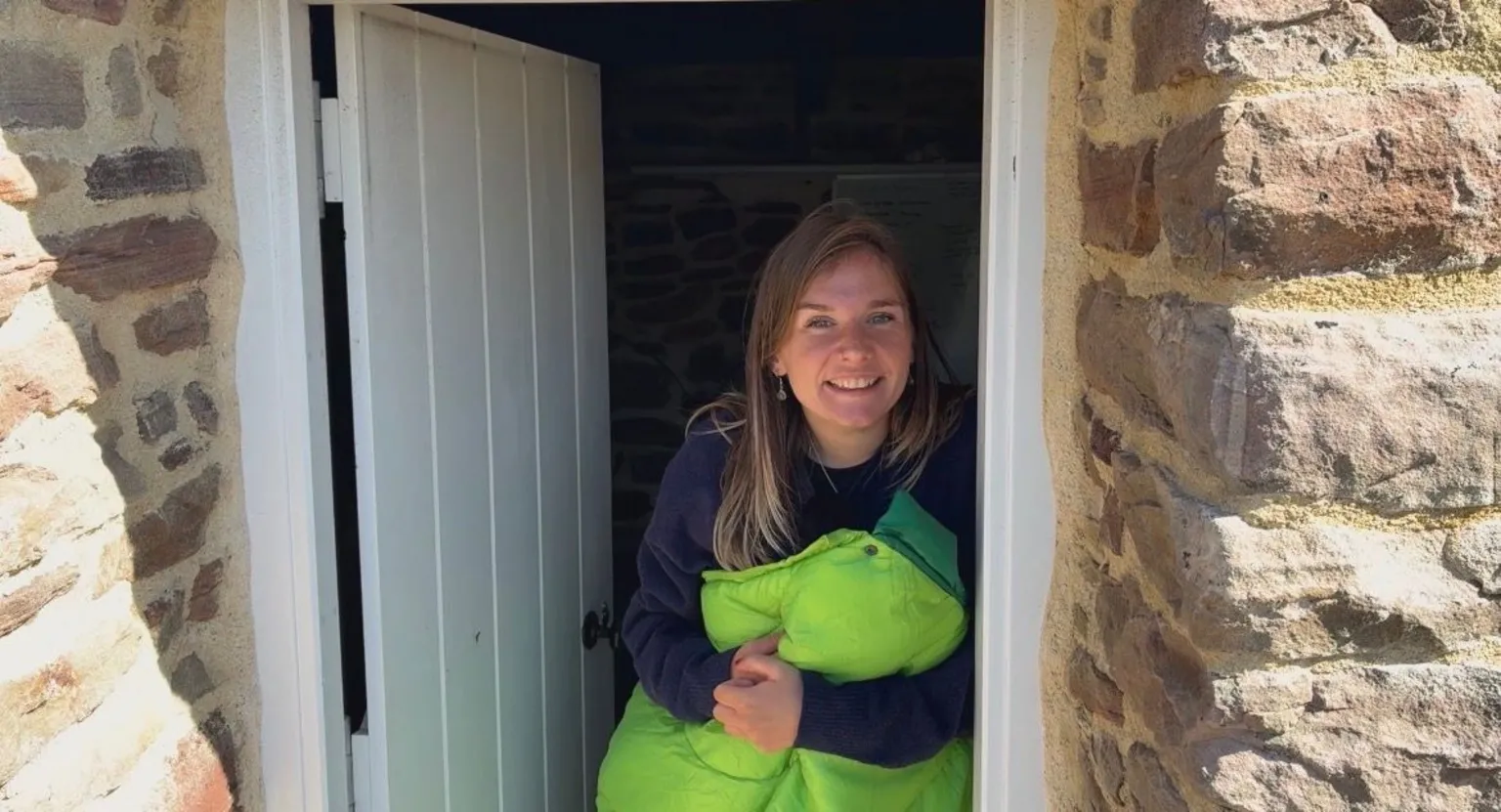
Next time, I am bringing a blow-up mattress.