Turning Point in a Grueling Match
Shortly before 7pm, after 162 minutes of intense play, Alexander Zverev earned his first break point against Jannik Sinner's serve. With the match tied at one set each, this moment represented a critical opportunity in a contest scarce on such chances. Sinner faulted, presenting Zverev with a second serve to attack.
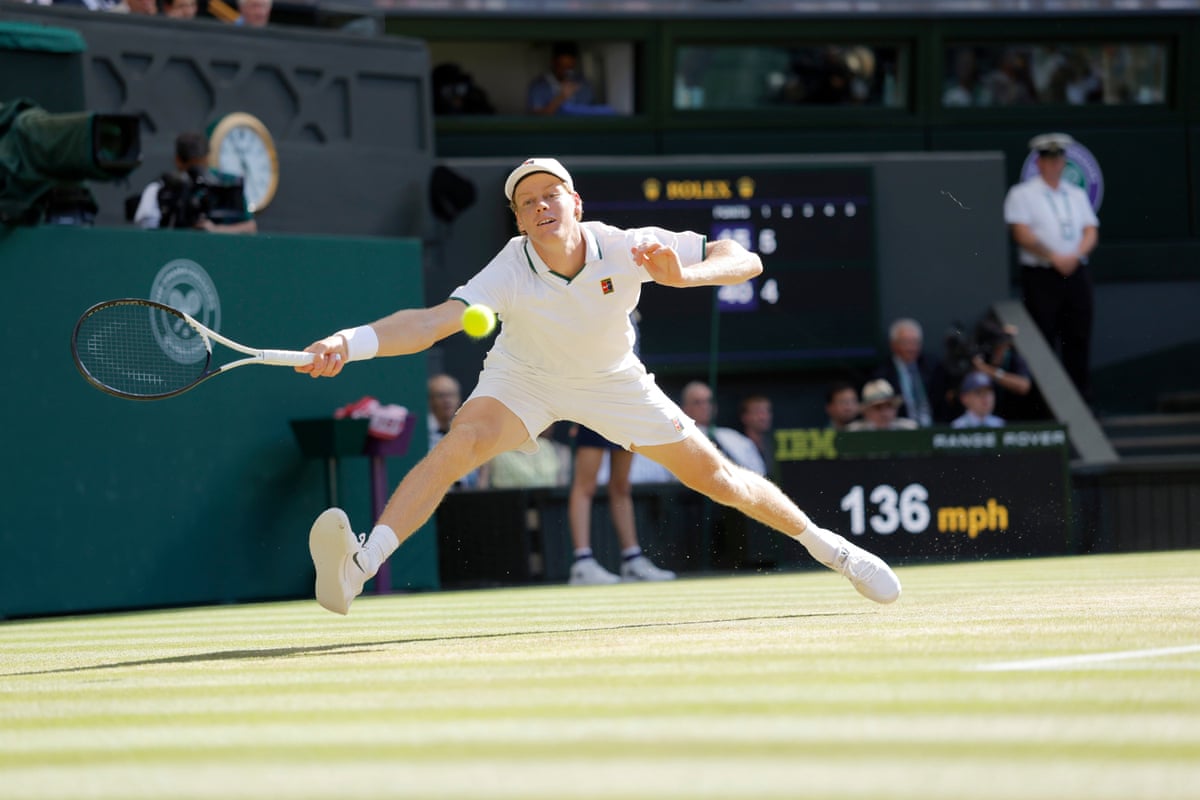
Zverev returned the safer serve with intent, engaging in baseline exchanges without a clear breakthrough. Then, Sinner shifted gears, delivering a flawless backhand down the sideline followed by a precise drop shot that forced Zverev to the ground clutching his knee. In retrospect, this sequence marked the decisive window in the match.
This moment encapsulated the challenge Zverev faced: the world No 1's ability to absorb and repel an opponent's effort and optimism. Soon after, Zverev was broken for the first time, visibly frustrated as he threw his racket. By 7.07pm, he trailed two sets to one, and by 7.56pm, the match concluded with handshakes and photo opportunities. Despite playing arguably his best tournament match, Zverev ultimately succumbed to the formidable Sinner, entering what might be described as the "Sinner Zone."
Sinner's Strengths and the Impact of Conditions
Since Sinner's rise, discussions have focused on his vulnerability to heat and humidity. While this is accurate, it also highlights the limitations of his challengers. Essentially, among approximately 200 competitors aiming to dethrone him, the most effective tactic appears to be hoping for unfavorable weather.
Even this factor favored Sinner in this match. A notable breeze swept across Centre Court as the tournament neared its conclusion, shadows lengthened, and the potential for dramatic shifts diminished. The match maintained a disciplined, almost military rhythm for two sets before allowing moments of human unpredictability. Dominated by powerful serves, the contest hinged on a few minute errors that separate elite players.
Serving Dominance and Statistical Insight
Analyzing the serving statistics reveals Zverev delivered 60 unreturned serves across 21 service games and several tie-breaks, averaging about three per game. This meant that arguably the best returner in men's tennis began nearly every other game at a 40-0 disadvantage before engaging in a rally.

When Zverev secured the first set tie-break with only his second backhand winner of the match, alternative outcomes briefly seemed possible. The No 2 seed entered this match in peak form, believing that his recent performances had unlocked a new level of aggression and precision. Prior to this year, he had not defeated a top-10 player on grass in a decade, never advanced beyond the fourth round at Wimbledon, and had lost all nine previous encounters with Sinner. As he returned to his seat, he may have sensed a breakthrough was within reach.
Sinner's Performance and Tournament Context
By any standard, this tournament has not showcased Sinner at his best. His play was occasionally wasteful, and his demeanor somewhat tense. Nonetheless, his core strengths endured: the capacity to deliver four perfect serves at 0-30 down, extinguishing opponents' opportunities before they materialized; a strategic mindset; athleticism; and the flair to execute a no-look angled backhand when serving for the title.
Simultaneously, this Wimbledon was not a classic edition. It unfolded amid the backdrop of football events, featuring the usual drama and emerging talents such as Arthur Fery and Linda Noskova, alongside veterans like Serena Williams and Stan Wawrinka. Yet it felt increasingly like an isolated garden party, a minor event in the broader cultural landscape.
Men's Tennis Landscape and Future Prospects
Until Carlos Alcaraz returns from injury, men's tennis occupies a similar void: abundant in talent and intrigue but lacking crossover superstars. Sinner is a brilliant player and already among the all-time greats, yet he remains relatively unknown outside his home country. Zverev faces personal controversies, including allegations from former partners which he denies. The younger generation, including João Fonseca, Jakub Mensik, Learner Tien, and Rafael Jodar, shows promise but must secure significant victories to gain wider recognition.
Sinner's Triumph and Reflection
None of these factors seem to affect Sinner, whose Grand Slam title drought ended at a mere three tournaments. Unlike previous champions who exhibited emotional outpourings, Sinner displayed calm satisfaction. The repeated experience of success often diminishes the intensity of new emotions. Holding the trophy close, he appeared content, as if fulfilling a solemn personal commitment.