

Frustrations of Mobile Connectivity at Sports Events
Ben Jones acknowledges that some frustration is inevitable for football fans, but believes it should stem from the game itself rather than from an inability to use mobile phones within the stadium. He finds it particularly aggravating when he cannot call friends or check scores of other matches due to poor signal.
"It's going to affect things so much, if this team wins, if that team draws…" says the creative director from North London. "So, to then go on your phone and find that you can't even get a bar? It's crazy."
Connectivity, both mobile and fixed, is essential when large crowds gather for sports tournaments, cultural festivals, or business events. Failures in connectivity negatively impact both venue operators and attendees.
Advanced Connectivity at Everton's Hill Dickinson Stadium
One of the UK's newest sports venues, Everton's Hill Dickinson Stadium, has been equipped with advanced connectivity developed in partnership with HPE Aruba. On matchdays, the stadium manages 11Gb of inbound and outbound bandwidth and handles data transfers totaling 205TB.
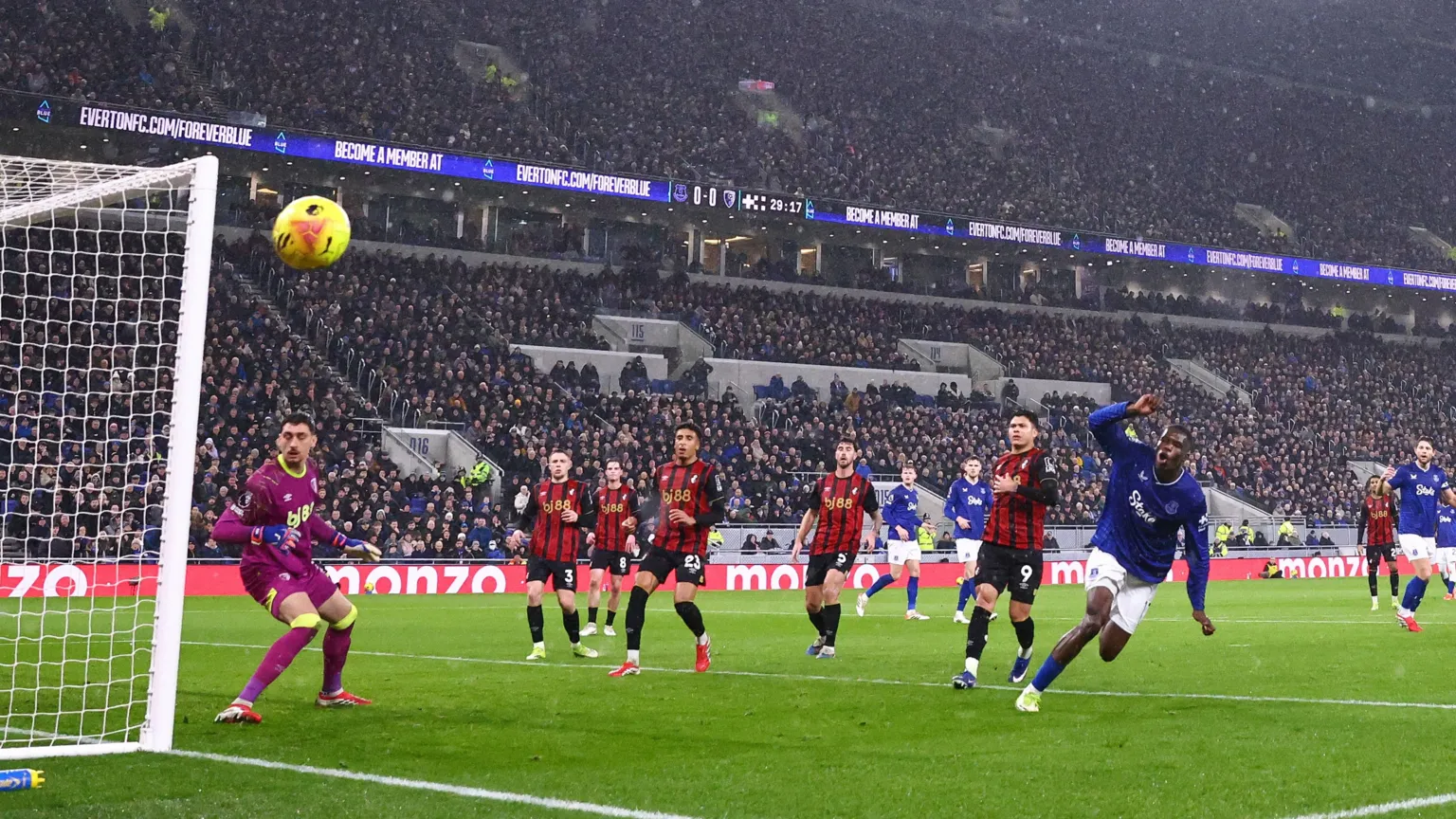
The network supports up to 18,000 simultaneous Wi-Fi connections, complemented by a distributed antenna system (DAS) that enhances mobile phone coverage throughout the stadium. Phil Davies, IT Director at Everton Football Club, emphasizes the reliability of the system:
"So, you know your phone will work," says Phil Davies, IT Director at Everton Football Club.
This infrastructure enables Everton to meet the demands of broadcasters and photographers, as well as emergency services and security personnel. It also enhances the fan experience by supporting ticketing, stadium maps, and cashless payments for food, drinks, and merchandise.
Connectivity Demands in Professional Football
In professional football, organizations such as the Premier League, UEFA, and FIFA impose strict connectivity requirements, primarily due to the substantial bandwidth needs of broadcasters. For example, an elite event like the Champions League final may involve over 40 cameras, each requiring approximately 1.5Gbps of bandwidth, according to Peter Coppens, VP of product at telecom provider Colt Technology.
To accommodate this, stadiums typically have two high-capacity fibre connections for inbound and outbound data. By comparison, Ofcom considers 10Mbps download and 1Mbps upload speeds as "decent" for domestic broadband, which is about 150 times less bandwidth than required for a Champions League match.
Challenges in Older Venues and Physical Limitations
While newer venues can integrate connectivity solutions to support operations and provide better Wi-Fi and mobile coverage for attendees, visitors to older sites often face connectivity challenges. Elliot Townsend, senior director at HPE Networking, explains that the physical structure of stadiums, composed of steel and concrete and filled with thousands of people, creates a difficult environment for network signals.
Sports events generate demand spikes, such as during half-time, while concerts exert continuous, sustained pressure on networks. This demand can extend beyond the venue itself.
"Mass crowds at stadiums and cultural sites place immense strain on mobile networks," says Gareth Elliott, director of policy and communications at trade association Mobile UK, "often exceeding local capacity as thousands share limited bandwidth simultaneously."
Technological Advances and Infrastructure Challenges
Mobile operators are deploying technologies like 5G and 5G Standalone (5GSA), which will enable them to connect many more users in and around venues. However, these infrastructure upgrades often face delays due to local objections.
"To have that signal, you need that infrastructure, and that's where the planning system comes into play," Elliott explains.
He predicts that service levels, speeds, and user experience will improve over time, with some progress already evident.
Connectivity at Temporary Events
Simon Wilson, chief technology solutions leader at HPE Aruba Networking, highlights the challenges of providing connectivity at temporary events such as golf tournaments or music festivals. Infrastructure is often installed only weeks before the event, yet failure is not an option, especially for sports where timing is critical.
"It's obviously unacceptable," says Wilson, "If you're five seconds late for the 100 metres."
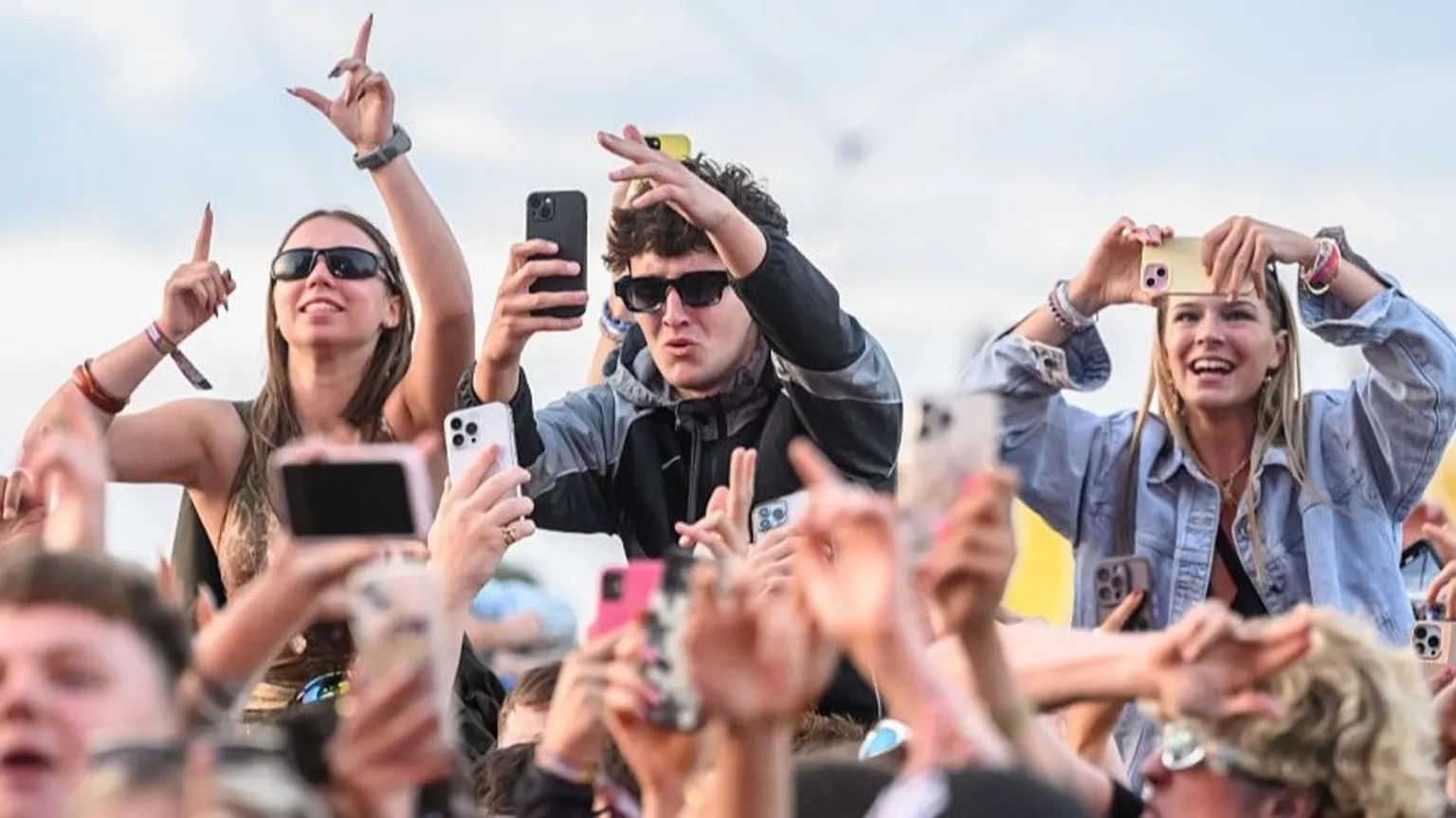
Connectivity is vital not only for broadcasters but also for fans, who use mobile devices to contact friends, access tickets, navigate venues, and make payments. Additionally, venue back-end systems rely on connectivity for cashless sales, ticketing, crowd control, and safety.
Connectivity Importance at Music Festivals
Jess Scott, part of the team organizing Guilfest, an annual two-day music festival in Surrey, understands the significance of connectivity for both attendees and event organizers, regardless of event size.
"We have wi-fi in the box office, wi-fi in the production office," she explains. This year, Guilfest will operate its own bar with connected payment terminals. Scott notes from experience that if the Wi-Fi fails, "You can't take payment for anything."
Balancing Connectivity and the Event Experience
There is also consideration of whether attendees desire constant connectivity. Jess Scott observes that some music fans may view disconnecting from phones as part of the festival experience.
Phil Davies from Everton acknowledges that while technology helps fans share their experiences from their seats, the club aims to foster a vibrant stadium atmosphere.
"Having large sections of the crowd looking at their phones, not at the action on the pitch, could undermine that. There's a balance to be struck," he says.
For football fan Ben Jones, the inconsistency in mobile service remains a source of frustration. He can perform some tasks on his phone, such as using digital tickets or paying for food, but struggles with others.
"You kind of sit and think, 'Oh, isn't technology great', until you have to do the traditional old thing of actually phoning somebody."


