

Early Peak Performance in Sports
Des Ryan, director of sports and physical wellbeing at the University of Galway, lives on Ireland's west coast and visits Arsenal matches only a few times a season. His recent trip to the Emirates Stadium coincided with a significant moment for Max Dowman, a player Ryan had coached in the under-12s just a few years prior.
“If you’re an academy specialist, then seeing the young people get their debuts, that’s your trophy,”
Ryan, who led Arsenal academy’s athletic development for nine years, recognizes that while Dowman’s talent is exceptional, his early debut is part of a broader trend. Marli Salmon became Arsenal’s youngest defender at 16 in December, and Brando Bailey-Joseph replaced Gabriel Martinelli in a Champions League match at 17. Ryan observes,
“These older teenagers are playing adult sport, and excelling at it.”
Teenage talent has always been captivating, but recently, there appears to be an influx of young prodigies. For example, 17-year-old skateboarder Sky Brown recently competed in Brazil. Brown, who won her first gold medal at 14 and became Britain’s youngest Olympic medallist at 13, shares a rare distinction with Luke Littler, a two-time darts world champion by 18.
Snowboarder Mia Brookes, despite some recent disappointments, became slopestyle world champion shortly after turning 16, indicating significant potential for future success. Similarly, Emma Raducanu ended Britain’s 44-year wait for a women’s singles grand slam title at 18.
Is This a New Trend or an Optical Illusion?
Is the surge of teenage prodigies a genuine pattern or just an illusion perceived by aging sports fans? Jacob Bethell became the youngest man to captain England’s cricket team against Ireland in a Twenty20 series last September at 21, breaking a record held since 1889. His squad also included Rehan Ahmed, the youngest Englishman to play a Test match.
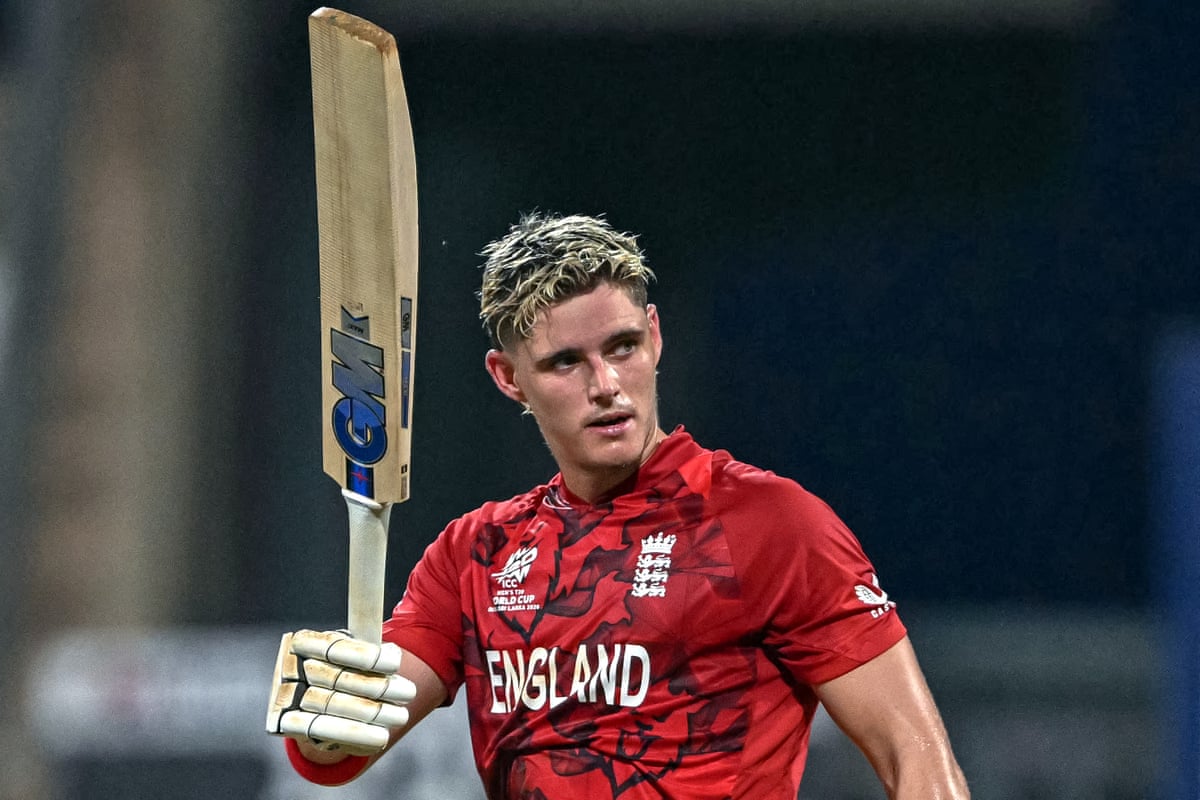
Despite these examples, teenage sensations are traditionally considered rare outliers. Data shows that the average peak performance age across many sports has increased over time. Between 1992 and 2021, the average age of Olympians rose by two years. Since 1991, the average age of professional male tennis players increased from 20 to 26, with similar trends in cricket and football.
Nevertheless, recent weeks have seen exceptional young athletes making headlines. Bayern Munich considered starting 16-year-old goalkeeper Leonard Prescott in a Champions League match, and Sunderland reportedly offered £13 million for 18-year-old Real Madrid academy star Thiago Pitarch. Additionally, 19-year-old Kimi Antonelli became the youngest Formula 3 race winner, second only to Max Verstappen, who won at 18 in 2016.
Youth in Motorsport and Advanced Development Programs
Motorsport, particularly Formula 1, exemplifies the trend of younger competitors. The grid features young drivers like Oliver Bearman, Isack Hadjar, and Gabriel Bortoleto, all aged 21, alongside slightly older drivers Oscar Piastri (25) and Lando Norris (26). Even senior drivers Charles Leclerc and Max Verstappen are under 30.
F1 driver academies have become some of the most advanced athlete development programs, utilizing sports science, psychology, and next-generation simulators to prepare drivers for racing demands with less track experience and at younger ages.
The Premier League has similarly revolutionized youth training through the Elite Player Performance Plan (EPPP), introduced in 2012. Ryan, who transitioned from Irish rugby to Arsenal’s academy, notes the system has transformed football development.
“It’s quite clear England are benefiting from it with lots of new talent,”
“When you have excellent resources, be it physical, medical, psychological, social, educational, that does increase player readiness.”
Scientific Support and Physical Development
Sean Cumming, professor of paediatric exercise science at the University of Bath and a pioneer of biobanding in English and Scottish football, agrees that modern athletes receive unprecedented support. Biobanding groups athletes by growth and maturation rather than chronological age, addressing the physical demands of contemporary football.
“The game itself is incredibly physical now – players are faster, more powerful, stronger. To compete at that level, you have to be able to physically compete against full-grown adults, and some of your late developers simply won’t be able to do that until about 20.”
“But early developers who reach physical maturity at, say, 16, are getting better support than they’ve had previously. Athletes are in a very privileged position now in terms of the knowledge and awareness of how to support them.”
In Premier League category-one academies, young footballers receive developmentally appropriate strength and conditioning training focused on technique rather than heavy weights, preparing them for future physical demands.
Balancing Opportunity and Caution
Despite the benefits of investment in sports science and coaching, Cumming emphasizes the need for caution. Even early developers’ bodies continue growing into their early 20s, making them vulnerable to injuries and requiring careful workload management.
Ryan also expresses concerns about integrating youth athletes into adult sports environments, especially in football.
“At the end of the day, the male brain doesn’t mature till 23 – they can do silly things, make mistakes, they need people around them. So while I’d highlight the safeguarding, security, education, player care, mentoring that’s in place in category one academies, I’d have concerns about young people being fed into the adult dressing rooms below that.”


