

Original Hampden Park Awarded Scheduled Monument Status
The site of the original Hampden Park, widely regarded as the world’s first international football stadium, has been granted protected status by Historic Environment Scotland (HES).
Concerns emerged last year that the grounds located on Kingsley Avenue in Glasgow’s southside might be redeveloped into residential flats following the closure of the bowling club that occupied the land.
This raised the possibility that the area could be repurposed for commercial development or other uses, which alarmed heritage campaigners. They emphasized that the original Hampden Park, which hosted international matches and Scottish Cup finals between 1873 and 1883, deserved recognition and preservation.
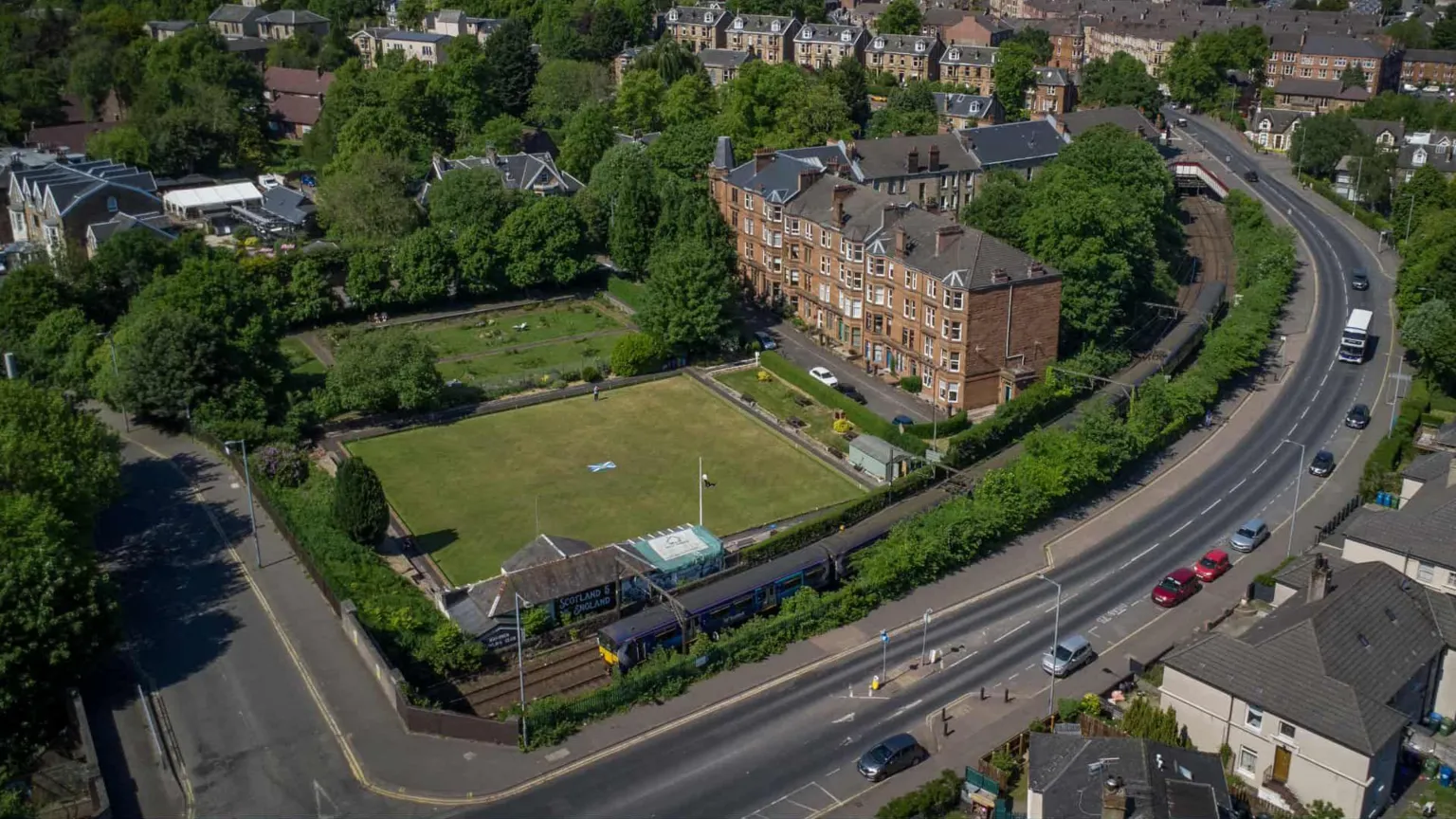
In response, HES has now designated the site as a scheduled monument, acknowledging its significant role in football history.
The scheduled monument status aims to protect important Scottish sites by preserving them as closely as possible to their current condition, reflecting the heritage passed down through generations.
Archaeological Discoveries and Historical Significance
Remnants of the original football stadium were uncovered during an archaeological excavation conducted in 2021. The site is notable for hosting a famous match in 1882 where Scotland defeated England 5-1.
When Queen’s Park Football Club constructed the stadium, it marked a departure from the common practice of playing on adapted cricket grounds, such as the West of Scotland ground in Partick, where the world’s first international football match between Scotland and England took place in 1872.
The Hampden Park ground is recognized as the first stadium to incorporate features now standard in football venues, including grandstands, turnstiles, and season ticket systems for entry.
Official Statements and Public Support
Dara Parsons, head of designations at Historic Environment Scotland, commented on the designation:
"It feels timely to recognise the central role that Scotland played in the development of the sport, and the place of First Hampden within that story.
"The remains of the pavilion at the first Hampden are a link to the earliest days of football in Scotland, and its importance to, and impact on, communities. It is a monument to our national game and to the origins of the modern football stadium."
The decision to grant scheduled monument status followed a public consultation that revealed strong support for the designation.
Parsons added:
"We'd like to thank everyone who took time to take part in our consultation and share their valuable contributions.
"We had a great response, and we are looking to continue that engagement over the summer where we will be asking people to suggest important football heritage sites from across the whole of Scotland for us to investigate."
Subsequent Developments and Current Status
The original Hampden Park was succeeded by a second stadium in 1884, followed by the third and current Hampden Park located in Mount Florida, which opened in 1903.
In 1905, Hampden Bowling Club took over the land of the original stadium but ceased operations earlier this year.
Context of Scheduled Monuments in Scotland
Scotland currently has over 8,000 scheduled monuments, encompassing a wide range of historical sites.
Recent additions to the list include World War Two gun emplacements and anti-invasion defenses.
The scheduled monuments cover diverse types of heritage, including prehistoric burial mounds, Roman forts, early Christian carved stones, and industrial mills.


