

Tottenham's Struggles Confirmed by Heavy Derby Defeat
Tottenham Hotspur's significant 4-1 defeat to Arsenal in the north London derby on Sunday has underscored the serious challenges facing Igor Tudor's squad. Positioned just four points above the Premier League relegation zone after this home loss, Spurs confront numerous issues that threaten their top-flight status.
The team has failed to secure a league victory since the start of 2026 and has only won two league matches since 26 October 2025. Aside from bottom-placed Wolves, Tottenham, currently 16th in the table, have the poorest form in the division.
Interim head coach Tudor is managing a substantial injury list while preparing for a Champions League last-16 fixture. Concurrently, he is introducing new tactical approaches in an effort to avoid the unprecedented scenario of relegation to the Championship. Historically, Spurs have spent only one season outside the top tier since 1950, which was in 1977-78.
evaluates Tottenham's precarious position, the potential consequences of relegation, and whether the club's stature makes demotion unlikely.
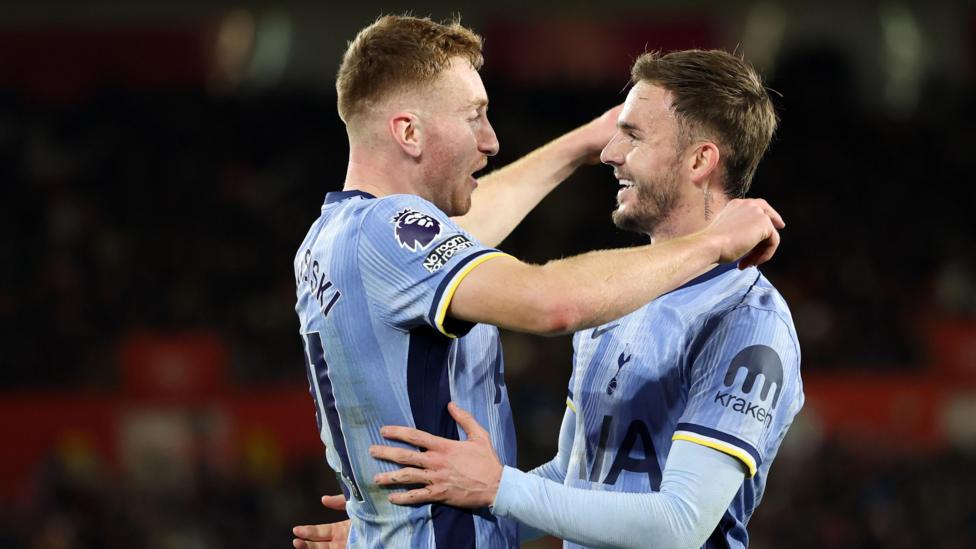
Will Tottenham Have Enough to Avoid Relegation?
With 11 Premier League matches remaining, Tottenham's schedule includes an away game at Wolves and home fixtures against teams near them in the standings, such as Crystal Palace, Brighton, Nottingham Forest, and Leeds United. However, their home form this season has been notably poor, raising doubts about their ability to capitalize on these opportunities.
At Tottenham Hotspur Stadium, the team has recorded only two wins and accumulated 10 points from a possible 42, with only Wolves earning fewer points at home. Sports analytics firm Opta estimates Spurs' relegation probability at 4.84%. More concerning for supporters is that since their last league win against Everton on 26 October, Tottenham have averaged just 0.67 points per game. If this trend continues, they would gain approximately seven more points, finishing the season with 36 points.
"I would be really surprised if they weren't able to fight their way out of it," former Spurs midfielder Danny Murphy told . "The games coming up are all huge. I think they will have just enough. The fact we are mentioning Spurs going down is unbelievable. It's absolutely ridiculous really. Whether you blame recruitment or the owners, it would be catastrophic for that club. I have heard some fans suggest going down could be the best thing. I just don't see that."
Injury Challenges and the Need for Mental Resilience
Tottenham concluded last season in 17th place but were never seriously threatened with relegation as then-manager Ange Postecoglou managed an injury-hit squad with a focus on European competition. Despite league struggles, the team scored 64 goals and secured a Europa League victory over Manchester United in May, earning a spot in the Champions League.
This season, however, their attacking performance has been underwhelming. To match last season's goal tally, they would need to average 2.45 goals per game in their remaining fixtures. The prolonged absences of key players Dejan Kulusevski and James Maddison have compounded difficulties, with the squad missing 11 players last weekend—more than any other Premier League club.
Former full-back Stephen Kelly commented on Tottenham's situation, suggesting that the club's survival may depend on other teams performing worse.
"You look at the fixtures coming and you feel like they are ones they could absolutely lose," he said. "They need a mentality to be able to perform at home. If you can get back to winning some games that can make a huge difference, but it just doesn't feel like that is going to change between now and the end of the season. I don't really want to admit it, and still feel there are teams that are really poor and won't get themselves out of it [relegation], but the only reason Spurs will be OK is that other teams will do worse. It is not a great thing to be talking about, but is probably going to be the case. It is not looking very good at all."
Relegation Would Have Long-Term Financial Impact
Multiple media reports have highlighted the severe financial consequences Tottenham would face if relegated. The club would experience a significant reduction in revenue from broadcasting, matchday, and commercial sources. Currently, Spurs' wage bill is approximately £254 million, compared to the Championship average of £38 million. Additionally, the club would need to manage £337 million in outstanding payments for current players, complicating transfer activities and player acquisitions.
Football finance expert Kieran Maguire estimates an annual revenue decline of around £261 million. He explained:
"In 2023-24, the most Spurs generated an average of £84 per supporter per match, the highest figure in the Premier League. That figure would face significant downward pressure, not from the size of the crowd, but from what clubs can realistically charge. Corporate clients who pay a premium for a home fixture against Liverpool or Arsenal are unlikely to pay the same for a visit from Swansea. There is also great financial vulnerability around sponsorship. The front-of-shirt deal with AIA, worth around £40m a year almost certainly contains relegation clauses that could halve its value. The kit deal with Nike, estimated at £30m annually, is likely to take a smaller hit. Spurs supporters will still buy replica shirts regardless of division, but a reduction is likely. Broader sponsorship and partner agreements across the club would face similar issues."
"For a club of Spurs' ambitions and financial scale, relegation would not simply be a short-term sporting setback. The economics of English football make recovery a multi-year project."
Historic Examples of Prominent Clubs Facing Relegation
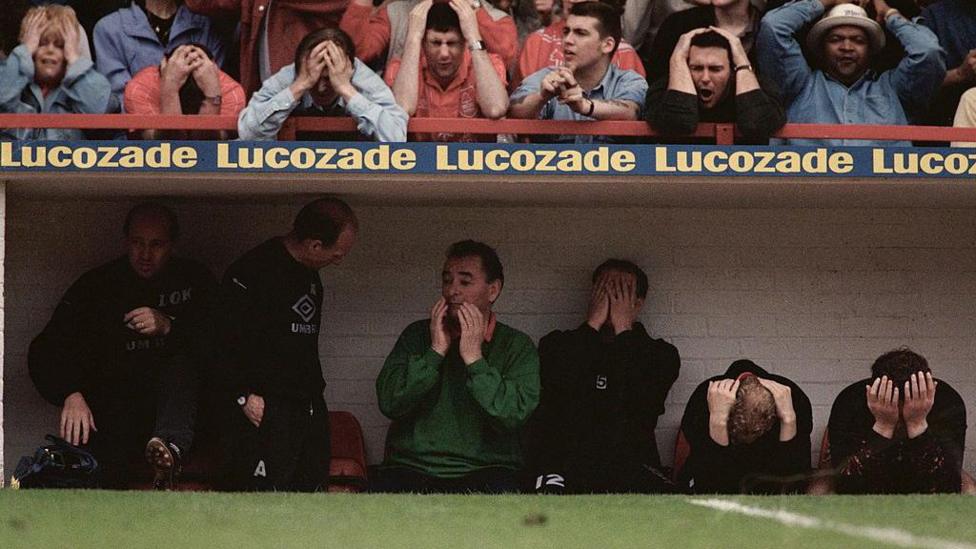
The notion of being 'too big to go down' has been challenged by several high-profile clubs in the past. Nottingham Forest, under legendary manager Brian Clough, were relegated in his final season despite a squad that had previously challenged at the top of the table and reached domestic cup finals. The sales of key players Des Walker and Teddy Sheringham weakened the team, which included notable names such as Stuart Pearce, Roy Keane, Steve Stone, and Nigel Clough.
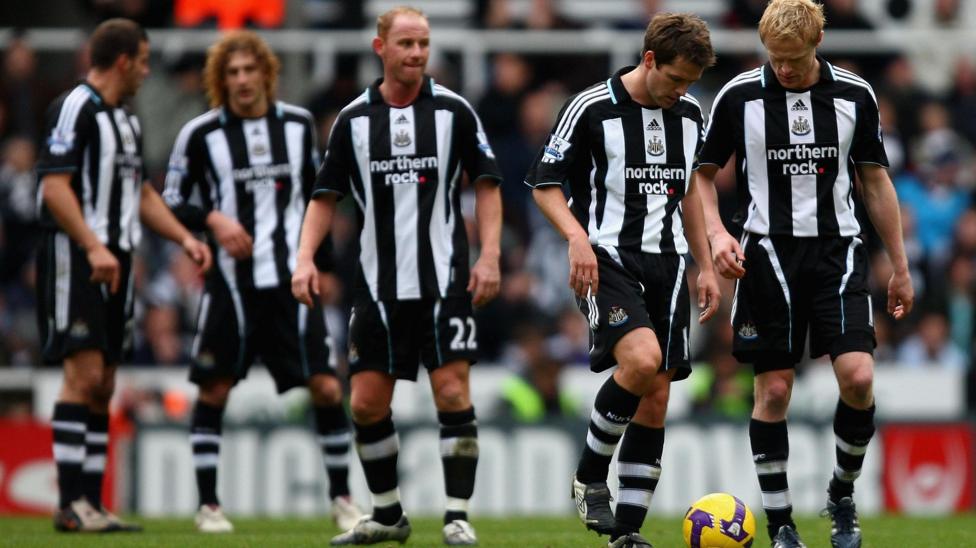
Newcastle United also experienced relegation in the 2008-09 season, despite having players like Fabricio Coloccini, Obafemi Martins, Michael Owen, Damien Duff, and Nicky Butt. They managed only one win and three draws in their final 11 matches that season.
In the 2015-16 campaign, Newcastle again faced relegation despite a squad featuring Aleksandar Mitrovic, Georginio Wijnaldum, and Andros Townsend. They were joined in relegation by former European champions Aston Villa.
The struggle for survival in the Premier League often disregards club stature. Former Spurs midfielder Danny Murphy noted:
"If you keep losing games and confidence drops, it doesn't matter how many good players you have, it gets hard."
Other clubs such as Sheffield Wednesday have not returned to the top flight since their relegation in 2000. Leeds United, English champions in 1992, have dropped as far as the third tier, and Blackburn Rovers, also former Premier League winners, are currently fighting to maintain their Championship status.
Latest Tottenham news, analysis, and fan views
Ask about Tottenham - what do you want to know?


