

Rob Key’s Cult Status and Career Reflections
In the early 2000s, when the internet was primarily a place to watch viral clips like babies biting their siblings or follow cricket matches remotely, a memorable gif of Rob Key circulated widely. In it, Key wore leather boots and waved a cricket bat around his head. The humor was intrinsic to Key’s persona—dry, self-deprecating, and instantly recognizable to cricket fans even two decades later.
Key embodied a particular type of sportsman: one of the last cult heroes of the county cricket circuit. He was often red-faced and out of shape, yet possessed a sharp wit. When asked what advice he would give his 18-year-old self, he quipped:
“Don’t eat biscuits.”
He fondly recalled the best aspect of playing at Canterbury as being the atmosphere at the ground. As a captain and batter, Key was intelligent and reliable, regularly scoring a thousand runs each summer—arguably a better player than he acknowledged himself.
He maintained a humorous perspective on his international career, which included a double century at Lord’s and a second stint in a squad of county specialists selected for the World T20, a campaign that ended in an unexpected loss to the Netherlands.
Challenges in the Managing Director Role
Given this background, it is perhaps unsurprising that Key’s tenure as managing director of England men’s cricket has become a subject of widespread commentary and memes. After stating:
“Dobbing it on a length at 75mph with the keeper up doesn’t work in Test cricket,”
he has since witnessed England lose matches to teams employing exactly that tactic, often accompanied by ironic references to the theme from Curb Your Enthusiasm.
There is a growing perception that Key may soon be the only member of the current England cricket leadership without a secure position.
Leadership Dynamics and Public Reaction
Two weeks ago, Ben Stokes was considered the likely figure to remain in the leadership team. However, public sentiment led the England and Wales Cricket Board (ECB) to reconsider, recognizing that a popularity contest involving one of England’s most iconic cricketers in recent decades was not advisable. Stokes himself emphasized the extent of public support he had received in a recent statement.

Moreover, among the three men in the leadership team, it is arguably not Stokes—who has taken 250 wickets and scored 7,250 runs—who is most dispensable.
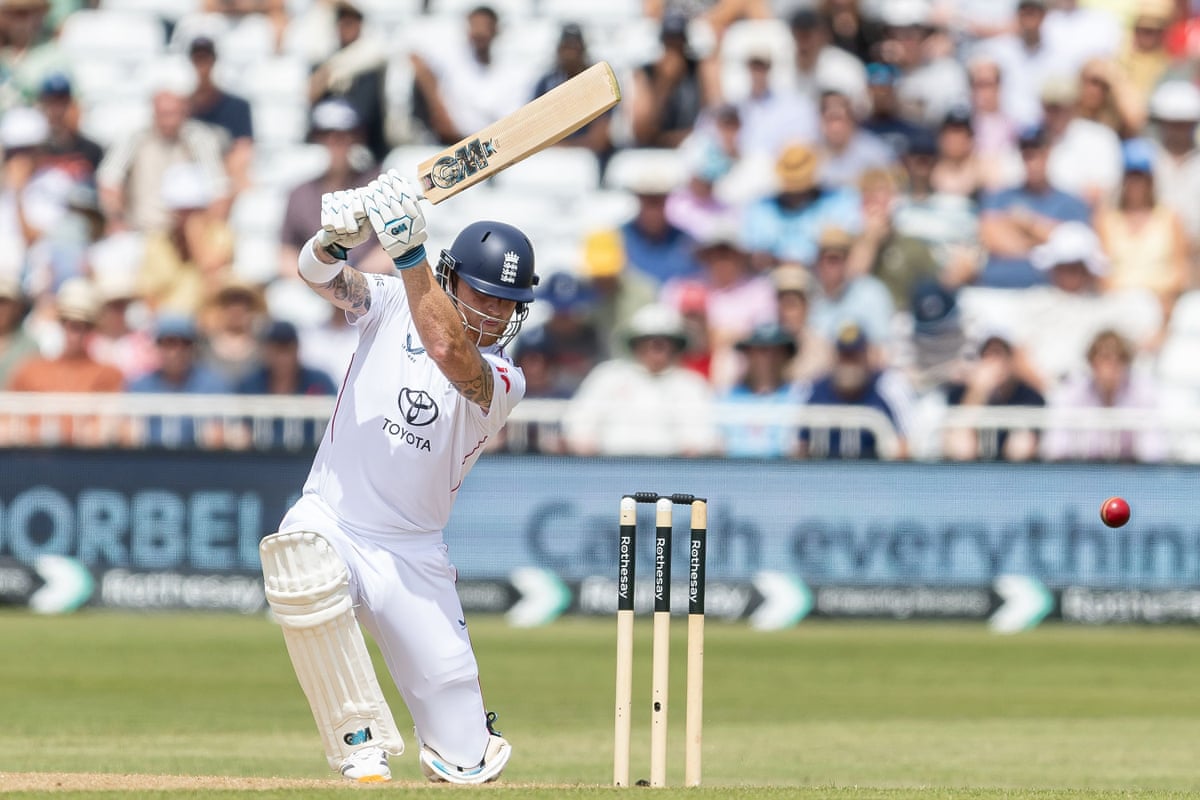
Instead, responsibility for the current difficulties appears to have centered on the team curfew’s credibility. Reports indicate that Stokes’s management team systematically dismantled the curfew, citing its lack of formal documentation. Stokes’s statement on the matter read:
“If you look at the investigations that happened, both internally and with the regulator, nothing was brought against me and Gus in terms of that.”
The primary errors seem to lie in direction and management, areas that fall under the managing director’s remit. Since Key’s press conference before the second Test, he has not been seen publicly.
New Appointments and Support for the Coaching Staff
Meanwhile, England’s new national selector, Marcus North, who has served as Durham’s director of cricket for eight years, has been actively engaging with the media and even participated in the team huddle before the Test match began.
North is closely aligned with Stokes and has spoken extensively about his respect for Brendon McCullum, England’s head coach. McCullum’s approachable demeanor should not be mistaken for political naivety; his experience in managing complex situations is well recognized by former teammates and colleagues.
Stokes has publicly defended McCullum, and North has praised the positive impression McCullum has made in their brief time working together.
Speculation about the financial implications for the ECB if McCullum were dismissed following a potential series loss against New Zealand suggests a cost exceeding one million pounds, providing a strong incentive to retain him. However, questions remain about whether McCullum is the optimal figure to guide the next generation of English Test cricketers.
Rob Key’s Mistakes and Potential Oversights
Key has made several errors during his tenure, notably in managing England’s central contracts and handling relationships with players who were dropped. Yet, it is possible that his most significant misstep has been a lack of seriousness in addressing the challenges facing the team. As the saying goes, if you cannot identify the scapegoat at the table, it may be because it is you.


