

Ian Bell on Coaching and the Importance of Red-Ball Cricket
On a bright spring afternoon, with the new cricket season approaching, Ian Bell is nearby Knowle & Dorridge Cricket Club emphasizing the significance of County Championship runs. Recognized as one of England’s finest Test batsmen of this century, Bell is preparing to travel to the Indian Premier League (IPL) for a coaching role.
Bell’s involvement in both red-ball and T20 formats illustrates his versatile cricketing perspective. He is set to join Delhi Capitals as assistant coach ahead of the IPL, which begins on Saturday. Despite the transformative impact of T20 cricket, Bell maintains that experience with the red ball remains essential for modern cricketers.
“It is not just the younger guys who need that volume,” he says. “You see guys who specialise in T20 later on in their careers and struggle to recapture form without it; they turn up at tournaments cold from just nets, no actual cricket behind them, and suddenly it is hard to strike at 140 averaging 30-odd.
“I still see the value of scoring runs in first-class cricket and how it sets you up, learning how to bat, how to build hundreds, and how to stay out there for multiple sessions. I don’t think you can shortcut that stuff.”

Bell’s Current Form and Connection to Warwickshire
Bell remains in good shape and form. Approaching 44 years old, with some grey in his beard, he still appears capable of donning the whites and executing his signature cover drives. Currently, he participates in legends cricket and plays for Knowle & Dorridge’s fourth XI alongside his son, though his debut last summer yielded just three runs batting at No 7.
“It was an interesting pitch,” Bell remarks with a wry smile. “But no, it was really nice to play with my son for the first time, something we’ll always cherish. And also quite weird in a way. We played in Cannon Hill Park and I could see the Edgbaston floodlights in the distance.”
Warwickshire remains close to Bell’s heart. His daughter plays in their under-11s, and he hopes to return to the club in a coaching role one day. After retiring at the end of 2020 with over 20,000 first-class runs, Bell deliberately sought coaching opportunities beyond Warwickshire.
Coaching Journey and Philosophy
Bell’s impressive record of 22 Test centuries and five Ashes victories opened doors, but he has worked diligently to establish himself as a coach. His experience includes roles with England’s under-19s and Lions, Derbyshire last summer, various franchise leagues, and consultancy positions with Sri Lanka and New Zealand. Each role has broadened his perspective.
“In my head I always wanted to coach. Some of the people I have admired most in the game – guys like Andy Flower and Graham Gooch, two of the best – made me want to follow them into it. I tried a bit of media work but I always left the ground a bit ... I wanted just more involvement, that rollercoaster of being emotionally invested.
“I felt it was important to get away from Warwickshire and build up new experiences. That was the plan. In my view, if you stick around, you start coaching guys you played with, friendships possibly complicate things, old routines carry on etc. That kind of thing.
“And at a Test county, you only see one side of it. Part of the appeal of Derbyshire was both working with Mickey Arthur and – don’t get me wrong – the fact it wasn’t the flashiest place. Tight budgets, tough decisions. I now have a far more rounded understanding of the landscape.”
Delhi Capitals and Franchise Experience
Bell’s current role with Delhi Capitals reflects his growing coaching portfolio. Having previously worked with teams owned by the GMR Group, he and head coach Hemang Badani guided Dubai Capitals to the ILT20 title last year and had a stint with Seattle Orcas in the United States. This year, Bell also joins Southern Brave, part of the same Indian conglomerate’s expanding network.
“I have built up a good relationship with Hemang and [director of cricket] Venugopal Rao in those other roles. But it was a proper process. I certainly wasn’t given it because of, you know, being mates ... or mates of mates. I could probably shout about my coaching more but it’s not really in my nature. I’ve just tried to get my head down and earn my stripes.”
Alongside working with Delhi’s star players like KL Rahul, whom Bell describes as “a classy player” and someone he is “fascinated to see up close,” Bell is eager to observe the development of domestic players. He recently traveled to India for training camps, aiming to establish long-term foundations in a typically short-term environment.

“The key is making sure you build those relationships,” he explains.
“Unlike county or international setups, where you have more time. I don’t think technique is the first thing you go to with the international players. And I don’t teach players to bat like I did. In my view, a good way of working with players is to help them find the best version of themselves.”
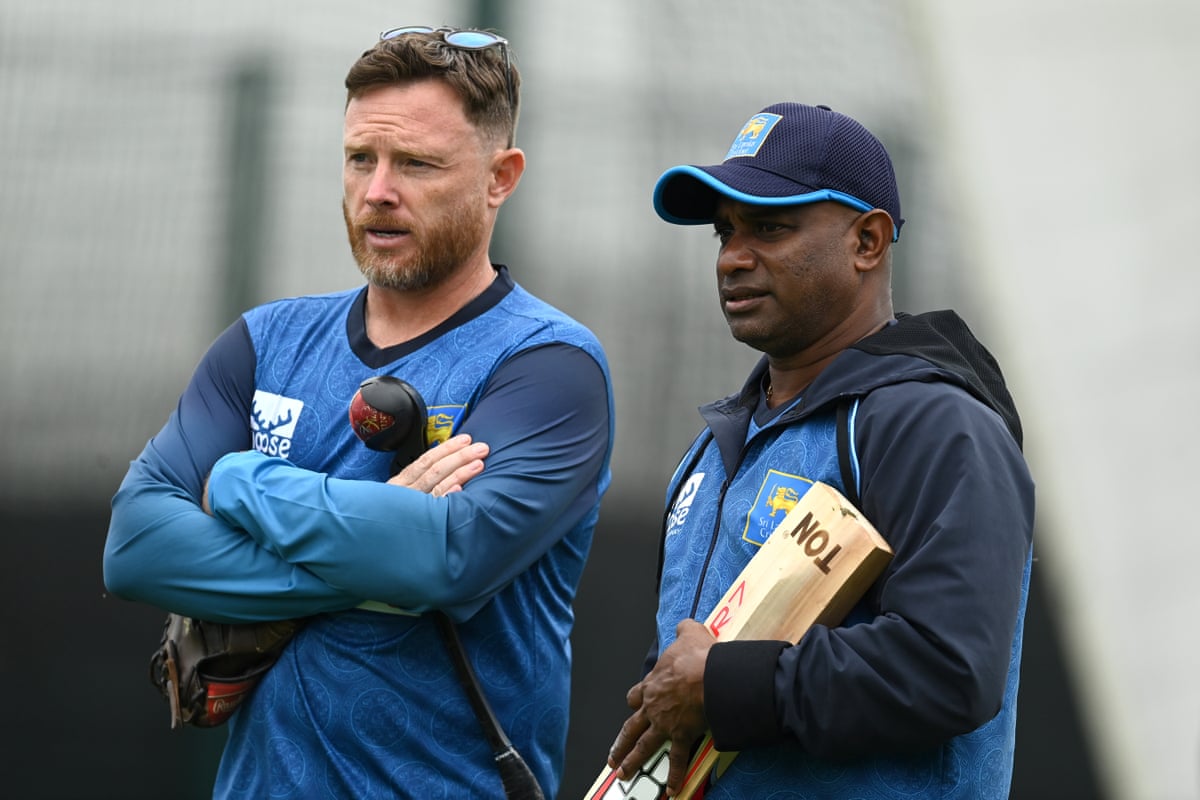
Reflections on England’s Coaching and Player Development
Bell’s reference to Andy Flower is timely, as England’s current coach Brendon McCullum faces scrutiny following a disappointing Ashes series. Flower’s tenure was marked by intense discipline and success, while McCullum’s approach, which he rejects as “casual,” represents a contrasting style.
Bell, grateful for Flower’s influence during Ashes wins in Australia and India, acknowledges that some methods would not be acceptable today. He also notes that if starting his career now, he would have focused more on T20 skills, humorously observing that his son has “more ramps and scoops” than he ever did.
While Bell finds the McCullum dressing room appealing, he believes preparation should be individualized. Young players should seek extensive net practice, while senior players can afford to be more relaxed when confident.
“I don’t think [the current England team] is about all‑out aggression but there’s no doubt they could adapt quicker at times, soak up the pressure better. Leave the ball a bit more. Joe Root, Steve Smith, they know where the top of off-stump is.”
Insights on Ollie Pope and Jacob Bethell
The discussion turns to Ollie Pope and Jacob Bethell, with Pope recently replaced by Bethell during the Ashes. Pope, 28, has stylistic similarities to Bell and has scored nine Test centuries but has yet to dominate a series or settle firmly at No 3.
“It might not be a bad thing for him to drop out of the limelight for a little bit,” Bell suggests. “It’s very hard to tweak things at Test level. He would be the first to admit he has not been consistent enough. I guess it’s those first 20 balls and that calmness you need, like Jonathan Trott brought. His game is there, no question, it still just looks frantic early on.”
Bethell, 22, has impressed with his technique and temperament, scoring three professional centuries since joining England. Bell, who has worked with him at Birmingham Phoenix, regards Bethell as a rare talent but advises caution in overpraising.
“You should never be afraid of backing talent,” Bell says. “We saw it with Joe Root and Alastair Cook. And now Jacob’s winter has given him a platform to really kick on. That century in Sydney in January is what I mean about playing positively, calmly but still dominating.
“I still think it will be important for him to play for Warwickshire when he can, though. Nets only take you so far. He clearly has an immense amount of talent but let’s stay calm.”
Bell recalls his early enthusiasm for Bethell during his time at Warwickshire and Rugby School, calling him “the best 17‑year‑old I have ever seen.” This mirrors the hype Bell himself experienced as a young player.
“I guess it’s difficult to control what other people say about you,” Bell reflects. “Was it a hindrance to me? I don’t really know the alternative. But having walked through the door at Warwickshire as an 11-year-old and, finishing at 38, I couldn’t have given much more. Whether I met other people’s expectations, that’s on them really.
“It should always be team first, ultimately. Because those are the bits you miss, shared experiences and friendships; the dressing room after a series win. Even now there is an active WhatsApp group for the guys involved in the 2005 Ashes and we had a 20-year reunion last summer.”
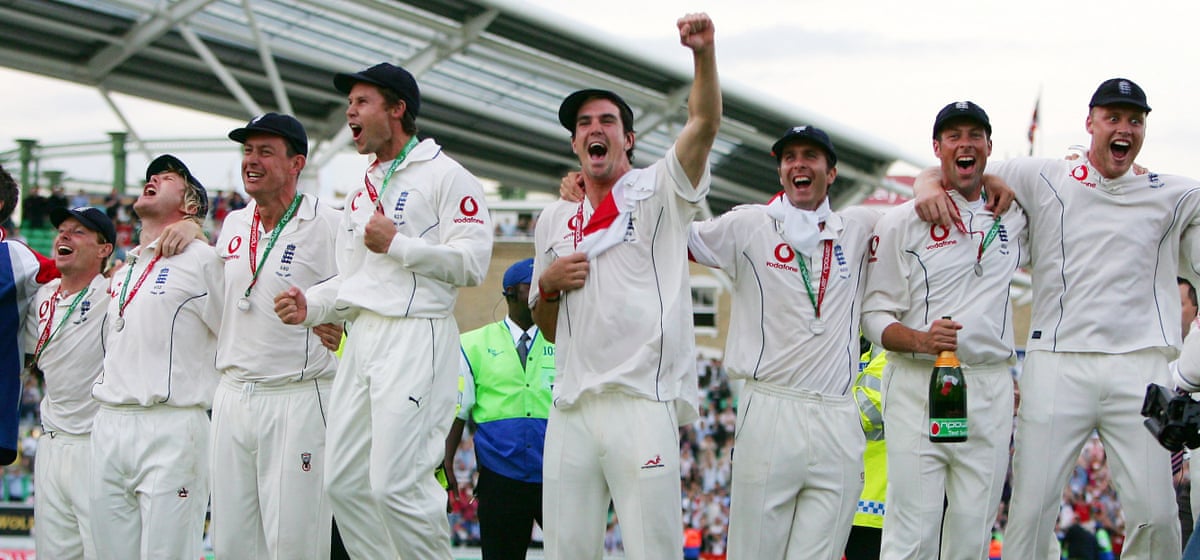
Looking Back and Lessons Learned
When asked if he would change anything about his career, Bell is candid.
“Not much, maybe the end of my Test career. Before that last tour [England v Pakistan in the United Arab Emirates in late 2015, where he scrapped for his runs], I needed a breather after 11 years on the road. Maybe six months off.
“England were actually on board with it. But I decided to keep fighting, and wasn’t clear‑minded. That was a lesson learned and something I will take into my coaching.”


