

Path of Least Resistance or Strategic Choice?
Following the Ashes defeat marked by numerous self-inflicted errors and the decision to keep Rob Key as team director above Brendon McCullum, the England and Wales Cricket Board (ECB) appears to have chosen the path of least resistance by retaining McCullum as men’s head coach. McCullum’s contract extends until the end of 2027, and terminating it prematurely would be costly. The players reportedly appreciate the methods of both McCullum and Key, who tend to allow players significant influence in the modern game. Additionally, there may be a lack of suitable all-format head coach candidates currently available. Meanwhile, the upcoming return of The Hundred in July promises a flood of colorful cricket content.
Test Cricket’s Emotional Weight
Unlike a franchise team in The Hundred, which can perform poorly without much public outcry, the England Test team’s failures evoke stronger emotional responses. Despite the growing prominence of global T20 leagues, which benefit a select few financially, Test cricket remains the format that resonates most deeply with English fans.
Social media sentiment, while not always a reliable indicator, reflects ongoing anger about the Ashes defeat under McCullum’s leadership. This frustration has not been significantly alleviated by England’s subsequent victory against India in the T20 World Cup. While losses to superior opponents are understandable, the decisions made during the Ashes series and its lead-up often backfired spectacularly.
Preparation and Selection Missteps
Two days before the first Test in Perth, captain Ben Stokes rallied the team, expressing confidence in their readiness. However, fast bowlers were not adequately conditioned due to concerns about injuries, leading to a cautious approach. Meanwhile, batters entered the series unaware of the risks associated with driving on the up, contributing to a heavy defeat in Perth and subsequent losses in Brisbane.
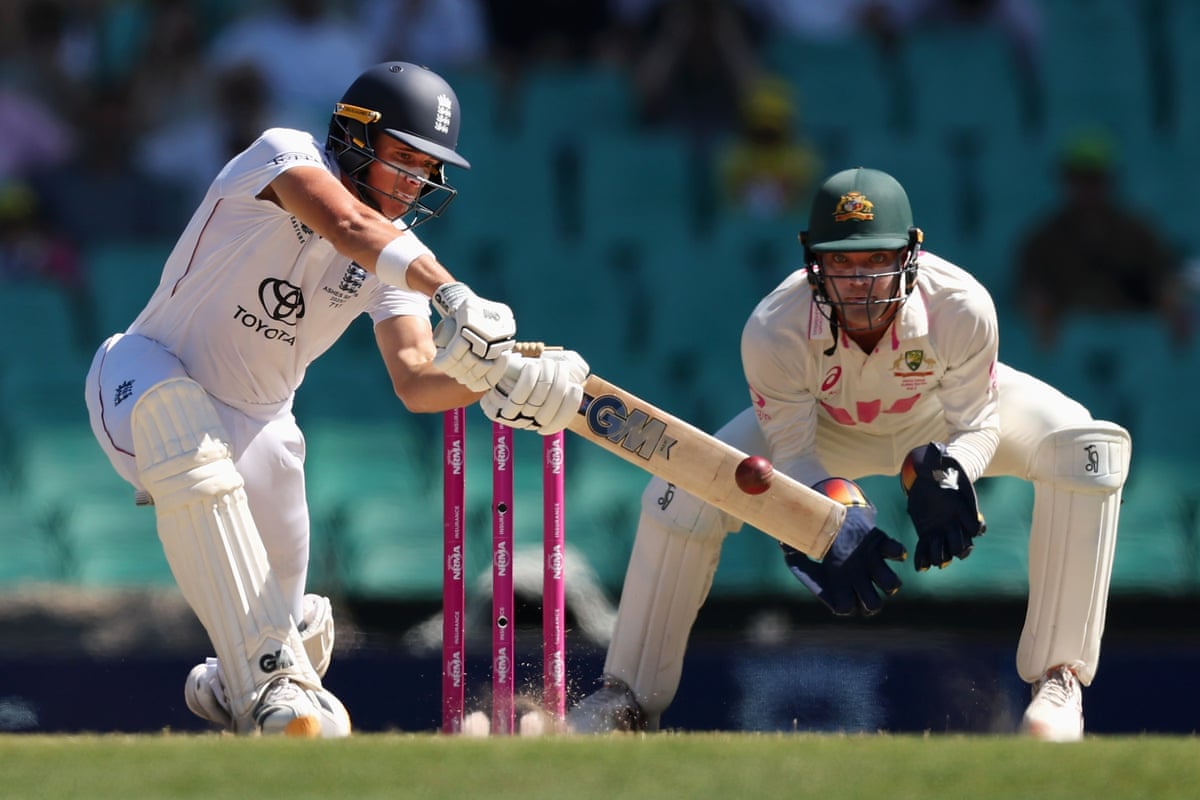
Spin bowler Shoaib Bashir, considered the first-choice spinner, was omitted in favor of Will Jacks, who was selected to lengthen the batting order. Meanwhile, Jacob Bethell remained sidelined until the Ashes were effectively lost, a decision attributed to loyalty towards Ollie Pope. Bethell’s maiden Test century in Sydney was outstanding but only intensified the frustration over missed opportunities.
Fragile Belief in an Attacking Approach
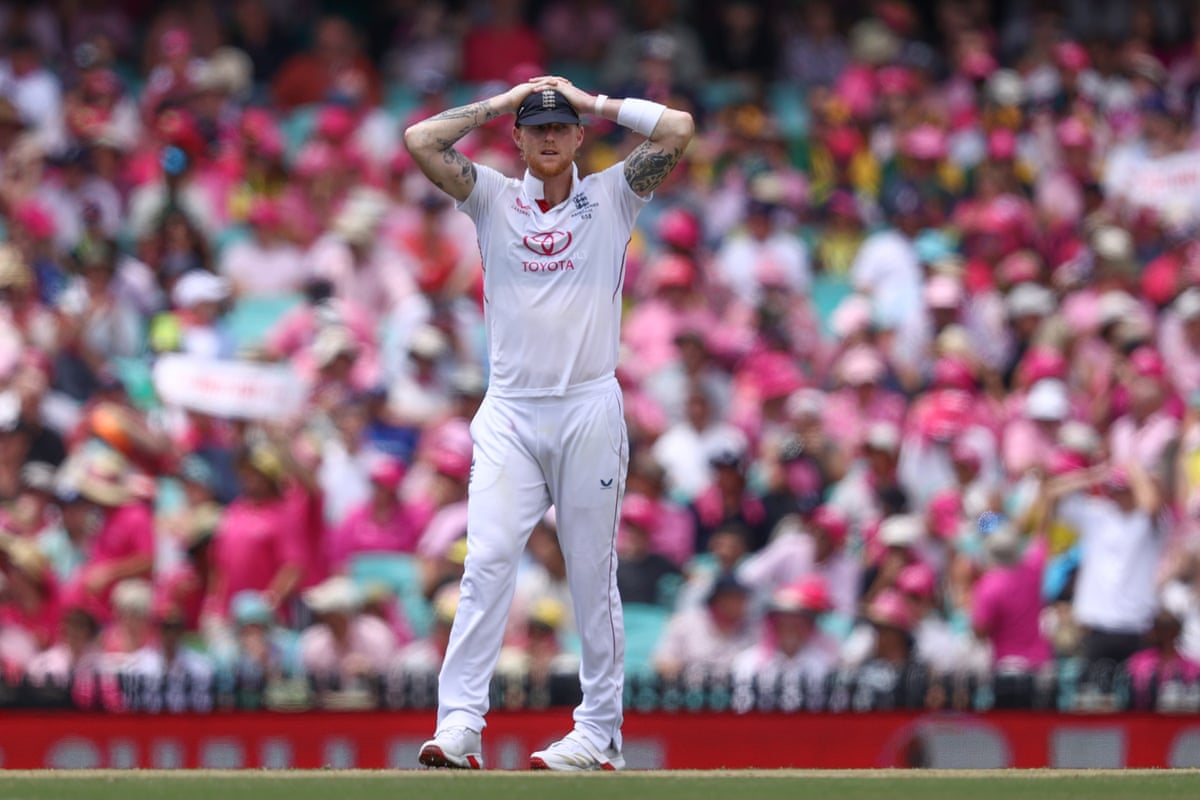
The issue extends beyond England’s attacking strategy failing in Australia to the fragility of the belief in that approach. Stokes unexpectedly abandoned the attacking mindset when defeat loomed in Brisbane. In Adelaide, despite favorable batting conditions on Australia’s flattest pitch and extreme heat, the players appeared confused and hesitant.
For some observers hoping the project would fail, the third Test’s defeat was acceptable, as the team showed resilience despite falling 3-0 behind. When McCullum was questioned about the cautious approach during the best batting conditions, resulting in the slowest 250-plus total under his tenure, he responded with a telling,
"Good question."
This exchange highlighted the philosophical divide between McCullum and Stokes.

Leadership’s Response and Accountability
Although retaining McCullum and Key may seem the easier option, ECB chief executive Richard Gould and chair Richard Thompson have, in some respects, embraced McCullum’s philosophy by confronting the challenges head-on. They assumed their roles in 2022 after McCullum and Key were already appointed and could have made changes without repercussions. Their decision not to act places responsibility squarely on their shoulders.
Gould acknowledged the unpopularity of this choice and recognized that Test cricket remains the format most valued by English fans. He noted a 25% increase in Test match viewership over the past four years and emphasized its status as the leading format across all age groups. This suggests the ECB is not relying on public indifference to navigate difficult times.
Criticism of Proposed Changes
Despite this, the ECB’s briefing on Monday failed to inspire confidence. The proposed adjustments appeared minor—adding a bowling specialist here, appointing a new selector there—or highlighted issues that should have been identified earlier. When asked to clarify what terms like "adapt" and "evolve" mean in practice, responses were vague. Rob Key’s call for greater "consequence" for poor performance also raised questions.
Mixed Results and Missed Opportunities
McCullum initially revitalized the team during his first year, but since then, England has played four major Test series against Australia and India without a single series victory. The Ashes campaigns, in particular, were approached with insufficient urgency, requiring a 2-0 deficit in 2023 before England began to take the series seriously.
While no one desires a playing style so restrictive that players abandon Test cricket for lucrative T20 leagues, incidents such as Harry Brook’s late-night altercation with a bouncer reflect poorly on the team environment. Such episodes underscore lessons that should have been learned earlier.
Looking Ahead: Domestic Engagement and Alignment
Victories over New Zealand and Pakistan at home this summer may not fully alleviate concerns. England must strengthen ties with the domestic game, adopt a more merit-based selection policy for both incoming and outgoing players, and ensure that Stokes and McCullum are genuinely aligned rather than reacting impulsively to the captain’s emotions.
Rob Key addressed misconceptions about the coaching philosophy, stating,
"There’s this view that it’s either blocking or slogging. That Ben is for blocking, Brendon is for slogging. That is not the case. We still want players to be aggressive. They’ve just got to be relentless in how they do it. Fundamentally there is alignment in the way we are going."
Although the relationship between Stokes and McCullum appears to have improved following candid discussions, regaining public trust may require more time.


