

King Charles and Queen Camilla to Visit the United States
King Charles and Queen Camilla are scheduled to meet US President Donald Trump in late April during a confirmed state visit to the United States, according to Buckingham Palace.
Following the US visit, the King will also travel to Bermuda, a British Overseas Territory located in the North Atlantic.
Context and Timing of the Visit
The US trip has been anticipated for some time, but such visits are conducted on behalf of the UK government. An official announcement appeared to have awaited a reduction in political tensions related to the Iran conflict.
While the full itinerary for the US visit has not yet been disclosed, it will include Washington, marking the first UK state visit to the US since Queen Elizabeth II's visit in 2007.
Planned Events During the Visit
The visit will feature a state dinner at the White House, and King Charles is expected to deliver an address to Congress.
This year marks the 250th anniversary of US independence, which will be a significant focus of the trip. Buckingham Palace stated that the visit will "celebrate the historic connections and the modern bilateral relationship" between the United Kingdom and the United States.
Potential Personal Meetings
There is also anticipated interest regarding whether King Charles will meet his son, Prince Harry, who resides in the US, during the visit.
Background on UK-US Relations and Speculation
Since President Trump's visit to the UK last September, there has been speculation about a reciprocal visit by King Charles to the US.
President Trump's visit to Windsor Castle appeared to improve UK-US relations. Trump recently remarked on his time with the King:
"He honoured me and our country... we had an amazing time."
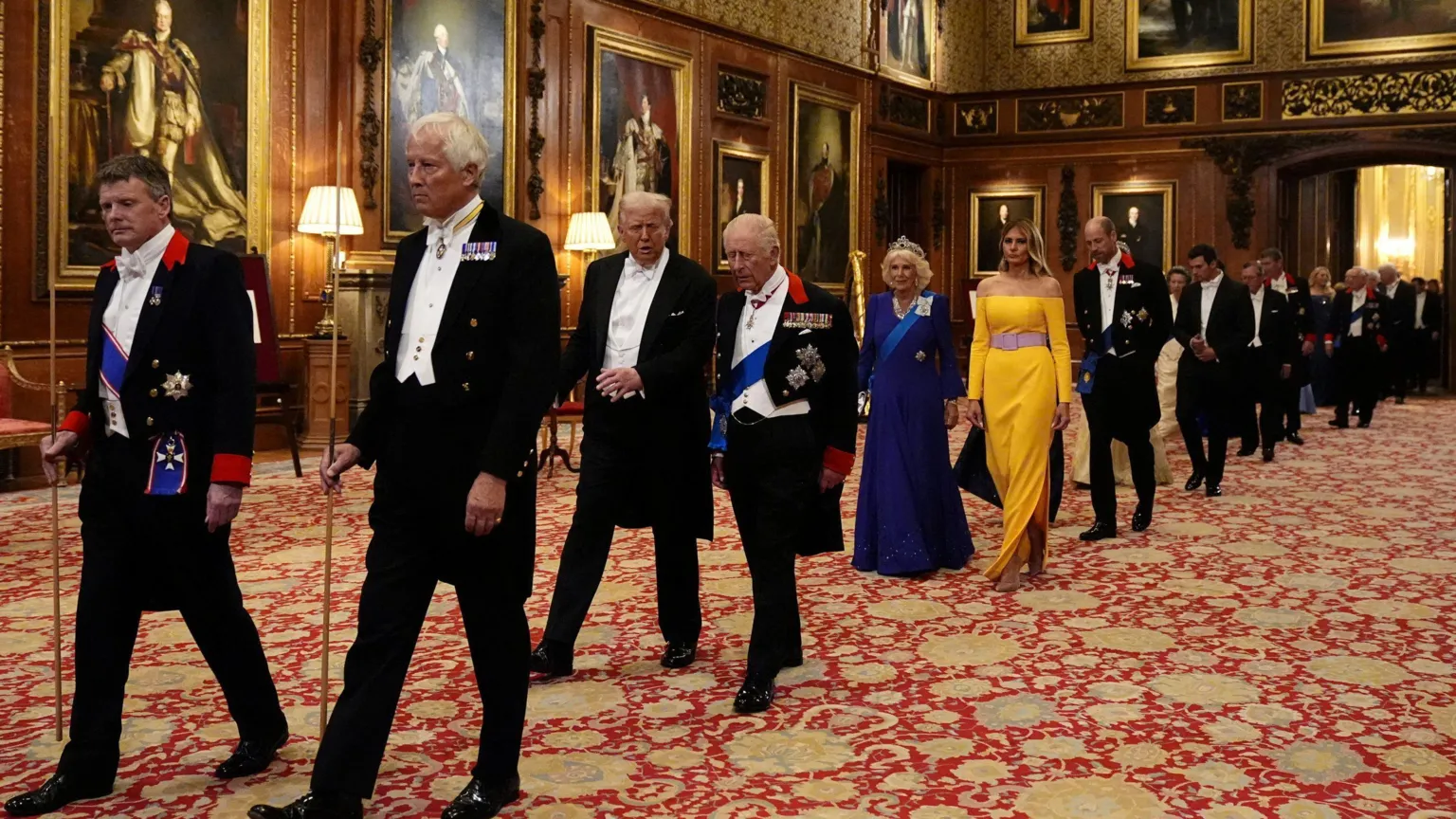
Trump also expressed warmth regarding his personal relationship with King Charles, stating,
"I think he's fantastic"
and noted his anticipation of hosting the King at a state banquet.

Political Differences and Controversies
Despite cordial personal relations, political differences have emerged, including disagreements over the war in Iran. President Trump publicly criticized UK Prime Minister Sir Keir Starmer, calling him "no Winston Churchill."
On Tuesday, President Trump stated that countries such as the UK should secure the Strait of Hormuz independently, saying,
"the USA won't be there to help you anymore, just like you weren't there for us" and "go get your own oil!"
This followed a previous dispute in which UK veterans expressed anger over what they perceived as Trump downplaying the UK's military involvement in Afghanistan.
Public Opinion and Political Responses
These controversies raised questions about whether the planned state visit to the US in April should proceed. Liberal Democrat leader Sir Ed Davey suggested the visit should be cancelled.
A YouGov survey conducted last week indicated that 49% of the British public opposed the state visit to the US, while 33% supported it.
Additional Context: Andrew Mountbatten-Windsor and Related Calls
The visit also occurs in the aftermath of Andrew Mountbatten-Windsor's arrest. US Congressman Ro Khanna has urged King Charles to meet survivors of the convicted sex offender Jeffrey Epstein.
In a letter to the King on Monday, Khanna wrote,
"As you are aware, this is not solely an American matter."
Mountbatten-Windsor has consistently denied any wrongdoing related to his associations with Epstein.
Planning and Diplomatic Considerations
Although the formal announcement of the state visit was delayed, preparations appear to have continued discreetly, with no indications that the visit will be cancelled.
The decision to conduct a state visit is made by the government, with the King traveling on behalf of the Foreign Office.
President Trump seems to have a strong interest in the monarchy and values his relationship with King Charles. The UK government appears prepared to leverage this relationship to strengthen UK-US ties and ease diplomatic tensions.


