

The Last Moon Pioneers of NASA's Apollo Missions
The 24 NASA astronauts who journeyed to the Moon during the Apollo missions of the 1960s and 1970s were pioneers of space exploration. With the recent passing of Apollo 13 commander Jim Lovell, who famously guided his damaged spacecraft safely back to Earth in 1970, only five astronauts remain who have traveled beyond Earth orbit into deep space.
More than five decades after humans last set foot on the lunar surface, interest in returning to the Moon is intensifying. NASA's Artemis program aims to establish a sustained human presence on the Moon within this decade. Although Artemis II, the first crewed lunar mission since Apollo 17 in 1972, was initially planned for 2025, it has been postponed to 2026.
China is also targeting a crewed lunar landing by 2030, following its successful probe landing on the Moon's far side in June 2024. Additionally, several private companies have attempted to send scientific missions to the Moon, though failures have outnumbered successes.
Technical setbacks have affected major aerospace projects. Boeing's Starliner experienced issues that left two astronauts stranded on the International Space Station, a significant embarrassment for the company. Meanwhile, SpaceX's Starship has undergone multiple "rapid unscheduled disassemblies," a term now familiar to space enthusiasts.
These challenges underscore the reality that the number of surviving Apollo astronauts is decreasing.
Alongside Frank Borman and Bill Anders, Jim Lovell made history during Apollo 8, the first lunar mission, which tested the Command/Service Module and its life support systems in preparation for Apollo 11's landing. Their spacecraft completed ten orbits of the Moon before returning to Earth. Lovell was slated to be the fifth person to walk on the Moon as commander of Apollo 13, but the mission was aborted due to an onboard explosion.
His harrowing experience was later dramatized in the film Apollo 13, where actor Tom Hanks portrayed him.
After retiring from NASA in 1973, Lovell worked in the telecommunications industry. His wife Marilyn, who was a media focus during the Apollo 13 crisis and with whom he shared more than 60 years of marriage, passed away in August 2023.
But who are the five remaining Moonwalkers, and what are their stories?
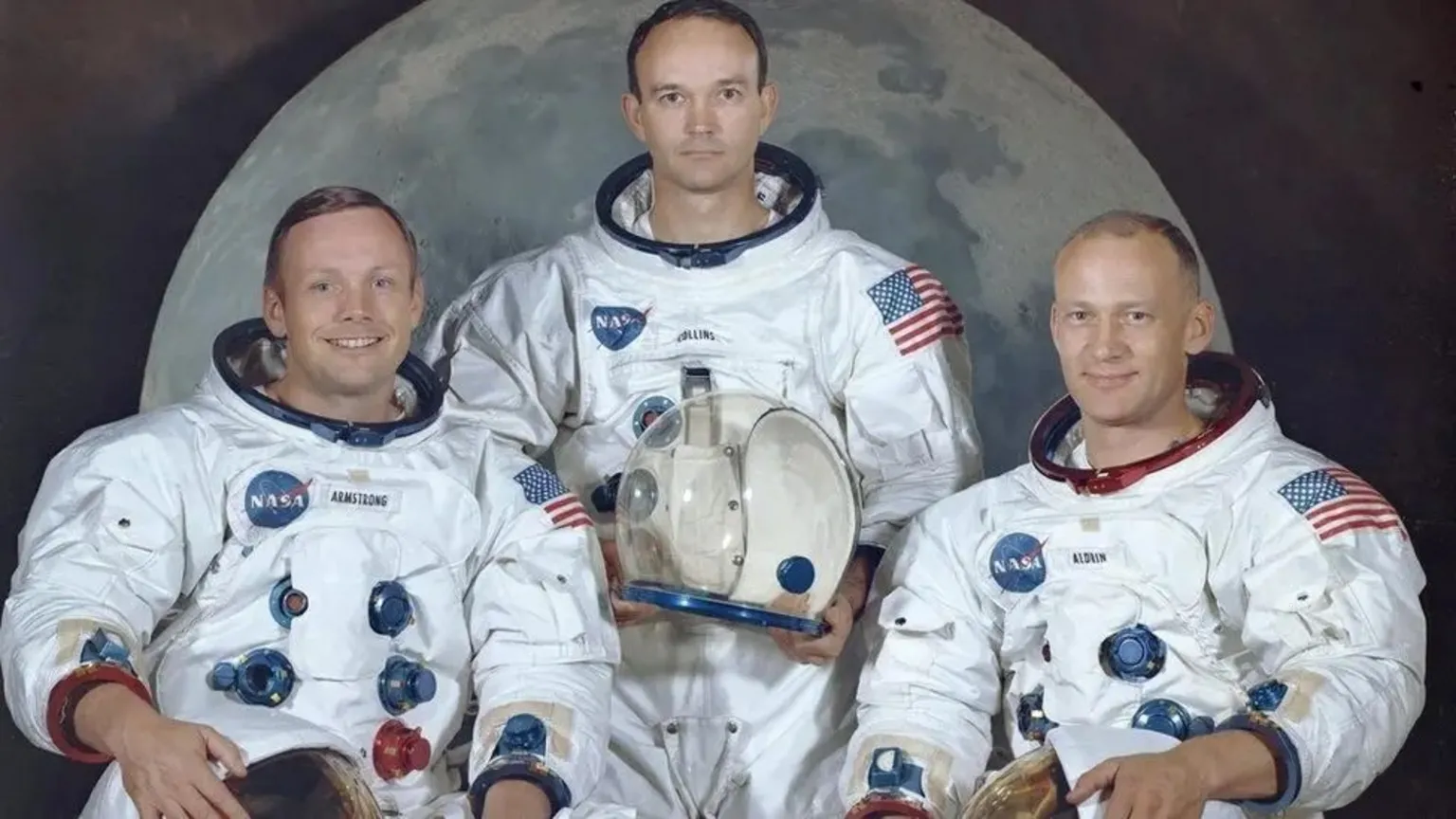
Buzz Aldrin (Apollo 11)
On 21 July 1969, former fighter pilot Edwin "Buzz" Aldrin became the second person to step onto the lunar surface, following commander Neil Armstrong by nearly 20 minutes. Aldrin's first words upon stepping out were:
"Beautiful view"
Armstrong responded:
"Isn't that something?"
To which Aldrin replied:
"Magnificent desolation."
Aldrin reportedly struggled with being second rather than first on the Moon. His crewmate Michael Collins noted that Aldrin "resented not being first on the Moon more than he appreciated being second." Nonetheless, Aldrin took pride in his accomplishment. Years later, when confronted by a man claiming the Apollo 11 mission was a hoax, the 72-year-old Aldrin punched him.
Following Neil Armstrong's death in 2012, Aldrin said:
"I know I am joined by many millions of others from around the world in mourning the passing of a true American hero and the best pilot I ever knew."
Despite personal challenges later in life, Aldrin maintained his adventurous spirit, participating in expeditions to both the North and South Poles, the latter at age 86. He has been a vocal advocate for space exploration, emphasizing the importance of missions beyond brief visits, particularly to Mars.
"I don't think we should just go there and come back - we did that with Apollo," he has said.
His name also inspired the character Buzz Lightyear in the Toy Story film series. In January 2023, at 93 years old, Aldrin married for the fourth time.
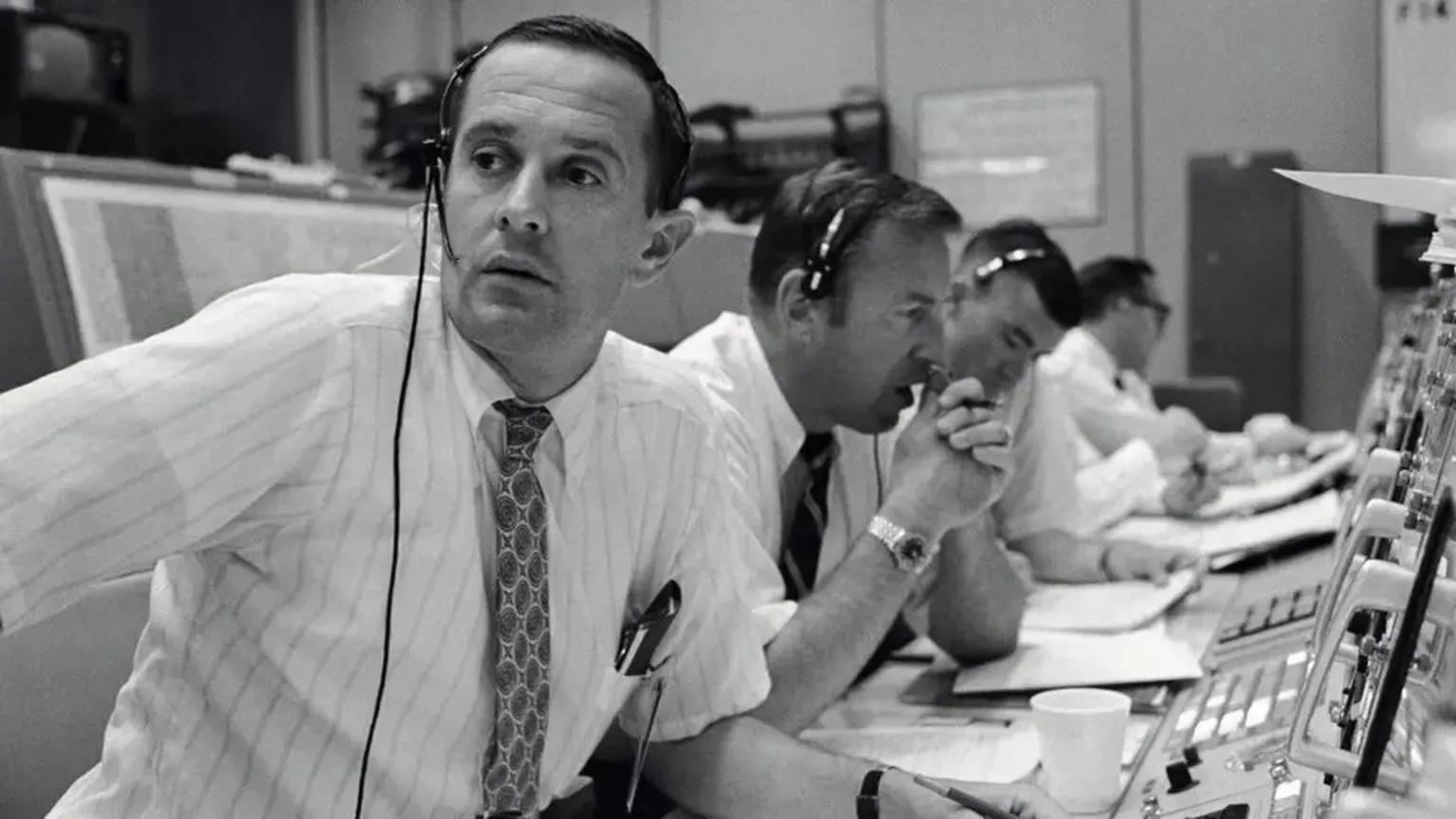
Charles Duke (Apollo 16)
Charles "Charlie" Duke is one of only four living individuals who have walked on the Moon. At age 36, he remains the youngest person to have set foot on the lunar surface.
In a BBC interview, Duke described the lunar landscape as:

"spectacular terrain"
He reflected on the stark contrasts:
"The beauty of it… the sharp contrast between the blackness of space and the horizon of the Moon… I'll never forget it. It was so dramatic."
Duke had already played a key role in NASA's lunar exploration. After Apollo 11's 1969 landing, he served as Capsule Communicator (Capcom) in mission control, anxiously awaiting Neil Armstrong's historic message:
"Houston, Tranquility Base here. The Eagle has landed."
With his distinctive southern accent, Duke replied:
"Roger, Tranquility. We copy you on the ground, you've got a bunch of guys about to turn blue, we're breathing again."
He later explained:
"I really meant it, I was holding my breath the last minute or so."
In 2022, Duke expressed excitement about NASA's Artemis mission but cautioned about the challenges ahead:
"They've picked near the South Pole for the landing, because if there's any ice on the Moon, it would be down in that region. So that's gonna be difficult - because it's really rough down there. But we'll pull it off."
Charlie Duke currently resides near San Antonio, Texas, with his wife Dorothy, to whom he has been married for 60 years.
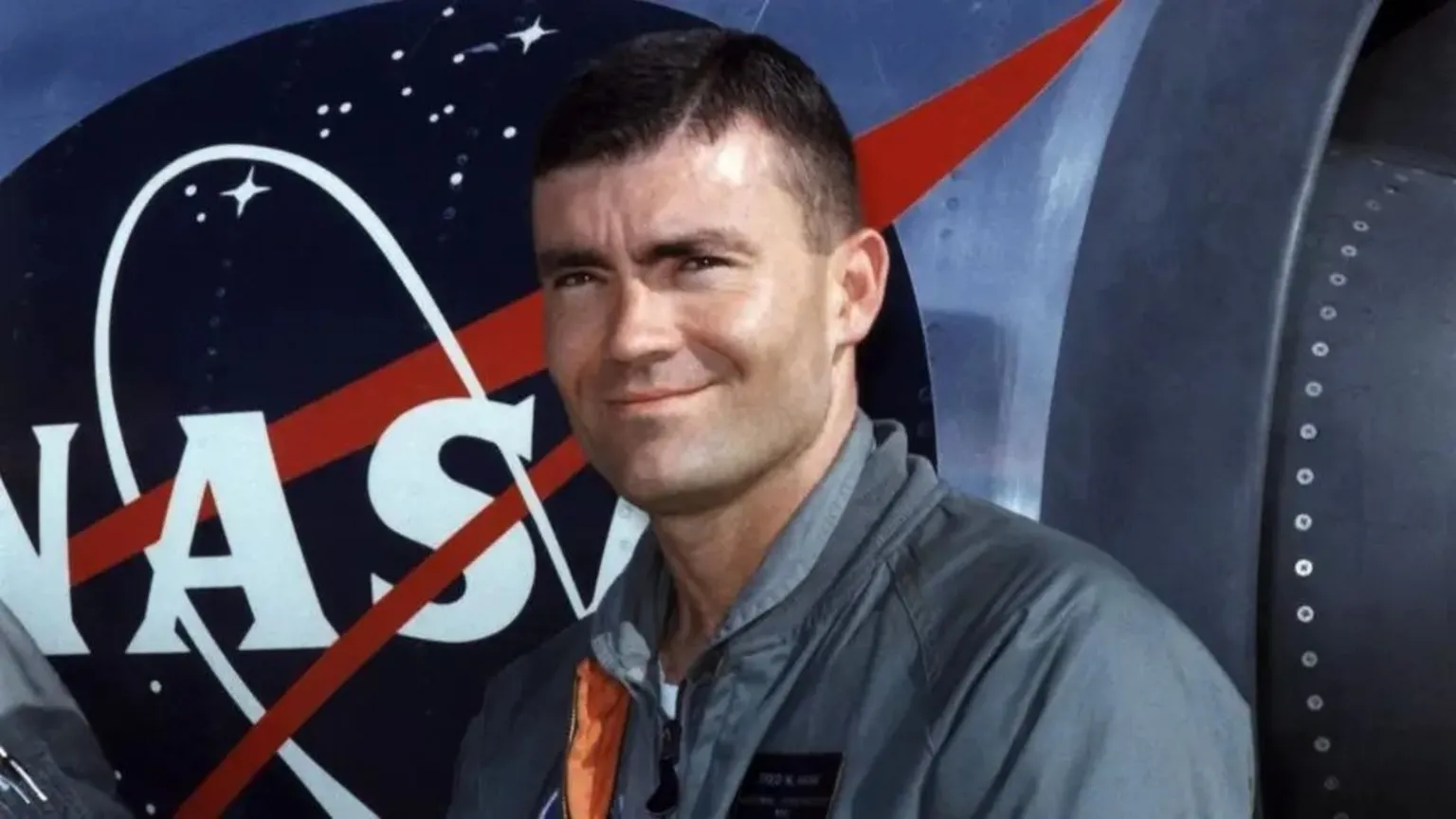
Fred Haise (Apollo 13)
Fred Haise was a crew member of Apollo 13, the mission that narrowly escaped disaster in 1970 after an onboard explosion forced an abort when the spacecraft was more than 200,000 miles (321,000 km) from Earth.
The world watched anxiously as NASA worked to return the damaged spacecraft and its crew safely. Upon their return, Haise and his crewmates James Lovell and Jack Swigert became unexpected celebrities.
Reflecting on their sudden fame, Haise told talk show host Johnny Carson during an appearance on The Tonight Show:
"I feel like maybe I missed something while I was up there."
Haise never walked on the Moon. He was scheduled to command Apollo 19, but the mission was canceled due to budget cuts, along with all flights following Apollo 17.
He later served as a test pilot for the prototype space shuttle, Enterprise. Like many Apollo astronauts, Haise continued working in the aerospace industry after leaving NASA until his retirement.
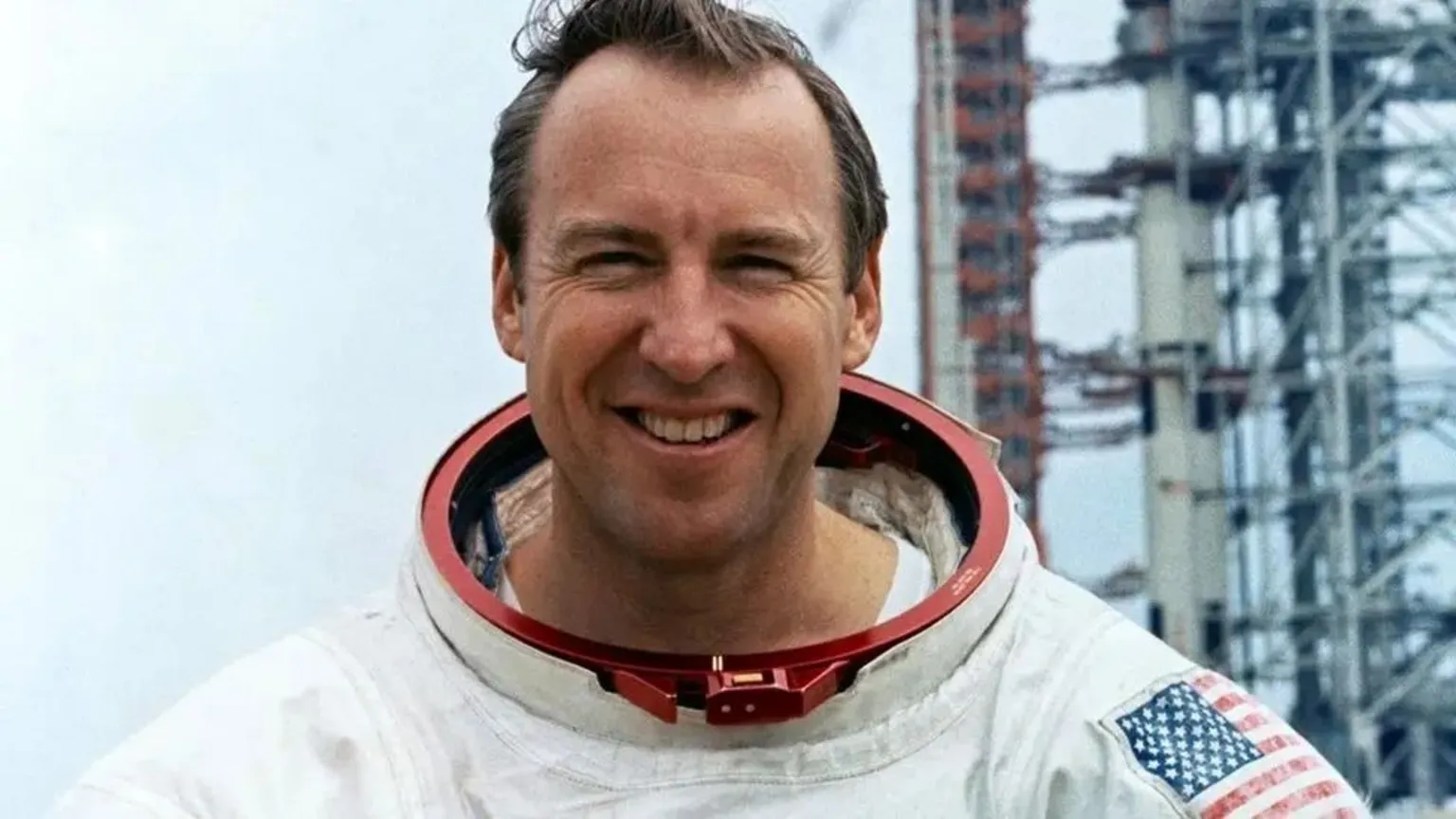
Harrison Schmitt (Apollo 17)
Harrison Schmitt was unique among his contemporaries as he was not a military pilot but a geologist and academic. Initially, he trained NASA astronauts on lunar geology before becoming a scientist-astronaut himself in 1965.
Schmitt was part of Apollo 17, the last crewed mission to the Moon, and along with commander Eugene Cernan, one of the last two men to walk on the lunar surface in December 1972.
After departing NASA in 1975, Schmitt was elected to the US Senate representing New Mexico, serving one term. Since then, he has worked as a consultant in various industries and continued his academic pursuits.
He is also known for publicly challenging the scientific consensus on climate change.
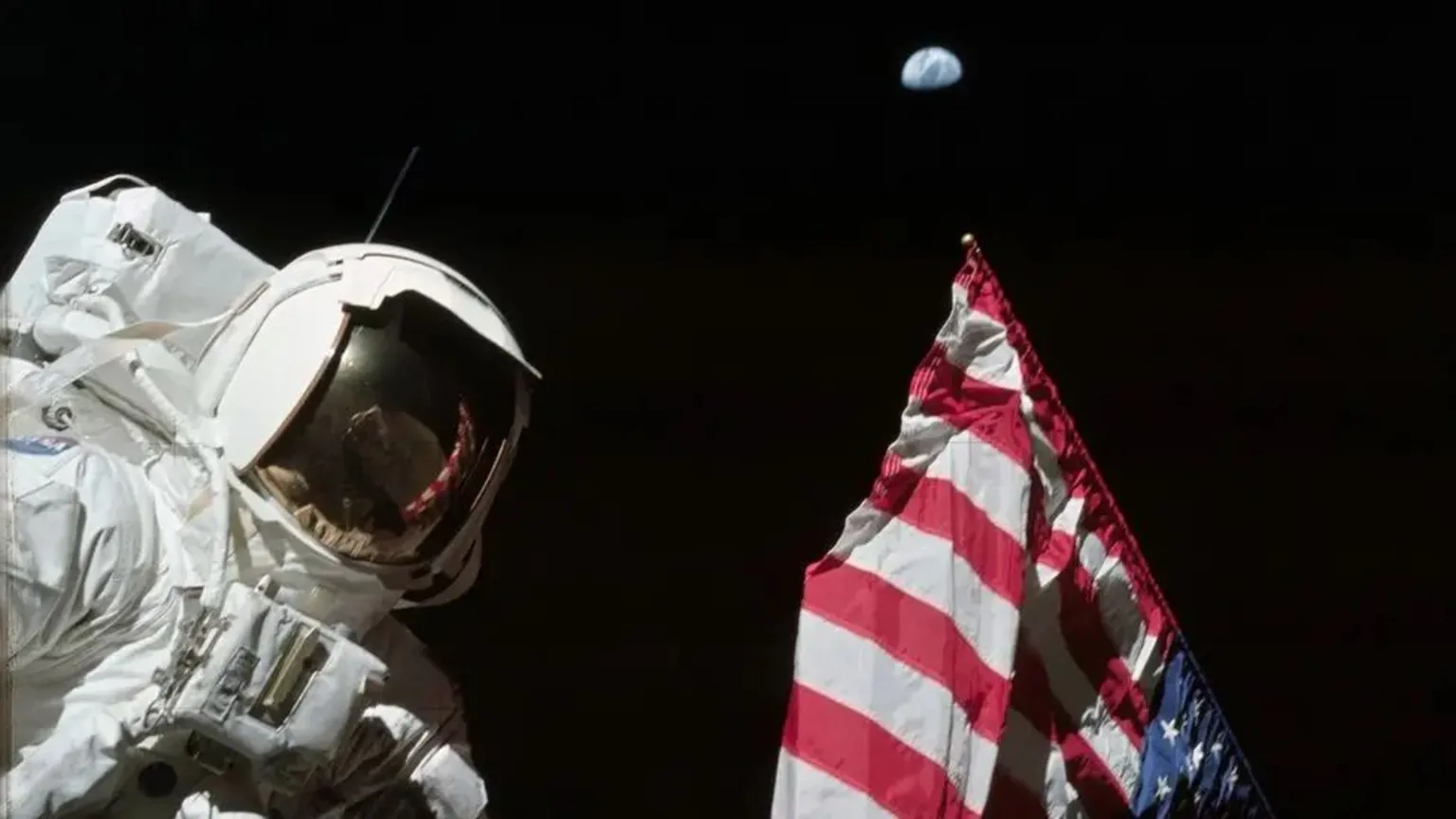
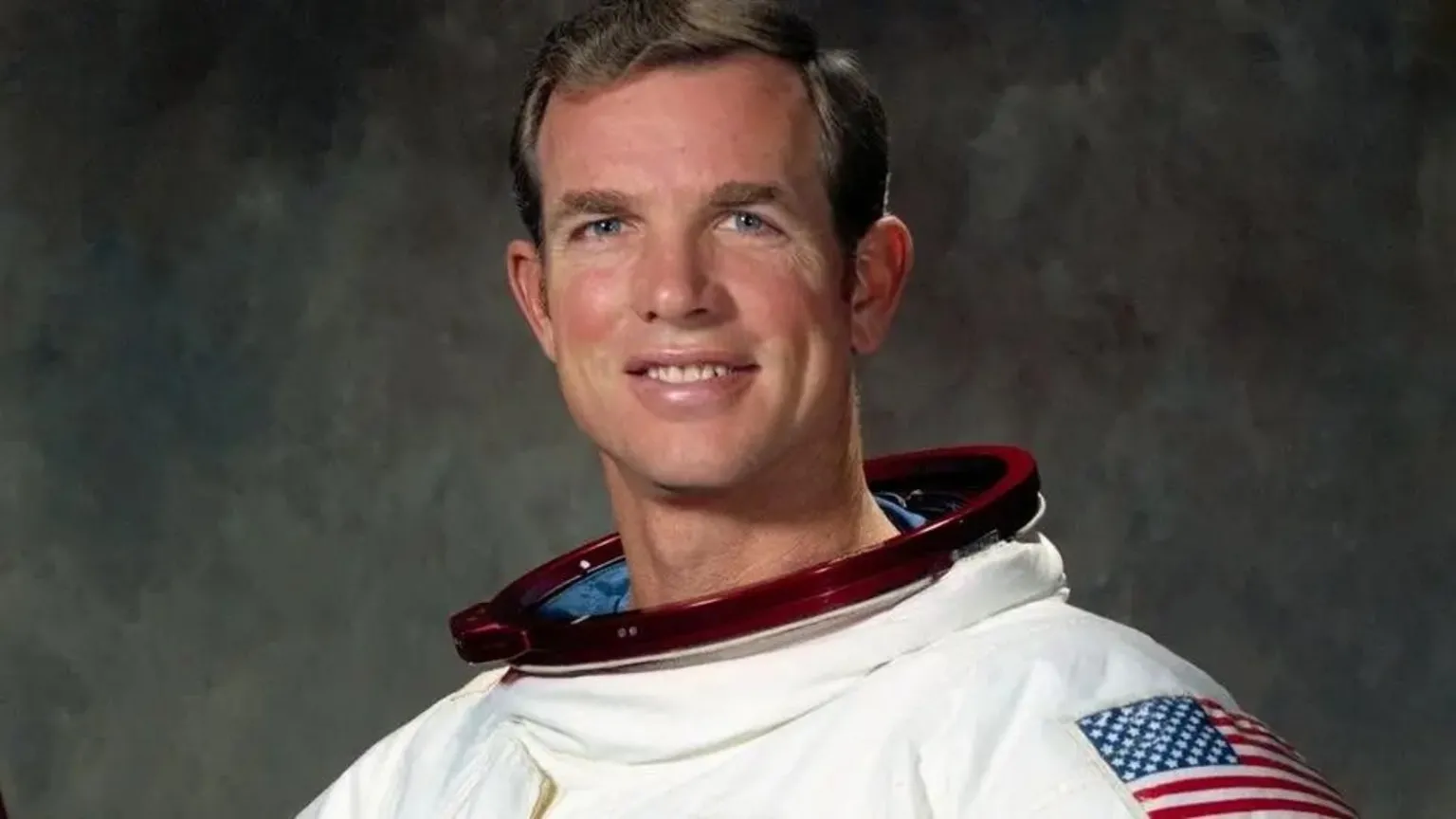
David Scott (Apollo 15)
David Scott, commander of Apollo 15, is among the four men still alive who have walked on the Moon. He was also one of the first astronauts to drive on the lunar surface.
In 1971, Scott and crewmate James Irwin tested the Lunar Roving Vehicle (LRV), dubbed "Man's First Wheels on the Moon." The LRV allowed astronauts to traverse greater distances from the lunar lander at speeds up to 8 mph (12 km/h), significantly expanding exploration capabilities.
Scott recalled:
"On a first mission you never know whether it's going to work. The greatest thrill was to get it out, turn it on, and it actually worked."
Following his return, Scott held various management positions at NASA before transitioning to the private sector. He has also served as a consultant for film and television projects, including Apollo 13 and the HBO miniseries From The Earth To The Moon.
The Future of Lunar Exploration
As the legacy of the Apollo astronauts endures, the next generation of lunar explorers prepares to build upon their achievements. With renewed international and commercial interest, the coming decades promise new milestones in humanity's journey beyond Earth.


