

Preparing for Space: A Unique Role
Susan Charlesworth holds a distinctive position as a psychologist based in Oxfordshire, specializing in preparing individuals for the extraordinary experience of space travel, a journey undertaken by very few humans.
She trains astronauts and notes that NASA's ongoing Artemis II mission has been "inspiring" an entire generation on Earth.
No humans have ventured farther from Earth than the four Artemis II crew members did on Monday during their dramatic fly-by of the Moon.
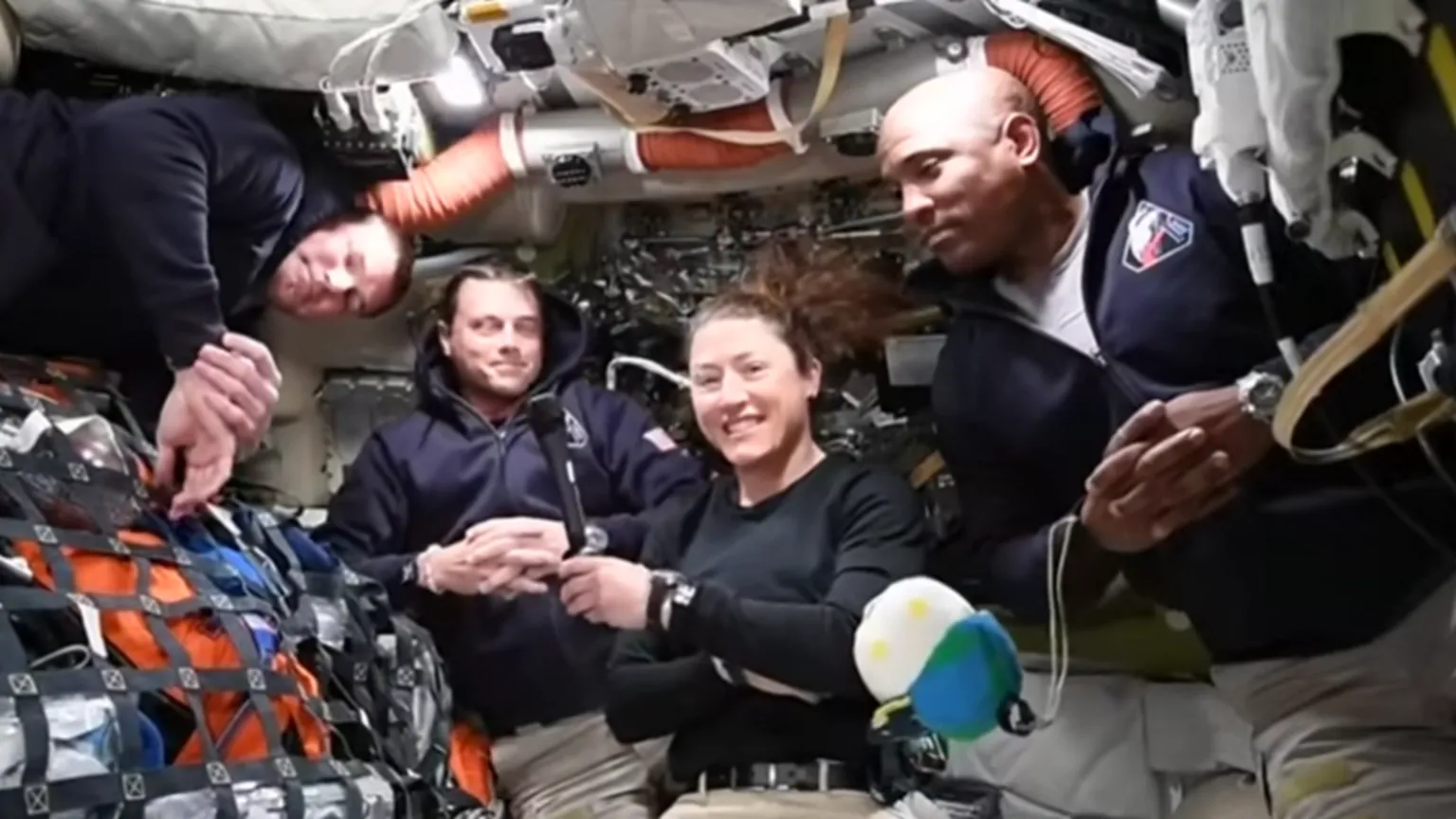
As the crew embarks on their return journey, Charlesworth, who previously worked with the European Space Agency, describes following the mission as "incredible."
Training for a Groundbreaking Mission
The Artemis II astronauts—Reid Wiseman, Victor Glover, Christina Koch, and Jeremy Hansen—dedicated over two years to training for this pioneering trip. This mission serves as a test flight ahead of more ambitious objectives, including landing humans on the Moon for the first time since 1972.
Charlesworth explained that the team spent this period preparing themselves to be "prepared for the unprepared," as they are breaking new ground in human space exploration.
The astronauts underwent "ICE" training, which involves exposure to isolated, confined, and extreme environments to simulate conditions they will face in space.
This training often takes place in challenging, confined, and sparse habitats worldwide, such as caves in Sardinia, the plains of Antarctica, or underwater near Florida.
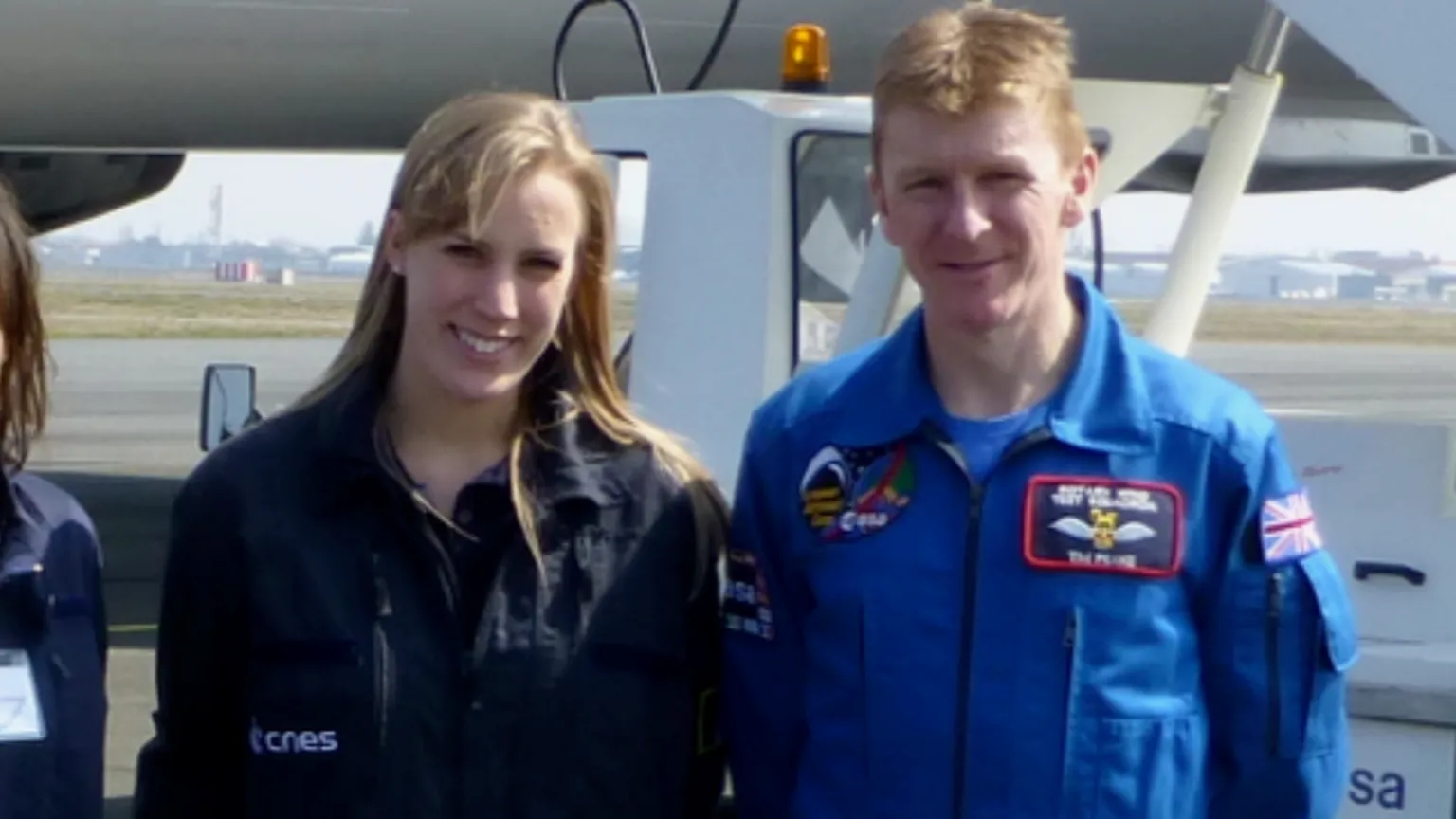
"The training I do is all to do with the human behaviour and performance and human factors - so it's preparing them for exactly this situation,"Charlesworth added.
"They have to live and work together for days on end and have communication delays - which the Artemis crew has experienced when they were on the dark side of the Moon, so they are very well prepared."
Challenges of Space Travel
During their journey, the shuttle completely lost sight of Earth while passing behind the Moon, resulting in a 40-minute period without any external communications.

Throughout the mission, the crew captured images of sights unseen by humans for over 50 years, alongside some that had never been observed before.
One of the most remarkable images is a photograph NASA has named Earthset, which depicts the Earth slowly setting behind the Moon's horizon—a mirror image of the iconic Earthrise photo taken during the Apollo 8 mission.
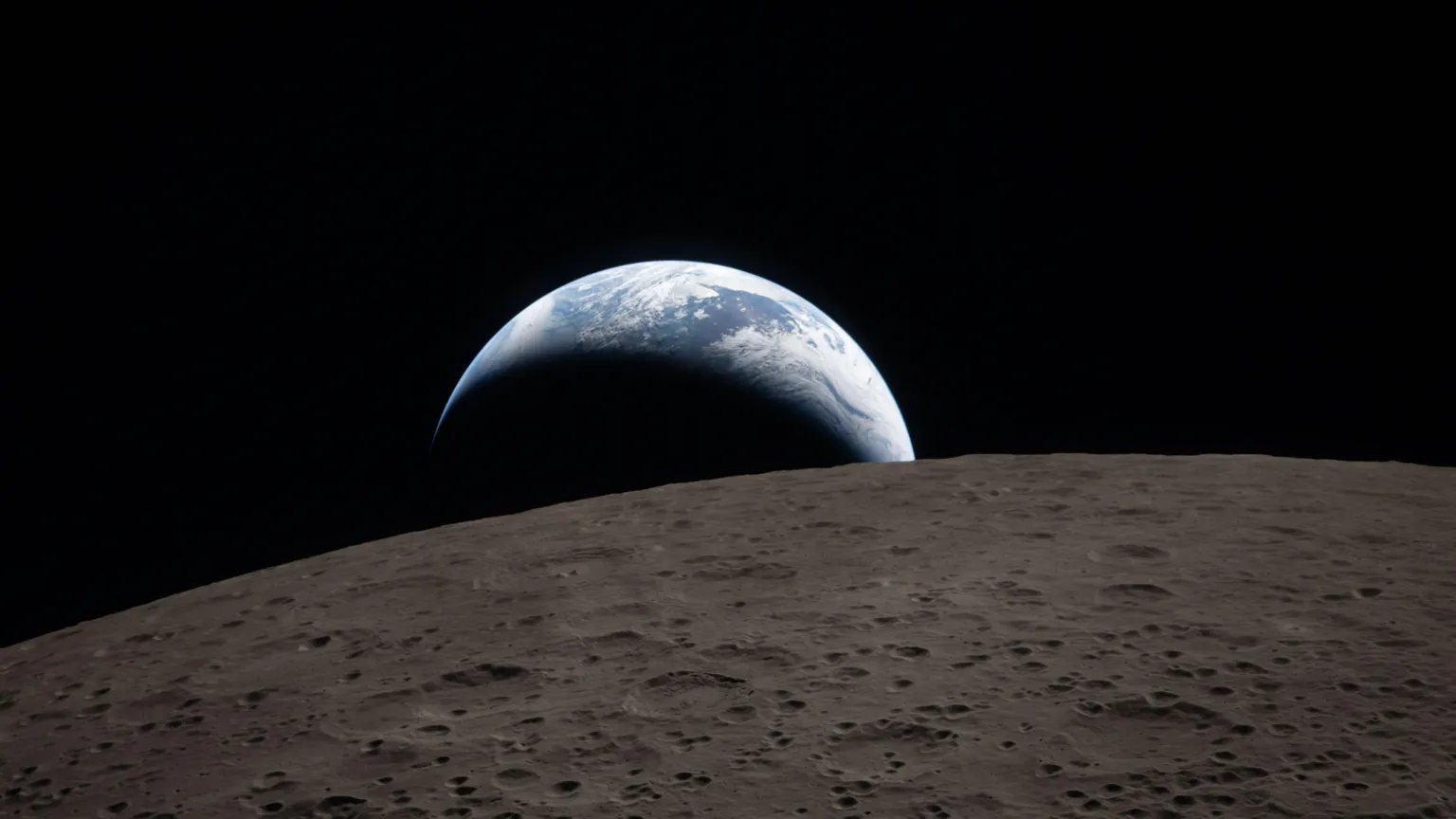
"We have not been this far from Earth before, we've not had the technology and the cameras to take these incredible images,"Charlesworth said.
"There is just so much going on every day and trying to keep up with everything and the amazing photos coming back has been very exciting."
Mission Timeline and Historical Context
Thursday marks the last full day of the Artemis II mission in space, with the crew preparing to return to Earth early Saturday morning after spending ten days in space.
This pioneering mission's return occurs more than fifty years after the world witnessed Apollo 11's Neil Armstrong and Buzz Aldrin become the first humans to set foot on the Moon's surface.
That mission and subsequent lunar voyages inspired what experts at the time called the "Apollo generation," a group of children who aspired to reach the stars.
Inspiration for Today's Generation
Charlesworth suggested that observing Artemis II could have a similar inspirational effect on today's youth.
"It's really, really exciting for a lot of people and certainly the younger generation,"she said.
"I think it's really inspiring for this generation, and for adults as well, to see this happening in real time."
You can follow BBC Oxfordshire on Facebook, X (Twitter), or Instagram.


