Labour's Decline in Yorkshire
During the 2024 General Election campaign, Sir Keir Starmer made very few visits to Yorkshire. The prevailing theory was that Labour had many seats secured, so campaign efforts were better focused elsewhere.
Two years later, the local elections presented a similar pattern, but for different reasons. The Labour leader did not visit at all, as several local councillors preferred to avoid his presence, fearing it might worsen their prospects.
Ultimately, the election results were as severe as possible for Labour in Yorkshire.
Labour Leadership Losses
The story of this election in Yorkshire centers on Labour leaders—not only the national leader in Downing Street but also three local leaders who lost their positions.
Denise Jeffery's six-year tenure as Wakefield Council leader ended with the first result of the day from the city's count.
"I'm devastated. People were saying we can't vote for Labour nationally because of Keir Starmer. He was toxic on the doorstep," she said.
Up until the election, Susan Hinchcliffe had been Labour leader in Bradford for ten years.
"It's not about me. I'm just sorry for those Labour councillors who've put a huge amount of work in."
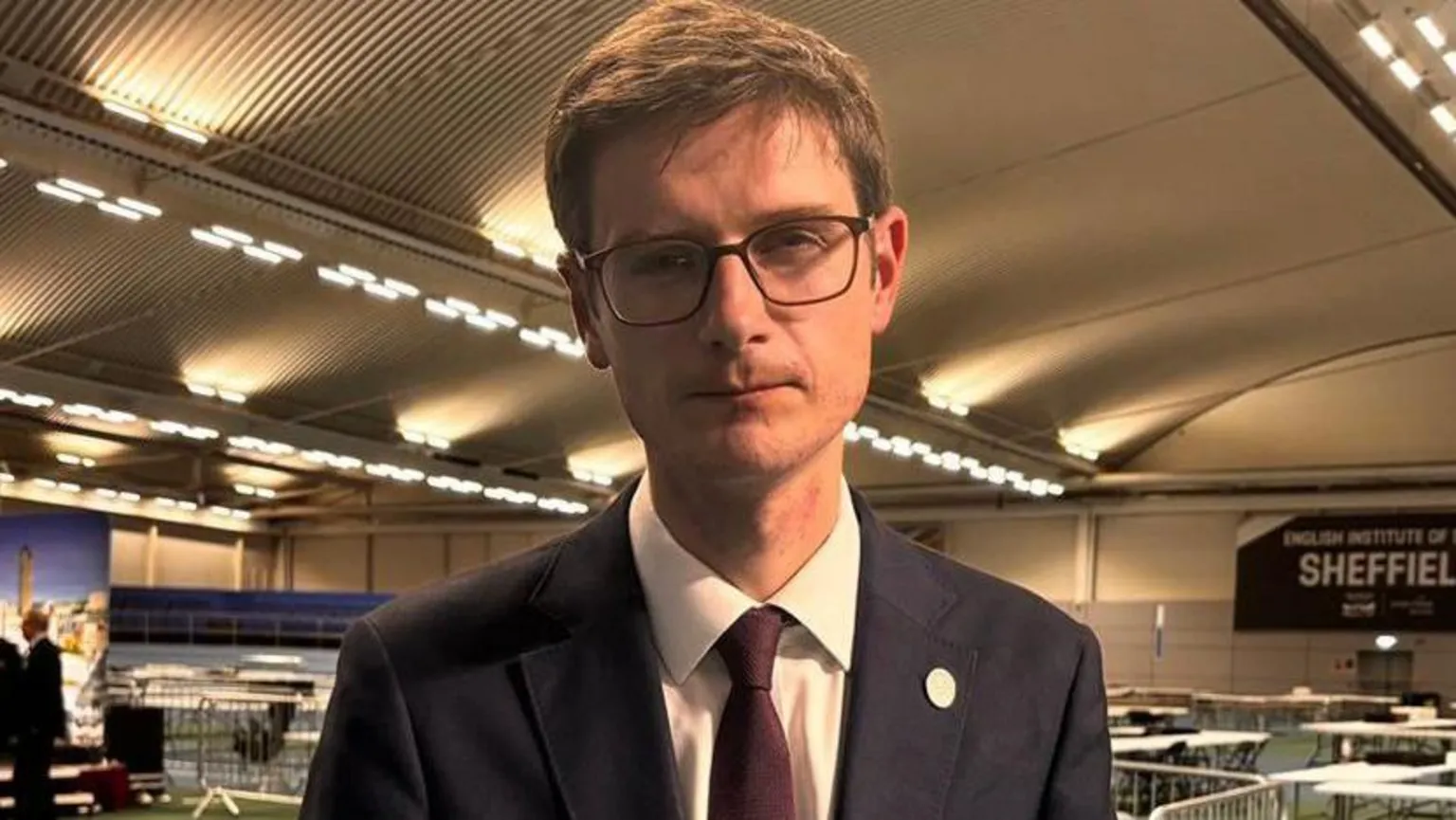
Tom Hunt in Sheffield lost his seat to the Greens by 73 votes.
"National issues have dictated this election campaign across the entire country. Voters are rightly impatient for change."
Election Day Journey Across Yorkshire
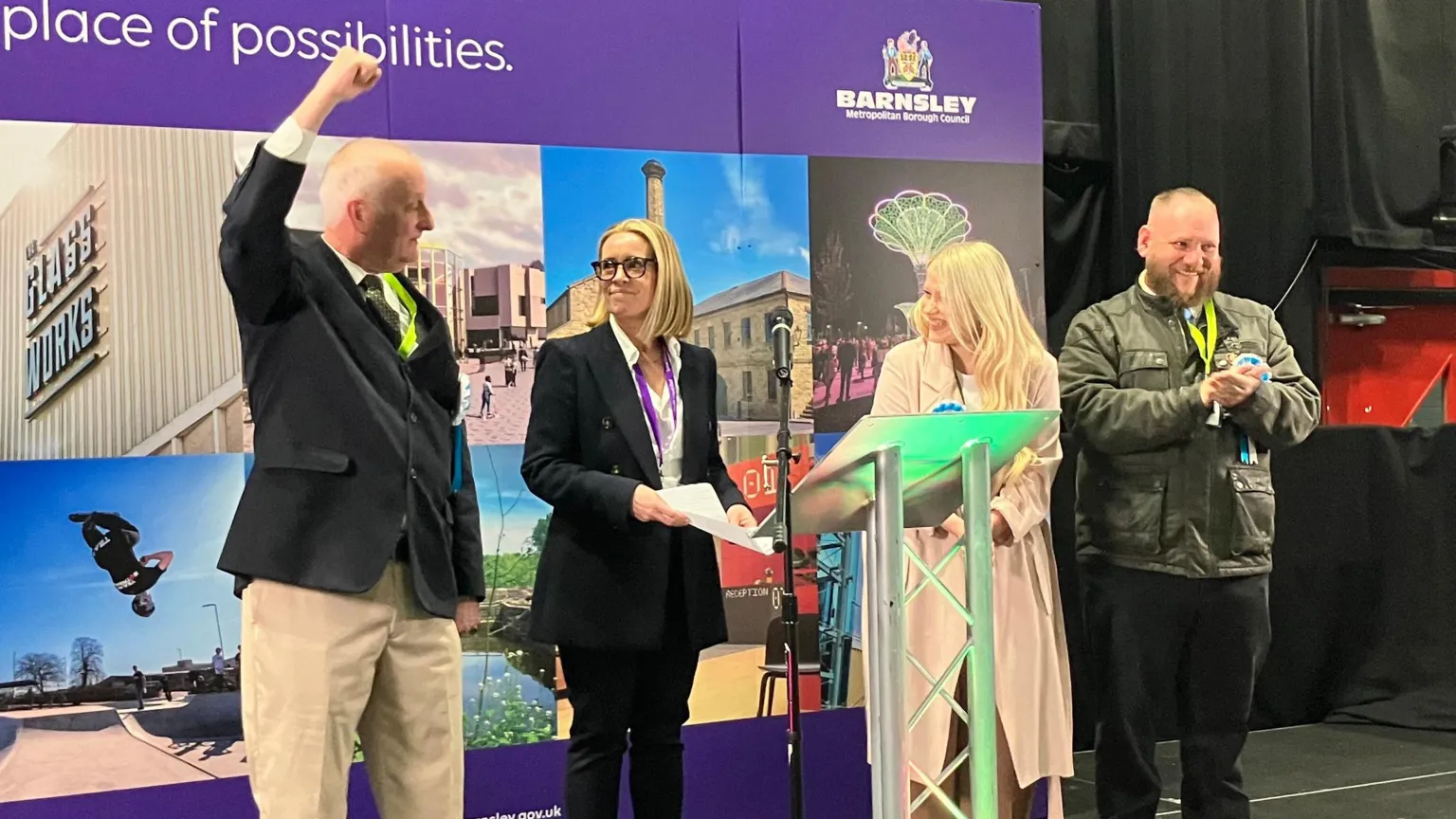
The election count day began in Sheffield. After Tom Hunt's defeat, the focus shifted to Barnsley, where Labour was losing ground and Reform UK emerged as the significant winners.
Many believed Labour would not lose Barnsley, a council held by the party since its creation over 50 years ago. However, the situation was different.
At Doncaster Racecourse the previous year, Reform UK had won numerous seats, securing a majority on Doncaster Council and narrowly missing control of the city by a small vote share margin.
Similarly, at Barnsley's Metrodome, where all-out elections were held with three councillors elected per ward, Reform UK frequently secured all three seats.
After all results were declared, Reform UK declined to comment to the press. Consequently, it remains unclear who will lead Barnsley Council or what their governing priorities will be.
While it is understandable that the newly elected party members need time to select a leader, voters will expect clarity soon regarding the direction of the council.
The immediate challenge for all parties is to convince constituents of their capability to govern effectively.
Many newly elected councillors lack prior experience, which some view positively, but it also represents a significant commitment.
In Doncaster, Reform UK councillor numbers have already declined within their first year due to resignations and suspensions.
Winning elections is one matter; managing a council is another, and this will be the primary task for new councillors this week.
Perspectives from Reform UK Councillors
Sally Birch, elected for Reform UK in Bradford's Windhill and Rose ward, suggested that the protest vote may be more about local cost-of-living concerns than national leadership.
"People vote for a change when they actually want it. I think there is a certain amount of judgement on Keir Starmer. We've been very clear on the doorstep that this is a local election not a national one. I do think this is a bit of a voice of the people - you might want to call it a protest vote."
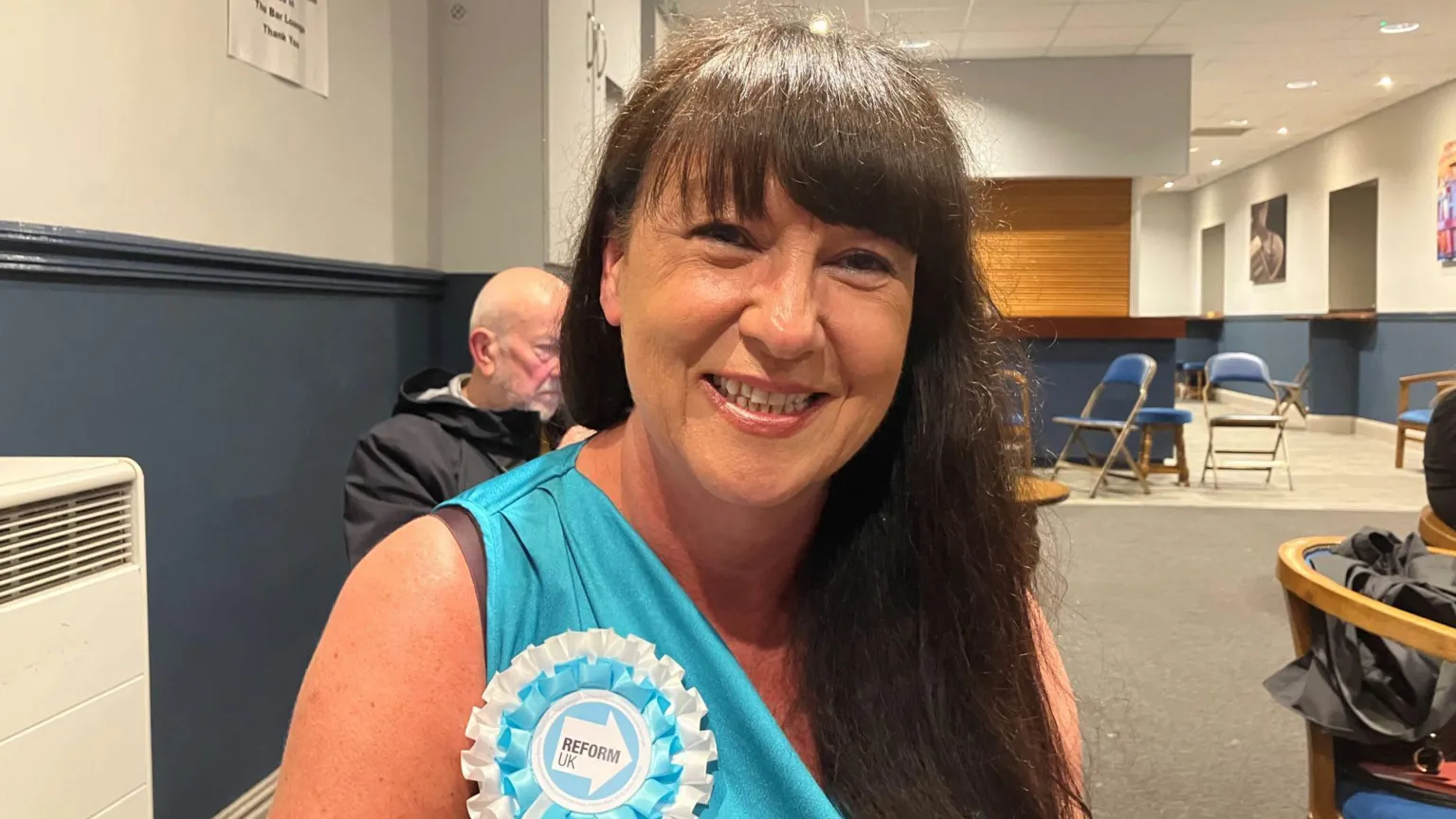
Ian Eglin, a new Reform councillor in Baildon, expressed the need for change in Britain and Bradford.
"Britain and Bradford need a change of direction. Britain is going down as a country in many ways. Economically, socially, we're not improving. Most of us are centre right, some of us actually come from a left background. What our main achievement as Reform has been this time is to normalise Reform as a standard party. People have seen we're normal people. We're not ogres, we haven't got two heads."
Current numbers indicate that Reform UK could potentially collaborate with the Conservatives to govern Bradford, adding complexity to the local political landscape.
Green Party Gains and Political Divides
In Leeds and Sheffield, the Green Party made significant gains, securing six seats in each city. In these urban centers, Labour faced pressure from both the Greens and Reform UK, resulting in Labour losing overall control in Leeds.
Politically, a greater divide now appears between major cities and their surrounding towns. Reform UK performed strongly in areas that had voted most decisively for Brexit a decade ago, while the Greens gained seats in larger cities with younger populations.
The Liberal Democrats did not meet some expectations but still won over 20 seats across Yorkshire.
In the regions with elections this year, Yorkshire is predominantly a Reform UK county, with the party holding twice as many councillors as Labour from these elections.
Increasing their representation from zero in some areas represents an extraordinary achievement for a new party.
Regardless of which parties gained seats, Labour suffered significant losses, with over 200 councillors losing their positions.
A prominent Labour insider attributes the defeat to miscalculations by Labour leadership.
Labour's overwhelming victory in the 2024 general election allegedly fostered false confidence about their popularity. Margins were narrower at the local level, and some traditional Labour areas were less secure than the national party anticipated.
This overconfidence contributed to the decision to cut Winter Fuel Payments, a move that was unpopular and seen by this Labour campaigner as the campaign's turning point.
Calls for Government Action
The focus returns to Labour leaders amid ongoing discussions about Starmer's position. Sir Steve Houghton, a long-serving Barnsley Council leader since 1996, lost his leadership role but retained his seat by 23 votes.
"The government has got to get a grip of the discontent that there is left in the country. There are a lot of people that have seen decline for the last 30 years and people are fed up with it. It brought us Brexit, it got Boris Johnson into the red wall and it's getting Nigel Farage here again. National politicians need to wake up to this problem, more of the same is not going to do it. You've got to deal with it now because if you don't it will be worse come the general election."
Houghton will be vacating his office this week. Like many Labour colleagues, he faces opposition status in towns that have, for the first time in their history, rejected the party.