

Pressure Mounts on Keir Starmer to Deliver Change
"Over to you Keir,"says a senior minister, not mincing his words.
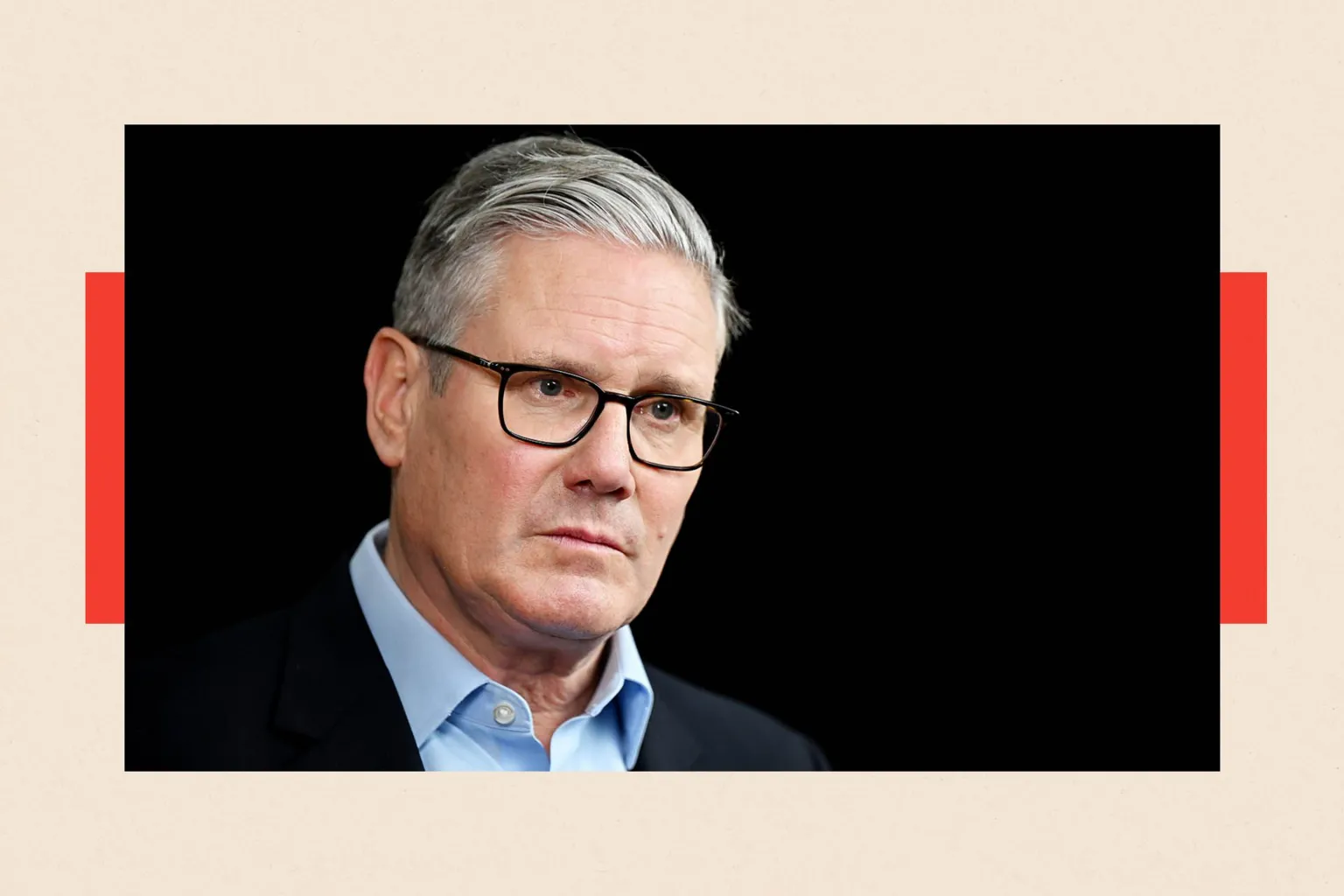
Within the Labour Party, while not all members desire a leadership challenge, even Sir Keir Starmer's most loyal ministers are urging him to implement swift changes. The prime minister is known for his determination, but the question remains whether he can reverse the party's fortunes.
After 22 months in government, millions of voters have expressed dissatisfaction with his performance. Increasingly, Labour colleagues are publicly voicing similar concerns.
The influential unions, which continue to fund the party, have also issued warnings. One union leader remarked,
"It's been a slow motion car crash – we need a concrete promise that things will change."
Labour faced significant defeats in recent elections, and despite expectations, the losses remain painful.
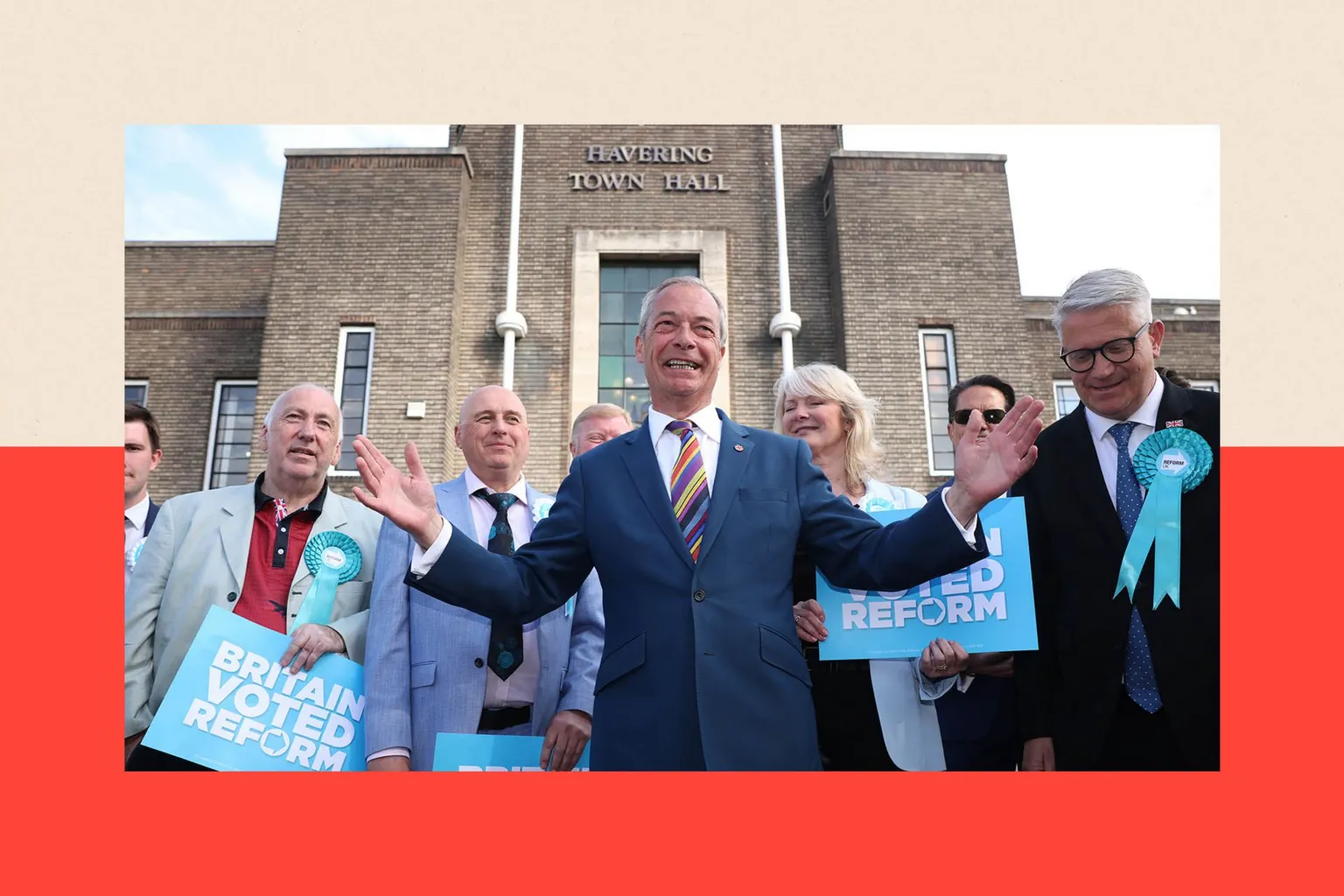
At numerous counts, the party lost seats to Nigel Farage, whom many in Labour dismiss as a vaudeville performer with offensive views.
In other regions, Labour ceded ground to Zack Polanski, a former performer, hypnotist, and Liberal Democrat.
The success of Reform UK under Farage is remarkable, as is the Greens' progress under Polanski.
For some Labour members, the discomfort stems from losing not just to the Conservatives—a familiar scenario—but to these newer political forces.
Strategies for Recovery and Leadership Challenges
Starmer's supporters argue that the party must improve its governance, act more swiftly, and convincingly demonstrate change—terms often used but rarely defined in politics.
They emphasize the need to appear competent and capable of making meaningful improvements to citizens' lives. Starmer himself acknowledged on Saturday,
"We made unnecessary mistakes,"including insufficient efforts to convince the public about impactful change.
He added,
"The hope wasn't there enough in the first two years of this government."
Downing Street is already signaling action by appointing Gordon Brown and Harriet Harman as unpaid advisers on global finance and women and girls, respectively. However, the distinction between Harman's new role and her previous appointment remains unclear.
While global finance and women's issues are significant, these appointments also appear aimed at strengthening the prime minister's political position. Brown was known as the "clunking fist," after all.
Some Labour insiders joke about the irony of seeking guidance from past leaders, quipping,
"there are rumours that they've brought an ouija board through the green baize door to consult Clem Attlee and Harold Wilson."
Starmer's upcoming speech on Monday is expected to emphasize closer ties with the European Union, a theme he has promoted since early in the year.
Following that, the King's Speech on Wednesday will outline the government's legislative agenda. Despite the grandeur of the occasion, effective governance requires credible and coherent plans beyond ceremonial display.
Internal Party Sentiment and Future Prospects
Labour MPs and party members are eager for initiatives that will engage voters. One source involved in preparing for the King's Speech indicated that several Labour-friendly measures will be proposed but expressed doubt about any dramatic or transformative announcements.
In recent weeks, Starmer has been described by a cabinet minister as
"bluntly self critical"and privately acknowledging the need to intensify efforts. The minister cautioned that a leadership contest at this time would be unwise, stating,
"he is the most astonishing adaptor and survivor."
However, Starmer has already undergone multiple resets during his relatively brief tenure, and while his persistence is evident, historical precedent suggests governments in similar situations often struggle to recover.
Some ministers have concluded that the situation is
"terminal - I just can't see a way through,"according to one insider.
Regarding potential alternatives to Starmer, evidence is limited. Andy Burnham is unlikely to make a move this weekend, as he is not currently an MP and Labour suffered significant losses in his region.
Angela Rayner is also not expected to seek leadership but will likely voice concerns about the party's direction.
Some of the prime minister's allies assert that a
"quiet majority in the PLP [Parliamentary Labour Party]"is questioning the party's current course.
Without a clear leadership contender, forcing Starmer to announce a departure timetable could alienate an already disillusioned electorate. Allies argue it would signal indecision, with one stating,
"Dear country, we can't make a decision, so we want a bit more time 'til we do."
Another minister warned that if Starmer were to commit to a departure timetable,
"If you say you're going, you're done as soon as you've said it."
Context and Party Achievements Amidst Turmoil
Labour maintains a substantial majority in Parliament during a period of significant international instability. Supporters highlight government accomplishments such as raising the minimum wage and reducing NHS waiting lists.
Historical experience from the Conservative Party's 14 years in power suggests that frequent leadership changes can lead to adverse outcomes.
Nonetheless, the leadership debate remains persistent. A cabinet minister advocating for a resilient Starmer remarked,
"We just can't seem to stop talking about the leadership."
Public support for the prime minister has declined sharply, as recent data indicates. With an increasing number of MPs calling for his resignation, Starmer's standing within the party is diminishing.
The current situation leaves the prime minister appearing to be on borrowed time. Labour is caught in a state of frustration and uncertainty, with no clear successor and dwindling support for Starmer's continuation.
Additional Analysis and Reporting
BBC InDepth offers comprehensive analysis and fresh perspectives on major issues. Emma Barnett and John Simpson curate a selection of insightful reads and reports every Saturday.
Readers can to the newsletter for regular updates.



