

Woman Speaks Out After 25 Years of Imprisonment and Abuse
Amanda Wixon, 56, has been sentenced to 13 years in prison for imprisoning and abusing a woman in her Gloucestershire home since the 1990s. The victim, held captive for over 25 years, described her experience as living in "fear, control and abuse," stating that her life, freedom, and voice were disregarded throughout that time.
“For 25 years I lived in fear, control and abuse. I was treated as though my life, my freedom and my voice did not matter. The trauma and the nightmares are something I still carry with me every day.”
In a statement released during Wixon’s sentencing at Gloucester Crown Court, the victim expressed gratitude for her current living situation with a supportive family, which is helping her rebuild her life and regain a sense of safety.
“I am now living with a wonderful family who show me kindness, patience and support. Their love is helping me slowly rebuild the life that was taken from me and begin to feel safe again. Nothing can give me back the 25 years I lost.”
Calls for Accountability from Social Services
There is increasing public demand for social services to explain how the victim, now in her 40s, was able to remain hidden for so long. Her foster carer criticized the system’s failure to protect her.
“It’s just a horrible situation which should never have happened. I think social services should be more alert and then maybe no one else will go through what she has been through.”
Details of Abuse and Living Conditions
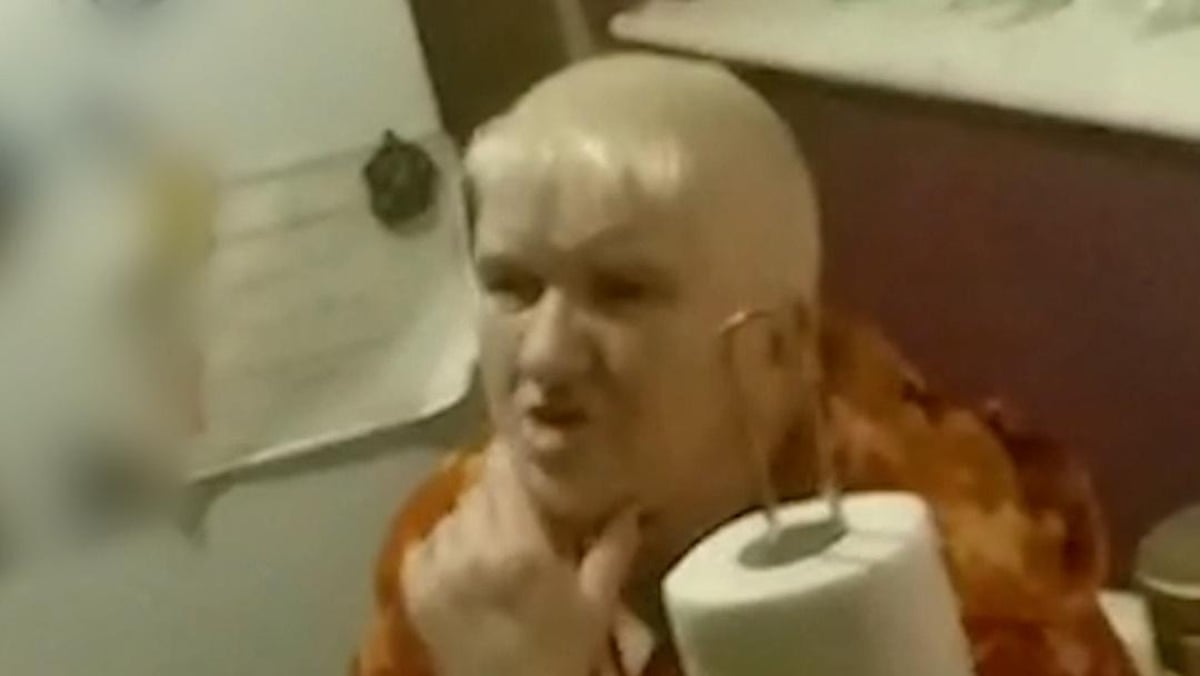
During the trial, it was revealed that Wixon subjected the woman to severe physical abuse, including beating her, forcing washing-up liquid down her throat, splashing bleach on her face, shaving her head against her will, hitting her with a broom handle causing tooth loss, and forcing her head into a toilet.
The victim was confined to the Gloucestershire home, living on scraps and unable to leave. She was forced to wash secretly at night, and her benefit payments, totaling £100,000, were deposited into Wixon’s account.
Newly released voice notes discovered by police provide insight into the victim’s suffering. In one recording, she said:
“I was in agony last night, I was crying … I had no one to speak to.”
In another, she expressed a longing for freedom:
“Wish I could go out, take Marley [the family’s dog] for a walk every day of the week, wish I could do that but I can’t.”
Body-worn camera footage from police shows Wixon describing the victim as "quite reclusive" and unable to recall when she last bathed her.
Background and Discovery
The victim, who has learning disabilities, moved into Wixon’s home in the mid-1990s at age 16, initially intended to stay only for a weekend but remained until her rescue in 2021.
When police found her following a tip-off, she had scarring on her lips and face, and large calluses on her feet and ankles from being forced to clean floors on her hands and knees. The house was overcrowded, with mould on the walls, crumbling plaster, and rubbish in the garden. Her room resembled a prison cell.
Trial and Social Services Involvement
Prosecutor Sam Jones told the jury that the victim had effectively disappeared from society. Although social services had been involved with the family in the late 1990s, there was no record of contact since then.

“The fact remains that nothing was done by social services.”
Jones further noted the absence of medical or dental records and that the victim had not seen a doctor in two decades.
Wixon was convicted of false imprisonment, forced or compulsory labour, and assault occasioning actual bodily harm.
Community Concerns and Charity Response
Following the conviction, a neighbour claimed to have reported concerns to social services after seeing the victim knocking on windows, but no action was taken.
“I made phone calls for social services, nothing was ever done. Social services failed her massively.”
The charity Unseen, which supports victims of modern slavery, called for improved training for professionals to identify signs of exploitation.
“The awareness of domestic servitude is really really low because it happens in private homes. I think there is a real lack of training for professionals on how to identify the signs of exploitation.”
The charity also provided new data showing a significant rise in modern slavery victims, with over 6,600 reported cases in 2025, a 37% increase from 2024.
Local Government Reaction
Beki Hoyland, leader of the Green group on Gloucestershire County Council, condemned the safeguarding failures and called for a serious case review to learn lessons.
“This is obviously a serious breach of safeguarding duty by GCC, and I hope there will be a serious case review where lessons can be learnt. It is disgusting that people can treat another human being like they have in this case, I do hope the victim now has all the support they need to live a full life from here.”
Victim’s Ongoing Recovery
After her rescue, the victim, who observed the sentencing via videolink, continued to feel compelled to clean and struggled with everyday tasks such as crossing roads, shopping, and dressing for the weather.
In a victim impact statement, she described ongoing panic and fear triggered by sudden noises and nightmares involving Wixon.
“I still felt panicked and froze at sudden noises. I had nightmares in which Wixon stood at the foot of my bed and I feared she would ‘grab me and take me away’.”
Judicial Remarks and Sentencing
Judge Lawrie described the case as having a "Dickensian quality" and suggested the victim may have experienced Stockholm syndrome, where captives develop emotional bonds with their captors. He noted a neighbour’s comparison of the victim’s appearance to that of a prisoner in a camp.
The judge characterized Wixon as "heartless" and noted her lack of remorse. In addition to the prison sentence, a restraining order was imposed to protect the victim upon Wixon’s release.
Official Statements from Gloucestershire County Council
Gloucestershire County Council stated it was unaware of the victim’s situation until the police investigation began in 2021. A spokesperson praised the victim’s courage in seeking help and confirmed ongoing support from adult social care services.
“We would like to praise the person at the centre of this case for her bravery in reaching out for help. We first became aware of her tragic situation in 2021, at the start of the police investigation. Since then, the victim has been supported by our adult social care services.
Now that this case has concluded, we will be conducting a review to ensure that all agencies do everything possible to spot and prevent such abuse.”


