

Continuing to Work Past Retirement
Mandy Kemp has been employed since she was 16 years old. Now 70, she still works three days a week as a practice manager for a financial adviser, having only recently reduced from full-time hours.
"I only have a state pension, and it wouldn't pay the rent and my living costs,"she explained.
"It's affordability more than anything else. I'm not a lover of benefits, so I'd rather try and do it on my own."
Residing in Dover, Kent, Kemp shared with the BBC that she supports her son and husband, who are unable to work due to health issues. While she enjoys her job and staying active, she expressed concern about the future.
"Unless I got redundancy, I don't see how I'd survive for that long,"she said, describing her outlook as "very uncertain."
Challenges Faced by Older Workers
Dr Andrea Barry, representing the not-for-profit organisation Centre for Ageing Better, noted a rising trend over the past twenty years of people working longer.
She attributed this partly to increased life expectancy and the rise in state pension age.
Barry highlighted that women are disproportionately affected, often having had part-time employment without pension benefits or caregiving responsibilities that limited their ability to work.
"Overall, many people want to work past the retirement age, which is no longer a 'cut off',"Barry said.
However, she acknowledged that some individuals have no choice but to continue working due to factors such as the cost of living, insufficient savings, and increased housing rental costs.
Barry also pointed out that older workers contribute economically, especially when possessing skills that employers find difficult to source.
Moreover, employment can enhance health and wellbeing by keeping older adults physically active and socially engaged, though she recognised it may be detrimental for some.
"There are a lot of very precarious and vulnerable people in their 60s and 70s,"she added.
Work as a Source of Purpose and Social Connection
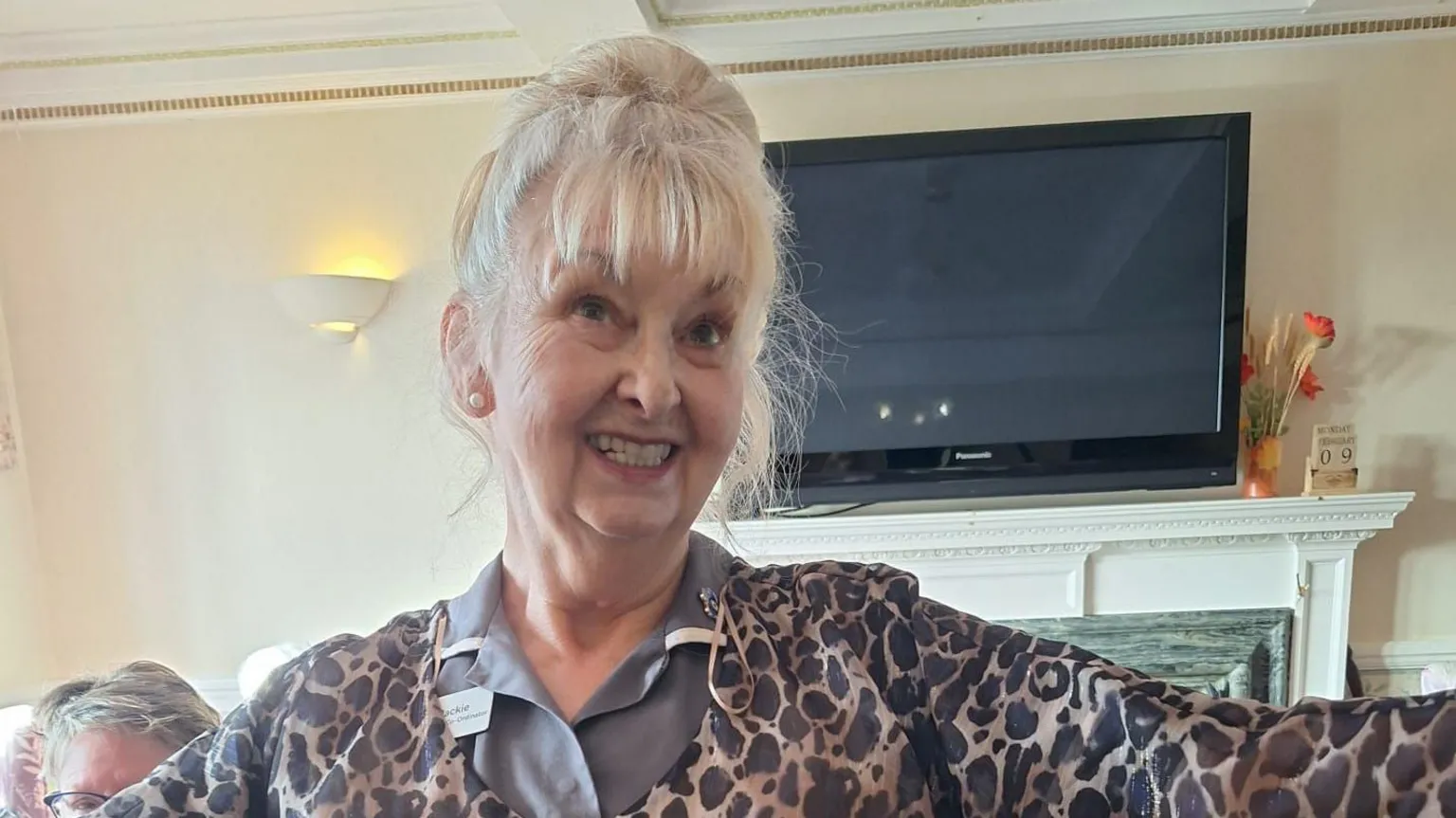
Jackie Haynes, who will turn 80 this year, told the BBC about her part-time role as an activity coordinator at Sussex Grange care home.
"Quite a few of the residents are even a bit younger [than me],"she remarked.
Haynes stated that working provides her with a sense of purpose and helps maintain social connections.
"I love being with the residents as we can talk about the old days,"she said.
"More important for me is the friendship. It keeps me young."
Financially, Haynes does not need to work, as she has private pensions and owns her home.
"The money is very, very nice. I can do extra things that I wouldn't normally do. I don't have to worry,"she added.
The Mental Benefits of Continued Employment
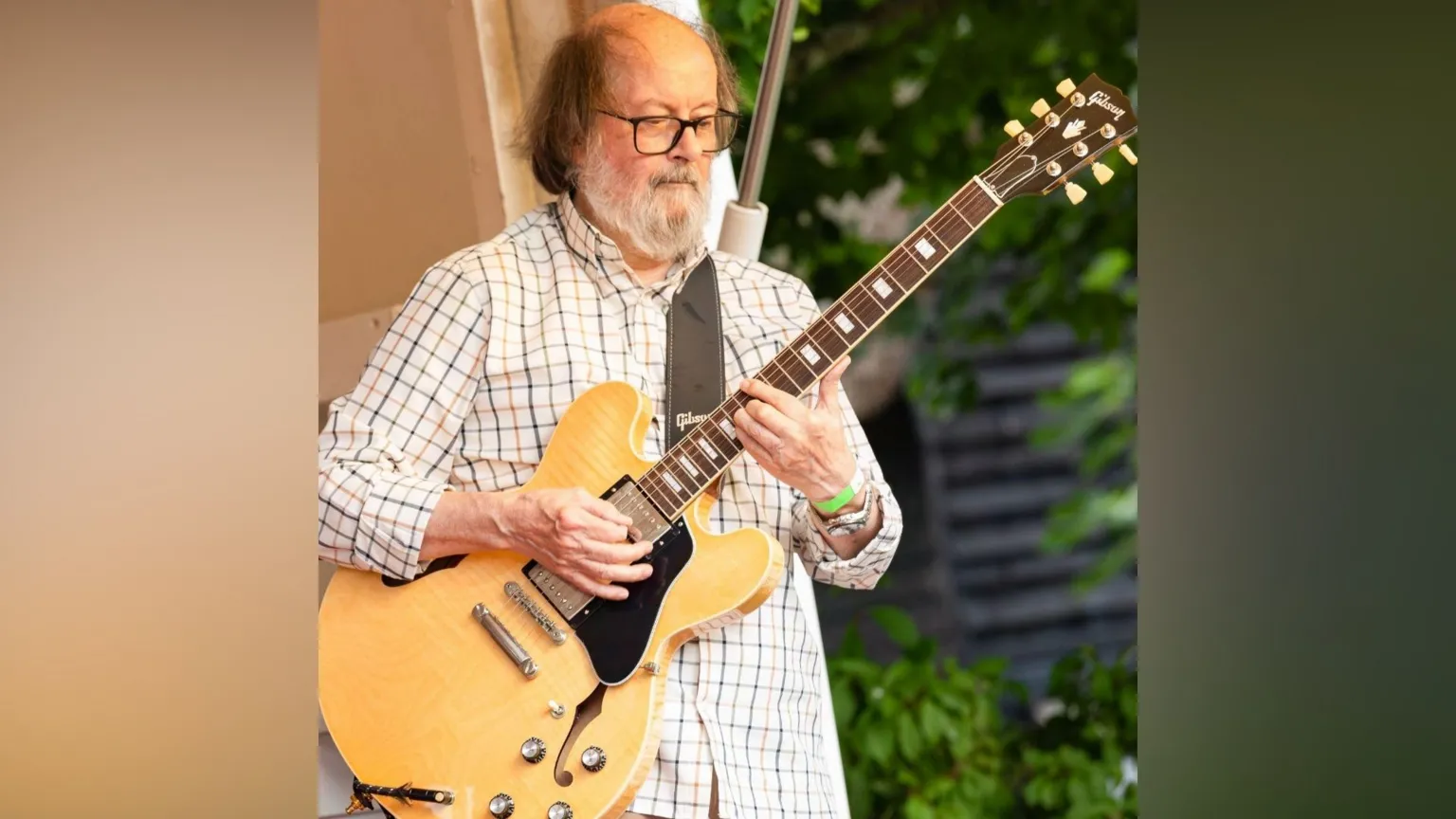
Mike Sandford, from Redhill in Surrey, expressed concerns about the mental effects retirement might have on him. At 78, he works full-time as a mechanical design engineer.
"I need something to stimulate the mind,"he told the BBC.
Sandford mentioned that while he enjoys hobbies such as wildlife photography and playing guitar, these activities alone would not occupy his time sufficiently.
"I'd be climbing up the walls,"he said.
"I have seen others who have retired, and they do nothing but sit in front of the television drinking wine all day. And you think, Jesus Christ, that's not me. I want to be active as long as I can be."
Follow BBC Sussex on Facebook, X, and Instagram. Readers can send story ideas to southeasttoday@bbc.co.uk or WhatsApp on 08081 002250.


