

1. Become first minister
Plaid Cymru achieved a remarkable victory in this week’s Senedd election, overtaking Labour as the largest party in Wales.
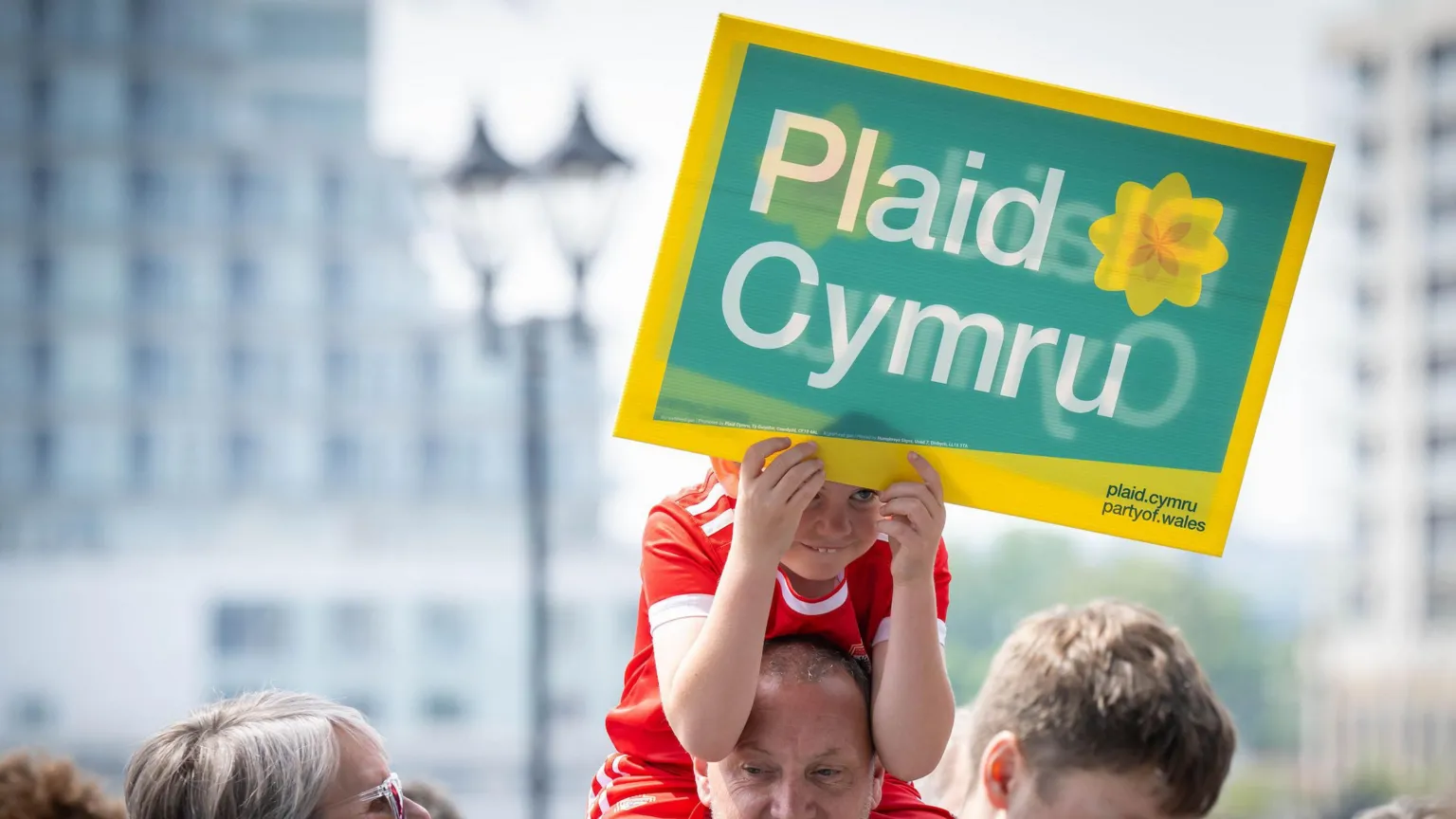
At a rally on Saturday, party leader Rhun ap Iorwerth addressed supporters and activists, pledging to form a Welsh government composed solely of Plaid Cymru ministers.
This approach presents challenges, as Plaid’s 43 seats fall six short of a majority, potentially leading to political complexities.
Nonetheless, the path for ap Iorwerth to become first minister currently appears clear.
During Saturday’s victory event, it was evident that Plaid intends to move swiftly to establish government.
The Welsh Parliament requires a formal procedure to confirm the first minister through a vote, which Plaid aims to hold as soon as possible, ideally on Tuesday.
The Senedd’s presiding officer must provide members with 24 hours’ notice before convening the meeting.
Ap Iorwerth is expected to pass this stage, as the new 96-member Senedd’s composition favors him.
Labour’s significantly reduced group of nine members is anticipated to abstain from voting.
The Conservative Party’s stance remains uncertain; even if they supported Reform UK, their combined votes would total 41, fewer than Plaid’s 43. The Liberal Democrats and Greens have declared they will not assist Reform.
Members will confirm the first minister through a roll call vote, where the candidate with the most votes wins.
Additionally, the Senedd must elect a new presiding officer to replace Elin Jones, known as the Llywydd.
Potential candidates include Paul Davies of the Conservatives and Huw Irranca-Davies of Labour.
The presiding officer election is conducted by secret ballot and must precede the selection of the first minister.
Any complications in this process could delay ap Iorwerth’s appointment.
2. Form his team
Following confirmation, ap Iorwerth will select his ministerial team.
The number of ministers, excluding the first minister, is set to increase from 12 to 17.
Details on potential appointments remain limited. It is plausible that experienced Senedd members who have contributed to specific policy areas may be considered for ministerial roles, or ap Iorwerth might assign different responsibilities.
For instance, Mabon ap Gwynfor, Plaid’s health spokesperson, is a likely candidate for health minister, though this remains speculative.
Other Senedd members will begin their duties in the coming weeks, including committee leadership roles, which require negotiation among parties.
3. Get to work
At their February conference, Plaid outlined a plan for their first 100 days in government.
Initially dismissed by some as a document filled with plans and reviews, the plan includes initiatives such as commissioning an independent review of NHS performance under the theme "tackling waiting lists."
Having been elected on promises to improve public services, Plaid will be eager to demonstrate progress, particularly in reducing Wales’ significant NHS waiting times.
Ap Iorwerth is likely to seek increased support from the UK government, a challenging prospect given Labour’s electoral setbacks in Wales and beyond.
Financial constraints are a concern; Labour criticized Plaid during the campaign for proposing spending commitments, such as expanding childcare, that they claimed were unaffordable, though Plaid maintained their plans were properly costed.
Ap Iorwerth may also introduce a new budget to allocate funds in line with Plaid’s policy priorities.
4. Deals - could independence scupper them?
To pass critical legislation, Plaid will need to collaborate with other parties to secure votes in the Senedd.
Annual approval of spending plans, known as the budget, is essential; failure to pass a budget results in automatic and severe government cuts.
This could become contentious if Plaid allocates funds toward advancing the case for Welsh independence.
While Plaid has ruled out holding a referendum during its first term to appeal to unionist voters, it plans to fund a commission to develop the independence case.
It remains uncertain whether this will complicate securing budget approval. For example, Liberal Democrat MS Jane Dodds has refused to support any spending related to independence efforts.
5. Build his party
Plaid’s election success was driven by a coalition of voters united in opposition to Reform UK’s potential rise.
Previously, Plaid was sometimes mocked for branding itself the "Party of Wales" despite concentrated regional support.
Now, the party has representation across the country.
Over the coming years, Plaid faces the challenge of converting those who voted tactically into long-term supporters and establishing a broad national base.


