

Winter Muck-Spreading Ban to Protect Rivers Deemed Ineffective
A ban on muck-spreading during winter months intended to protect rivers is not effective and will be revised, according to the Welsh government's newly appointed environment minister.
The regulations, introduced by the previous Labour administration, were supported by river conservation advocates but met with opposition from many farmers.
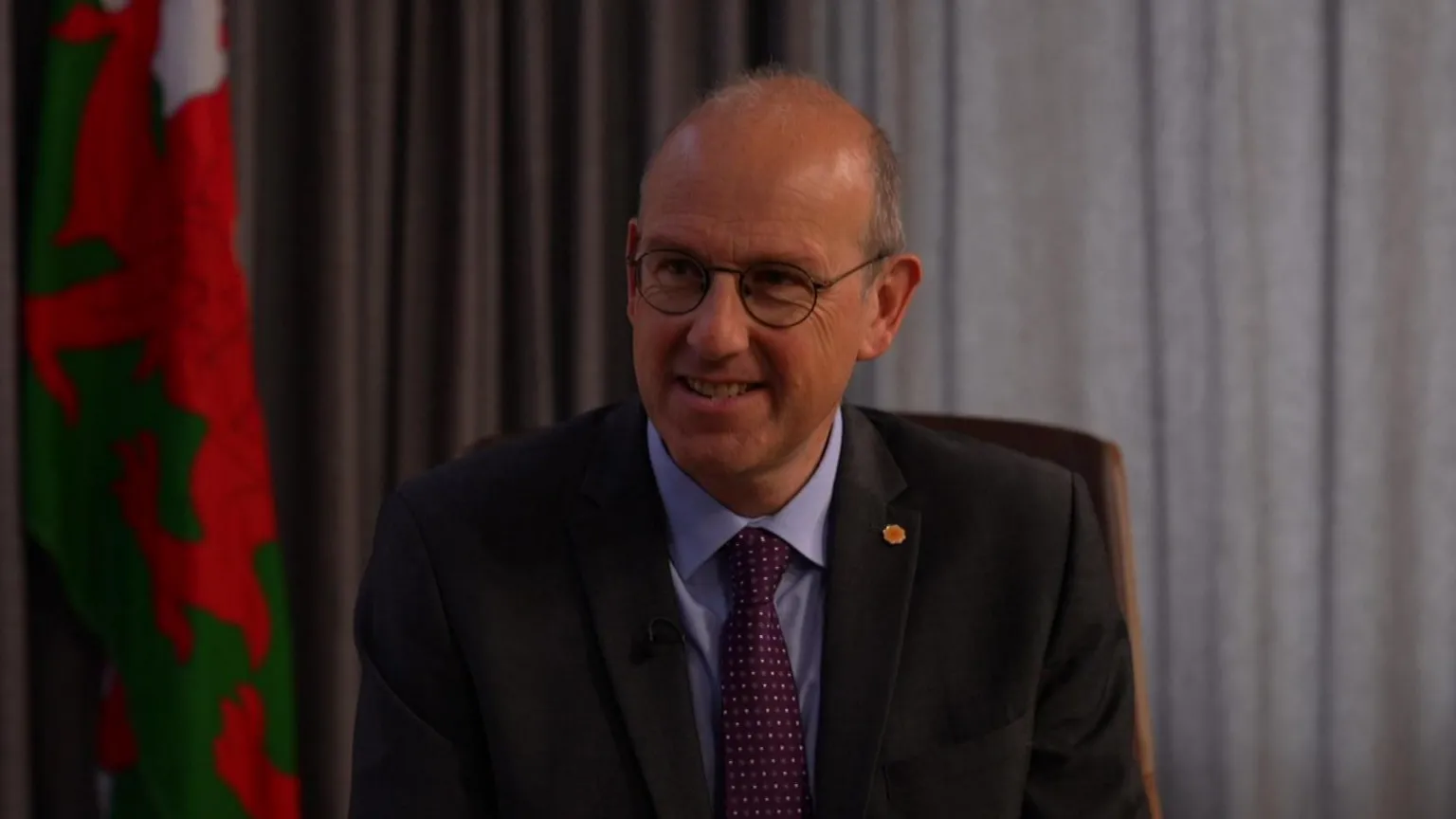
Llyr Gruffydd MS, who has recently taken office as Cabinet Minister for Rural Resilience and Sustainability, emphasized the potential for technology to better manage slurry spreading rather than relying on fixed calendar dates.
"If you want to know whether it's appropriate weather for spreading slurry you don't look at the calendar, you look out of the window, and we need to be leaning on technology and other answers when it comes to this."
He also rejected the notion of a conflict between Plaid Cymru's environmental policies and farming interests, highlighting the government's commitment to achieving net zero emissions by 2040, a decade earlier than the rest of the UK.
The ban on slurry spreading from mid-October to January is part of a broader set of restrictions that have been debated in Wales for nearly ten years.
Farmers have criticized the new manure storage rules as overly stringent and costly, advocating for spreading decisions to be based on weather conditions rather than fixed dates.
Meanwhile, river conservation groups have warned that Welsh waterways are in "chaos" and contend that farmers have had sufficient time to adapt to the regulations.
Understanding Muck Spreading and Its Impact
Farm slurry, a mixture of water and cow manure, is commonly spread on land as a natural fertilizer.
However, if slurry enters rivers, it can cause significant environmental harm by triggering algal blooms that block sunlight and reduce oxygen levels, adversely affecting aquatic wildlife.
Since 2021, stricter regulations on manure spreading and storage have been implemented.
Farms are now required to have storage capacity for five months' worth of slurry, and spreading of animal manure is prohibited for three months annually, from mid-October.
Additionally, limits have been placed on the amount of manure that can be spread per hectare.
Minister Commits to Revising the Ban
Gruffydd, formerly Plaid Cymru's rural affairs spokesperson in opposition, stated that it is clear the current ban is ineffective.
"It will change absolutely - whether we achieve it by this coming winter is another matter but we'll do what we can."
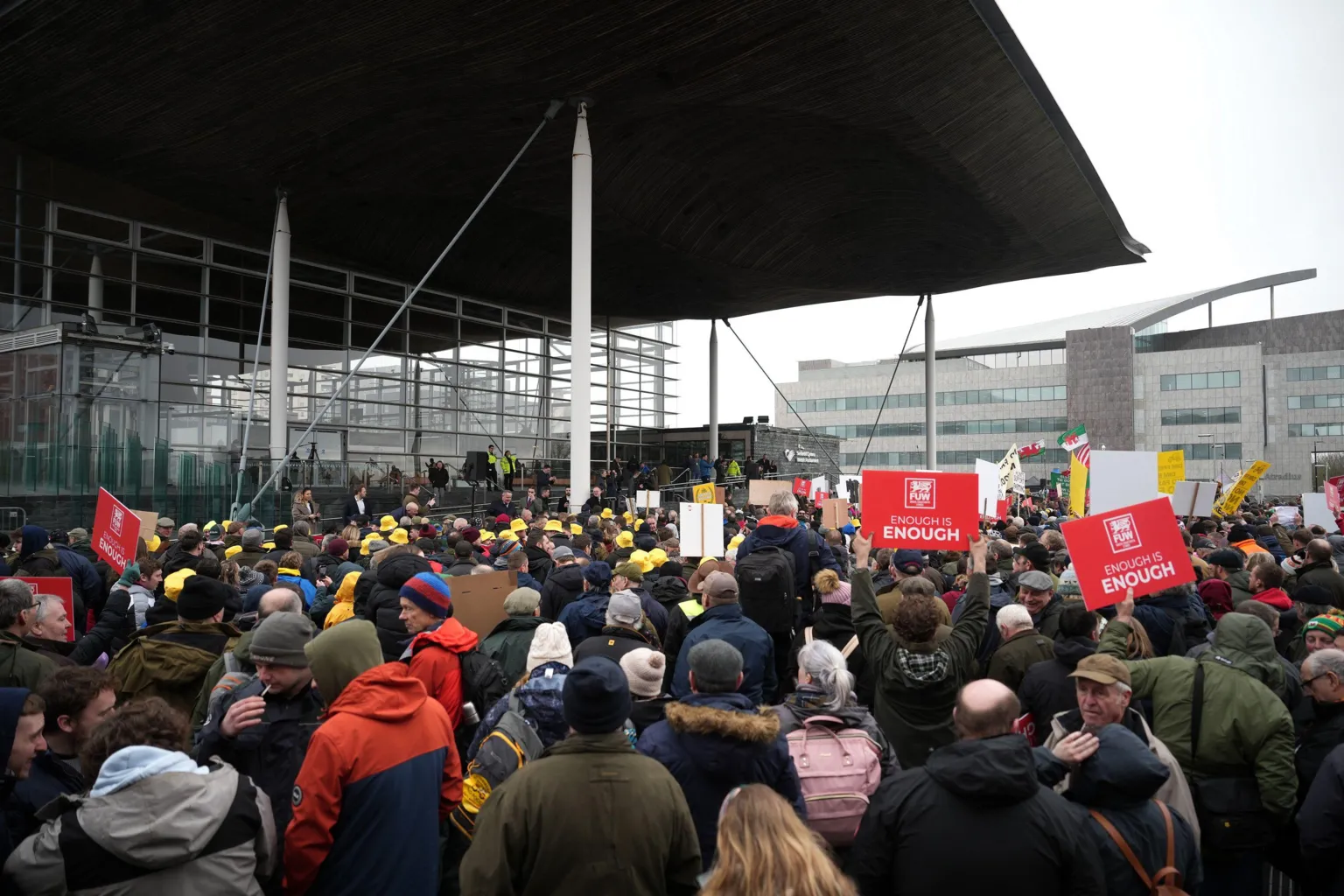
The farming sector has experienced a turbulent period, including staging the largest protest ever outside the Senedd in 2024, driven by concerns over slurry restrictions and subsidy changes.
Gruffydd expressed hope that farmers would feel represented by someone who understands their challenges and is committed to addressing them.
"I hope the sector will feel they have someone in the role now that actually understands farming and is determined to get to grips with many of those challenges."
While the farm support budget will be protected, increasing it may be difficult given the current financial climate.
"But certainly it won't diminish and we'll also give that long-term multi-year funding commitment that farmers crave."
Addressing Bovine TB and Wildlife
When questioned about the possibility of badger culling to combat bovine tuberculosis (TB), Gruffydd agreed with Wales' TB Programme Board that the disease must be tackled in both wildlife and livestock.
Environmental Groups Express Concerns
Environmental organizations have voiced disappointment that climate change and nature are not explicitly referenced in the new minister's title.
River Action posted on X:
"Wales is facing a climate and nature emergency - so why has the new Welsh government cabinet dropped a dedicated minister for climate change and not prioritised nature?"
Similarly, the Future Generations Commissioner for Wales described the absence of environmental priorities in the first minister's core missions as "disappointing" during a BBC Radio Cymru interview.
Balancing Farming and Environmental Goals
Gruffydd dismissed the idea of a conflict between Plaid Cymru's environmental agenda and its approach to farming and rural issues.
"I think getting the climate and nature piece right is good for farming and good for everybody else."
Plaid Cymru has pledged to begin work within its first 100 days on an updated Climate and Nature Action plan aimed at outlining a practical pathway to net zero by 2040 and significant nature recovery by 2050.
Regarding the feasibility of achieving a net zero target ten years ahead of the rest of the UK, Gruffydd stated:
"We honestly believe that we need that target to focus our minds and to send that signal. We are serious about tackling this but also societally we have to tackle this because if we don't the consequences will be very, very serious."


