

High Childcare Costs Impact Family Planning in Wales
Charlotte Seddon, a mother of two from Connah's Quay, has expressed concerns that the high cost of childcare in Wales has influenced her family planning decisions.
"We would have had the children closer together. We possibly may have had more,"
she said, adding,
"But the cost of childcare is the main concern about having them... And I think a lot of the mums that I speak to are in the same situation."
According to the children's charity Coram, nursery costs for children under two are higher in Wales than anywhere else in Great Britain. Ahead of the Senedd election on 7 May, parents across Wales have contacted BBC Your Voice to share their experiences with rising childcare expenses.
Coram's latest survey indicates that the average weekly cost for a part-time nursery place in Wales is £166.33, marking an 8% increase compared to 2025.
In Wales, two funded childcare schemes exist for children aged two, three, and four. The Childcare Offer provides up to 30 hours of free childcare weekly for three and four-year-olds, available for up to 48 weeks annually. Flying Start offers 12.5 hours of free childcare per week to two-year-olds in eligible areas, with plans to expand this provision gradually across all regions.
In contrast, England offers 30 hours of free childcare weekly for children starting from nine months old.
Seddon, currently on maternity leave from her insurance job, has a three-year-old son who benefits from funded nursery hours. She noted that free childcare starting at nine months would have significantly eased financial pressures, estimating that a mother in England in a similar situation would be approximately £12,000 better off over two years.
The high cost of childcare influenced the timing of her daughter’s birth. Seddon mentioned that her husband is contemplating leaving his job to care for their daughter upon her return to work, as nursery fees would surpass his salary.
She emphasized that some funded childcare hours would greatly assist their family.
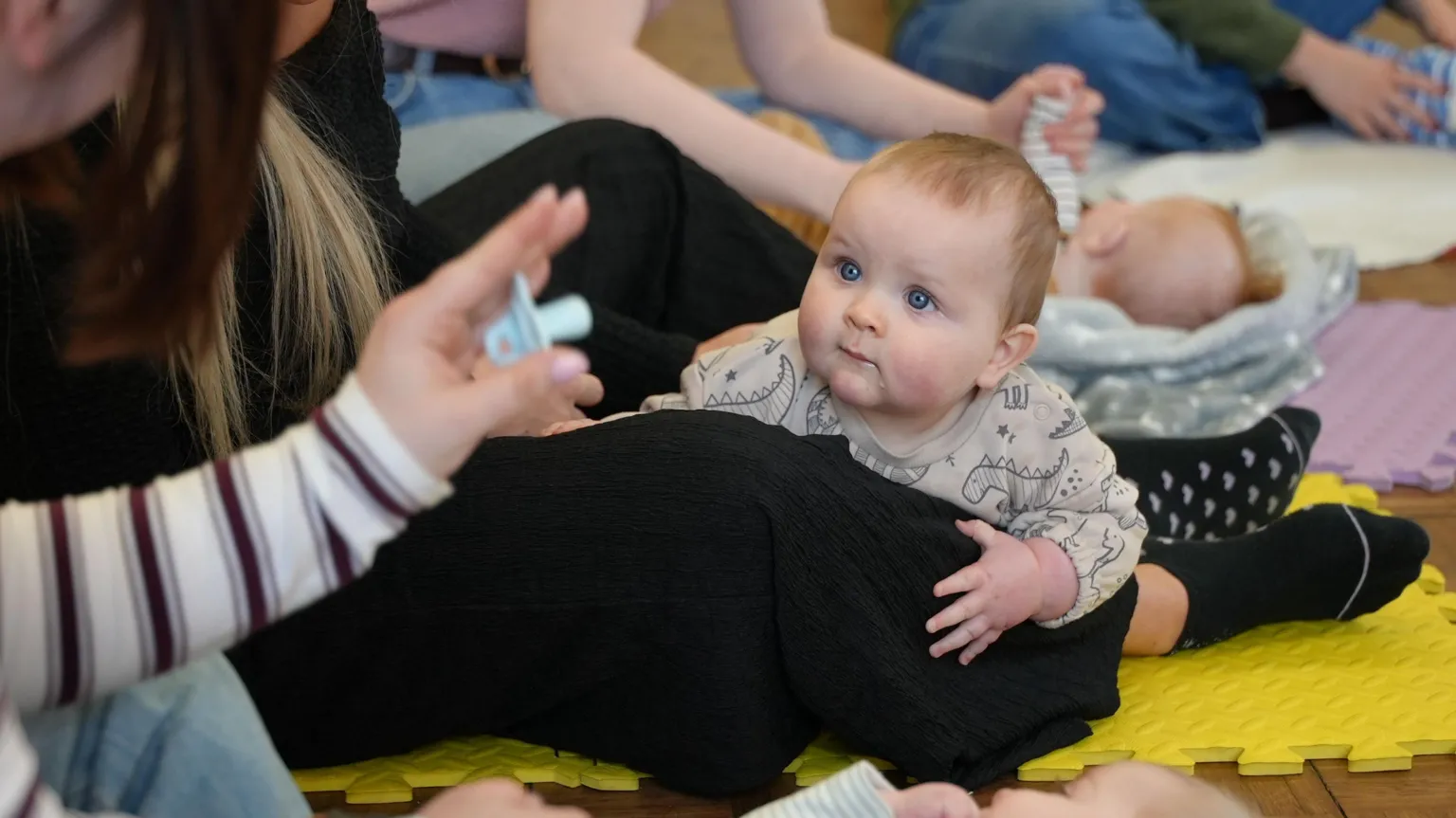
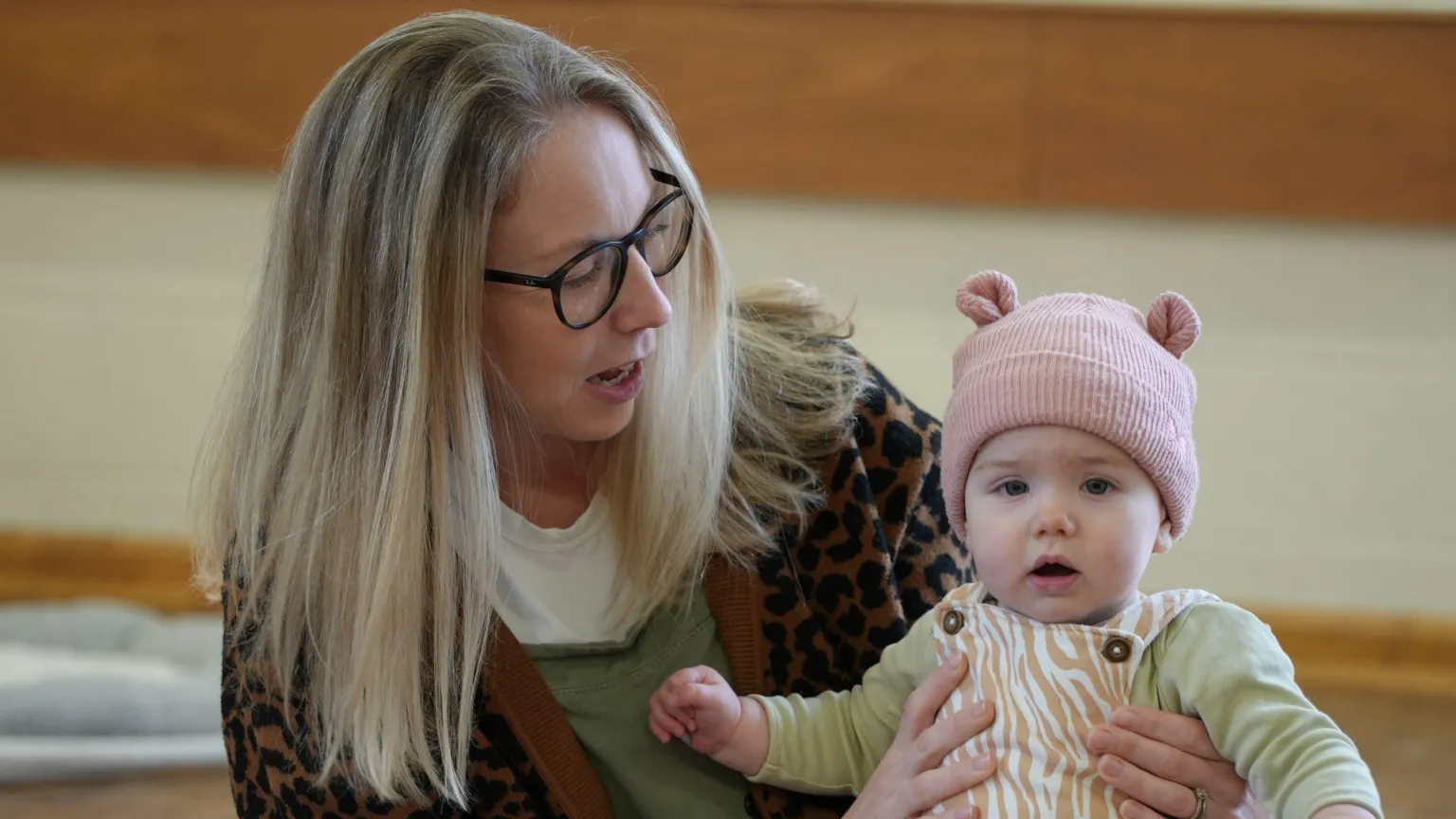
"Our [nursery] bill's now about £350 a month for the three days a week,"said Seddon during a baby music class in Flintshire, near the England border.
"Prior to that it was £900 a month. We couldn't have had two bills that high because it's more than mortgage payments and everything else.
You've just got to sacrifice for those first three years or save up. We did beforehand, in order to make sure we could afford it."
She added,
"If we could just get the same support that England are getting, that would go a long way."
Postcode Lottery and Cross-Border Disparities
Amy Doyle, who relocated from Chester to Flintshire after becoming pregnant with her six-month-old son Dexter, was unaware of the differences in childcare support between Wales and England.
"It's a bit upsetting to be honest because when you think about how it goes, we're all part of the United Kingdom, so you feel like it should be all for one,"
she said.
Elouise Hill, residing in England, expressed gratitude for the 30 hours of free childcare available there for children from nine months old. She also shared empathy for her friends in Wales.
"When you live around the border, it really can feel like a postcode lottery,"
she remarked.
"I feel incredibly fortunate but I appreciate that just living a few houses down can make such a difference in this time of your life."
Challenges Faced by Childcare Providers
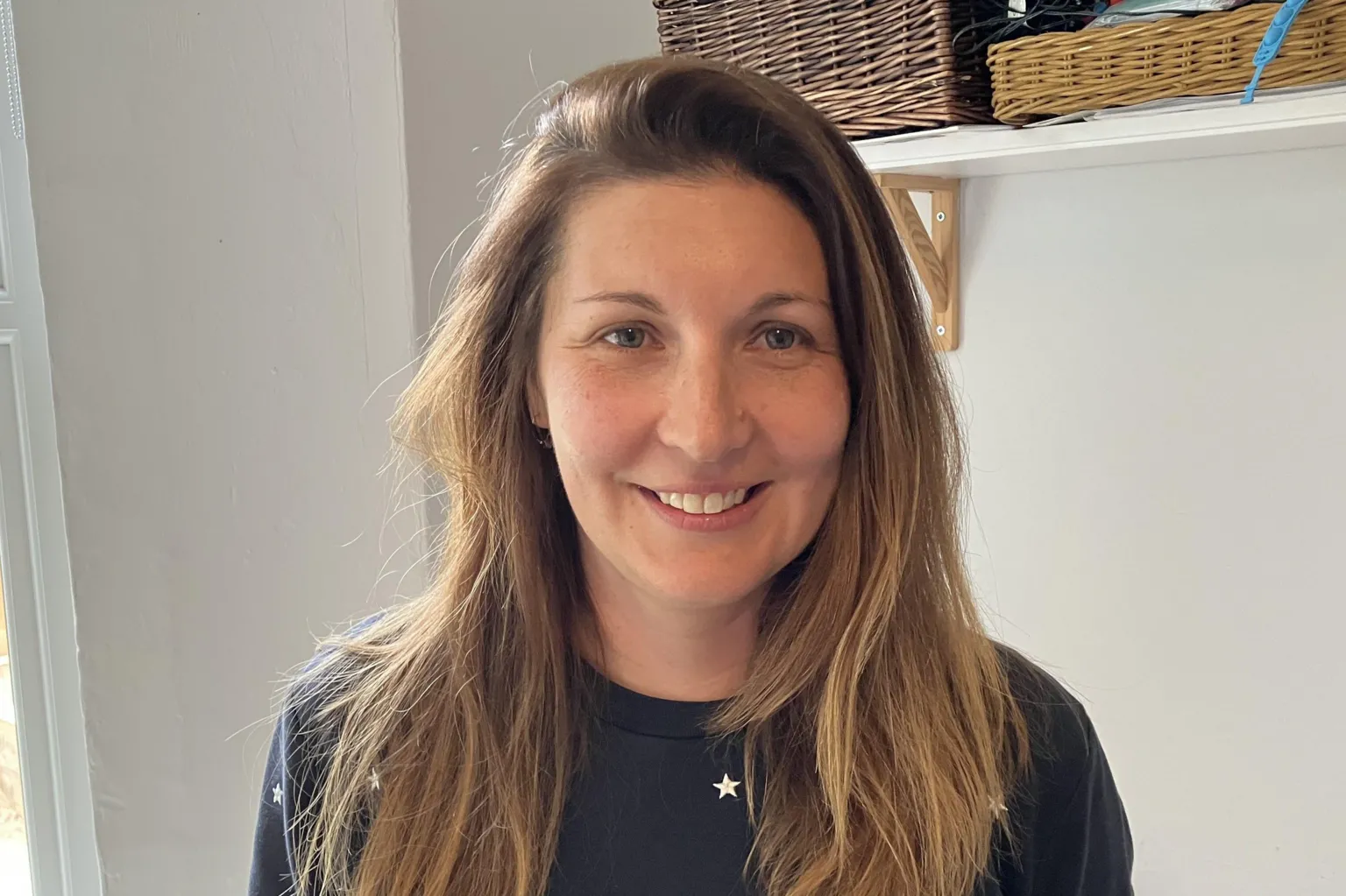
Childcare providers are also experiencing difficulties. Charlotte Forrester, who owns nurseries in Cardiff and Bath, highlighted the advantages and drawbacks of both systems.
She noted that parents in Wales pay over £500 more per month than those in England but acknowledged challenges in England related to the rollout of the 30-hour provision, including funding shortfalls leading to closures, especially in deprived areas.
Forrester, proprietor of Si Lwli nursery in Whitchurch, explained that expanding free childcare hours in Wales might cause similar problems or lead to increased fees and reduced extras offered by nurseries.
"Ultimately if your cost of delivering a service privately is £10 or £11-an-hour and you're only receiving £5 or £6-an-hour, the discrepancy and the gap has to be paid by somebody, either absorbed by the setting, paid by the parent or a shared absorption of cost."
She also mentioned that the 2.5 hours per day provided by Flying Start is not always practical for working parents who require care for the remainder of the day.
Sector Vulnerabilities and Staffing Issues
David Goodyer, CEO of Early Years Wales, representing 850 childcare providers, described the childcare system as "fragmented" with numerous funding pathways that complicate navigation.
He highlighted the sector's vulnerability to cost shocks such as rising energy prices and noted staffing challenges due to carer-child ratios and required training.
Goodyer explained that low pay leads many childcare workers to seek higher-paying jobs in retail or hospitality.
While understanding parents' calls for parity with England, he emphasized that the systems are not directly comparable.
"We recognise that parents would like this offer to come in earlier, and I think for us it's about how do we do that in Wales, working with the sector... to keep it high quality and make it a valuable experience for the families and for the children."
Political Party Commitments Ahead of Senedd Election
With the Senedd election approaching, Welsh political parties have outlined various childcare proposals.
Labour pledges to extend funded childcare to babies from nine months, aiming for a "measured" approach to avoid access issues experienced in England.
Plaid Cymru and the Green Party propose 20 hours of free childcare weekly for children aged nine months to four years, supplementing the existing offer.
The Liberal Democrats promise 30 hours per week for the same age group.
The Conservatives offer 30 hours of childcare or the option to nominate a grandparent for the Grandparent Childcare Payment.
Reform UK has not committed to specific childcare policies but indicates plans to address the cost of living crisis.



