

Challenges from External Interference in Noah Donohoe Search
The leader of a volunteer rescue team has stated that "people from outside" caused difficulties during the search operation for Belfast schoolboy Noah Donohoe.
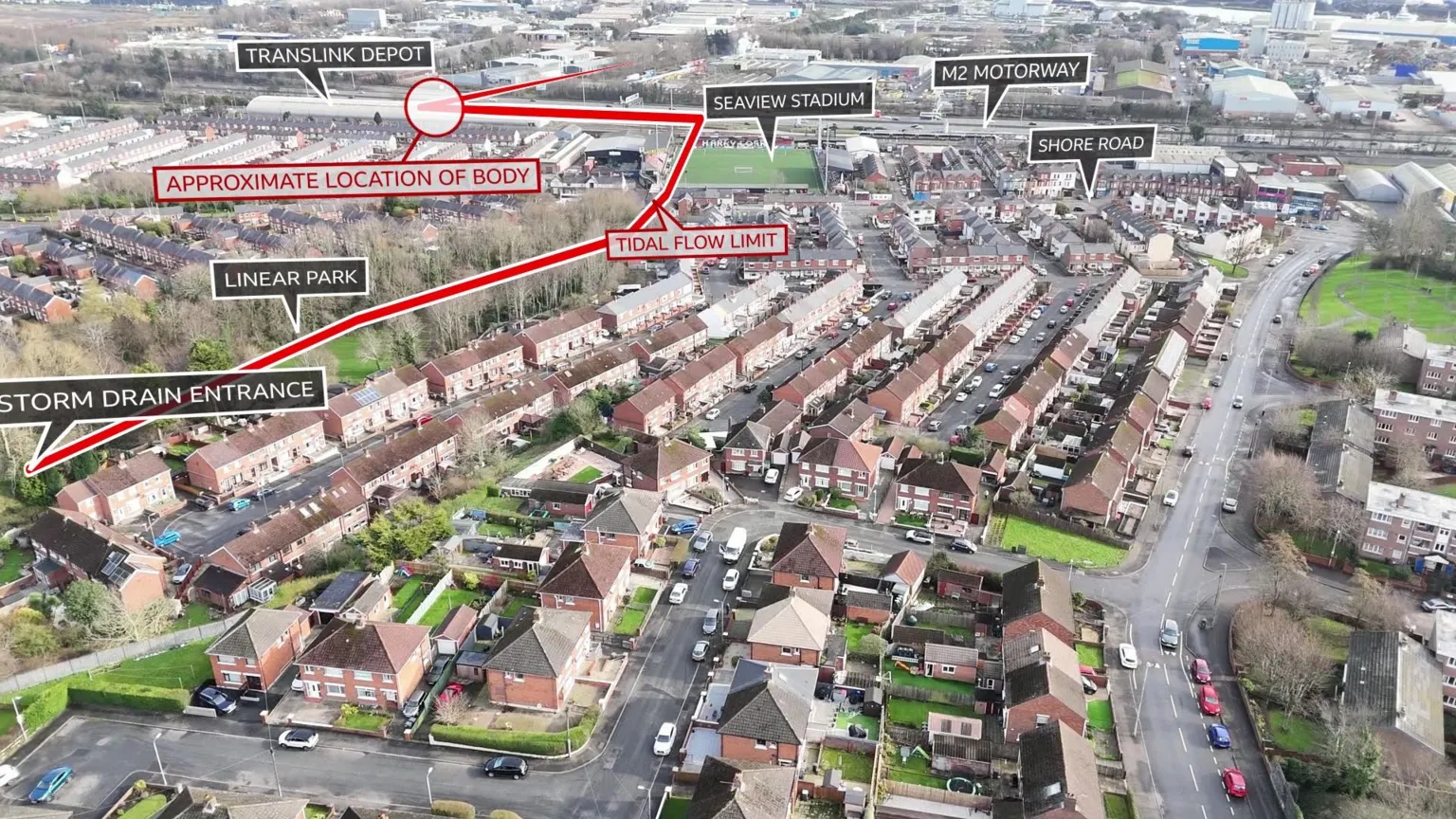
Noah, a pupil at St Malachy's College, was found deceased in a water tunnel near the M2 motorway nearly a week after his disappearance in June 2020.
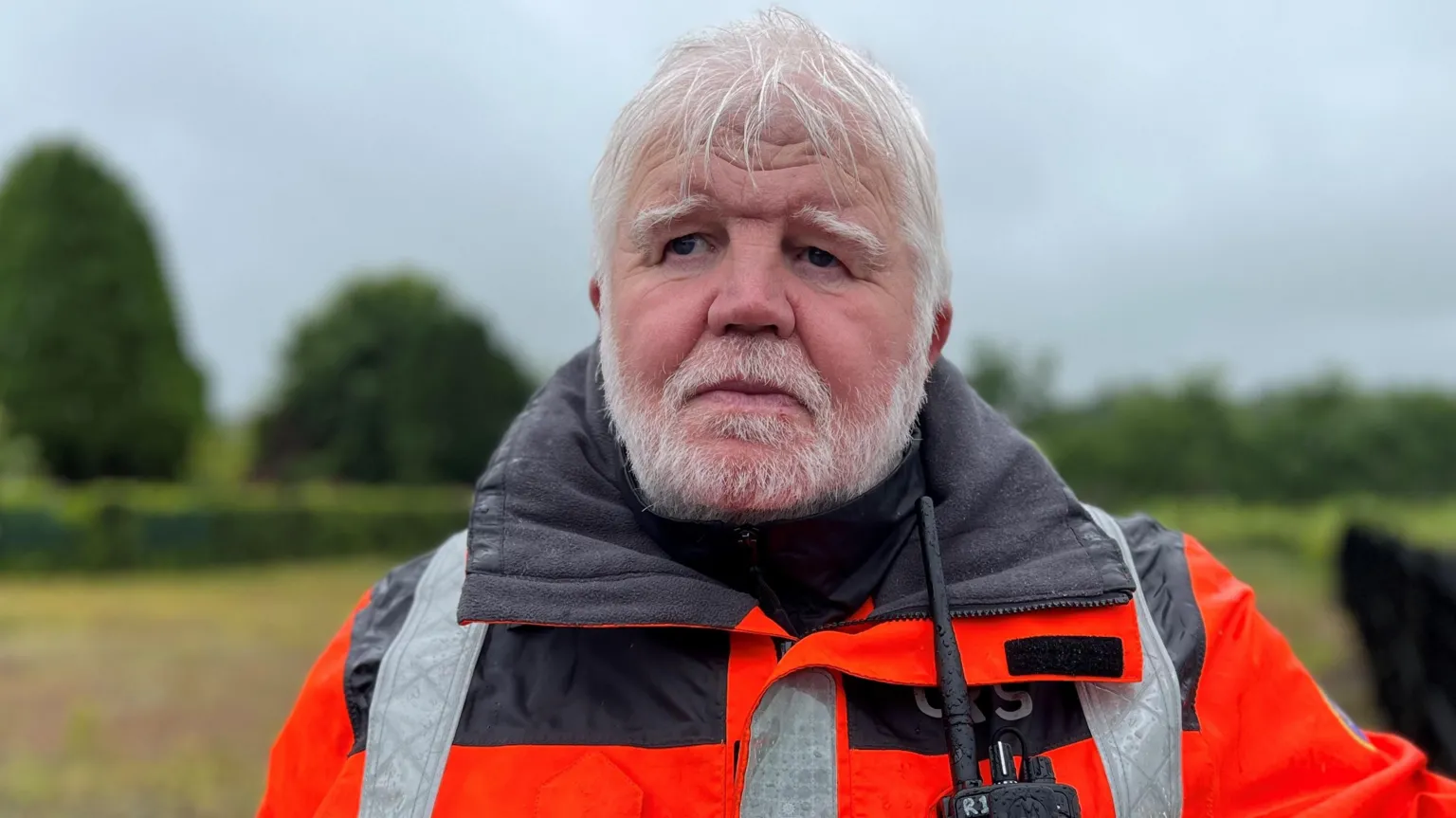
Sean McCarry, who led dozens of Community Rescue Service (CRS) volunteers involved in the extensive search, has been providing testimony for a second day at the inquest into the 14-year-old's death.
He defended the conduct of the search teams throughout the operation.
When questioned by a barrister representing Fiona Donohoe, Noah's mother, regarding possible delays caused by the late sharing of police information with the CRS during the searches, McCarry described the scenario as "hypothetical" and remarked:
"We're now in the realm of hindsight."
He acknowledged that earlier information sharing might have been beneficial but emphasized the need for balance.
Allowing Space for Trained Teams
The barrister highlighted that if CCTV footage had been shared earlier, searches around the culvert near Noah's disappearance site could have started "at 9am instead of 9pm," stressing the critical nature of time in missing person searches.
McCarry responded that any hypothetical must be weighed carefully to maintain balance.
He further revealed that "people from outside" were causing issues during the search, prompting him to join police in requesting hundreds of public members to step back to allow trained teams to perform specialized searches.
While paying tribute to the well-intentioned public volunteers, McCarry noted that some individuals sought to "insert" themselves into the search uninvited.
He explained this phenomenon as a common occurrence where some treat missing person searches as "a weekend pastime," believing they should participate.

McCarry stated he was being "diplomatic" when describing these individuals as "causing a problem" for trained search teams.
Unique Aspects of the Noah Donohoe Search
Describing the search as "unique," McCarry said the operation bore similarities to other searches but was distinguished by an "immediate impact" in community support unprecedented in his experience.
He noted that all search operations present challenges, and volunteers remain vigilant about addressing potential delays or errors during and after searches.
"Every single search has its challenges,"
McCarry added.
The volunteers considered their initial searches of Cave Hill credible, based on information from Noah's mother indicating he had planned to meet friends there on the day he disappeared.
The inquest was presented with police investigation details confirming that "no suicide note" or any information suggesting Noah intended self-harm had been found.
Coroner Mr Justice Rooney and the jury of nine men and two women heard that Fiona Donohoe sent a text to Noah's phone requesting contact.
Previously, the inquest revealed that Noah and his phone became separated before his disappearance, with the phone later found powered off at a play park.
McCarry explained that the culvert discovered soon after CRS began searching near Noah's last known location was considered a potential "natural hiding place" for a 14-year-old boy who was naked when he disappeared.
The inquest viewed a Department for Infrastructure video demonstrating that an adult could fit through the space between steel bars surrounding the culvert.
Concluding his evidence, Sean McCarry expressed that Fiona Donohoe and her family remain in the thoughts of CRS volunteers.


