

Government Aims to Reduce NEET Numbers
The UK government is focused on decreasing the number of young people who are not engaged in education, employment, or training, commonly referred to as NEETs. According to the most recent official data, NEETs represent one in eight individuals aged 16 to 24 in the UK.
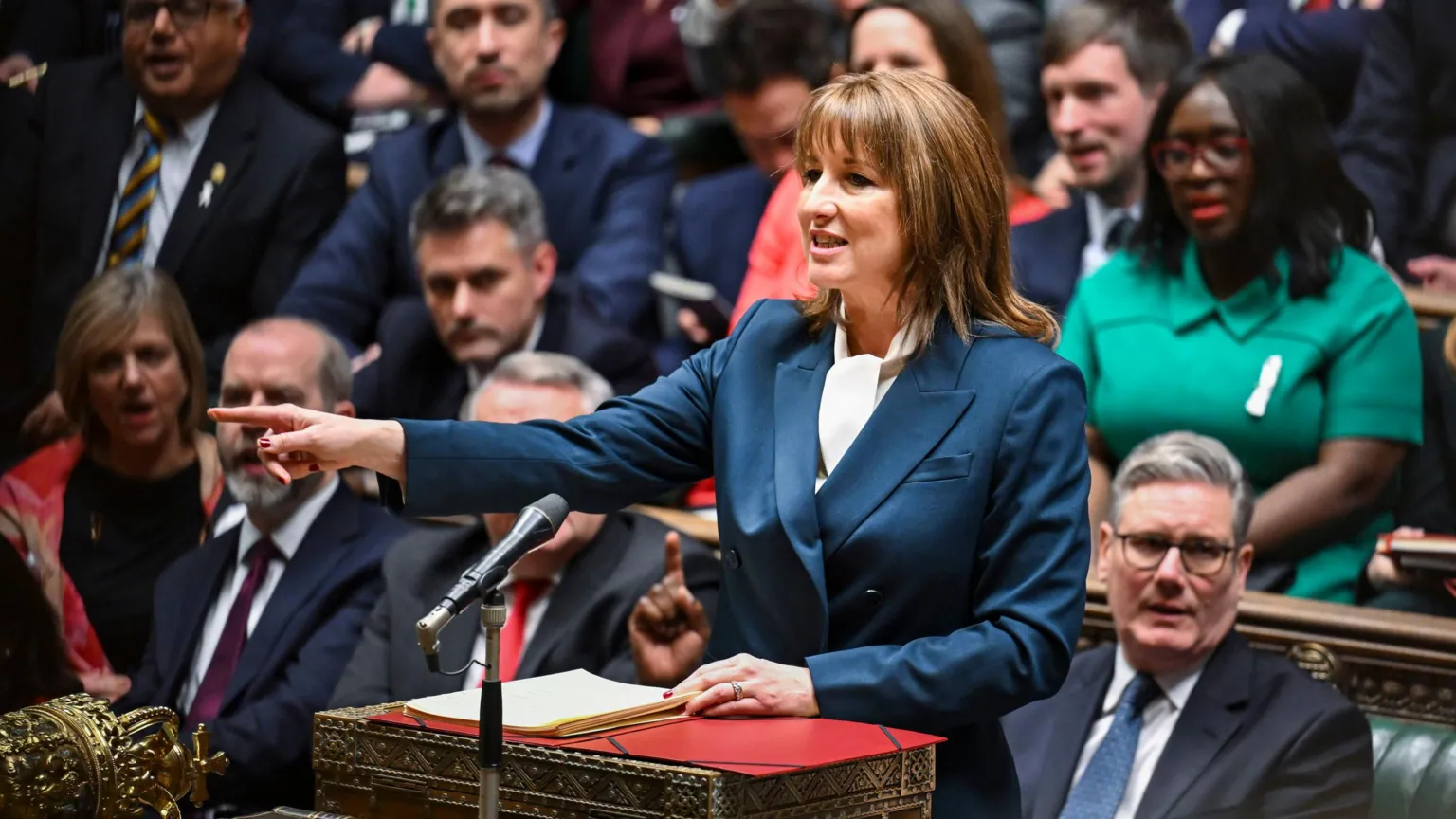
In the November 2025 Budget, Chancellor Rachel Reeves announced a funding package of £820 million aimed at supporting 18 to 21-year-olds into education or paid employment.
What Does NEET Mean?
A young person is classified as NEET if they are not participating in formal education, such as school or university, not undertaking an apprenticeship or vocational course, and not engaged in full-time or part-time employment.
Individuals involved in any of these activities are not considered NEET.
How Many NEETs Are There?
The Office for National Statistics (ONS) publishes quarterly figures on the number of NEETs in the UK, based on data from the Labour Force Survey. However, response rates to this survey have declined in recent years, resulting in increased volatility in the estimates.
Between October and December 2025, there were 957,000 young people classified as NEET, representing 12.8% of all individuals aged 16 to 24. Of these, 547,000 were economically inactive.
NEET numbers typically fluctuate throughout the year. For example, the July to September 2025 period recorded a slightly lower figure of 946,000, while April to June 2025 saw 948,000 NEETs.
The highest quarterly total was recorded in July to September 2011, when the number exceeded one million following the 2008 financial crisis.
Who Are the NEETs?
Historically, NEETs were more often women than men. However, recent trends indicate that young men are now more likely to be NEET than young women, according to the ONS.
Government research focusing on 16 and 17-year-old NEETs found that this group was more likely to be white compared to other ethnicities. In contrast, the Youth Futures Foundation reported that among older age groups, Black, Black Caribbean, and Black African young people have higher NEET rates than the UK average.
Regional disparities are also evident, with higher NEET rates in the North East and East of England compared to other parts of the country.
Qualification levels influence NEET likelihood as well. Research by the Impetus charity revealed that young people with fewer than five GCSEs by age 18 are more prone to being NEET than those with higher or more qualifications.

Why Are There So Many NEETs?
The Youth Futures Foundation identifies a rise in long-term sickness among young people over the past three years as a significant contributor to economic inactivity.
Data from the Department for Education (DfE) indicates that over half of NEETs in England in 2024 had a health condition, with approximately 18% experiencing a mental health condition. Additionally, more than 10% of NEET young people have learning difficulties.
The labor market presents challenges for young people, with 2025 figures showing a decline in job vacancies and fewer individuals on payrolls.
Analysis published in August 2025 highlighted that over half of the jobs lost since the previous Budget were in the hospitality sector, which traditionally employs a disproportionately high number of 16 to 24-year-olds.

Issues such as low pay and limited availability have previously hindered young people’s access to apprenticeships, while some university graduates have also faced difficulties securing employment.
What Is the Government Doing About NEETs?
In her budget speech, Chancellor Rachel Reeves committed £820 million over three years to provide individuals aged 18 to 21 in England with access to apprenticeships, training, education opportunities, or employment assistance.
Those who have been NEET for more than 18 months will be offered a six-month paid work placement to prepare them for full-time employment. Individuals who decline this offer may lose their benefits.
Additionally, the government plans to fund a scheme making apprenticeship training free for under-25s at small and medium-sized businesses.
Association of Colleges head David Hughes stated, "The money would enable colleges to support more young people so they do not end up not in education, employment or training. But he said more money was needed, adding: 'To fully support the nearly one million young people who are NEETs, there will need to be more adult education funding, and to ensure millions of adults are not left behind by the tech and green revolutions we are seeing before our eyes, that budget will need to grow even more.'"
The Department for Work and Pensions (DWP) announced that former Health Secretary Alan Milburn will lead an independent investigation into the causes of rising youth inactivity. This inquiry will examine the impact of mental health conditions and disability and aims to report its findings by summer 2026.
What Else Is Being Done Across the UK?
In Wales, the Young Person's Guarantee was launched in 2021 to assist 16 to 24-year-olds in selecting suitable courses, finding apprenticeships, searching for jobs, or starting businesses.
Scotland introduced the Developing the Young Workforce (DYW) scheme in response to the Covid-19 pandemic, connecting young people with opportunities such as apprenticeships, work experience, and formal volunteering.
In Northern Ireland, various programs are in place to support NEETs.


