
Russian Submarine Operation in UK Waters
Three Russian submarines conducted a covert operation targeting cables and pipelines in waters north of the United Kingdom, Defence Secretary John Healey announced.
In response, a British warship and aircraft were deployed to deter what Healey described as malign activities by Moscow. He confirmed there was no evidence of any damage to UK infrastructure in the Atlantic.
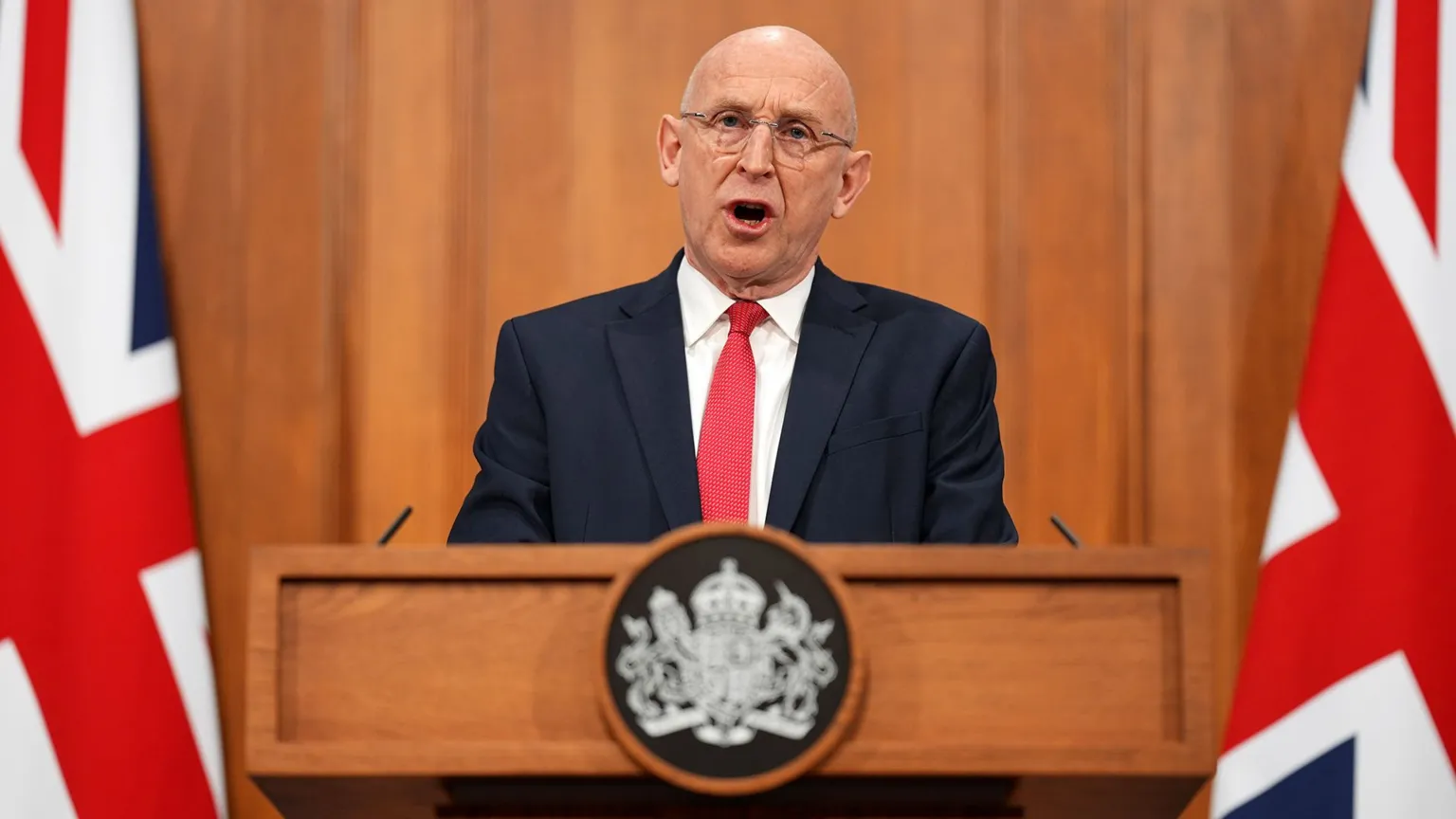
Speaking directly to Russian President Vladimir Putin, Healey stated:
"We see you. We see your activity over our cables and our pipelines, and you should know that any attempt to damage them will not be tolerated and will have serious consequences".
Importance of Undersea Cables and Pipelines to the UK
The UK relies heavily on its undersea cables and pipelines for data transmission and energy supply.
Approximately 60 undersea cables come ashore at various locations along the UK coastline, particularly around East Anglia and South West England.
More than 90% of the UK's daily internet traffic is transmitted via these undersea cables.
Details of the Russian Submarine Activity
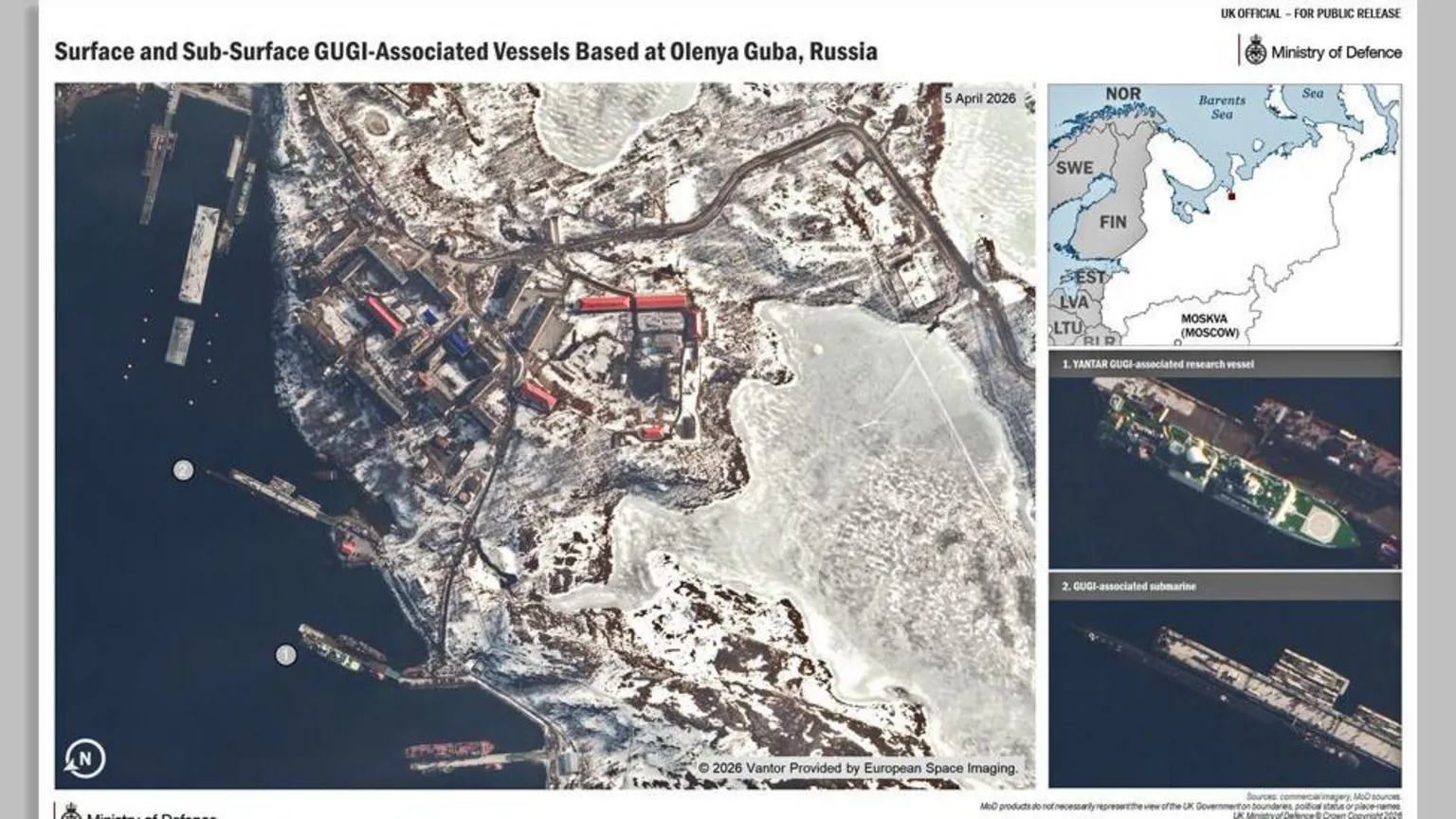
At a Downing Street press conference on Thursday, Healey revealed that Russia deployed an Akula-class submarine as a diversionary tactic, while two of its GUGI spy submarines conducted surveillance on the cables.
Healey explained that the Akula submarine was monitored and subsequently left UK waters, returning to Russia, while the two GUGI vessels remained in the area.
The Royal Navy responded by deploying the Type 23 frigate HMS St Albans, the Royal Fleet Auxiliary vessel RFA Tidespring, and Merlin helicopters to track all three Russian submarines.
Other nations participated in monitoring the Russian activity, with Healey specifically naming Norway.
Healey emphasized the effectiveness of the UK’s response:
"Our armed forces left [Russia] in no doubt that they were being monitored, that their movements were not covert, as President Putin planned, and that their attempted secret operation had been exposed."
"We watched them, we were able to track them, we dropped sonar buoys to demonstrate to them that we were monitoring every hour of their operation."
Context and Security Implications
Healey suggested that Putin sought to exploit global distraction caused by the war in the Middle East, asserting that Russia remains the primary threat to UK security.
He stated that Moscow continues to pose a threat but expressed confidence in the UK’s ability to track and monitor future activities, while exposing any covert operations that could threaten vital UK interests.
Global Significance of Underwater Infrastructure
Underwater cables and pipelines constitute critical infrastructure worldwide.
More than 600 undersea cables span approximately 870,000 miles (1.4 million km), connecting continents by carrying electricity and information across oceans and seas. These cables often come ashore at discreet locations.
The UK also depends on a network of underwater gas pipelines, primarily in the North Sea, which supply essential energy from both the UK and Norwegian Continental Shelves.
This network includes the 724-mile-long (1,166 km) Langeled pipeline between Norway and the UK.
Approximately 77% of the UK's gas imports come from Norway through pipelines beneath the North Sea.
Background on Russian Hybrid Warfare
In 2025, BBC InDepth revealed that Russia was conducting hybrid warfare against the UK and Western Europe, aiming to punish or deter Western nations from continuing military support for Ukraine.
Hybrid warfare involves hostile states carrying out anonymous, deniable attacks under suspicious circumstances, stopping short of acts that can be directly attributed as acts of war.
The Russian embassy has previously stated that it is "not interested in British underwater communications."


