
UK's Position on US Blockade of Iran
The United Kingdom has confirmed it will not participate in enforcing the United States' military blockade of Iranian ports in the Strait of Hormuz, according to Prime Minister Sir Keir Starmer.
While UK minesweepers and anti-drone systems will remain active in the region, British naval vessels and personnel will not be deployed to block Iranian ports.
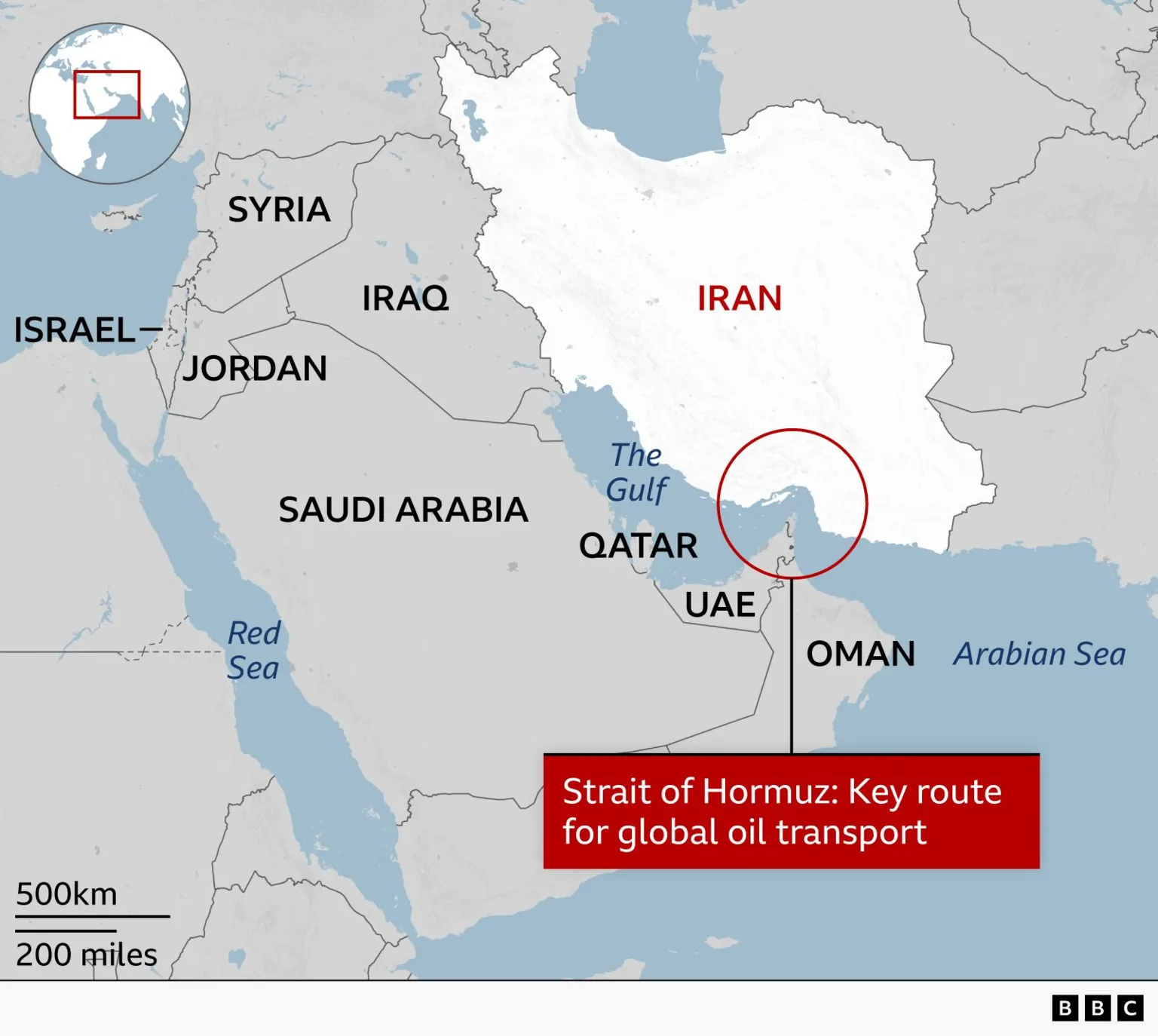
Speaking on BBC 5 Live, Sir Keir emphasized his priority is to reopen the critical shipping route of the Strait of Hormuz to help reduce energy prices "as quickly as possible."
US Announcement of Blockade
The US declared the blockade following unsuccessful negotiations with Iran aimed at securing a lasting peace agreement to end ongoing hostilities in the Middle East.
After a meeting between US and Iranian negotiators in Islamabad, Pakistan's capital, President Donald Trump stated the US would begin "BLOCKADING any and all Ships trying to enter, or leave, the Strait of Hormuz."
The US Central Command (Centcom) subsequently confirmed that its forces would enforce the blockade "impartially" on vessels entering and leaving Iranian ports, including those in the Arabian Gulf and Gulf of Oman.
Centcom clarified that US forces would not restrict the freedom of navigation for vessels traveling to and from non-Iranian ports. Additional details would be communicated to commercial mariners through a formal notice prior to the blockade's implementation.
UK's Diplomatic and Military Stance
Having recently returned from a visit to the Gulf region, Sir Keir stated he has been collaborating with allies to "keep the Strait open, not shut."
"We're not supporting the blockade and all of the marshalling diplomatically, politically and capability... that's all focused, from our point of view, on getting the Strait fully open."
He acknowledged the UK's mine-sweeping capabilities but refrained from discussing operational specifics.
Sir Keir has consistently ruled out direct UK military involvement in the conflict.
US Expectations and NATO Involvement
President Trump told Fox News that other countries would participate in the blockade but did not specify which ones.
He mentioned that NATO had offered assistance to "clean out" the Strait, assuring it would be accessible again "in not too long a distance." Trump also indicated the US would deploy minesweepers and suggested the UK, as a NATO member, would do the same.
"I understand the UK and a couple of other countries are sending minesweepers," Trump said.
Strategic Importance of the Strait of Hormuz
Approximately one-fifth of global oil and liquefied natural gas shipments transit the Strait of Hormuz, which Iran has effectively closed since US-Israeli strikes commenced on 28 February.
Following the blockade announcement, global benchmark Brent crude oil prices rose above $100 per barrel.

UK Domestic Impact and Political Responses
The UK government plans to increase fuel duty in September, though opposition parties have urged the prime minister to cancel the rise.
Sir Keir stated the decision is "being kept under review," noting that "a lot will depend on what happens in the next few weeks."
International Cooperation Efforts
In a prior conversation with French President Emmanuel Macron, Sir Keir emphasized "the need to work with a wide coalition of partners to protect freedom of navigation" in the Strait of Hormuz.
A UK government spokesperson added, "We are urgently working with France and other partners to put together a wide coalition to protect freedom of navigation."
The spokesperson also highlighted that vessels passing through the Strait "must not be subject to tolling," responding to reports that Iran has begun demanding $2 million (£1.5 million) in transit fees for tankers.
Warnings Against Escalation and Upcoming Diplomatic Engagements
Although the UK was not involved in the US-Iran talks held in Pakistan, Sir Keir cautioned against "further escalation" in the Middle East after the failure to reach an agreement.
Chancellor Rachel Reeves is scheduled to travel to Washington this week for the International Monetary Fund (IMF) meeting, where she will advocate for reopening the Hormuz shipping channel.
For ongoing political analysis and updates, readers are encouraged to to the Politics Essential newsletter.


