
Inquiry Finds Failures by Parents and Agencies Before Southport Dance Class Attack
"Catastrophic" failures by the parents of the Southport killer and various agencies resulted in missed opportunities to prevent the 2024 dance class child murders, a public inquiry has concluded.
Axel Rudakubana, 17, should have been detained before he entered the Taylor Swift-themed dance workshop and stabbed three girls, inquiry chairman Sir Adrian Fulford found.
Sir Adrian stated that if Rudakubana's parents had done "what they morally ought to have done" by reporting his suspicious behaviour, he would not have been free on the day of the attack.
However, a "merry-go-round of referrals, assessments, case-closures and hand-offs" meant no agency took the lead or fully understood the danger he posed.
Bebe King, six, Elsie Dot Stancombe, seven, and nine-year-old Alice da Silva Aguiar were killed in the attack, while eight other children and two adults were severely wounded.
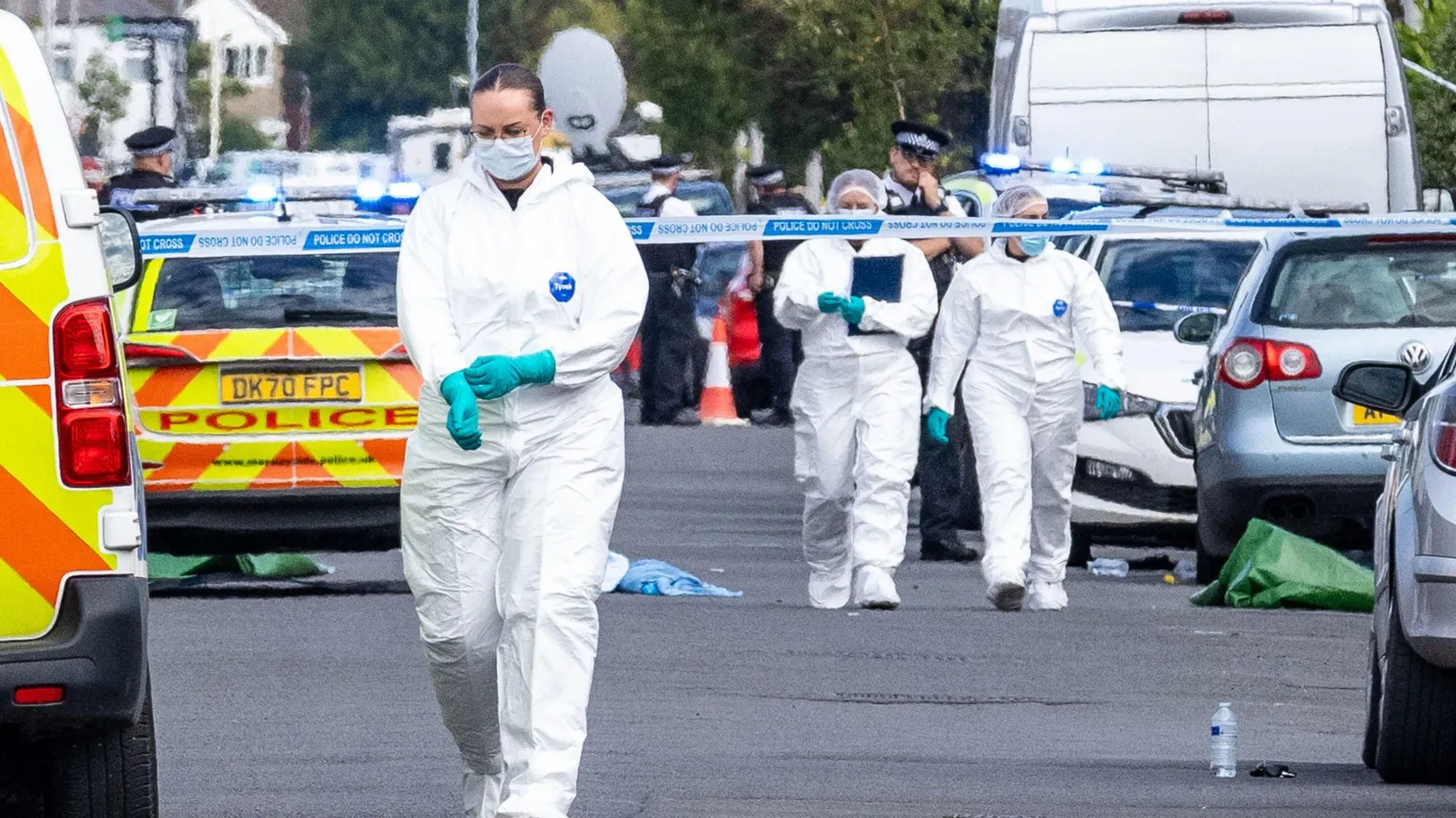
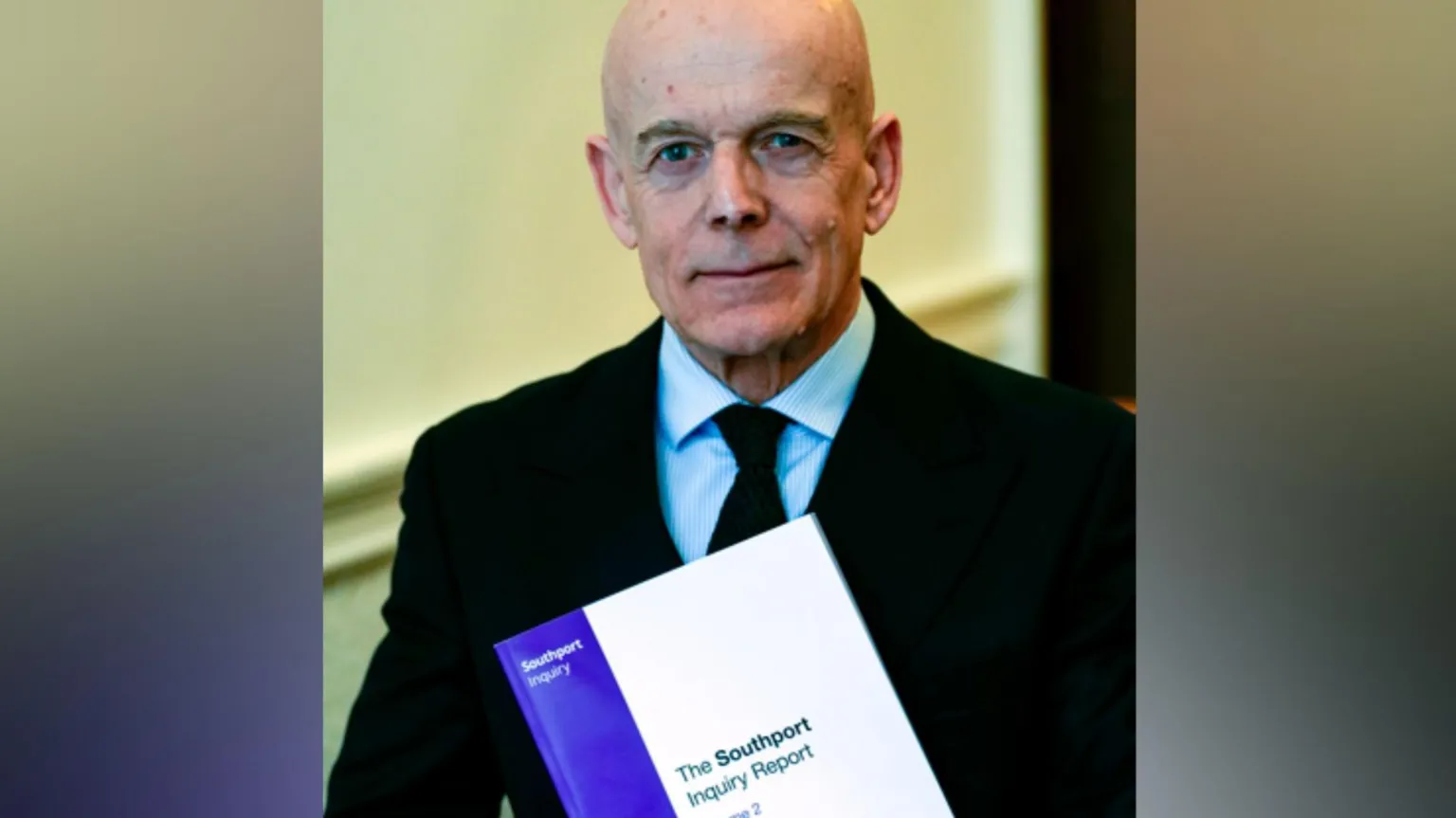
In a 760-page final report following Phase One of the inquiry into how Rudakubana was able to carry out the attack, Sir Adrian called for an end to what he described as a "culture" of agencies passing responsibility between each other or downgrading their involvement in cases like Rudakubana's.
He described this as the "single most important conclusion" of his report, adding:
"This failure lies at the heart of why Rudakubana was able to mount the attack, despite so many warning signs of his capacity for fatal violence."
Those criticised included Lancashire Police, the government's counter-extremism service Prevent, various NHS mental health services, Lancashire County Council, elements of children's social care, youth offending services, and a broader "multi-agency" approach.
Sir Adrian said:
"Over a long period of time, Rudakubana had become an aggressive, near-total recluse, who bullied and threatened his family and unashamedly lied to officials."
The retired High Court judge highlighted an attack Rudakubana carried out on a boy with a hockey stick at Range High School in Formby in December 2019, a few months after he had been expelled for admitting to carrying a knife, as a "watershed moment".
He said it proved:
"beyond doubt that Rudakubana was motivated by an ensuring desire to inflict severe harm on and possibly kill another pupil.
Nothing occurred during the next five years to indicate that this level of danger had diminished."
The report also focused on another serious incident in March 2022, when the teenager was reported missing and found by Lancashire police officers on a bus with a knife.
Sir Adrian described that incident as the "most marked example of the consequences of poor information sharing".
He said:
"Had the agencies involved in this episode had a remotely adequate understanding of Rudakubana's risk history, he would have been arrested on this occasion and in all probability his home would have been searched leading to police and other agencies gaining critical information about the ricin seeds he had bought and the terrorist material he had downloaded on his computer."
Instead, Rudakubana was simply taken back to his family home in Banks, West Lancashire, and no criminal action was taken.
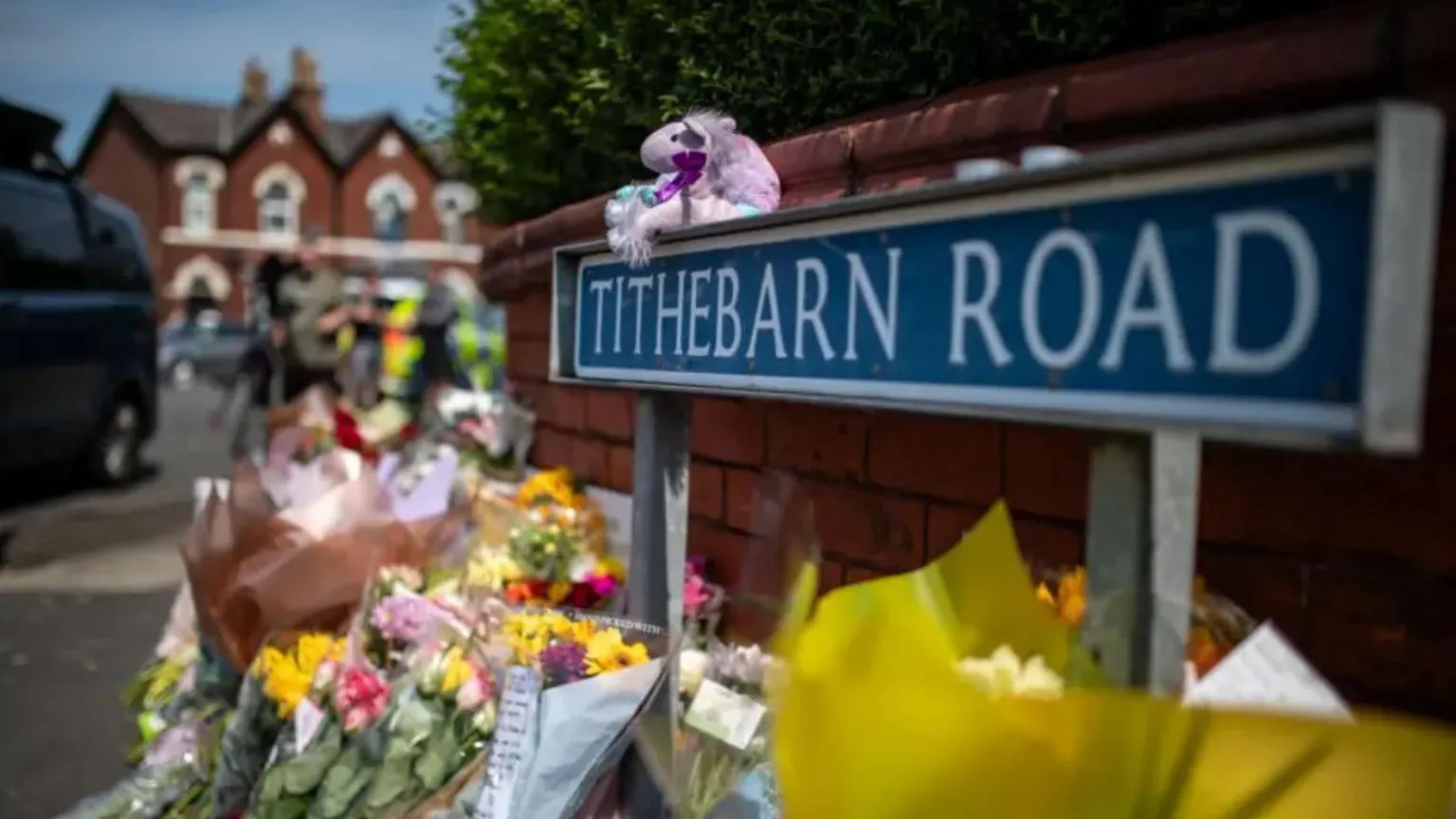
Missed Opportunities and Parental Failures
There was stark criticism particularly for his father, Alphonse Rudakubana, who Sir Adrian said had deliberately withheld information about his son amassing a stash of deadly weapons including the biological toxin ricin.
Sir Adrian said if the parents had reported their true level of knowledge to the authorities before the attack, the killer would "undoubtedly have been taken into care or held in custody".
He acknowledged that Rudakubana had made his mother and father's lives "a nightmare" and parenting him had been "challenging".
Giving evidence during the inquiry last year, his father Alphonse Rudakubana tearfully apologised and said he regretted not contacting the police about his son following a range of troubling incidents in the months and weeks before the attack.
"The love I had for him overrode [my] good judgement," he said.
Sir Adrian said the killer's parents had failed to act out of a "misguided and irresponsible" desire to avoid him being taken into care.
Speaking after the report's conclusions were made public, Sir Adrian said:
"One of the most striking conclusions from this inquiry's extensive investigation is the sheer number of missed opportunities over many years to intervene meaningfully, which directly contributed to the failure to avert this disaster.
Numerous systems that should have provided oversight, assessment and protection were ineffective or inadequately used. Some failed outright.
The consequences were catastrophic."
The Phase One report came after months of evidence from police officers, medical professionals, social workers, and teachers, as well as witnesses, survivors, and parents of the children both killed and wounded.
The recommendations of the report call for a joined-up approach with agencies able to share information more effectively.
Government Response and Next Steps
Reacting to the report, Home Secretary Shabana Mahmood said the government was determined to "take the necessary action to reduce the risk of such an attack happening again".
She also announced the terms of reference for Phase Two of the inquiry, which will focus on the "adequacy of arrangements for identifying and managing the risk posed by individuals who are fixated with extreme violence".
Mahmood added:
"The inquiry will consider the role of multi-agency management, the interventions needed to reduce risk to the public, the effectiveness of laws around knives and weapons, and the extent to which the internet and social media are influencing and enabling people to carry out violent attacks."
The second phase will begin immediately and report back in Spring 2027.
Earlier, solicitor Nicola Ryan-Donnelly, from law firm Fletcher's, which is representing 22 of the injured and traumatised children, described the findings as "disturbing and frankly depressing".
She said:
"These calls for organisational and individual accountability must be heard. They must be acted upon.
Now that we have reached the end of the inquiry's first phase, the families of the survivors remain focused and committed to the recovery of their children."
Listen to the best of BBC Radio Merseyside on Sounds and follow BBC Merseyside on Facebook, X, and Instagram. You can also send story ideas via Whatsapp to 0808 100 2230.


