

Introduction
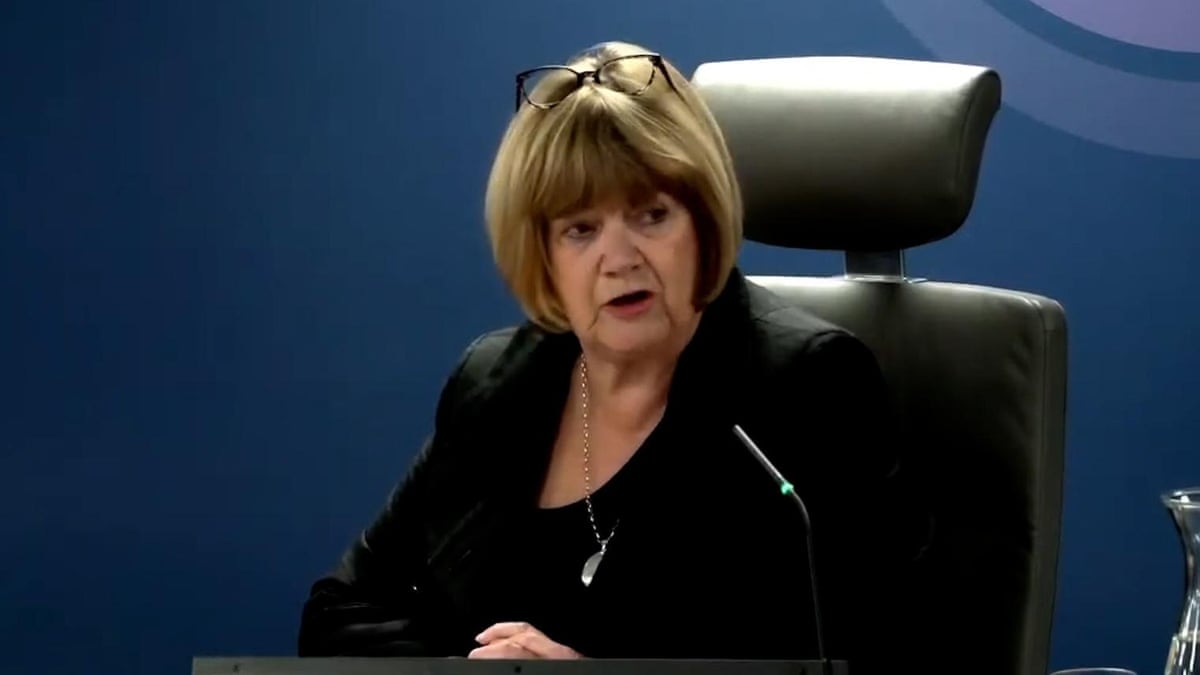
The UK Covid-19 inquiry is unprecedented in British history, tasked with examining the nation’s response to a virus that profoundly affected every individual across the country. Chaired by Heather Hallett, the inquiry investigates the impact and response to the Covid-19 pandemic, aiming to ensure that past mistakes are not repeated.
Scope and Progress of the Inquiry
To date, two inquiry reports have been published, with eight more anticipated. These reports provide valuable insights, carefully considered conclusions, and recommendations designed to improve future preparedness. Witness testimonies began in London during summer 2023, and since then, hearings have been conducted across all four nations of the UK. Approximately 380 witnesses have shared their experiences, while 58,000 personal stories were collected online from people nationwide. The inquiry has also reviewed over 600,000 documents, equivalent to around 5 million pages of evidence.
Comprehensive Investigations
The inquiry consists of 10 separate modules covering nearly every aspect of the pandemic and its consequences. These include political decision-making before and during the crisis, the effects on care homes, the long-term impact on children and young people, the adaptability and capacity of healthcare systems, the economic repercussions, and the profound societal changes that ensued.
Terms of Reference and Focus
Established by the government in 2022, the inquiry’s terms of reference specify its focus on the UK’s preparedness and response to the pandemic, with the goal of learning lessons for the future. The inquiry does not investigate the origins of the virus, despite occasional criticism suggesting it should.
Addressing Criticism
Critics have argued that the inquiry has been too slow or expensive. However, the chair and her team emphasize the inquiry’s extensive scope and the rigorous nature of the investigation. Compared to the billions spent by the government to combat the pandemic, the investment in a transparent and thorough public inquiry is minimal and justified. The inquiry’s legal powers allow it to compel witnesses and hold public accountability, distinguishing it from quicker internal reviews conducted elsewhere.
Challenges of Public Inquiries
Two difficult realities confront public inquiries in the UK. First, meaningful investigations require time and resources. Lady Hallett prioritized hearing directly from those affected by Covid-19, which necessitated a comprehensive and unhurried process. Second, historically, governments have seldom fully implemented inquiry recommendations, often deferring action due to competing priorities.

Findings on Preparedness
The inquiry has revealed significant shortcomings in the UK’s pandemic preparedness. Previous exercises and recommendations were deprioritized as they were not considered urgent at the time. The inquiry stresses that this pattern must not be repeated. The extensive evidence, witness testimonies, published reports, and resources invested will be futile unless governments and public bodies act swiftly and decisively on the findings.
Call for Meaningful Change
"The families who lost loved ones, the key workers who risked their lives, the people who shielded alone, the communities that sacrificed so much – they all deserve one thing above all else: meaningful change."
The inquiry underscores that the time, money, and emotional contributions of those who shared their experiences demand full implementation of its recommendations by all four UK governments. Protecting the population is the foremost responsibility of any government, and Lady Hallett expects comprehensive adoption of the inquiry’s proposals.
Future Preparedness and Impact
The inquiry highlights that another pandemic in the UK is not a matter of if, but when. The critical question is whether the country will be better prepared. The cost of Covid-19 has been immense: from 30 January 2020 to 28 June 2022, over 200,000 people died in the UK, with hundreds of thousands more experiencing loss, isolation, or harm. Government spending related to Covid-19 is estimated to exceed £375 billion, a burden that will affect current and future generations.
Conclusion
With hearings concluded and remaining reports forthcoming, the inquiry emphasizes that change must follow. The public, deeply affected by the pandemic, deserves no less than full and prompt action on the inquiry’s findings.
Ben Connah is secretary of the UK Covid-19 inquiry.
Do you have an opinion on the issues raised in this article? If you would like to submit a response of up to 300 words by email to be considered for publication in our section, please .


