Growing Hazard of Lithium-Ion Batteries
Fire services have issued warnings about the increasing fire risks posed by lithium-ion batteries, which are now common in many everyday products. Experts emphasize that public understanding and existing safety regulations have not kept pace with the widespread use of these batteries.
A recent fire in Glasgow, Scotland’s largest rail interchange, is believed to have originated in a vape shop powered by lithium-ion batteries. Following the incident, Glasgow’s Central Station has since reopened.
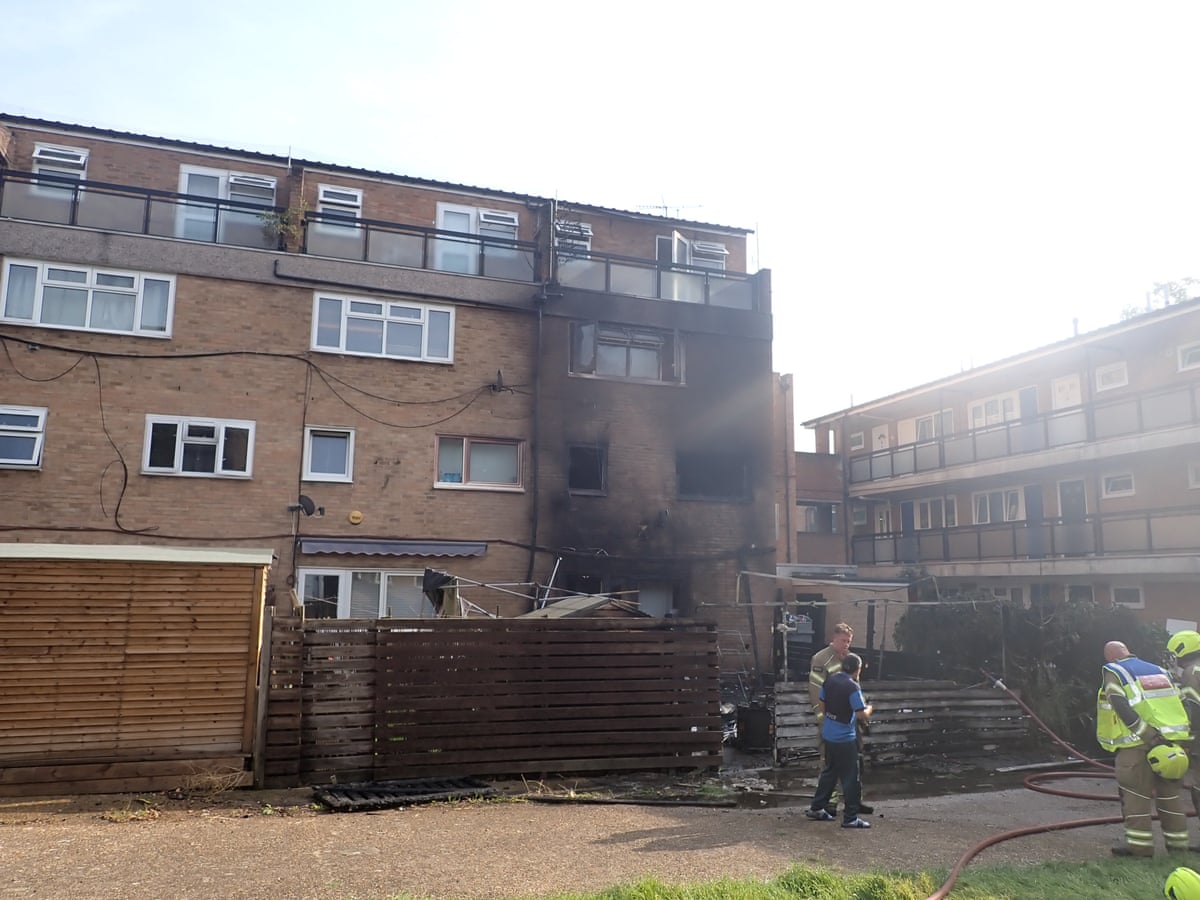
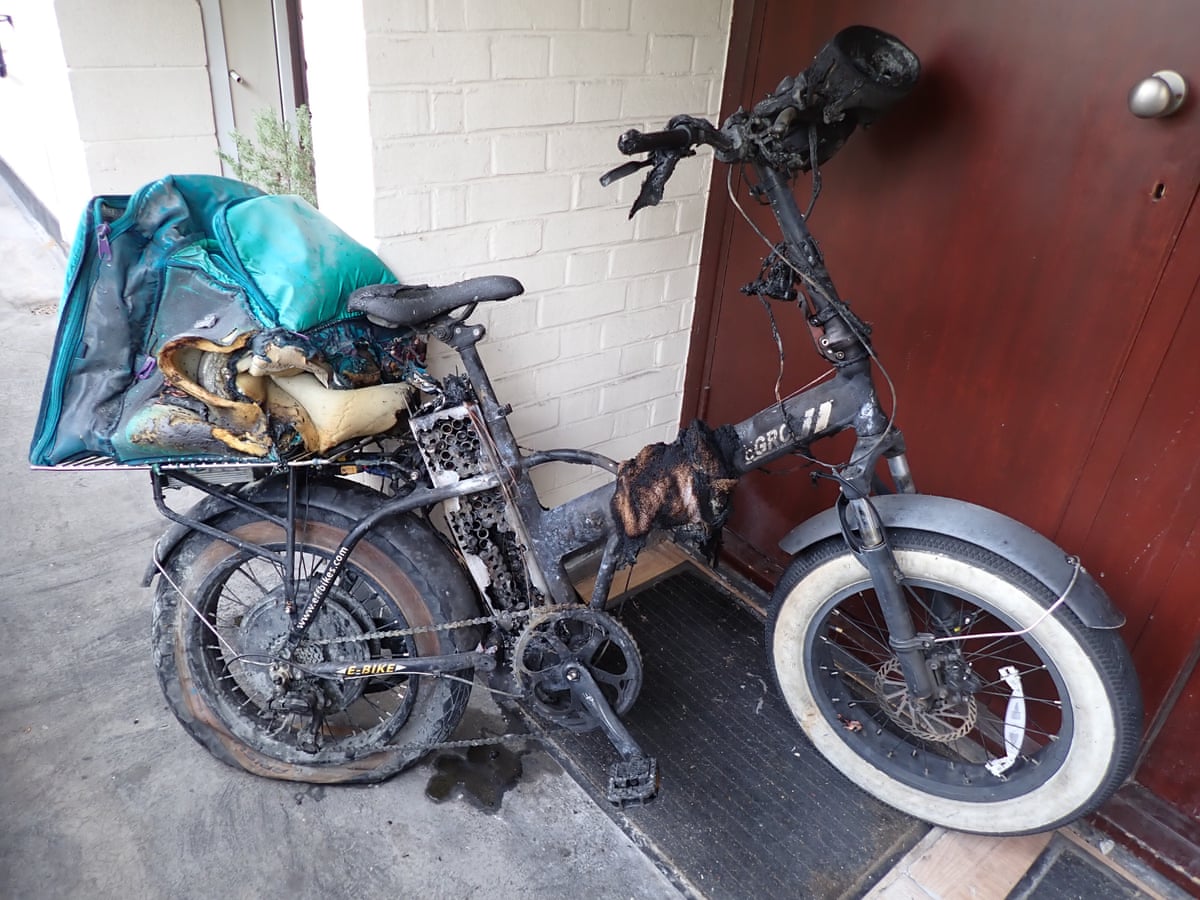
Data indicates a sharp rise in battery-related fires across the UK. In London, firefighters respond to an e-bike or e-scooter fire approximately every other day.
Paul Christensen, professor of pure and applied electrochemistry at the University of Newcastle, noted that although the likelihood of a lithium-ion battery fire is low, the associated hazard is "very, very high, as we’ve seen with this fire in Glasgow."
Guillermo Rein, professor of fire science at Imperial College London, stated:
“It’s a new technology that comes with an unintended new hazard, that keeps me awake at night.
“A lithium battery fire – in terms of the way it develops, the way we detect it and how we suppress it – is completely different from the sorts of fires we have protected our homes, businesses and public buildings against. It breaches most of the layers of protection that we know. And they [the batteries] are omnipresent.”
Lithium-ion batteries power a wide range of devices including mobile phones, tablets, laptops, electric toothbrushes, tools, toys, vapes, e-bikes, e-scooters, and electric vehicles.
If mishandled or damaged, these batteries can experience thermal runaway, a hazardous chain reaction where internal temperatures rise uncontrollably. This process produces toxic gases that vent at high pressure, creating flames resembling a blow torch and potential explosions.

Rising Incidents and Impact
Recent data shows a significant increase in fires involving lithium-ion batteries. London Fire Brigade (LFB) reports that in 2025, firefighters attended 206 e-bike and e-scooter fires, compared to just 12 in 2019. Overall, there were 521 related fires in 2025, up from 80 in 2019. Of the five fatalities over the past three years, none of the deceased owned the e-bike involved. LFB describes these incidents as having a "devastating effect" on families and communities.
There is currently no dedicated data collection for lithium battery-related fires in England and Wales, though this is under review. In Scotland, Freedom of Information data from the Scottish Fire and Rescue Service reveals 69 lithium battery-related fires in 2025, compared to 20 in 2019. These included 10 house fires, two hospital fires, and three prison fires last year. Historical data since 2009 shows no fatalities linked to these fires in Scotland.
Incorrect disposal of lithium-ion batteries—such as throwing them in regular bins instead of recycling them at designated supermarket bins—has caused serious fires in bin lorries and recycling plants across the UK. The annual cost of these incidents is estimated to exceed £1 billion and has resulted in injuries to staff.
Industry and Regulatory Responses
LFB attended two fires in vape shops in 2025. The UK Vaping Industry Association advocates for a robust licensing scheme as proposed in the UK government’s tobacco and vapes bill.
Dan Marchant, director of the online retailer Vape Club and founding member of the association, said:
“This would require shops to show they understand the importance of age verification, making sure they’re legal products, that they have a recycling system in place, and understand electrical safety.”
The National Fire Chiefs Council has expressed concerns that the rapid increase in lithium-ion battery use is outpacing the development of safety standards. Richard Field, the council’s electrical safety lead, warned:
“When these batteries fail, they can fail catastrophically.
“Fire chiefs have been clear that stronger product safety rules, tighter oversight of online sales and effective enforcement are needed to ensure products entering the UK market meet robust safety requirements.”
Calls for Public Education and Regulation
Paul Christensen emphasized the need for public education, stating:
“Lithium batteries have penetrated all levels of society, and in my opinion have done so far faster than we’ve understood the risks and hazards. There also appears to be a reluctance at government level, both this one and the previous one, to accept that these hazards exist, much less to address them.”
Guillermo Rein also noted reluctance from the battery industry, which has not previously faced significant safety issues:
“I don’t like regulation for the sake of it, but that may be the only answer, because it is so shocking, the lack of leadership in the battery industry that is bringing these hazards into our homes.”