

UK Government Considers Speed Limit Reductions to Cut Fuel Use
Lowering speed limits to reduce fuel consumption is among the contingency plans being developed by the UK government as tensions in the Middle East threaten global oil supplies.
Officials emphasized that there is currently no fuel shortage in the UK. However, the Department for Transport (DfT) is collaborating with the Department for Energy Security and Net Zero (DESNZ) to analyze potential measures to curb oil demand.
The International Energy Agency (IEA), the global energy watchdog, has advised its member states, including the UK, to consider lowering road speed limits and restricting vehicle usage times to manage rising oil prices and supply concerns triggered by US-Israel strikes on Iran.
IEA Recommends Emergency Measures Including Remote Work and Shared Transport
The IEA has recommended governments encourage working from home, shared transportation such as car-pooling and public transit, and efficient driving practices. It also advises citizens to avoid air travel where possible.
The DESNZ declined to comment directly but is understood to be confident in the UK's diverse and resilient fuel supply. The IEA's recommendations apply globally to its member states. The agency also suggested diverting liquid petroleum gas from transport to essential domestic uses like cooking, noting shortages are already impacting countries such as India.
UK's National Emergency Fuel Plan and Potential Restrictions
The UK’s national emergency plan for fuel shortages, last updated by DESNZ in 2024, includes measures such as petrol rationing and limiting filling station operating hours.
In severe supply shortages, priority fuel access would be granted to critical service vehicles, and ministers would direct supplies to maintain public transport operations. Private motorists could face restrictions on fuel purchase quantities per visit, and pumps might close overnight.
The government could also control the distribution of crude oil and imported oil products within the UK.
While these measures would only be activated during a severe national fuel shortage, the IEA’s suggestions aim to reduce demand proactively before supply is threatened.
Speed Limit Reductions and Traffic Restrictions Under Consideration
A government source indicated that several measures would be implemented by the DfT. Reducing motorway speed limits by up to 10 mph could be quickly enacted using electronically adjustable signage on major routes.
Lower speeds reduce fuel consumption. Parts of England have previously imposed tighter limits to reduce pollution, such as the 60 mph limit on the M6 near Birmingham.
The IEA also proposed restricting private car access to cities during certain times, a policy previously used in cities like Paris, Delhi, and Athens.

The UK's extensive traffic camera network provides the technical capability to enforce such restrictions, though they may be politically contentious. The Labour Party has distanced itself from London's ultra-low emission zone (Ulez).
National Highways, which operates over 4,000 monitoring cameras on the strategic road network, declined to comment. Transport for London, with 1,500 number plate recognition cameras, lacks the legal authority to implement a rotation scheme and noted that any such policy would require significant technical work and time.
Rising Fuel Prices and Consumer Behavior
Drivers are already responding to higher petrol prices by reducing car use. The RAC reported petrol prices have risen 9% and diesel 17% since the conflict began, adding approximately £6.40 to fill a typical family car with unleaded petrol and £13 for diesel. Further increases are expected, with the average unleaded petrol price likely to reach 150p per litre by Easter.
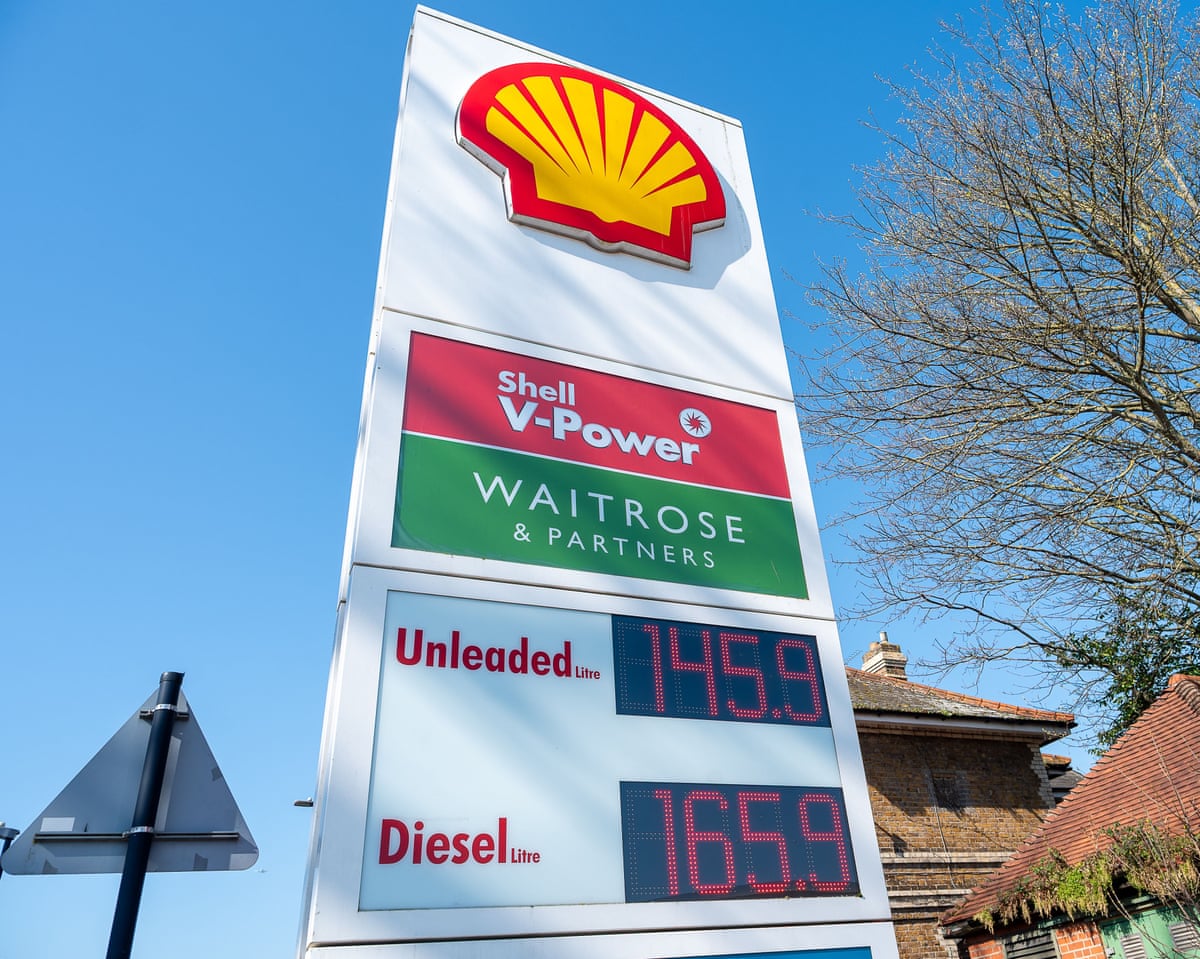
DESNZ aims to prevent petrol panic-buying, last seen in September 2021 due to fears of HGV driver shortages affecting supplies.
The department has highlighted fuel retailers’ advice to fill up as usual, confirming no issues with fuel production and ongoing imports. Over half of the UK's imported crude oil comes from the US and Norway, and refinery petrol production exceeded demand last year.
Industry and Expert Perspectives
Jack Cousens, head of roads policy at the AA, stated:
"Drivers should be assured that there are good fuel supplies and people should not change their fuelling habits. Nevertheless, advice to drive as efficiently as possible is something that drivers could adopt at all times to save both fuel and money. Reducing speed and braking less harshly are beneficial. Similarly, linking journeys together contributes to saving fuel."
The previous government launched public information campaigns during the spike in oil prices following Russia's invasion of Ukraine, although then-energy minister Grant Shapps received mixed reactions for his energy-saving advice.
Richard Holden, shadow transport secretary, criticized the Labour Party's approach:
"While the rest of the world races ahead, Labour are telling people to drive slower, stay at home and use less energy – exactly the kind of eco zealotry people are fed up with. Rather than backing domestic production, Labour is flirting with the idea of rationing how people live their lives."
Green Party transport spokesperson Siân Berry commented:
"The truth is Britain is particularly exposed to energy shocks because it remains heavily reliant on fossil fuels, so global warnings certainly apply here. We would be in a very different position if the Labour government had learned the lessons of the last shock four years ago and properly invested in renewables."
Business Resistance to Increased Remote Working
Some businesses indicated reluctance to increase remote working. Many companies have raised workplace attendance requirements post-pandemic and would be hesitant to reverse these unless mandated by the government.
A representative for large UK companies, speaking anonymously, said manufacturing employers would unlikely accept more remote work unless officially directed and would focus on maintaining factory operations.
Employers remain cautious about reinstating Covid-era policies that caused workplace tensions between shopfloor and white-collar staff and potential employment rights issues related to increased fuel or commuting costs.
David D’Souza of the CIPD, a professional HR body, said fuel price increases represent the "latest shock" for employers:
"Organisations will be evaluating their ability to be flexible in the short-term, while also considering possible scenarios should the challenge become more pressing."


