

Yacht Sinks After Theft Sparks Pollution Incident
A motor yacht built in the 1930s, named MY Anneke, sank in Loch Dochfour near Loch Ness, south of Inverness, following a break-in between 3 and 5 May. Thieves stole the yacht's polished brass bell, embossed with its name, along with other items.
Police reported that the "shipbreaking" incident led to the vessel sinking, resulting in a fuel leak into the River Ness. The Scottish Environment Protection Agency (Sepa) confirmed that measures were implemented to address the pollution.
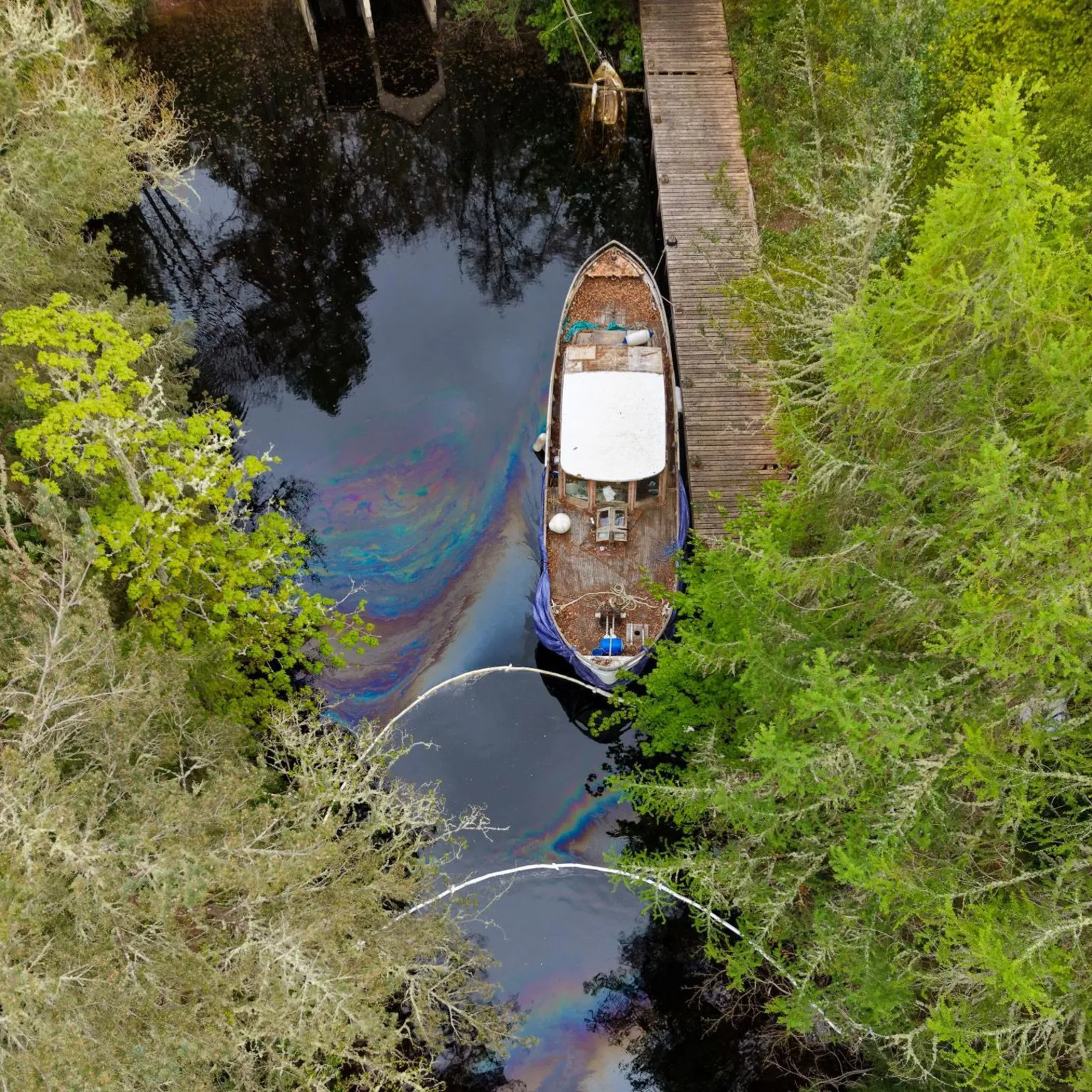
Police Appeal and Environmental Response
Police Scotland has issued an appeal for witnesses to come forward regarding the incident. PC Ben Staal emphasized the significance of the stolen bell and the consequences of the sinking.
"The bell which was stolen was original to the vessel and as such is irreplaceable.
The sinking has also caused quite a fuel spill which colleagues at Sepa are dealing with.
There will also be a considerably costly and difficult operation required to safely salvage the vessel for repairs."
Sepa noted that the leaked fuel created an oily sheen on the surfaces of the loch and river.
"Due to the amount and movement of the water, this should not cause significant impacts to the receiving water environment."
Local Fisheries Board Comments
The Ness District Salmon Fishery Board commended the yacht's owner for the prompt response to the diesel spill.
"This appears to have been a close escape.
It could have been a lot worse, given the proximity to the river and that this is the time of the year when salmon smolts pass downstream on their migration to the sea."


