

Not a Continuity Cabinet
This is not a continuity cabinet. While seven of its nine members were already part of the previous government, every member except the first minister has been assigned a new role.
The significant reshuffle primarily resulted from the election, during which several ministers either stepped down or lost their seats.
Consequently, portfolios have been reorganised to enable John Swinney to appoint a smaller cabinet team.
Ivan McKee’s Promotion and Public Service Reform
One of the most notable changes is the promotion of Ivan McKee to the Cabinet, where he has been entrusted with leading public service reform.
McKee is deeply committed to this area; he is strongly opposed to waste and inefficiency and is expected to advocate for substantial reforms.
This role is particularly critical given repeated warnings from financial watchdogs that public spending is on an unsustainable path.
These watchdogs estimate that, if left unaddressed, a £5 billion spending gap could emerge in the Scottish government’s finances over the coming years.
However, such a deficit cannot materialise in practice because the Scottish government is legally required to balance its budget annually.
McKee’s responsibilities will be pivotal in addressing this fiscal challenge, especially as the government commits to further spending on initiatives such as childcare and bus fare caps.
Discussions are ongoing about reducing the number of public bodies, downsizing the public service workforce, and adopting new technologies including artificial intelligence.
Stephen Flynn’s Cabinet Entry
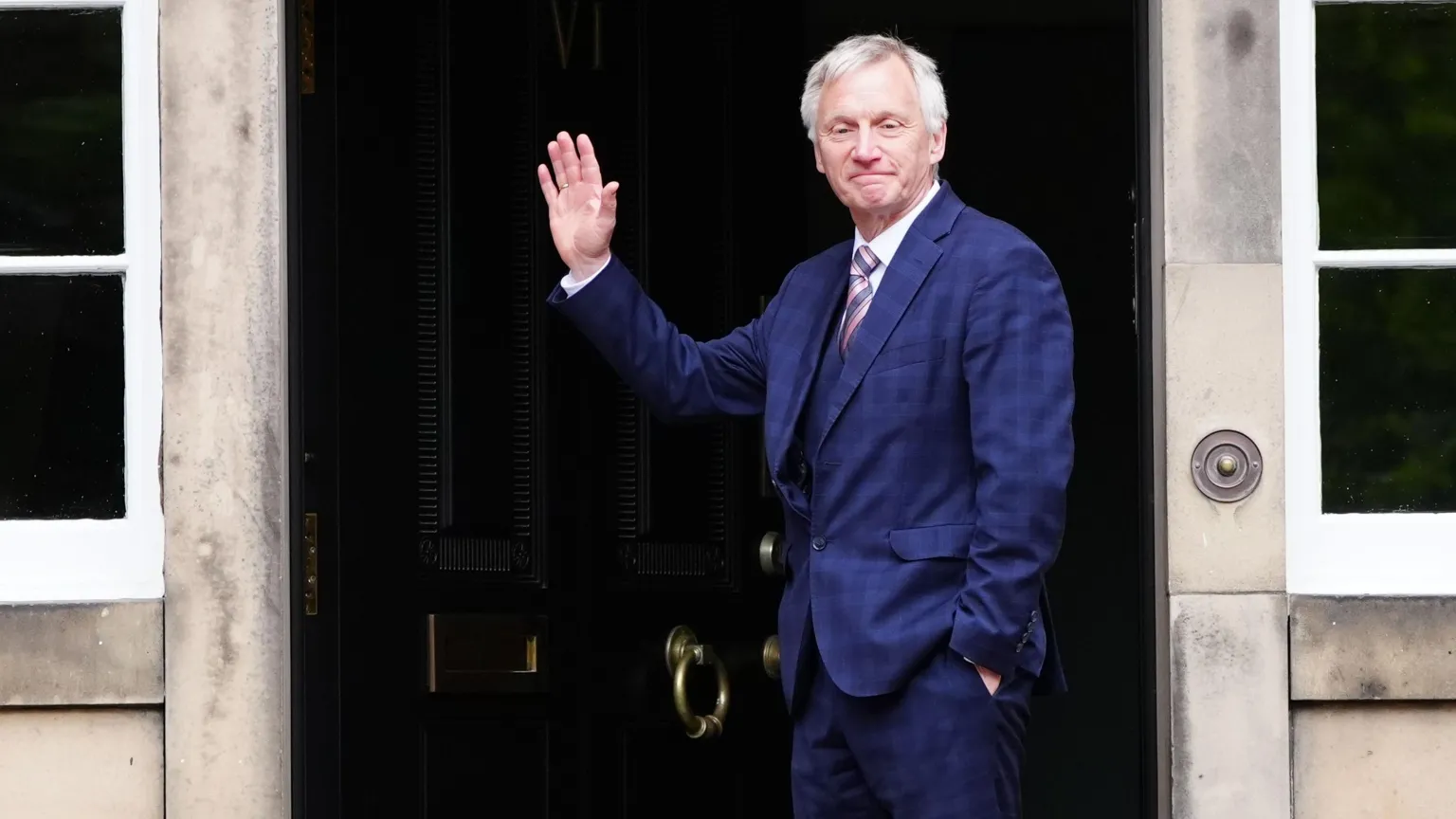
The direct appointment of Stephen Flynn, the SNP’s former Westminster leader, to the cabinet is also significant.
Elevating this ambitious politician to a position of power will keep him engaged and bound by the collective responsibility inherent in Swinney’s government.
This means Flynn must support cabinet decisions publicly, even if he harbours private disagreements.
Serving in cabinet will also provide him with an opportunity to showcase his leadership skills, potentially positioning him for future leadership bids.
As economy secretary, Flynn is expected to advocate for the oil and gas industry within the government, although energy policy itself does not fall under his direct remit.
If Swinney’s apparent softening of the government’s opposition to new drilling becomes an official policy shift, Flynn would likely be among its strongest proponents.
Màiri McAllan and Jenny Gilruth’s Roles
Màiri McAllan, who is perceived as a key rival to Flynn for future leadership, remains in government after being moved from housing to education secretary.
She was once considered a leading candidate for the deputy first minister role, which she did not secure.
It appears McAllan has not fallen out of favour; as a younger cabinet member, she is likely viewed as having ample time to develop further within government.
Instead, Jenny Gilruth was promoted to deputy first minister.
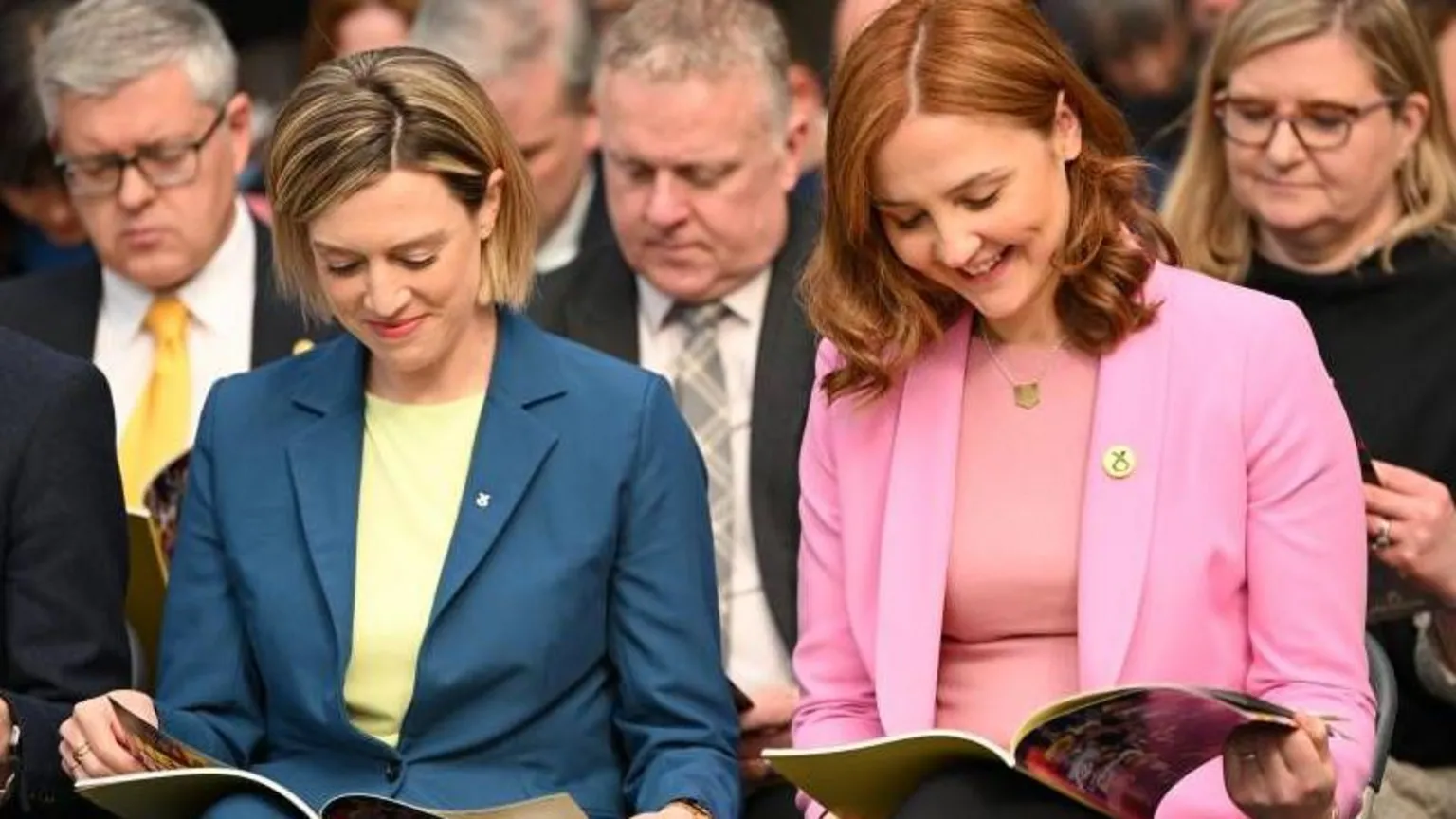
Her rising profile was evident during the election campaign, notably when she was selected to introduce Swinney at the SNP’s manifesto launch.
As deputy first minister, Gilruth will share responsibility with the first minister for implementing the party’s policy commitments.
Her background as a former teacher equips her with experience in monitoring progress, evaluating work, and maintaining focus on objectives.
These skills will be valuable in her dual role as deputy first minister and finance secretary, a position she has pledged to dedicate herself to fully.
The finance portfolio places her in charge of devolved taxation and spending, a particularly challenging task amid tightening financial conditions.
Rising energy costs driven by international conflicts threaten to increase prices across the economy, further complicating her responsibilities.
Swinney commended Gilruth for preventing strikes during her tenure as education secretary. However, with widespread demands for pay increases across public services, maintaining consensus may prove difficult.
Stephen Gethins and Other Ministers
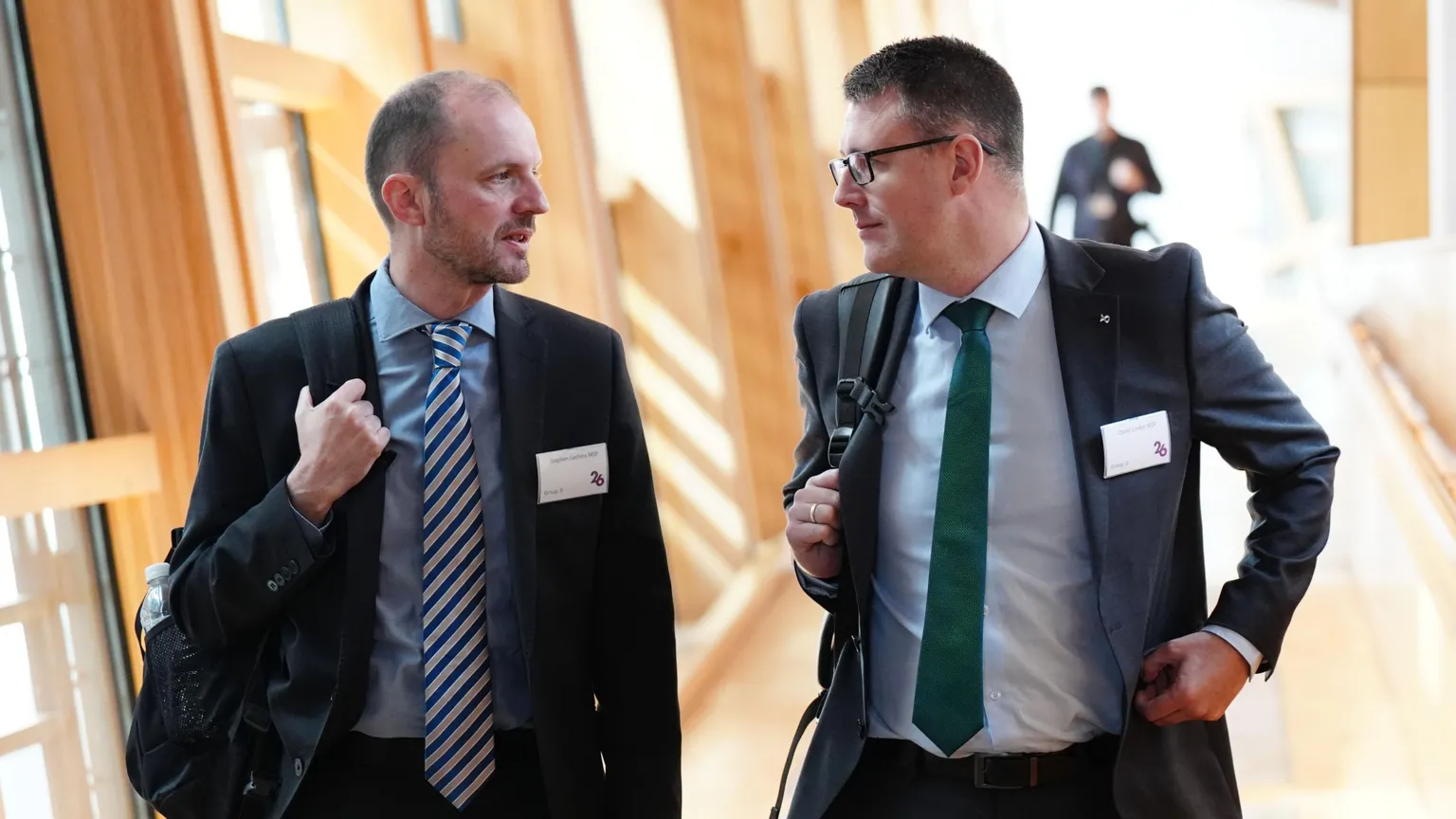
Stephen Gethins, a former MP with extensive experience in international politics, did not secure a cabinet position.
The portfolio best suited to him—constitution, external affairs, and culture—has been abolished.
Nonetheless, he has been appointed minister responsible for Europe and external affairs, with energy added to his remit, operating within John Swinney’s office. This is considered a respectable consolation.
Swinney himself retains responsibility for constitutional matters, including the pursuit of independence, while culture has been reassigned to the education secretary.
Gethins is not the only former MP to join the government below cabinet level; Alison Thewliss and Kirsten Oswald have also been appointed to ministerial roles.
Jamie Hepburn has returned to government as parliamentary business minister after resigning due to an altercation with former Conservative leader Douglas Ross.
New MSP for Shetland, Hannah Mary Goodlad, has been appointed public finance minister. With a background in the energy sector, she is regarded within the SNP as a rising star.
Opposition Reactions and Future Outlook
The new cabinet lineup has drawn criticism from the SNP’s political opponents.
Labour stated, "the same failed ministers are simply being shuffled around the table with one joker being added to the deck," apparently referring to Stephen Flynn.
The Conservatives complained of a "chronic lack of talent."
While the personnel are familiar to political observers, it appears that Swinney’s cabinet design signals significant forthcoming changes.


