

Rachel's Experience and the Rise in Strangulation Reports
Rachel Williams, a survivor of strangulation during an 18-year abusive relationship, has responded positively to recent data indicating increased recognition and reporting of strangulation offences in England and Wales. More than 44,000 reports of strangulation were made to police in the past year, according to a new report.
Williams expressed approval that strangulation, which became a standalone criminal offence four years ago, is now being taken seriously, emphasizing the potentially catastrophic effects of the crime. She also highlighted the need for further measures to protect victims and advocated for stringent sentencing of convicted offenders.
"It's great to see the figures in this report, which show the awareness is out there and victims are seeing the seriousness and deciding to report this."
However, Williams believes the actual number of incidents is higher, as not all victims feel able to report to the police.
Warning: This article contains distressing descriptions of domestic violence.
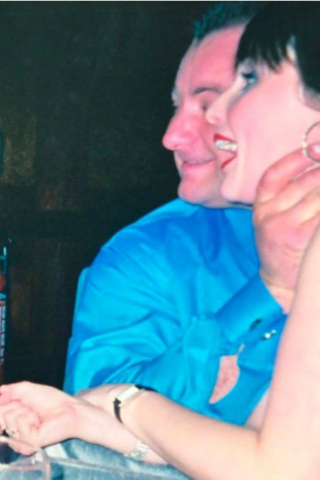
Rachel says her ex-partner, pictured with her here in the pub, made light of strangulation, even mimicking it in public
Rachel Williams' Background and Campaigning
Williams, a domestic abuse survivor and campaigner, played a key role in the introduction of strangulation offences into law. In 2011, she was shot by her ex-husband when he entered her Newport hair salon, resulting in life-changing injuries.
"Six weeks before the shooting, I was strangled so furiously that's what made me decide to leave the relationship,"she recalled.
"It woke my kids up from the bedroom upstairs and one of them said they thought they could hear a pig squealing because of the noise I was making."
She noted that strangulation had occurred multiple times during the relationship but was often dismissed by her as not a "big deal" since it typically left only a sore throat. Williams was unaware of the severe health consequences, which according to the NHS include strokes, brain injuries, and long-term cognitive issues.
Her close brush with death due to strangulation was a significant motivator for her advocacy to change the law.
"I didn't realise how close to death I was with his hands around my neck."
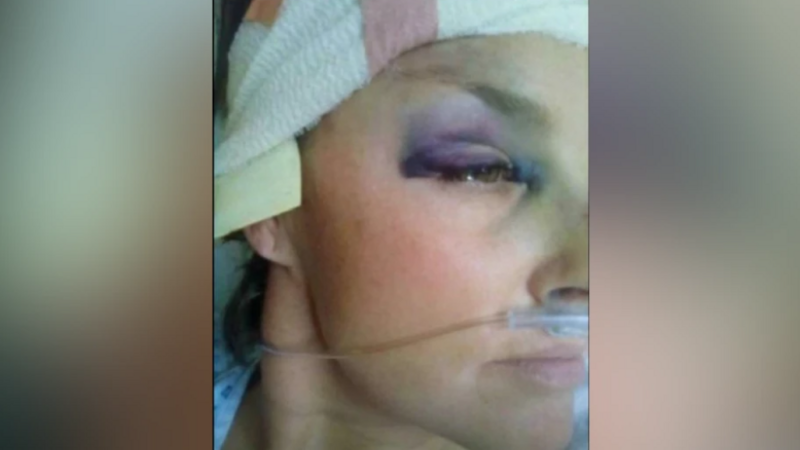
Rachel Williams was in her hair salon when her abusive ex-husband burst in with a gun and shot her
Institute for Addressing Strangulation and New Report
The Institute for Addressing Strangulation (IFAS) was established in October 2022 with funding from the Home Office. Their recent impact report highlights the UK's progress in understanding and responding to strangulation four years after the offence became law.
The report includes police data showing a 13% increase in strangulation reports compared to the previous year, and notes that 24,446 offences have been prosecuted by the Crown Prosecution Service since the law's introduction.
Dr Helen Bichard, a principal clinical psychologist with the North Wales Brain Injury Service, contributed to the original funding bid that led to IFAS's creation.
"I had carried out research in 2020 which I think for the first time really highlighted the impact of strangulation on the brain, which was used by the government in creating the new legislation."
Dr Bichard acknowledged the importance of the legal change but stressed that additional measures were necessary.
"It was almost as if the legalisation had proceeded all the systems that needed to be in place to make sure it's effective, so that's why IFAS was created."

One of IFAS's initiatives includes the development of guidelines for medical professionals, filling a previous gap in UK healthcare regarding strangulation cases.
"They are a first of its kind, they will save lives – there is no greater impact than that,"Dr Bichard said, emphasizing the importance of health professionals recognizing the circumstances and effects of strangulation.
"It can be catastrophic, it can cause death that's why strangulation is used in violence because it is really effective."
Dr Helen Bichard said she's proud of the work the IFAS has achieved

Health Risks and Medical Insights
Non-fatal strangulation can result in life-threatening complications even when no visible injuries are present. The NHS reports that oxygen deprivation to the brain can cause strokes, brain injuries, loss of consciousness, and long-term cognitive impairments.
Such injuries may occur without external signs of harm. Research indicates that women under 40 who have experienced strangulation face a significantly increased risk of stroke.
Bernie Ryan OBE, chief executive of IFAS, noted the previous lack of recognition and appropriate care for victims.
"Four years ago, many victims of non-fatal strangulation were not recognised, believed or referred for appropriate care."
More than 22,000 frontline professionals have been trained through IFAS's specialist national training programme, delivered in partnership with SafeLives.
"This report demonstrates what can be achieved when government, clinicians, researchers, specialist organisations and survivors work together towards a shared goal, while reminding us there is still much more to do."
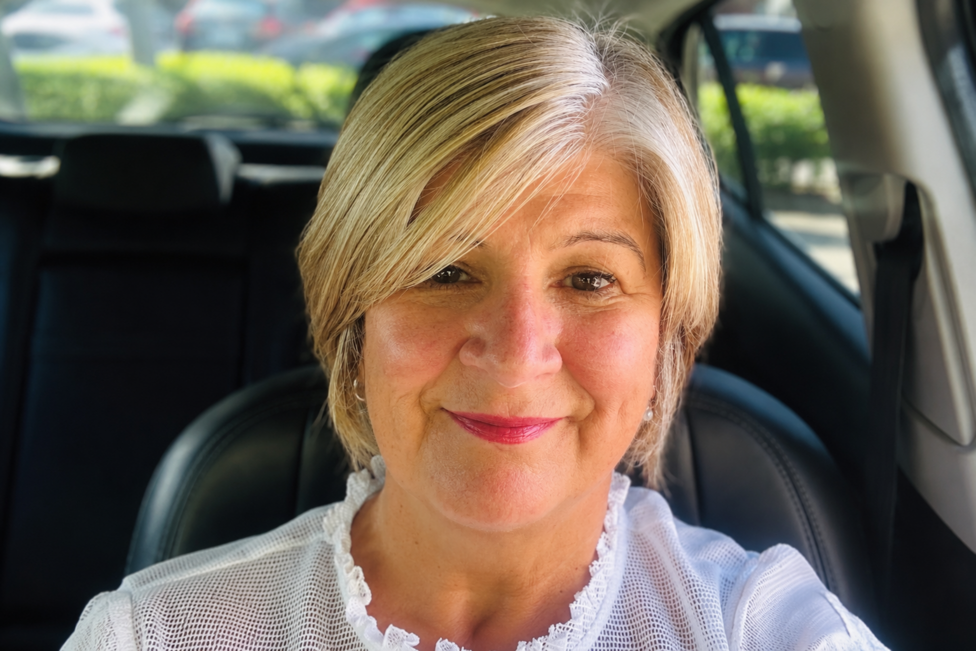
Bernie Ryan said work has been taken to improve awareness across healthcare, policing and the criminal justice system
Government Initiatives and Public Awareness
In 2023, the government announced plans to make online pornography depicting strangulation or suffocation illegal as part of efforts to combat violence against women and girls. This followed a review that found depictions of choking were widespread on mainstream pornographic websites and contributed to normalizing the act among young people.
BBC Wales reported in 2024 that boys as young as 14 have been asking teachers how to choke girls during sex, highlighting the concerning influence of such content.
Natalie Fleet MP, Minister for Safeguarding and Violence Against Women and Girls, described strangulation as a dangerous form of abuse with devastating and long-lasting physical and psychological effects.
"Strangulation is a dangerous form of abuse that can leave victims with devastating and long-lasting physical and psychological harm."
Fleet commended the report for its role in improving responses across various sectors.
"Our mission to halve violence against women and girls in a decade requires strong partnerships across government, healthcare, policing, the voluntary sector and academia."
If you have been a victim of crime, information and support are available through Action Line.
More Top Stories
- Man pulls wheelies then throws electric motorbike off bridge after police chase
- I asked Bonnie Tyler for an autograph at 15 - then spent Christmas with her for 30 years
- Detective illegally accessed police logs about bouncer she had sex with


