

Labour’s Response to Gorton Byelection and Immigration Policy
Following the Greens’ victory in the Gorton and Denton byelection, Prime Minister Keir Starmer was expected to respond forcefully. Instead, he issued a letter to MPs reiterating criticisms of the Green Party, rather than delivering a robust policy response.
Had it not been for the unfolding crisis in Iran, Labour’s first significant policy announcement since the Gorton and Denton defeat would have been among the week’s most notable political developments.
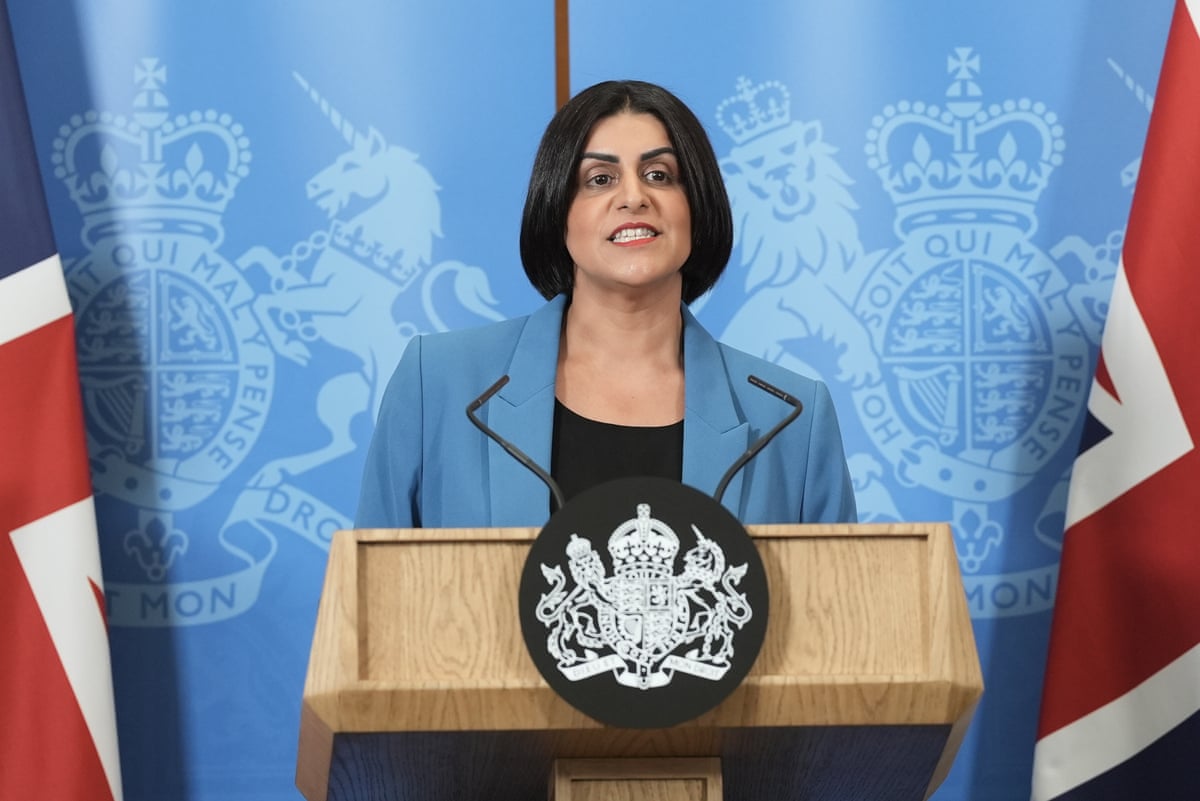
Shabana Mahmood, the home secretary, advanced what is intended as Labour’s assertive response to competition from Reform UK by announcing an
"end to asylum support for some asylum seekers"and the removal of state assistance for certain groups. This move immediately set her at odds with many Labour backbenchers, while also prompting the party’s soft-left faction, which had been advocating for a more progressive agenda, to question whether this was the full extent of Labour’s policy offering.
Backbench Expectations and Leadership Response
Hannah Spencer, the newly elected MP for Gorton and Denton, delivered a victory speech containing sentiments that resonated with many Labour backbenchers. She remarked that hard-working individuals had grown
"sick of making other people rich"and were increasingly concerned about the returns on their labour.
Labour MPs anticipated a more substantial response from the party leadership to counter the Green Party’s appeal among economically vulnerable traditional Labour voters. However, Starmer’s instinctive reaction was to send a letter to MPs framing Zack Polanski’s Green Party as extremist, a message that did not satisfy many within the parliamentary Labour party.
At a parliamentary Labour party meeting on Monday, several MPs expressed dissatisfaction with Starmer’s letter. A senior minister conveyed to their disappointment that the prime minister had not addressed the Gorton loss by focusing on the cost of living crisis.
Internal Opposition to Mahmood’s Immigration Plans
Without a progressive policy offer to rally Labour MPs, Starmer now confronts increasing rebellion over Mahmood’s immigration proposals. These plans, intended to address public concerns about immigration and create space for leftward policy shifts, have instead sparked significant dissent.

The opposition includes a letter coordinated by Tony Vaughan, the MP for Folkestone and Hythe, reportedly signed by 100 colleagues who argue that the proposals undermine the government’s commitment to integration and social cohesion.
Another backbencher, Stella Creasy, has proposed an alternative vision she terms
"True Labour", which contrasts with the Blue Labour approach associated with Morgan McSweeney, Starmer’s recently departed chief of staff.
Division Among Labour MPs and Leadership Dynamics
Behind the scenes, Labour MPs remain divided over Mahmood’s migration proposals. Party leadership instructed MPs to support the plans, but responses ranged from outright refusal to cautious defense.
Those who hoped McSweeney’s departure in the previous month would reduce his influence on Starmer were disappointed by the prime minister’s laudatory speech at McSweeney’s farewell event in a Westminster pub on Wednesday evening.
Since McSweeney’s exit, Labour MPs anticipated greater involvement in policy development. Number 10 has sought to improve relations with backbenchers through invitations to Chequers and increased dialogue with aides, but many MPs feel these efforts are insufficient. They cite limited opportunities to contribute to Mahmood’s proposals and express similar concerns regarding forthcoming courts reform plans.
Challenges Ahead for Starmer and Labour
This confluence of dissent presents a complex challenge for Starmer as the local elections approach in May. Labour is expected to suffer significant losses, some attributable to the Green Party, which could jeopardize Starmer’s leadership.
Even amid his focus on the Middle East crisis, Starmer is likely aware that Angela Rayner and Andy Burnham, both potential soft-left leadership contenders, have been delivering prominent speeches. Labour MPs are reminded of their availability as alternative leadership options.


