

Migration Debate at Holyrood Election
SNP minister Mairi McAllan stated that "too few" migrants are coming to Scotland and emphasized that migration is "good and necessary" for the economy. Her remarks came during a BBC Scotland's The Sunday Show segment, which featured a Holyrood election debate on immigration with representatives from six political parties.
Thomas Kerr of Reform argued that immigration had pushed public systems to breaking point, while other parties expressed divided views on the issue.
Conservative Stephen Kerr remarked that voters believed governments lacked control over immigration. Meanwhile, Liberal Democrat Christine Jardine and Labour's Michael Marra affirmed immigration's necessity, and Scottish Greens' Patrick Harvie described it as "valuable."
Although immigration powers are not devolved to the Scottish Parliament, the issue remains significant to voters. A national online opinion survey for BBC Scotland News earlier this year ranked immigration as the fourth most important issue, following the cost of living, health and social care, the NHS, and the economy.
Pressure on Housing
The SNP's Mairi McAllan asserted that Scotland is receiving too few migrants rather than too many, adding:
"We are a welcoming nation".
She highlighted migration's positive impact on sectors such as hospitality, health and social care, and business.
Much of The Sunday Show debate focused on how migrants should be accommodated in housing.
McAllan, who serves as the SNP's housing secretary, acknowledged housing pressures but maintained that these issues are separate from immigration. She attributed housing challenges to economic conditions that have "depressed construction" and increased living costs, making it harder for households to manage financially.
She noted that the SNP government had met its target of building 100,000 affordable homes and is now implementing plans to deliver an additional 110,000 homes before 2032.
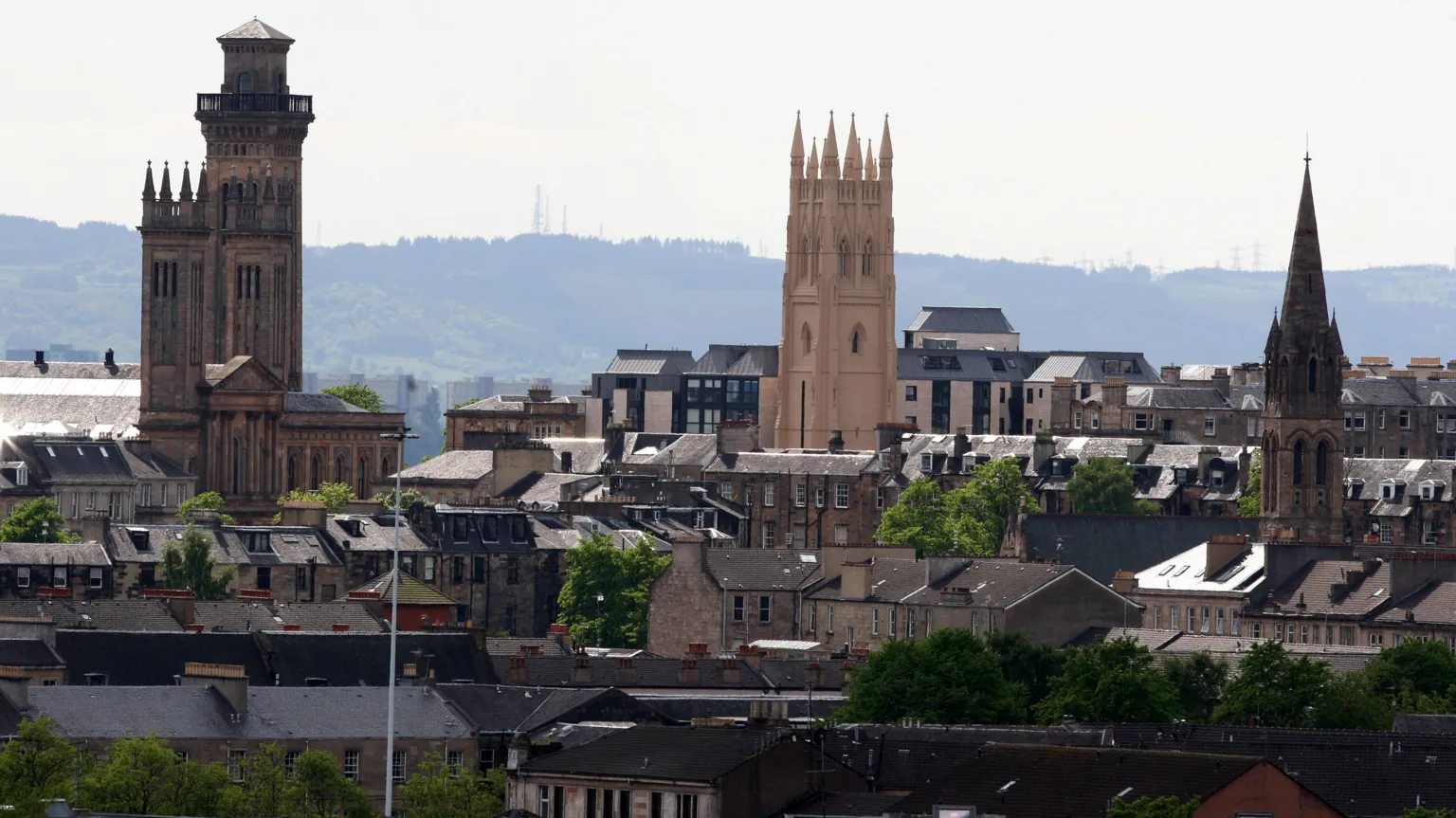
Thomas Kerr of Reform described the housing system as being at breaking point. He criticized the SNP for removing the "local connection rule," which previously allowed local authorities to refer housing applicants to other council areas based on their local connections.
Kerr claimed this change increased pressure on housing, especially in Glasgow, stating:
"We are seeing people prioritised over others who are here locally".
McAllan responded that the rule change was unrelated to immigration, explaining that refugees are not considered to have connections to other areas, so councils have never been able to refer them elsewhere when they seek homeless support.
She explained the rule was changed to prevent situations where, for example, a person fleeing domestic abuse in Inverness could be sent back there by another council.
Kerr further claimed that in Glasgow, recent figures indicated 65% of homeless people were "illegal" migrants.
Between April and September 2025, 43% of applicants for homelessness support were individuals with refugee status or leave to remain (excluding Ukrainian nationals). The overall figure for Scotland stands at 15%.
Stephen Kerr of the Scottish Conservatives expressed that voters are concerned Westminster lacks control over immigration, a concern he considered justified.
He stated:
"When people arrive here by illegal means and seek asylum, they may have a right to do that, but if you arrive in this country by illegal means, then you cannot be permitted to stay.
We are a welcoming, warm-hearted people, but people feel that hospitality is being taken advantage of."
Kerr criticized the previous Conservative government at Westminster for not doing all it could, noting it paid a political price.
He added:
"Too often, parties on the left wish to designate the views of ordinary working people as being racist - they're not being racist, they are seeing what's happening in communities and are deeply concerned about it."
Labour's Michael Marra accused Reform of using inflammatory language and emphasized that people fleeing dire circumstances must be accommodated.
Marra noted that the "Boris wave" saw a significant increase in immigration, with an additional two million people arriving in the UK while Boris Johnson was prime minister, following looser immigration rules introduced after Brexit.
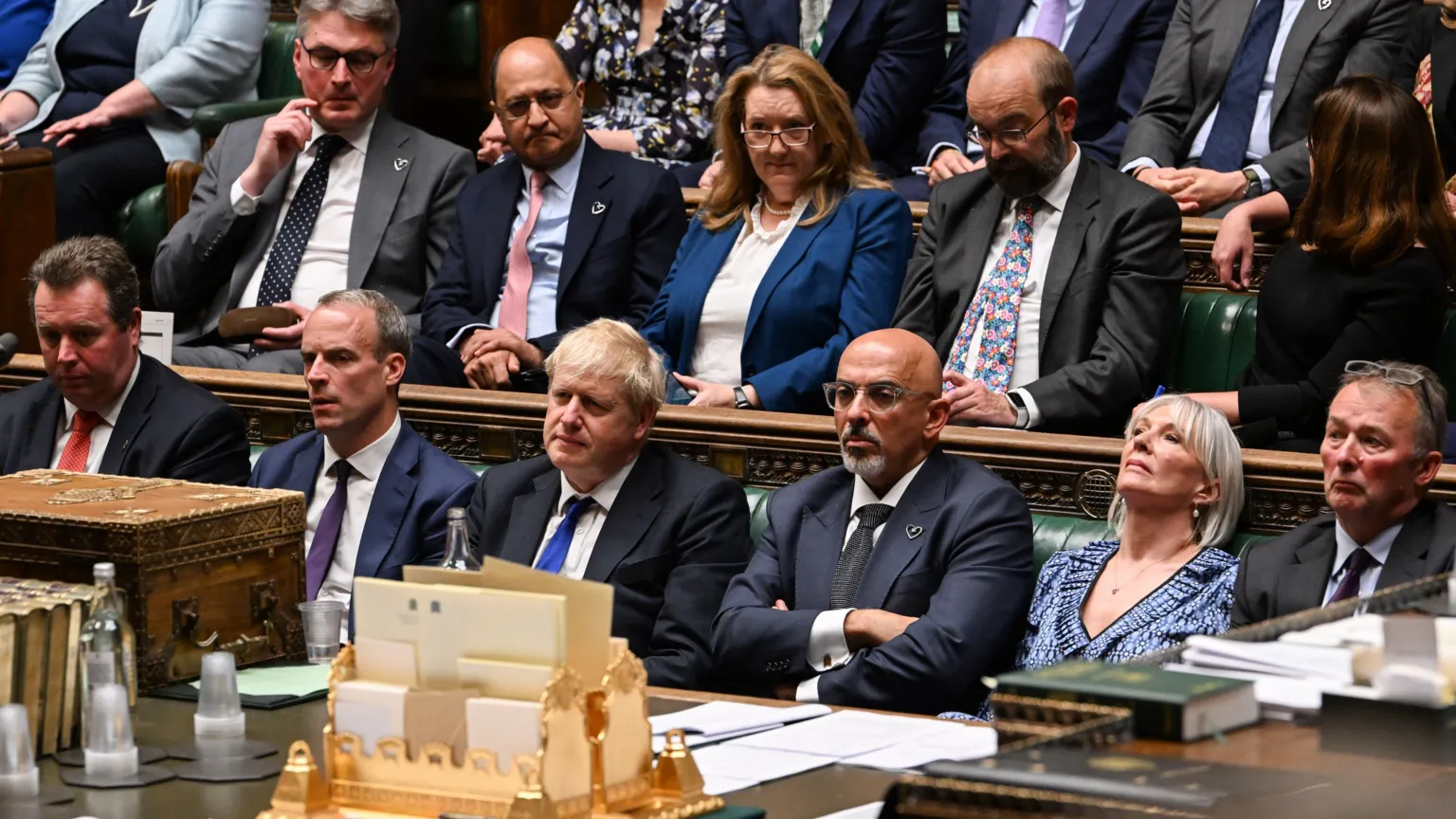
He called for increased homebuilding in Scotland, highlighting that housing completion rates are at their lowest in many decades.
Health and Social Care Staffing Pressure
Christine Jardine of the Scottish Liberal Democrats stated that immigration is essential for Scotland due to a "massive skills gap" and employment shortages.
She warned that the care sector faces collapse because of staff shortages.
Jardine said:
"The problem is that the [former] UK Conservative government lost control of immigration - we need to fix that.
That is a different problem to people coming across the channel on small boats - Brexit caused that."
She advocated allowing asylum seekers to work to fill skills gaps and contribute to Scotland's economy, noting that those not granted asylum could still be deported.
Scottish Greens' Patrick Harvie distinguished between seeking asylum and illegal immigration, stating that most people adopt a live and let live attitude and recognize immigration's value.
He attributed pressure on public services not to immigrants or asylum seekers but to decisions by UK governments that impact Scotland, pushing cuts through the Scottish government and onto councils.
Election Polls and Analysis
Professor John Curtice suggested that polls indicate the SNP will remain "by far" the largest party, despite reduced popularity compared to the 2021 election. He noted that Reform and Labour are in close competition for second place.
However, Professor Curtice cautioned that poll uncertainty means the final 10 days of the campaign "could prove vital in determining the outcome."



