

Undersea Tunnel Plans for Shetland Islands
The Shetland Islands Council is poised to approve plans for undersea tunnels connecting some of the UK's northernmost islands, with a potential completion timeline of eight years. The project aims to replace aging ferry services with fixed links, which are described as "economically transformative" in a recent feasibility study.
The study proposes tunnels linking Shetland's mainland to Yell and from Yell to Unst, with additional tunnels to Whalsay and Bressay potentially following. Council leaders argue that these tunnels would be more cost-effective than investing in new ferries and harbour replacements.
The estimated cost for constructing four tunnels is approximately £1.5 billion. The council plans to explore a funding model combining private investment, public subsidies, borrowing, and tolls to cover ongoing maintenance expenses.
Economic and Technical Perspectives
The council's transport chairperson, Moraig Lyall, emphasized that the report found no technical obstacles to building the tunnels, which are expected to be "cheaper in the long run" compared to ferry operations.
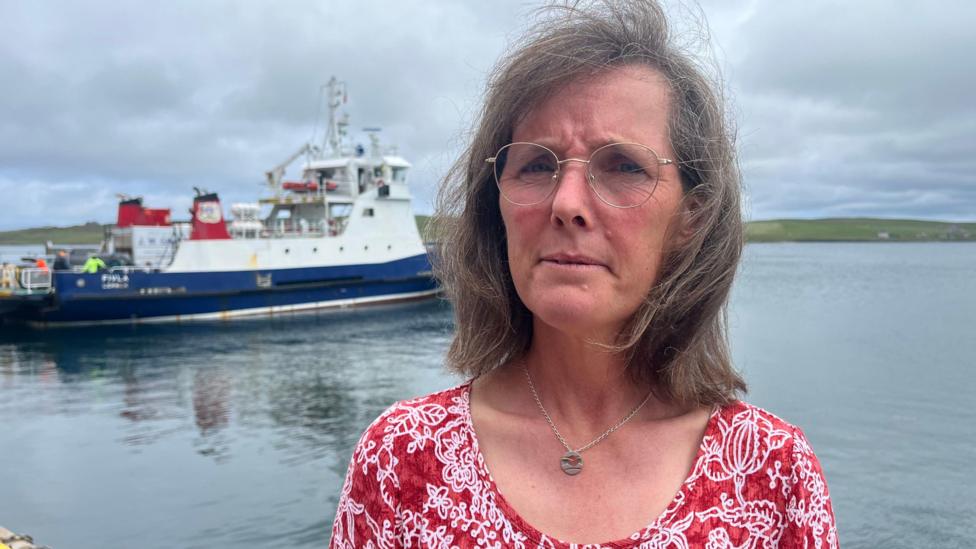
Currently, the council operates ferry services to nine islands, transporting around 750,000 passengers annually on 12 vessels at an operational cost of £23 million per year. Costs have escalated significantly over the past decade, and some routes face challenges in meeting vehicle capacity demands.
"The system we have that has served us well for decades is now no longer able to do that. It doesn't have the capacity and we're struggling with other things, like the ability to crew the system adequately. These barriers to giving the islands a really good service are not going to be easily overcome by replacing ferries with other ferries. The tunnel is the answer that we believe will help us solve these problems."
Impact on Local Industry and Infrastructure
Unst, the UK's northernmost island, hosts the UK's only spaceport at Saxavord and supports a significant aquaculture industry. The feasibility study suggests that tunnels could enhance economic activity directly related to the spaceport and generate additional benefits such as aerospace industrial development and increased tourism.
The tunnels would improve the spaceport's "competitiveness, efficiency and scope for growth," while also facilitating better access to labor for island businesses.
Boatbuilder Brydon Barclay of Fluggaboats on Unst highlighted the importance of the tunnels for his company’s future.
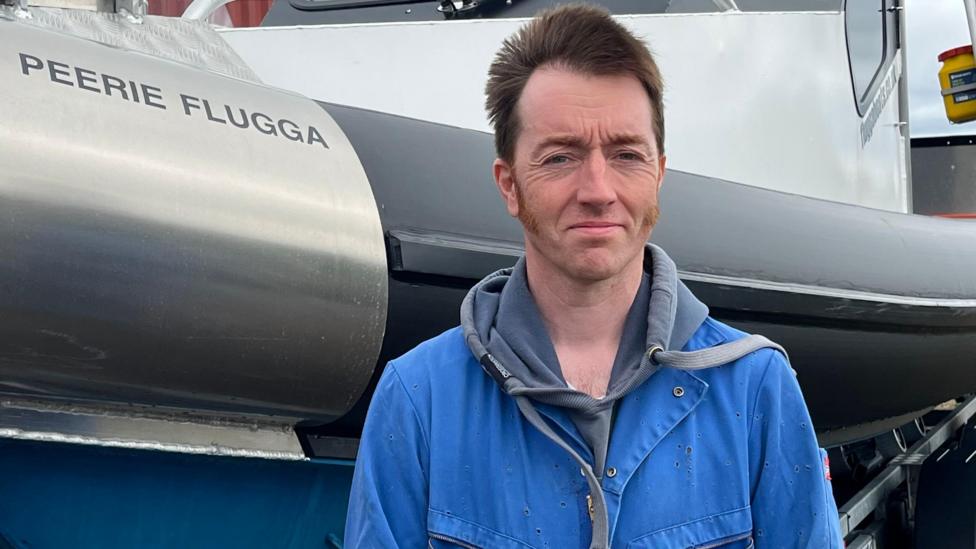
"It's absolutely essential. At the moment, we're running with a ferry service that just isn't meeting the demand at all."
Ferry Services and Challenges
The Bressay ferry Fivla regularly arrives in Lerwick, serving as a vital link for the islands.

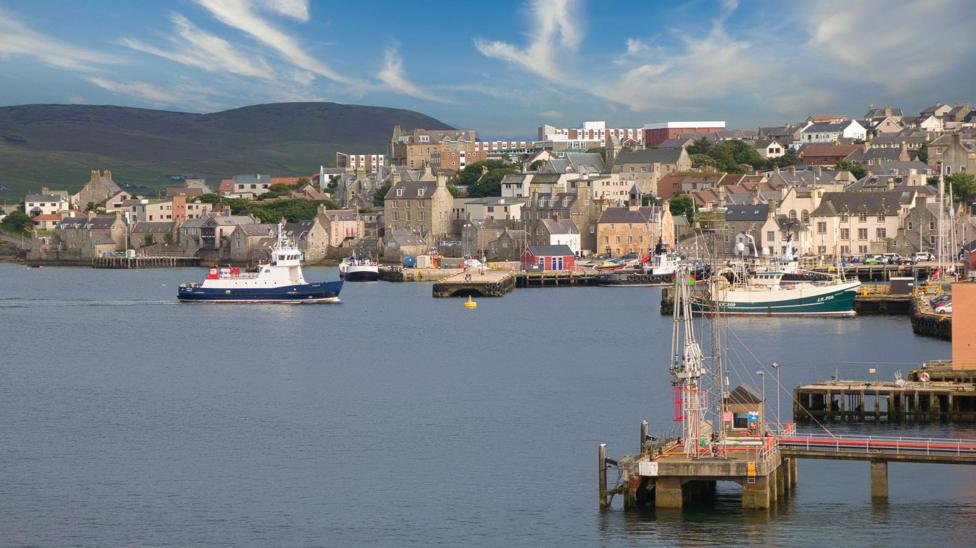
The Shetland Islands Council currently manages a fleet of ferries that are increasingly unable to meet demand, with operational challenges including crew shortages and capacity limitations.
Inspiration from the Faroe Islands
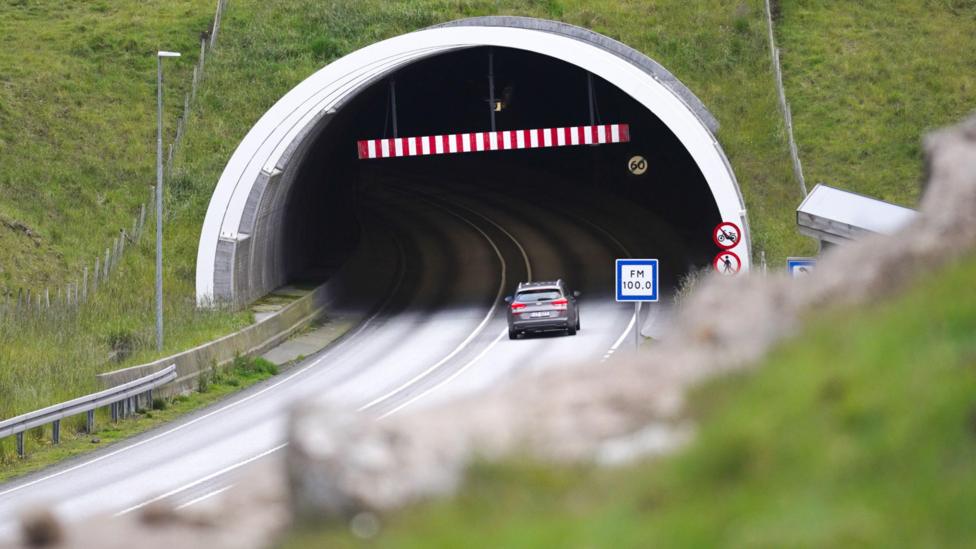
The Shetland tunnel plans draw inspiration from the Faroe Islands, an Atlantic archipelago located approximately 200 miles northwest. The Faroes have been constructing tunnels since the 1960s and now possess over 20 tunnels, including four subsea tunnels connecting island communities.
One notable example is a 7.1-mile (11.4 km) tunnel connecting the island of Streymoy to two sides of a fjord on the island of Eysturoy, featuring the world's only subsea roundabout. This tunnel reaches a depth of 187 meters (614 feet) below the Atlantic and has halved travel time between the capital, Tórshavn, and Klaksvik, the islands' second-largest town.
Last year, Aksel Johannesen, then Prime Minister of the Faroe Islands, told that Shetland could stimulate growth, revitalize island life, and encourage population growth by adopting a similar tunnel network.
"I think we have learned in the Faroe Islands that investment in infrastructure is a good investment," he said.
Comparative Demographics and Broader Scottish Interest
The Faroe Islands, a self-governing nation within the Kingdom of Denmark, have a population of approximately 54,000, while Shetland's population is around 23,000.
Fixed link solutions are also under consideration in other parts of Scotland. Earlier in the year, the Western Isles council, Comhairle nan Eilean Siar, announced it would explore the possibility of constructing tunnels or bridges across the Sounds of Harris and Barra.
Discontent with the reliability of the Caledonian MacBrayne ferry network, which serves the Hebrides and the Clyde, has intensified the debate on fixed links.
Engineering and Timeline
Andy Sloan, executive vice president at engineering firm Cowi, which has advised Shetland Islands Council on the tunnels, stated:
"Once Scotland builds its first tunnel, it will never stop."
Cowi's proposed timeline includes three years for preliminary work and five years for construction. The tunnel would be excavated from both ends and constructed with a sprayed concrete lining.
Sloan noted that the Shetland project is relatively straightforward from an engineering standpoint but emphasized the importance of adopting a long-term national perspective.
"The real challenge is whether we as a nation take a short-term or long-term view," he added.


