Scottish Budget Approved by MSPs
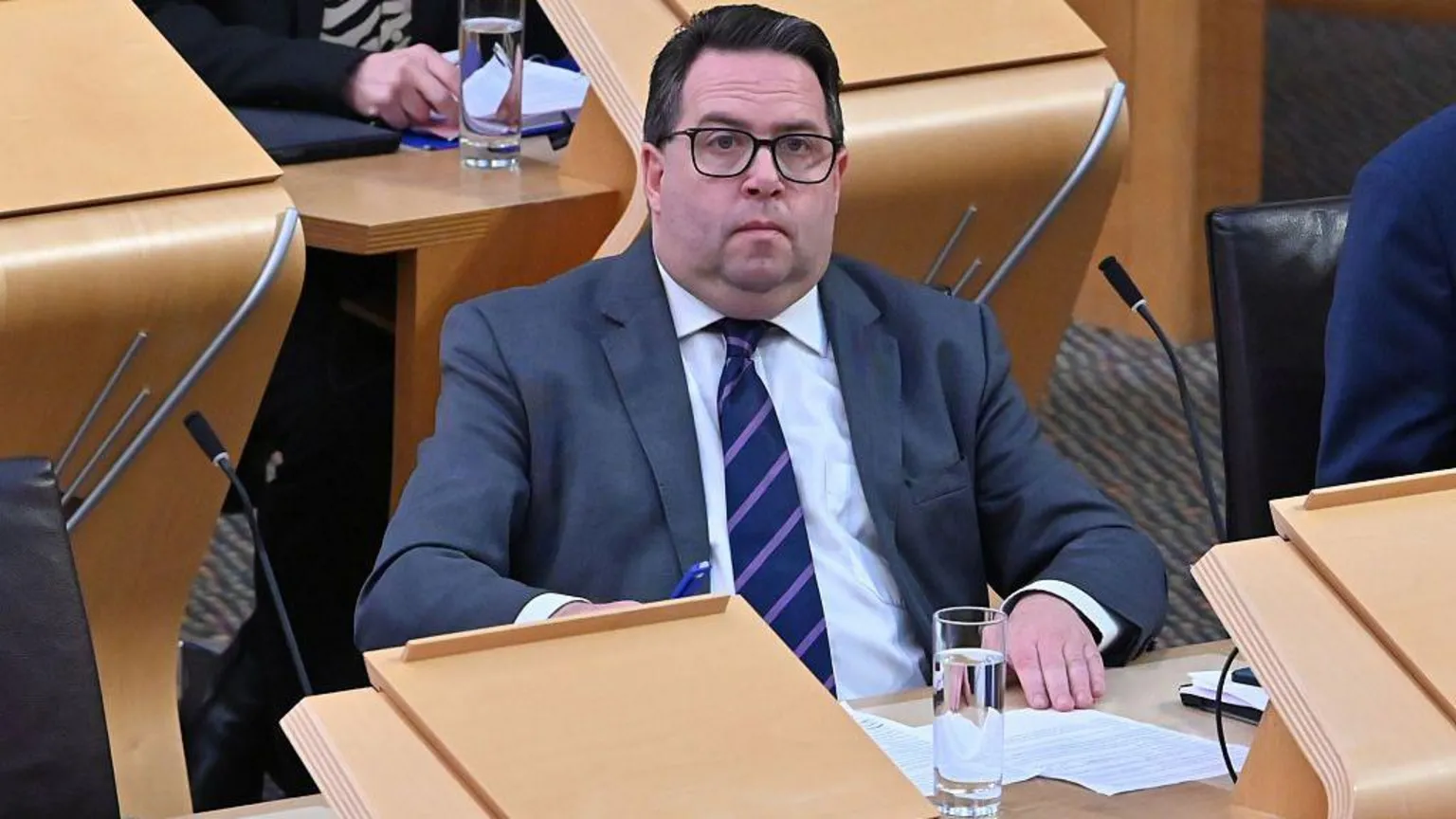
Members of the Scottish Parliament (MSPs) have approved the Scottish government's budget for the fiscal year 2026-27 following a vote at Holyrood.
The Scottish National Party (SNP) proposed a £68 billion spending plan that includes adjustments to income tax thresholds and the introduction of a levy on residential properties valued over £1 million.
Finance Secretary Shona Robison negotiated agreements with the Scottish Greens and the Scottish Liberal Democrats to secure their support, although the Greens ultimately abstained from the final vote.
Scottish Labour also abstained, while the Scottish Conservatives opposed the budget, describing it as "dreadful." The final tally was 66 votes in favor, 29 against, and 24 abstentions.
The budget was initially announced last month and comes just months ahead of the upcoming Holyrood elections.
Key Budget Measures
The budget includes an increase to the Scottish Child Payment, which will rise to £40 per week for families with a baby under one year old starting in 2027-28.
Additionally, a targeted 15% relief on non-domestic rates will be applied to retail, hospitality, and leisure businesses to assist those facing significant bill increases due to revaluations of rateable values.
Income tax thresholds will increase in the basic and intermediate bands, resulting in workers in lower tax brackets paying up to £40 less annually compared to counterparts in other parts of the UK.
However, individuals earning over £50,000 are forecasted by the Scottish Fiscal Commission to pay nearly £1,500 more than those with the same income elsewhere in the UK.
Government Statements and Social Protections
Finance Secretary Shona Robison emphasized the government's commitment to maintaining key social protections.

"We've kept prescriptions free, we've maintained free tuition, we have continued to expand free school meals, we have protected free bus travel for under-22s and over-60s, and we have provided free baby boxes to give every child the best start in life," she said.
Following negotiations with the Greens and Liberal Democrats, a series of amendments were introduced by the finance secretary.
As a minority administration, the SNP required the support of three MSPs from other parties to pass the budget.
The Scottish Greens advocated for an expansion of the free school meals program to include S1-S3 pupils receiving the Scottish Child Payment in eight council areas, though they abstained from the final vote.
The Liberal Democrats requested an additional £2.6 million in funding for drug and neonatal services.
Discussions with these parties also led to the implementation of a £2 bus fare cap pilot scheme in one council area and an increase in hospice funding from £4 million to £5 million.
Political Reactions
Scottish Labour leader Anas Sarwar announced his party would abstain from voting on the budget in January.
"It already had the votes" to pass, so his party would not oppose it, he said.
Sarwar added that Labour would have supported the bill if the government had expedited plans to effectively remove the two-child cap on benefits.
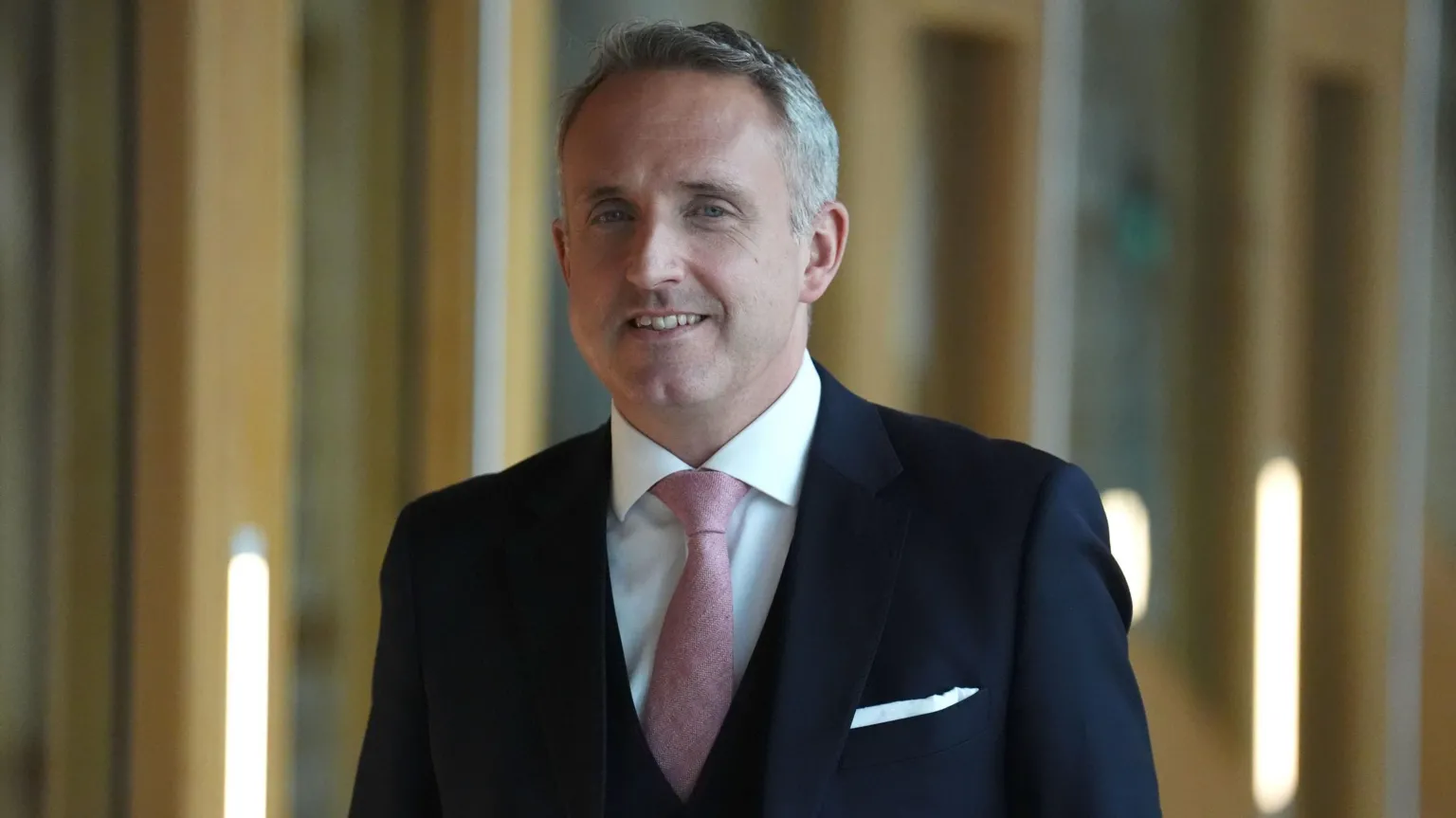
Labour's finance spokesman, Michael Marra, expressed concerns about the budget's sustainability.
"Scottish Labour will not stand in the way of police officers, nurses and local services continuing to be funded at the start of the new financial year.
"The truth is that the SNP has decimated Scotland's public finances and taken treasured public services like our NHS to the brink."
Scottish Conservative finance spokesman Craig Hoy criticized the budget, attributing Scotland's financial challenges to the SNP's policies.
"Scotland was trapped in a 'doom loop of higher taxes' due to the SNP's benefits commitments," he said.
"Shona Robison has delivered more pain by dragging more and more people into paying a higher tax rate.
By the end of this decade the SNP's financial mismanagement means a staggering 30% of Scots will be paying the higher rate or more.
The Nationalists' high tax and high welfare spending approach is simply unsustainable and means more tax rises or swingeing cuts to public services – or a lethal combination of them both – are on the way."